
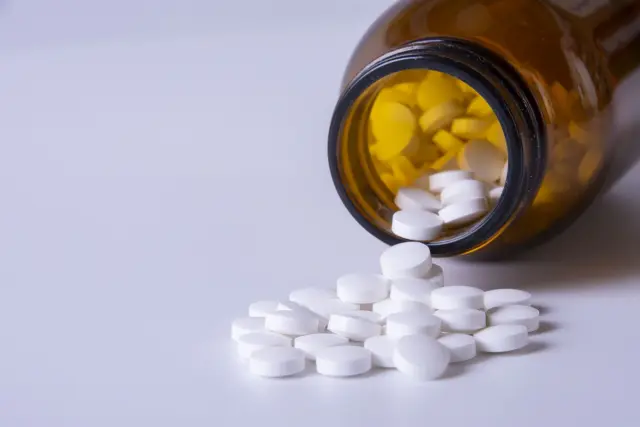
In recent years, medical weight-loss drugs have attracted attention as a means of losing weight. Many people use these drugs to lose weight in a short period, but questions about their safety remain. In this article, we explain in detail how medical weight-loss drugs work, along with their safety and side effects, so that you can choose with confidence.
Key points firstShort on time? Just read this part
- Medical weight-loss drugs are medications used under a doctor’s prescription to reduce body weight
- There are several types of medical weight-loss drugs, and each supports weight loss in a different way
- Medical weight-loss drugs are an effective means of losing weight, but a doctor’s guidance is essential to use them safely
1. What are medical weight-loss drugs?
Medical weight-loss drugs are medications used under a doctor’s prescription to reduce body weight. They work through various mechanisms, such as suppressing appetite, blocking fat absorption, or raising basal metabolism. Medical weight-loss drugs are chosen when self-directed diet methods have reached their limits or when weight loss over a short period is required.
The main medical weight-loss drugs include the following:
- Appetite suppressants (e.g., Sanorex)
- Fat absorption inhibitors (e.g., orlistat)
- GLP-1 receptor agonists (e.g., Rybelsus, Mounjaro injections)
These drugs are prescribed based on each patient’s health condition and weight-loss goals.
2. Types of medical weight-loss drugs and how they work
There are several types of medical weight-loss drugs, and each supports weight loss in a different way. Here we introduce how the main drugs work.
Appetite suppressants
Appetite suppressants act on neurotransmitters in the brain that control appetite, reducing calorie intake by suppressing appetite. This helps prevent overeating and enhances the effects of dieting.
Fat absorption inhibitors
Fat absorption inhibitors reduce the absorption of fat in the intestines. Because part of the fat you eat is not absorbed into the body and is excreted as is, the calories you take in can be reduced.
GLP-1 receptor agonists
GLP-1 receptor agonists act similarly to a hormone secreted by the digestive tract, curbing the rise in blood glucose after meals and reducing appetite. They also have the effect of raising basal metabolism.
3. Safety and risks of medical weight-loss drugs
Medical weight-loss drugs are an effective means of managing obesity and overweight, but their use carries certain risks. When used under a doctor’s guidance, their effects can be obtained safely, but incorrect use or taking them at your own discretion may harm your health. Here we explain the safety and risks of medical weight-loss drugs in detail.
Indications for medical weight-loss drugs
Medical weight-loss drugs are mainly recommended in situations such as the following.
- Obesity disease: when BMI is 30 or higher, or when BMI is 27 or higher together with a lifestyle-related disease (high blood pressure, diabetes, hyperlipidemia, etc.).
- When weight loss is needed: when weight loss over a short period is needed, or when self-directed dieting has not produced sufficient results.
These drugs require a doctor’s diagnosis and prescription, and they are not suitable for everyone. The best treatment is decided taking into account your health condition, medical history, current medications, and so on.
Safety of medical weight-loss drugs
Medical weight-loss drugs are medications whose safety has been confirmed through clinical trials and that have received approval. However, every drug carries risks, and those risks depend on factors such as the following.
- Proper use: drugs must be taken under a doctor’s guidance at the correct dosage and administration. Following the instructions greatly reduces the risks.
- Individual condition and constitution: the effects and side effects of a drug differ depending on each person’s condition and health status. If you notice anything unusual while taking it, consult your doctor right away.
- Interactions with other medications: interactions with other drugs you are already taking may weaken the effect of the weight-loss drug or make side effects stronger. It is important to tell your doctor what medications you are currently taking.
Risks of medical weight-loss drugs
Medical weight-loss drugs carry certain risks. You need to understand those risks before use and manage them appropriately.
- Digestive problems: fat absorption inhibitors (e.g., orlistat) and GLP-1 receptor agonists (e.g., Rybelsus) can affect the digestive system. This may cause symptoms such as diarrhea, abdominal pain, and nausea.
- Cardiovascular risks: some weight-loss drugs may put strain on the heart, so their use may be avoided in people with high blood pressure or heart disease. Appetite suppressants in particular may affect heart rate and blood pressure.
- Metabolic abnormalities: some weight-loss drugs affect metabolism and can cause abnormalities in blood glucose or lipids. Regular tests during use are recommended for patients with diabetes or dyslipidemia.
- Dependence and misuse: some appetite suppressants may carry a risk of dependence or misuse. For this reason, it is important to use them under a doctor’s supervision.
Measures to minimize risks
To minimize the risks of medical weight-loss drugs, the following measures are necessary.
- Get a doctor’s guidance: it is important to always use weight-loss drugs under a doctor’s guidance. Discuss the choice of drug and how to take it thoroughly with your doctor.
- Have regular health checks: while using the drug, you need regular health checkups. Blood pressure, blood glucose, and lipids are checked to make sure there are no abnormalities.
- Consult right away if you notice anything unusual: if you notice a change in your health while taking the drug, stop using it immediately and consult your doctor. Dealing with it early can reduce the risks.
- Combine with diet and exercise: weight-loss drugs are only a supplementary means, and it is important to combine them with dietary management and exercise. Relying on drugs alone will not lead to long-term weight maintenance.
Medical weight-loss drugs can be highly effective when used correctly, but the most important thing is to understand the risks and use them safely. Work with your doctor to aim for effective weight loss.

Not sure if it suits you? Start with a consultation.
A doctor decides whether you can use it and which dose is appropriate, based on your consultation and questionnaire.
No consultation fee (first & follow-up visits)Online consultation available
4. Side effects of medical weight-loss drugs
Medical weight-loss drugs can cause side effects ranging from mild to severe. Typical side effects are introduced below.
Side effects of appetite suppressants
- Headache, dizziness
- Insomnia
- Dry mouth
These side effects are caused by the drug acting on the central nervous system. In most cases they improve within a few days, and if they still do not subside, the symptoms improve once the drug is stopped.
Side effects of fat absorption inhibitors
- Bowel irregularities (diarrhea, abdominal pain)
- Fatty stools (a phenomenon in which fat is excreted undigested)
With fat absorption inhibitors, you need to be careful about what you eat, and avoiding high-fat meals is recommended.
Side effects of GLP-1 receptor agonists
- Nausea, vomiting
- Diarrhea
- Loss of appetite
Because GLP-1 receptor agonists act on the digestive system, they may cause stomach and intestinal upset, but this often improves as you continue taking them.
Why diets don’t last, solved with medicine: tips for sticking with it comfortably with medical support
“I want to lose weight, but I can’t keep it up.” “I k...5. A doctor’s guidance and safe use
Medical weight-loss drugs are an effective means of losing weight, but a doctor’s guidance is essential to use them safely. Using them at your own discretion carries risks and may cause unexpected side effects or ill health. Here we explain in detail the appropriate guidance a doctor provides and how to use these drugs safely.
A doctor’s diagnosis and evaluation
Before using medical weight-loss drugs, it is important to first be diagnosed by a doctor. The doctor checks the following points and prescribes the most suitable drug.
- Body weight and BMI (body mass index)
- Health condition and medical history
- Lifestyle and eating habits
- History of drug allergies and risk of side effects
Based on this information, the doctor chooses the weight-loss drug best suited to you. Also, if you have a lifestyle-related disease (such as high blood pressure or diabetes), it is often managed at the same time.
Regular monitoring
Medical weight-loss drugs require regular consultations and blood tests even after you start using them. The doctor checks the drug’s effects and any side effects, and adjusts the type of drug or dose as needed. Regular monitoring allows changes in your health to be identified early and risks to be minimized.
- Measuring blood pressure and blood glucose: some weight-loss drugs affect blood pressure and blood glucose. These are checked regularly to make sure there are no abnormalities.
- Monitoring your weight: to get the most out of the weight-loss drug, changes in your weight are recorded regularly, and your diet and exercise plan are reviewed as needed.
How to take the drug correctly
To use medical weight-loss drugs safely, it is important to follow these points.
- Follow your doctor’s instructions: take the drug as prescribed and do not change the dose on your own.
- Combine with diet and exercise: medical weight-loss drugs are only a supplementary means of losing weight. Combining them with appropriate dietary management and exercise makes them more effective.
- Stick to the timing: some drugs need to be taken before or after meals. Take them at the instructed times.
- Watch for side effects: if you notice anything unusual about your health after taking the drug, it is important to stop using it immediately and consult your doctor.
Precautions while taking the drug
- Avoid excessive dieting and extreme food restriction: rather than relying on the drug alone, aim for a balanced diet and exercise. Excessive calorie restriction or extreme dieting can actually interfere with the drug’s effects.
- Maintain a healthy lifestyle: weight-loss drugs should be used as part of healthy lifestyle habits. Managing stress and getting enough sleep are also important factors.
- Stopping and restarting: if you stop using the drug partway through or restart it, always consult your doctor. Stopping or restarting on your own can affect your health.
What to do when ending treatment
Even if you have achieved a certain amount of weight loss, whether to continue the drug should be decided in consultation with your doctor. After long-term use, a different approach may be needed to maintain your weight.
Your doctor will also give you advice on how to maintain your weight after losing it. This may include dietary management, maintaining exercise habits, and in some cases using a low-dose drug as maintenance therapy.
Used safely, medical weight-loss drugs can be a very effective means of losing weight. However, they should only be used under a doctor’s supervision, and an approach suited to each person’s health condition is required. Rather than relying on weight-loss drugs alone, review your daily diet, exercise, and lifestyle habits as a whole, and aim for healthy weight management.
About self-pay treatment and off-label use
FAQ
QWhat are medical weight-loss drugs?
Medical weight-loss drugs are medications used under a doctor’s prescription to reduce body weight.
They work through various mechanisms, such as suppressing appetite, blocking fat absorption, or raising basal metabolism.
QWhat types of medical weight-loss drugs are there?
Appetite suppressants act on neurotransmitters in the brain that control appetite, reducing calorie intake by suppressing appetite.
Fat absorption inhibitors reduce the absorption of fat in the intestines.
GLP-1 receptor agonists act similarly to a hormone secreted by the digestive tract, curbing the rise in blood glucose after meals and reducing appetite.
QWhat side effects do medical weight-loss drugs have?
With fat absorption inhibitors, you need to be careful about what you eat, and avoiding high-fat meals is recommended.
Because GLP-1 receptor agonists act on the digestive system, they may cause stomach and intestinal upset, but this often improves as you continue taking them.
QCan anyone use medical weight-loss drugs?
These drugs require a doctor’s diagnosis and prescription, and they are not suitable for everyone.
QWhat should I be careful about to use medical weight-loss drugs safely?
Take the drug as prescribed and do not change the dose on your own.
If you notice anything unusual about your health after taking the drug, it is important to stop using it immediately and consult your doctor.
Even if you have achieved a certain amount of weight loss, whether to continue the drug should be decided in consultation with your doctor.
6. Summary
Medical weight-loss drugs are a very effective means of supporting obesity treatment and weight loss, but their use calls for caution. Choosing and using weight-loss drugs matters not only for losing weight but also for maintaining long-term health.
The main points are as follows:
- A doctor’s guidance is essential: always use medical weight-loss drugs under a doctor’s prescription and guidance, and avoid starting or stopping them on your own.
- Understand the types of drugs and how they work: it is important to understand the mechanism of each drug — appetite suppressants, fat absorption inhibitors, GLP-1 receptor agonists, and so on — and have the doctor choose the one best suited to you.
- Manage the risk of side effects: drugs may come with side effects. If you notice anything unusual during use, consult your doctor right away; regular health checks are recommended.
- Improving lifestyle habits matters too: medical weight-loss drugs are a supplementary means, and their effects are maximized when combined with dietary management and improved exercise habits. Rather than relying on drugs alone, reviewing your overall lifestyle leads to success.
The most important thing is to work with your doctor to use weight-loss drugs safely and reach your target weight while staying healthy. Used correctly, medical weight-loss drugs can be a very useful tool for people aiming to lose weight, but careful attention is needed in how they are used and managed.



 Free consultation on LINE
