


The bottom line firstShort on time? Just read this part
- By stimulating two of the body’s hormones, GLP-1 and GIP, at the same time, Mounjaro produces a stronger weight-loss effect than drugs that act on a single hormone
- Mounjaro is less a “drug for getting thin” than a “drug that treats the disease of obesity,” and studies have shown weight loss of 15–21% of body weight
- Understanding these three points and improving your lifestyle rather than relying on medication alone is the key to healthy, lasting weight-loss success
What you will learn in this article
- How Mounjaro acts on GLP-1 and GIP to bring about weight loss
- The specific weight-loss effects found in the SURMOUNT trial series
- The difference between Mounjaro and Zepbound, and the rules for use in Japan
- Side effects to watch for and points for continuing safely
- How to think about cost (including the fact that it is self-pay treatment)
Introduction: from “getting thin” to “treating a disease”
Mounjaro (tirzepatide) is a once-weekly injectable drug that acts on two hormone receptors, GLP-1 and GIP, at the same time, and clinical trials have confirmed weight loss of 15–21% of body weight. However, the size of the effect varies from person to person, and a specific result is not guaranteed.
What sets it apart from previous diet drugs is that it has two actions: “suppressing appetite” plus “supporting metabolism.” In Japan, tirzepatide is approved as the type 2 diabetes drug “Mounjaro,” and in December 2024 it also received manufacturing and marketing approval as the obesity disease drug “Zepbound”; since 2025, it has been covered by health insurance for patients with obesity disease who meet certain conditions.
Zepbound is covered by health insurance for “people with obesity disease who also have conditions such as high blood pressure, dyslipidemia or diabetes,” and BMI criteria are also set. On the other hand, “Mounjaro,” which many medical weight-loss clinics including ours use for cosmetic and weight-loss purposes, is approved in Japan as a type 2 diabetes drug, so please understand before considering it that use for weight loss is off-label use as self-pay treatment (not covered by health insurance; you pay the full cost).
How does it work?
By stimulating two of the body’s hormones, GLP-1 and GIP, at the same time, Mounjaro produces a stronger weight-loss effect than drugs that act on a single hormone.
- GLP-1: suppresses appetite, slows the stomach and lowers blood sugar.
- GIP: acts on fat and metabolism, and further strengthens the effect when combined with GLP-1.
This “dual” mechanism makes greater weight loss possible than with conventional drugs.
Effects found in research
Mounjaro’s weight-loss effect has been confirmed in three major clinical trials, SURMOUNT-1, 3 and 4, and it has been shown that combining it with lifestyle changes and continuing treatment further increases the effect.
SURMOUNT-1(NEJM 2022)
In a study in which more than 2,500 people with obesity or overweight were treated for 72 weeks, body weight was reported to have decreased by an average of 15–21%. These are only averages, and the actual amount of weight lost varies greatly by age, constitution and lifestyle. Some people stopped because of side effects, mostly due to gastrointestinal symptoms such as nausea and diarrhea.
SURMOUNT-3(Nat Med 2023)
When Mounjaro was used after losing some weight through diet and exercise, a further 21% weight loss was achieved. In other words, combining lifestyle improvement with medication is more effective.
SURMOUNT-4(JAMA 2024)
After substantial weight loss over 36 weeks, a group that continued the drug was compared with a group that stopped it:
- Those who continued lost even more weight
- Those who stopped regained weight
These were the results. They show that “obesity is a chronic disease, and continuing medication is part of treatment.”
Rules for use in Japan
While Zepbound under health insurance has clear eligibility criteria such as BMI, Mounjaro prescribed as self-pay treatment by medical weight-loss clinics including ours has no equivalent insurance criteria; whether it can be prescribed is decided through a doctor’s examination.
- Who is eligible for Zepbound (covered by health insurance, for obesity disease): people with a BMI of 27 or higher who have a lifestyle-related disease, or people with a BMI of 35 or higher.
- Starting dose: start at 2.5 mg and increase gradually every 4 weeks. Usually used up to 10 mg, with a maximum of 15 mg. This dosing is basically the same when Mounjaro is used as self-pay treatment.
- Where it can be used: only at specialized medical institutions. Zepbound under health insurance is not prescribed for cosmetic purposes or short-term weight loss. On the other hand, when Mounjaro is used for weight loss as self-pay treatment, whether it can be prescribed is decided after a doctor’s examination and questionnaire/interview.
Safety and side effects
Mounjaro’s side effects are mainly gastrointestinal symptoms and most are mild, but you also need to be aware of side effects to watch for, such as gallstones, pancreatitis and thyroid-related effects, and interactions such as reduced effectiveness of contraceptive pills.
Common side effects
- Nausea, diarrhea, constipation, vomiting
→ These mostly appear when you first start or during dose escalation. They can be reduced by adjusting how much you eat.
Side effects that need attention
- Gallstones and gallbladder disease
- Pancreatitis
- Worsening kidney function (may be caused by dehydration from diarrhea or vomiting)
- Possibility of thyroid cancer (reported in animal studies; a causal relationship in humans is unknown)
Pregnancy and contraception
It cannot be used during pregnancy. In addition, because it slows the stomach, it may reduce the effectiveness of oral contraceptives. When starting and for 4 weeks after each dose increase, you need to use another method of contraception as well.
What happens with long-term use?
Continuing Mounjaro makes it easier to maintain your weight, and stopping makes rebound more likely, so it is important to combine it with lifestyle habits from a long-term perspective, including through plateaus.
- If you continue, it is easier to maintain your weight
- If you stop, rebound is more likely
- When you hit a plateau, it is important to review your exercise and diet
In short, the key is to use it “together with lifestyle habits” rather than “relying on the medication alone.”
Using it in practice
Mounjaro is a simple drug that you self-inject once weekly on the same day of the week, but combining it with attention to diet, fluids and exercise changes its effect and how easy it is to continue.
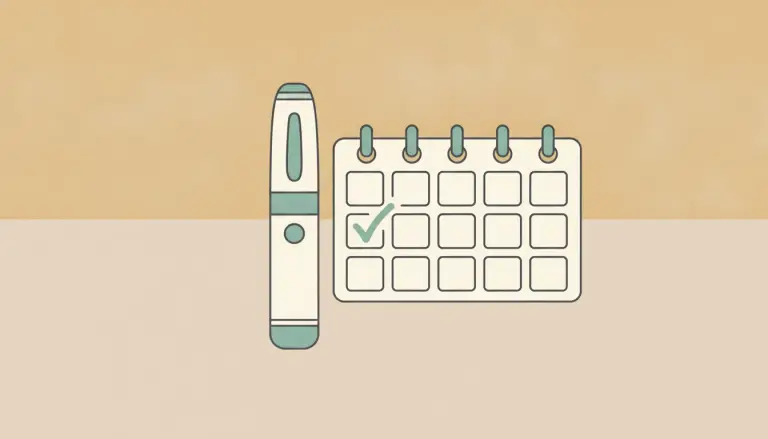
- Inject once weekly on the same day of the week. You can inject it into the abdomen, thighs or upper arms.
- If you forget a dose, it is OK to take it within 4 days. If more than 4 days have passed, inject on your next scheduled day.
- Eat plenty of protein and limit greasy foods. Don’t forget to stay hydrated.
- For exercise, combine aerobic exercise with strength training. Maintaining muscle mass is important.
Who it suits / who it doesn’t suit
Mounjaro suits people with obesity accompanied by lifestyle-related diseases who can work on improvement hand in hand with a doctor, whereas it cannot be used by people who are pregnant or have certain medical histories.
- Who it suits
People with obesity disease who meet the BMI criteria and have lifestyle-related diseases. People who can work on lifestyle improvement together with a doctor. - Who it doesn’t suit
People who are pregnant or breastfeeding, people with a history of thyroid cancer or pancreatitis, people with severe kidney disease, and so on.
Not sure if it suits you? Start with a consultation.
A doctor decides whether you can use it and which dose is appropriate, based on your consultation and questionnaire.
No consultation fee (first & follow-up visits)Online consultation available
Summary so far
Mounjaro is less a “drug for getting thin” than a “drug that treats the disease of obesity,” and studies have shown weight loss of 15–21% of body weight. Continuing it is said to make it easier to maintain the effect. From the author’s impression after following clinical information, many people say it is harder to give up on than dieting alone. However, there are side effects and risks too, and safe use under a doctor’s supervision is a prerequisite.
Obesity is a chronic disease. Combining medication with lifestyle improvement allows you to control your weight in a healthier way.
Points to note when receiving Mounjaro treatment
To continue Mounjaro treatment safely, three things are essential: regular appointments with your doctor, improving your lifestyle in parallel, and not relying entirely on the medication.
Regular appointments with your doctor are important
Mounjaro is not a drug where “you inject it and that’s it.” You need to see a doctor regularly and have your weight, blood pressure, blood sugar and blood tests checked. Early detection of gallbladder and pancreas problems is especially important. If you notice anything abnormal, don’t make your own judgment; see a doctor right away.
Improving your lifestyle enhances the effect
To get the most out of the medication, the three pillars of diet, exercise and sleep are essential.
- Diet: focus on high protein and low fat, and don’t overdo carbohydrates.
- Exercise: in addition to aerobic exercise such as walking or jogging, maintain your muscles with strength training.
- Sleep: be careful, because lack of sleep upsets hormonal balance and increases appetite.
Not relying on the medication alone is important
Mounjaro can be powerful support, but it has been reported that if you neglect your lifestyle thinking “I’m fine because I have the medication,” rebound becomes more likely. In fact, in a post on X (formerly Twitter) by @ryota_tan seen by our editorial team, the user revised their approach, saying, “I lost weight too rapidly when I restricted my diet while on Mounjaro injections, so now I’ll eat and lose weight slowly.” Rather than leaving everything to the drug’s effects, adjusting how much you eat in consultation with your doctor leads to weight loss without strain.
What are the requirements for a Mounjaro prescription? A doctor explains costs and online consultation
To get a prescription for Mounjaro, you need to be examined by a doctor at a ...About cost
When Mounjaro is used for weight loss, it is self-pay treatment (not covered by health insurance; you pay the full cost), so it is essential to check the total cost before signing up. When Mounjaro is prescribed as a diabetes treatment it is covered by health insurance, but when it is used for obesity treatment for cosmetic or weight-loss purposes, it is generally self-pay treatment.
- Approximate out-of-pocket cost: from tens of thousands of yen to about 100,000 yen per month (varies by medical institution)
- Ways to keep costs down: combining it with diet and exercise may make it easier to see results even at a lower dose.
In the future, if indications and systems in Japan are further developed, the cost burden may become lighter.
Benefits that can be expected from long-term use
Long-term use of Mounjaro may lead not only to stable weight but also to improvement in lifestyle-related diseases and a better quality of life.
- Stable weight: continuing long term makes it easier to prevent rebound.
- Improvement in lifestyle-related diseases: blood sugar, blood pressure and lipids improve, lowering the risk of complications.
- Better quality of life: easier movement, better sleep quality, higher self-esteem.
These are major benefits that cannot be gained just by “getting thin temporarily.”
Patient comments
Comments from people who received treatment mainly include “my appetite settled down” and “my test values improved,” but these are individual experiences and do not guarantee the same results.
- Woman in her 40s: “Dieting was hard and I couldn’t keep it up, but since starting Mounjaro my appetite has settled down and I feel I’ve lost weight without strain.”
- Man in his 50s: “I was seeing a doctor for high blood pressure and dyslipidemia, and the doctor pointed out that my numbers improved as I lost weight.”
- Woman in her 30s: “The nausea side effect was only at the beginning, and when I added strength training I could also feel changes in my body shape.”
The amount of weight loss and how side effects appear differ from person to person. Please treat the above only as examples for reference.
Future outlook
Tirzepatide has become a major turning point in obesity disease treatment, and the accumulation of long-term safety data and research on combination therapy are expected to progress further. The following are also anticipated.
- Accumulation of long-term safety data: the effects and side effects of using it for many years will become clearer.
- Possible expansion of insurance coverage for weight-loss purposes: the obesity disease drug “Zepbound” has already been covered by health insurance under certain conditions since 2025, and the eligibility conditions are expected to expand in the future. However, use of Mounjaro for cosmetic or weight-loss purposes currently continues to be self-pay treatment.
- New combination therapies: even greater effects may be expected from combinations with other drugs or treatments.
About self-pay treatment and off-label use
FAQ
QAre Mounjaro and Zepbound different?
The ingredient (tirzepatide) is the same, but in Japan the approval and brand name differ: “Mounjaro” is approved as a type 2 diabetes drug, and “Zepbound” was approved as an obesity disease drug in December 2024. Zepbound has been covered by health insurance under certain conditions since 2025, but use of Mounjaro for cosmetic or weight-loss purposes is self-pay treatment.
QHow long do I need to continue?
Basically, long-term continuation is assumed. The SURMOUNT-4 trial also confirmed a tendency for weight to be regained when treatment is stopped, and weight is said to come back easily if you stop.
QWon’t I lose muscle?
Losing weight rapidly makes it easier to lose muscle mass too. Eating enough protein and adding strength training can help limit the loss of muscle mass.
QI’m taking the pill. Is that OK?
Because Mounjaro slows the stomach, it may reduce the effectiveness of oral contraceptives. When starting and for 4 weeks after each dose increase, use another method of contraception as well.
QCan anyone use Mounjaro?
Zepbound under health insurance is for people diagnosed with “obesity disease” by a doctor who meet criteria such as BMI. On the other hand, Mounjaro prescribed as self-pay treatment by medical weight-loss clinics including ours has no uniform criteria like insurance coverage, but whether it can be prescribed is decided after a doctor’s questionnaire/interview and examination. It cannot be used by people who are pregnant or breastfeeding, or who have a history of thyroid cancer or pancreatitis, among others.
If you would like to discuss whether Mounjaro treatment suits your condition
Summary
Mounjaro is attracting attention worldwide as a “drug that fundamentally treats obesity.”
- A strong effect of 15–21% weight loss
- Weight can be maintained if you continue long term, but rebound is possible if you stop
- It needs to be used under a doctor’s supervision while watching for side effects
Understanding these three points and improving your lifestyle rather than relying on medication alone is the key to healthy, lasting weight-loss success.
References
- Jastreboff AM, et al. NEJM 2022: 72-week weight-loss effect of Mounjaro
- Wadden TA, et al. Nat Med 2023: additional effect after lifestyle guidance
- Aronne LJ, et al. JAMA 2024: comparison of continued treatment vs. stopping
- FDA “Zepbound” prescribing information: precautions on safety, side effects and contraception
- PMDA “Optimal Use Promotion Guidelines for Tirzepatide”: conditions for use in Japan
If you want to find a treatment plan that suits you
*This article is intended to provide general information, and effects and side effects vary from person to person. When used for cosmetic or weight-loss purposes, Mounjaro is a prescription drug provided as self-pay treatment (not covered by health insurance). It must always be used under a doctor’s examination and guidance.
Medically reviewed by: Dr. Hiroko Oka (Chair, Fukubikai Medical Corporation / Certified Member, Japanese Society of Internal Medicine)
Who to contact if you have side effects | When to seek care
If you develop any of the following symptoms, please contact us rather than waiting to see how things go. GIP/GLP-1 receptor agonists, including Mounjaro, are known to cause side effects, mainly gastrointestinal symptoms. Most are mild, but serious ones occur in rare cases.
| Symptom | Possible cause | What to do |
|---|---|---|
| Ongoing nausea or vomiting | Gastrointestinal symptoms; the most common side effect | Please contact us if you remain unable to keep fluids down |
| Severe abdominal pain (pain that goes through to the back) | Possible acute pancreatitis | Stop the injections immediately and see a doctor |
| Cold sweat, palpitations, strong hunger, feeling dazed or confused | Hypoglycemia | Take some sugar right away and contact us |
| Skin rash, difficulty breathing, swelling of the face or throat | Allergic reaction | Seek medical care immediately |
Contact: 0120-241-929 (hours 9:00–18:00)
If your symptoms are severe outside these hours, please go to your nearest emergency medical facility.
Direct phone numbers for each clinic are listed on the clinic information page.
References
The drug information in this article is based on the following official sources. For details on dosage and administration and side effects, always check the latest electronic package insert.
Pharmaceuticals and Medical Devices Agency (PMDA), “Mounjaro Subcutaneous Injection Ateos: electronic package insert”
PMDA, “Drug Guide for Patients: Mounjaro Subcutaneous Injection Ateos” (PDF)
Ministry of Health, Labour and Welfare, “Prevention of lifestyle-related diseases”
When Mounjaro is used for purposes other than obesity disease, it is self-pay treatment and public health insurance does not apply. Effects and side effects vary from person to person.


 Free consultation on LINE
