

Key points firstShort on time? Just read this part
- Mounjaro is a once-weekly injectable drug that acts on two hormones, GLP-1 and GIP, at the same time
- In clinical trials, an average weight loss of about 21–22% was seen in the highest-dose group after 72 weeks of Mounjaro
- While Mounjaro has strong weight-loss effects, it is self-pay treatment and its cost varies greatly by dose, so it is important to assess its cost-effectiveness as a whole
Introduction
In short, Mounjaro is highly effective for weight loss, but because it is self-pay treatment the cost is also high, so it is important to consider it with a proper understanding of its cost-effectiveness. In this article, we organize its effects, costs, safety and long-term cost estimates from a doctor’s perspective.
Obesity is a chronic disease that is increasing worldwide and is known to raise the risk of lifestyle-related diseases, cardiovascular disease, diabetes and more. In recent years, Mounjaro has attracted attention as part of obesity treatment. In this article, we explain in detail Mounjaro’s effects in obesity treatment, its cost-effectiveness and long-term cost estimates, based on the latest evidence.
With “Mounjaro” as the keyword, this article aims to provide useful information for both healthcare professionals and patients.
What is Mounjaro?
Mounjaro is a once-weekly injectable drug that acts on two hormones, GLP-1 and GIP, at the same time. In Japan it is approved as a treatment for type 2 diabetes, and use for weight loss is self-pay treatment (off-label use) based on a doctor’s judgment.
Mounjaro is a combined GLP-1 receptor agonist and GIP receptor agonist originally developed as a diabetes treatment. Recent clinical trials have shown that it is also effective for weight loss, and its use as an obesity medication has drawn attention. Mounjaro is used as a once-weekly subcutaneous injection, and in addition to controlling blood sugar, it has been reported to contribute to appetite suppression and increased energy expenditure.
Overview of how it works
- GLP-1 receptor action: suppresses appetite by slowing stomach emptying and promotes insulin secretion from pancreatic beta cells
- GIP receptor action: suppresses fat storage in fat tissue and helps regulate appetite
Because of this dual action, it is considered to have greater weight-loss effects than conventional GLP-1-only drugs.
Weight loss with Mounjaro
In clinical trials, an average weight loss of about 21–22% was seen in the highest-dose group after 72 weeks of Mounjaro. This exceeds the figures for existing GLP-1-only drugs and can be considered data that greatly expands the options for obesity treatment.
In SURMOUNT-1, a large clinical trial published in recent years, patients with obesity who used Mounjaro were reported to have lost about 16–22% of their body weight on average, compared with the placebo group. This exceeds the weight-loss effect of conventional GLP-1-only drugs (e.g., semaglutide) (about 10–15%).
- Participants: adults with a BMI of 30 or higher, or a BMI of 27 or higher with complications
- Dose: once-weekly injection, increased gradually
- Duration: 72 weeks
- Results: average weight loss of 21% (highest-dose group); adverse events were mainly gastrointestinal symptoms (nausea, diarrhea)
Source: Jastreboff AM et al. N Engl J Med. 2022;387:205-216. (SURMOUNT-1 trial)
https://www.nejm.org/doi/full/10.1056/NEJMoa2206038
Thus, Mounjaro is expected to be an effective means of weight management in both the short and long term.
The cost of Mounjaro
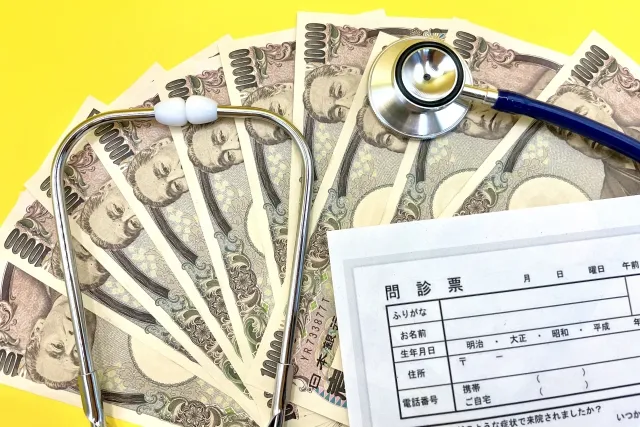
Because Mounjaro is self-pay treatment, you pay the full cost, which ranges from ¥4,400 to ¥15,400 (tax incl.) per pen depending on the dose. Since treatment usually starts at a low dose and is increased step by step, costs right after starting are often lower than the listed prices.
In Japan, Mounjaro is self-pay treatment and is not covered by health insurance (except when you have been diagnosed with type 2 diabetes). In the US market it is said to cost around $1,300 per month, while medical institutions in Japan generally set prices for each dose.
For reference, our clinic’s regular prices as of July 2026 are ¥4,400 (tax incl.) per 2.5 mg pen, ¥6,480 (tax incl.) per 5 mg pen and ¥15,400 (tax incl.) per 7.5 mg pen. Because it is given once weekly, the monthly cost ranges from about ¥17,600 to about ¥61,600 depending on the dose, and since most people start at a low dose and increase it step by step, the cost right after starting treatment is lower. Prices may be revised, so always check the latest information on our official pricing page before signing up.
- Cost per injection: ¥4,400 to ¥15,400 (depending on dose)
- Monthly cost (based on once-weekly use): about ¥17,600 to about ¥61,600
- Annual cost (estimate if the same dose is continued): about ¥230,000 to about ¥800,000
Because it is not covered by health insurance, the cost to patients is high, and evaluating cost-effectiveness is important when continuing long-term treatment.
Evaluating cost-effectiveness
Cost-effectiveness needs to be judged as a whole, including not only drug costs but also future savings in medical costs and improvements in quality of life. It is important to consider the long-term benefits of preventing complications rather than looking only at short-term spending.
Mounjaro’s cost-effectiveness (CE) is evaluated from perspectives such as the following.
- Health economics perspective
By lowering the risk of developing type 2 diabetes and cardiovascular disease due to obesity, it may reduce medical costs in the long term. For example, it has been reported that a 10% reduction in body weight lowers the risk of developing type 2 diabetes by about 30%. - Improvement in QALYs (quality-adjusted life years)
This is an evaluation measure that quantifies improvements in quality of life (QoL) from weight loss. The SURMOUNT-1 trial showed improvements in physical measures such as body weight, blood sugar and blood pressure, and several health economics studies have evaluated such improvements in relation to gains in QALYs. - Cost/benefit estimate
If, hypothetically, an average weight loss of 20 kg were achieved with drug costs of ¥360,000 a year, then taking into account the medical cost savings from reduced cardiovascular risk and lower diabetes treatment costs, the long-term cost-effectiveness could turn positive.
Sources: Jastreboff AM et al., 2022 (SURMOUNT-1 trial); Aronne LJ et al., JAMA. 2024;331(1):38-48. (SURMOUNT-4 trial)
https://doi.org/10.1001/jama.2023.24945
Long-term cost estimate
When estimated over 10 years, even though drug costs look high, the actual burden is somewhat reduced when savings in medical costs from preventing complications are taken into account. However, this estimate is only a simplified model for illustration, and the actual total varies greatly depending on each person’s dose and treatment period.
A simplified model of the 10-year costs of using Mounjaro looks like this. Actual drug costs vary depending on the actual prices by dose introduced in the previous section, so please note that the following are rounded hypothetical figures for illustration only and not an individual estimate.
| Item | Annual cost | 10-year cost |
|---|---|---|
| Drug costs | ¥360,000 | ¥3,600,000 |
| Medical cost savings from preventing diabetes and cardiovascular disease | ¥100,000 | ¥1,000,000 |
| Net cost | ¥260,000 | ¥2,600,000 |
*The Japanese original is authoritative.
In this model, drug costs are high, but when medical cost savings from preventing complications are taken into account, the net cost comes to about ¥2.6 million. In addition, when improvements in quality of life from weight loss are factored in, cost-effectiveness improves further.
However, the following points should be noted.
- Risk of weight regain after stopping the medication
- Variation in weight loss between individuals
- Stopping treatment due to side effects such as gastrointestinal symptoms
Taking these into account, it is recommended to make a treatment plan in consultation with a doctor.
Safety and side effects of Mounjaro
The main side effects are gastrointestinal symptoms such as nausea, diarrhea and constipation, and most are temporary, occurring early in treatment. Starting at a low dose and increasing it step by step makes it easier to continue treatment while keeping the frequency of serious side effects down.
The main side effects of Mounjaro are gastrointestinal symptoms, with nausea, diarrhea and constipation reported. Risks of pancreatitis and thyroid tumors are theoretically considered as serious side effects, but current clinical trials indicate that their incidence is low.
Tips for managing side effects
- Set a low starting dose and increase it gradually
- Adjust what you eat (low-fat meals)
- If side effects appear, talk to your doctor and adjust the dosing interval or dose
Sources: Jastreboff AM et al., 2022 (SURMOUNT-1 trial); Aronne LJ et al., 2024 (SURMOUNT-4 trial)
Points to note when actually starting treatment
When starting Mounjaro, it is important to understand three points in advance: the cost, combining it with lifestyle improvements, and preventing weight regain after stopping. Rather than relying on the medication alone, make your treatment plan on the premise of combining it with diet and exercise.
- Self-pay treatment, so the patient bears the cost
Because it is not covered by health insurance, the cost of long-term use is high, so a decision from a health economics perspective is needed. - Combining it with lifestyle improvements
Combining it with dietary restriction and exercise therapy is recommended; drug treatment alone may not produce enough weight loss. - Need for ongoing weight management
To avoid weight regain after stopping the medication, it is important to make lifestyle improvements stick.
Why people choose medical weight loss (medical diet): how it differs from do-it-yourself dieting and its medical benefits, explained in depth
“I can’t stick to dieting.” “Even when I lose weight,...Not sure if it suits you? Start with a consultation.
A doctor decides whether you can use it and which dose is appropriate, based on your consultation and questionnaire.
No consultation fee (first & follow-up visits)Online consultation available
Summary so far
To sum up what we have covered, Mounjaro is a treatment option with strong weight-loss effects that comes with a correspondingly significant cost. Consider starting it in consultation with a doctor, with an understanding of the balance between effects, cost and safety.
Mounjaro is a new drug that shows greater weight-loss effects in obesity treatment than conventional drugs, and although it is expensive, it may contribute to long-term savings in medical costs and to improved quality of life.
- Weight loss: an average reduction of 16–22%
- Cost: self-pay; about ¥230,000 to ¥800,000 a year depending on dose, as a guide (see the main text for details)
- Long-term cost estimate: a net cost of about ¥2.6 million over 10 years
- Safety: mainly gastrointestinal symptoms; serious side effects are rare
When considering starting it as self-pay treatment, it is important to consult a doctor and use it in a planned way together with lifestyle improvements. Mounjaro can be an effective option that contributes to reducing the risk of obesity-related complications, improving quality of life and reducing medical costs in the long term.
Experiences of Mounjaro users and actual effects
Actual users have reported several health improvements along with weight loss, including better blood pressure and blood sugar control and less strain on the knee joints. However, please note that effects vary from person to person, and the same results do not apply to everyone.
In reports from patients who actually used Mounjaro, there have been several cases of an average weight loss of 20 kg or more over a 72-week treatment period. Especially in people with severe obesity with a BMI of 35 or higher, weight loss has led to lifestyle improvements such as the following.
- Lower blood pressure
- Better blood sugar control (HbA1c reduced by 1–2%)
- Better exercise habits thanks to less knee pain
- Better sleep quality
On the other hand, mild nausea or constipation may occur early on as side effects, but in many cases these can be eased by gradual dose escalation and dietary adjustments. Users’ own self-management is also important, and the motivation to keep up once-weekly injections and a commitment to lifestyle improvement are keys to success.
Long-term cost strategies
Ways to keep costs down include combining treatment with lifestyle improvements, adjusting the dose step by step, and using support programs. Rather than relying entirely on the medication, it is important to look for unnecessary costs at each stage of treatment.
Mounjaro is self-pay treatment and expensive, but the following approaches may help keep costs down.
- Using combination therapy
Combining it with dietary guidance and exercise therapy can reduce the amount of medication needed and also help reduce side effects. - Using patient support programs
In the US, there are discounts and support programs offered by pharmaceutical companies, and similar systems may be considered in Japan when it is introduced. - Phased introduction of the treatment plan
Starting at a low dose and increasing it step by step while checking the speed of weight loss and side effects helps avoid unnecessary costs.
Points for doctors and patients to check
Before starting, it is essential to share with your doctor your current BMI, your risk of complications, your medical history and your plan for lifestyle improvement. Careful judgment is needed especially if you have a history of pancreatitis or thyroid tumors, or if you wish to become pregnant.
When starting Mounjaro, it is important to check the following points with your doctor.
- Current BMI and risk of complications (high blood pressure, dyslipidemia, diabetes, etc.)
- Medical history and interactions with medications you are taking
- Plan for lifestyle improvement (diet and exercise)
- What to do if side effects occur
In particular, careful use is required if you have a history of pancreatitis or thyroid tumors. In addition, use by people wishing to become pregnant or who are breastfeeding should be avoided because its safety has not been established.
About self-pay treatment and off-label use
Q&A: common questions about Mounjaro
We have compiled questions and answers about Mounjaro that we often receive during consultations. Answers may differ depending on your individual symptoms and constitution, so please ask us directly during your consultation about anything that concerns you.
QHow soon does Mounjaro start working?
It varies from person to person, but a 5–10% reduction in body weight is often seen in the first 3 months, and reaching your target weight may be expected in 6–12 months.
QDo I need to exercise or restrict my diet while on the medication?
Yes. Weight loss is maximized when the medication is combined with dietary restriction and aerobic exercise, rather than the medication alone.
QWill my weight come back if I stop?
Weight regain is possible after stopping the medication. It is important to make lifestyle improvements stick.
QHow bad are the side effects?
They are mainly gastrointestinal symptoms such as nausea, diarrhea and constipation, and most are mild to moderate. Serious side effects are rare, but there is a risk of pancreatitis.
QWhat is the difference between Mounjaro and Zepbound, which is covered by health insurance?
The active ingredient (tirzepatide) is the same, but in Japan, Mounjaro is approved as a treatment for type 2 diabetes and Zepbound as a treatment for obesity disease, as separate drugs. Zepbound may be covered as insurance-covered care if you meet the BMI and complication criteria, but our medical weight loss clinic offers self-pay treatment using Mounjaro.
QCan I use it during pregnancy or while breastfeeding?
As a rule, GLP-1/GIP receptor agonists are not given to people who are pregnant, wish to become pregnant or are breastfeeding. If you have decided when you want to become pregnant, consult your doctor in advance about when to stop the medication.
Outlook
Going forward, as insurance coverage expands and patient support systems are developed, it is hoped that more people will be able to receive treatment with less financial burden. At present, treatment is mainly self-pay, so it is important to check the latest cost information each time.
Mounjaro is a new option that may also offer health economic benefits in obesity treatment. In the long term, it may contribute to lower medical costs and better QOL in the following ways.
- Preventing the onset of type 2 diabetes and cardiovascular disease
- Reducing medical costs related to lifestyle-related diseases
- Reducing social costs through improved physical and mental health
If insurance coverage and patient support systems are developed in Japan in the future, it is hoped that more patients with obesity will be able to use Mounjaro safely and affordably.
Summary
While Mounjaro has strong weight-loss effects, it is self-pay treatment and its cost varies greatly by dose, so it is important to assess its cost-effectiveness as a whole. Use it in a planned way, combined with lifestyle improvements, while consulting your doctor on an ongoing basis.
- Through its dual GLP-1/GIP action, Mounjaro shows greater weight loss than conventional drugs
- The annual cost as self-pay treatment is ¥280,000 to ¥380,000, but considering long-term savings in medical costs, its cost-effectiveness is positive
- Side effects are mainly gastrointestinal symptoms and can be managed through dose adjustment and lifestyle improvements
- In the long term, making lifestyle improvements stick is essential, and ongoing follow-up with a doctor is important
- With a phased plan when starting and use of patient support programs, it can be used safely while keeping the financial burden down
Mounjaro is an innovative and strategic drug in obesity treatment, and when doctors and patients work together to use it safely and effectively, it is expected to contribute greatly to preventing lifestyle-related diseases and improving QOL.
References
- Jastreboff AM, et al. Tirzepatide Once Weekly for the Treatment of Obesity. N Engl J Med. 2022;387:205-216. (SURMOUNT-1 trial)
https://www.nejm.org/doi/full/10.1056/NEJMoa2206038 - Aronne LJ, et al. Continued Treatment With Tirzepatide for Maintenance of Weight Reduction in Adults With Obesity: The SURMOUNT-4 Randomized Clinical Trial. JAMA. 2024;331(1):38-48.
https://doi.org/10.1001/jama.2023.24945 - American Diabetes Association. Standards of Care in Diabetes—2023. Diabetes Care. 2023;46(Suppl.1):S1-S196.
https://diabetesjournals.org/care/article/46/Supplement_1/S1/148932/Standards-of-Care-in-Diabetes-2023
Medically reviewed by: Dr. Hiroko Oka (Chair, Medical Corporation Fukubikai / Certified Member, Japanese Society of Internal Medicine)
Who to contact if you have side effects | When to seek care
If you have any of the following symptoms, do not wait and see on your own; contact us. GIP/GLP-1 receptor agonists, including Mounjaro, are known to cause side effects, mainly gastrointestinal symptoms. Most are mild, but serious ones occur in rare cases.
| Symptom | Possible cause | What to do |
|---|---|---|
| Ongoing nausea or vomiting | Gastrointestinal symptoms; the most common side effect | Contact us if you remain unable to keep fluids down |
| Severe abdominal pain (pain that goes through to the back) | Possible acute pancreatitis | Stop the medication immediately and seek medical care |
| Cold sweats, palpitations, intense hunger, or feeling confused or drowsy | Hypoglycemia | Take some sugar right away and contact us |
| Skin rash, difficulty breathing, or swelling of the face or throat | Allergic reaction | Seek medical care immediately |
Contact: 0120-241-929 (9:00–18:00)
If your symptoms are severe outside these hours, please go to your nearest emergency medical facility.
Direct phone numbers for each clinic are listed on the clinic information page.
References
The information about medications in this article is based on the following official sources. For details on dosage, administration and side effects, always check the latest electronic package insert.
Pharmaceuticals and Medical Devices Agency (PMDA): “Mounjaro Subcutaneous Injection Ateos, electronic package insert”
PMDA: “Drug Guide for Patients: Mounjaro Subcutaneous Injection Ateos” (PDF)
Ministry of Health, Labour and Welfare: “Prevention of lifestyle-related diseases”
Using Mounjaro for purposes other than obesity disease is self-pay treatment and is not covered by public health insurance. Effects and side effects vary from person to person.



 Free consultation on LINE
