

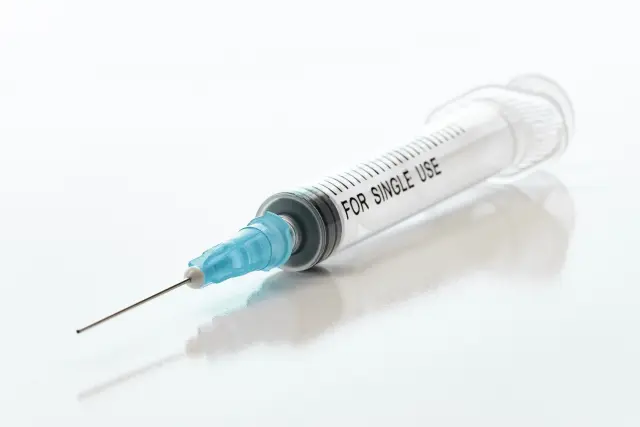
In recent years, as obesity and lifestyle-related diseases have increased, interest in “medical weight loss” has grown. One treatment drawing particular attention is Mounjaro injection (Mounjaro®; generic name tirzepatide). Mounjaro was developed as a diabetes medication, but it not only improves blood sugar levels but also has a strong weight-loss effect, and it is attracting expectations in the field of obesity treatment as well. This article explains in detail how Mounjaro injection works, its effects, its safety, and points to be careful about.
Key points firstBusy? Just read this section
- Mounjaro injection is a treatment drawing attention as the world’s first dual agonist that acts on both GLP-1 and GIP
- In clinical trials, Mounjaro injection showed an average weight loss of 15–20% together with improved blood sugar control
- Mounjaro injection has a strong weight-loss effect, but it is a treatment to be used under a doctor’s supervision with an understanding of the risk of side effects
1. What is Mounjaro injection?
Mounjaro injection is a treatment drawing attention as the world’s first dual agonist acting on both GLP-1 and GIP. Mounjaro injection (Mounjaro®; generic name tirzepatide) is a new once-weekly, self-injected diabetes medication developed by the US pharmaceutical company Eli Lilly. In 2022 it was approved by the US FDA (Food and Drug Administration) as a treatment for type 2 diabetes, and its introduction as a diabetes medication is also progressing in Japan. Today, beyond the field of diabetes, there are also high expectations for its use in obesity disease treatment and medical weight loss.
Background to its development
Until now, most anti-obesity drugs had only one type of action, such as
- “acting on the appetite center” to suppress appetite
- “acting on the digestive tract” to reduce fat absorption
However, obesity is not caused simply by “eating too much.” It is a “chronic disease” that develops from a complex interplay of factors such as blood sugar control, hormone balance and fat metabolism.
Mounjaro was developed with this in mind. Unlike earlier drugs, it is designed to achieve greater effects by stimulating multiple hormone pathways at the same time.
A distinctive action: a “dual incretin agonist”
Mounjaro is the world’s first GIP/GLP-1 receptor agonist (dual incretin agonist). Earlier GLP-1 drugs (such as Ozempic and Rybelsus) were limited to the action of the GLP-1 hormone, but Mounjaro acts on both GLP-1 and GIP. This dual action brings about the following changes in the body:
- Strongly promotes insulin secretion and lowers blood sugar
- Slows gastric emptying and keeps you feeling full longer
- Suppresses appetite
- Improves the metabolism of fat tissue
It has these multiple effects. In other words, it is attracting a great deal of attention as a drug that can serve both diabetes treatment and weight loss.
Why it is drawing attention in medical weight loss
Mounjaro was originally developed to treat diabetes. However, during clinical trials, marked weight loss was seen not only in patients with diabetes but also in patients with obesity without diabetes, so it has also drawn attention as a treatment for obesity disease.
In particular, data have been published showing
- an average reduction of 15–20% in body weight
- effects comparable to obesity surgery (such as gastric bypass)
- both appetite suppression and improved fat metabolism
These results far exceed those of earlier anti-obesity drugs. As a result, it has been featured in the media as a “weight-loss injection,” and more self-pay weight-loss clinics have begun to offer it.
How it compares with other treatments
Earlier diet drugs and health foods were only ever “supplementary.” Mounjaro, by contrast, is a groundbreaking drug that could become a core option for evidence-based treatment of obesity disease.
However, it is strictly “medical treatment carried out under a doctor’s supervision,” and using it on your own judgment is dangerous. Even when the goal is weight loss, a doctor needs to make an appropriate decision based on the eligibility criteria and your health condition.
2. Mechanism of action: the dual action of GLP-1 and GIP
By acting on two hormones, GLP-1 and GIP, at the same time, Mounjaro achieves effects greater than earlier drugs. The biggest feature of Mounjaro injection (tirzepatide) is that, in addition to acting as a GLP-1 receptor agonist, it also works as a GIP receptor agonist. This is called a “dual incretin agonist,” an innovative mechanism not found in earlier diabetes or diet medications.
What are incretins?
Incretins is the general name for digestive hormones secreted from the small intestine. After a meal, they increase insulin secretion. There are two main incretins:
- GLP-1 (glucagon-like peptide-1)
- GIP (glucose-dependent insulinotropic polypeptide)
Earlier diabetes medications acted only on GLP-1, but Mounjaro stimulates both GLP-1 and GIP, so its effects are stronger and longer lasting.
What GLP-1 does
GLP-1 is a hormone secreted from the intestine in response to food. Its main actions are:
- Promotes insulin secretion
When blood sugar rises, it helps the pancreas secrete insulin and lowers blood sugar. - Suppresses glucagon secretion
It prevents high blood sugar by suppressing the secretion of glucagon, a hormone that raises blood sugar. - Delays gastric emptying
It slows the movement of food from the stomach to the small intestine, keeping you feeling full longer. - Suppresses appetite
It acts on the hypothalamus in the brain to reduce hunger, helping to prevent overeating.
For this reason, GLP-1 agonists (such as Ozempic and Rybelsus) are widely used not only for diabetes treatment but also for weight-loss treatment.
What GIP does
GIP is also a hormone secreted from the intestine in response to food, but it used to receive little attention. Recent research has revealed the following actions of GIP, and it is being re-evaluated:
- Enhances insulin secretion
When blood sugar is high, it causes the pancreas to secrete insulin and lowers blood sugar. - Regulates fat metabolism
It acts on fat tissue to improve energy use. It has become clear that GIP is not simply a “hormone that makes you fat”; when stimulated appropriately, it can help burn fat. - Increases fullness
Working together with GLP-1, it creates a state in which “even a small meal feels satisfying.”
The synergy created by the “dual action” of GLP-1 and GIP
By stimulating both GLP-1 and GIP at the same time, Mounjaro produces effects beyond those of earlier drugs.
- Stronger improvement in blood sugar
The double action of GLP-1 and GIP strongly suppresses the rise in blood sugar after meals. - Appetite suppression and lasting fullness
The action of GLP-1 on the brain combines with the improved energy metabolism from GIP, so you naturally eat less. - Weight loss through improved fat metabolism
It is not simply “you lose weight because you eat less”; energy use by fat tissue increases and fat is burned efficiently.
Comparison with other drugs
- GLP-1 agonists (such as Ozempic): weight loss of about 10–15%
- Mounjaro (GLP-1 + GIP): weight loss of 15–20% or more reported
This difference can be said to be the effect of the “dual action.”
3. Effects of Mounjaro injection
In clinical trials, Mounjaro injection showed an average weight loss of 15–20% together with improved blood sugar control. Many clinical trials have shown that Mounjaro injection (tirzepatide) has very strong effects on weight loss and blood sugar control, even compared with earlier diabetes and diet medications. Here we explain what effects can be expected, based on specific research data.
(1) Weight loss: an average reduction of 15–20%
The main reason Mounjaro attracts attention is its strong weight-loss effect, which far exceeds that of earlier drugs.
In the large-scale SURMOUNT-1 clinical trial conducted in the US, Mounjaro was given to patients with obesity who did not have diabetes, with the following results:
- After 68 weeks of treatment, body weight fell by an average of 15–20%
- About 85% of the treatment group lost 5% or more of their body weight
- More than 40% of patients lost 20% or more of their body weight
This figure of “20% weight loss” is comparable to obesity surgery (such as gastric bypass) and can be called groundbreaking for a non-surgical treatment. However, this is only an average from clinical trials. Results vary depending on body type, lifestyle and dose, and not everyone will get the same results.
Looking at posts on social media from people using Mounjaro, some striking comments stand out. One user wrote, “There was not a single day I lost weight from the injection alone. Each day’s effort added up to this one line,” suggesting that the injection only supports your efforts with diet and exercise. Having looked through case reports from several clinics, the author also feels that there are almost no success stories with the drug alone, and that in the vast majority of cases it is discussed together with lifestyle changes.
Another feature is that weight loss tends to be easier to maintain. Earlier diet drugs often meant “you only lose weight while taking them,” whereas Mounjaro acts on fat metabolism itself, so steady weight loss can be expected with continued use. That said, there are reports that appetite tends to return after stopping, so you cannot let your guard down.
(2) Diabetes treatment: lowers HbA1c by 1.5–2.5%
Because Mounjaro was originally developed as a diabetes medication, it is also effective for blood sugar control.
In a series of clinical trials called the SURPASS trials, the following effects were confirmed in patients with type 2 diabetes:
- HbA1c (a measure of average blood sugar) fell by 1.5–2.5%
- Stronger blood sugar improvement than other GLP-1 agonists (e.g., semaglutide)
- Effects equal to or greater than insulin treatment
Improving blood sugar control directly helps prevent complications of diabetes (such as kidney disease, retinopathy and nerve damage), so it has great medical value beyond weight loss.
(3) Reducing the risk of lifestyle-related diseases
Losing weight itself reduces the risk of various lifestyle-related diseases, but Mounjaro also shows direct metabolic improvements.
- Improved high blood pressure: blood pressure falls through weight loss and improved function of the blood vessel lining
- Improved dyslipidemia: lower LDL cholesterol, higher HDL and lower triglycerides
- Improved fatty liver: may improve non-alcoholic fatty liver disease (NAFLD/NASH)
These improvements are also thought to lead to a lower risk of atherosclerotic diseases such as heart attack and stroke.
(4) Better quality of life (QOL)
Weight loss with Mounjaro is not limited to the cosmetic effect of “looking slimmer.”
- Improvement in sleep apnea (breathing becomes easier)
- Less joint pain (weight loss reduces the strain on knees and lower back)
- Moving more easily and being more active in daily life
- Improved sense of satisfaction and self-esteem
These effects greatly improve patients’ QOL (quality of life) and also help maintain health over the long term.
(5) Comparison of effects with other drugs
Based on clinical trial data, the effects compare with other treatments as follows:
- GLP-1 agonists (such as semaglutide): average weight loss 10–15%
- Oral medications (such as Rybelsus): average weight loss 5–10%
- Mounjaro (GLP-1 + GIP agonist): average weight loss 15–20%
- Obesity surgery: weight loss of 20–30%
Mounjaro is valued for having the highest level of effect among non-surgical treatments, while also carrying lower risk than surgery in terms of safety.
4. Side effects and risks
Because Mounjaro injection is so effective, it is essential to understand its side effects, mainly digestive symptoms, and to be supervised by a doctor. Mounjaro injection (tirzepatide) can produce strong effects even compared with earlier GLP-1 receptor agonists, but close attention must be paid to its side effects and risks. Here we summarize the side effects reported in clinical trials and actual clinical practice, and explain key points for using it safely.
On social media you can also see simple questions such as, “They put up a display about the once-weekly diet injection Mounjaro as if it were a good thing, but is it really OK?” (@HIRO_MBK). From the standpoint of a healthcare professional, this feeling is not off the mark. The author believes that the stronger a drug’s effects, the more caution is needed about advertising-style promotion that leaves out explanations of side effects.
(1) Digestive symptoms: the most common side effects
The most commonly reported side effects of Mounjaro injection are digestive symptoms. These are due to actions specific to GLP-1/GIP agonists and tend to appear early in treatment.
- Nausea (in about 20–30% of patients)
- Diarrhea (about 15–20%)
- Constipation (about 10%)
- Vomiting, bloating, loss of appetite
These symptoms are often strongest right after starting treatment or after a dose increase, and in most cases they ease as the body gets used to the drug over time.
Side effects can be reduced by starting with a low dose and increasing it step by step (“gradual dose escalation”) under a doctor’s guidance.
(2) Hypoglycemia: take care when combined with other diabetes medications
When Mounjaro is used alone, the risk of hypoglycemia is considered relatively low.
However, the risk of hypoglycemia increases when it is used together with insulin or sulfonylureas (SU drugs).
Symptoms of hypoglycemia include
- cold sweats
- palpitations
- shaky hands
- strong hunger
- feeling foggy or drowsy
Patients with diabetes in particular need to be careful. It is recommended to monitor your own blood sugar properly and to adjust other medications as needed.
(3) Risk of pancreatitis (acute pancreatitis)
As with GLP-1 agonists, a risk of developing acute pancreatitis has been pointed out for Mounjaro. It is rare, but care is needed because it can lead to serious complications.
Warning signs of pancreatitis:
- Severe pain in the upper abdomen
- Pain spreading to the back
- Repeated nausea or vomiting
If these symptoms appear, you must stop the medication immediately and see a doctor. As a rule, patients who have had pancreatitis in the past should avoid using it.
(4) Gallstones and gallbladder disease
Rapid weight loss is known to make gallstones more likely to form.
Because Mounjaro has a large weight-loss effect, attention must also be paid to the risk of gallstones and cholecystitis.
- Pain in the upper right abdomen
- Jaundice (yellowing of the skin or whites of the eyes)
- Abdominal pain with fever
If you notice these symptoms, a gallbladder-related condition may be suspected, so see a doctor promptly.
(5) Other risks
- Link with medullary thyroid cancer: thyroid tumors have been reported in animal studies. A causal relationship in humans is not clear, but the drug should be avoided if you have a family history of medullary thyroid cancer or multiple endocrine neoplasia (MEN2).
- Allergic reactions: rash and itching have been reported, and rarely anaphylaxis.
- Kidney problems: if severe vomiting or diarrhea continues, dehydration may worsen kidney function, so older adults and patients with kidney disease need to be careful.
(6) Key points for managing side effects
To use Mounjaro safely, the following points are important:
- Start with a low dose and increase it every 4 weeks
→ The standard way to reduce digestive symptoms. - Delay dose increases when side effects are strong
→ Adjust the dosing schedule after consulting your doctor. - Drink plenty of fluids
→ Prevents dehydration from diarrhea or vomiting and reduces the risk of decreased kidney function. - Regular blood tests
→ Regularly check blood sugar, liver function, kidney function, pancreatic enzymes and so on.

Not sure if it suits you? Start with a consultation.
A doctor decides whether you can use it and which dose is appropriate, based on your consultation and questionnaire.
No consultation fee (first & follow-up visits)Online consultation available
5. Eligibility and conditions of use
Mounjaro injection is a medication prescribed at a doctor’s discretion to patients who meet medical eligibility criteria. Mounjaro injection (tirzepatide) is a very effective option for medical weight loss, but it is not a drug that anyone can use. There are eligibility criteria and restrictions on use, and it must be prescribed appropriately after a doctor’s consultation and assessment. Here we summarize the clinically recommended conditions of use.
(1) Who it is suitable for
Mounjaro injection is broadly used for two purposes: diabetes treatment and obesity disease treatment.
■ Diabetes treatment
- Patients with type 2 diabetes
- When adequate blood sugar control is not achieved with diet and exercise or with other oral diabetes medications
- When HbA1c is high and additional treatment is needed
■ Obesity disease treatment (medical weight loss)
- Obesity with a BMI of 30 or higher
- A BMI of 27 or higher with complications such as high blood pressure, dyslipidemia or sleep apnea (the criteria for obesity disease follow the diagnostic criteria of the Japan Society for the Study of Obesity)
- When it is difficult to lose weight through conventional lifestyle changes alone
For patients who meet these conditions, Mounjaro is considered an effective treatment option.
(2) Use in Japan
- Approved as a diabetes medication (officially approved in Japan as of 2023. Please check the latest approval status in information published by the Pharmaceuticals and Medical Devices Agency (PMDA))
- Not approved as an anti-obesity drug → Therefore, use for obesity disease or medical weight loss is self-pay treatment (not covered by health insurance).
Some clinics offer it as part of a “weight-loss clinic” or “obesity treatment plan,” but these are still limited. If it is officially approved in the future, it may become eligible for insurance-covered care.
(3) When it cannot be used (contraindications and precautions)
Because it is a powerful drug, it cannot be used in the following patients:
- Patients with type 1 diabetes
→ Because they are insulin-dependent and it would not be effective. - Women who are pregnant or breastfeeding
→ Use is prohibited because the effects on the fetus or infant are unclear. - Patients who have had pancreatitis in the past
→ Caution is needed because of the risk of recurrence. - Patients with severe liver or kidney disease
→ It affects drug metabolism and excretion, raising the risk of side effects. - Patients with a family history of medullary thyroid cancer or MEN2 (multiple endocrine neoplasia)
→ Animal studies have shown a link with tumors, so it should be avoided in view of the theoretical risk.
(4) Precautions for use
To use Mounjaro appropriately, you need to pay attention to the following points:
- Always see a doctor
→ Eligibility is judged based on BMI, medical history and blood test results. - Start with a low dose and increase gradually
→ Essential for reducing side effects such as nausea and diarrhea. - Combine it with lifestyle changes
→ Strict dieting is not necessary. It helps to build habits such as light stretching. - Watch out for rebound weight gain after stopping
→ When you stop the medication, your appetite may return and you may gain weight again.
→ You need to keep up lifestyle changes such as diet and exercise even after stopping.
(5) Its place in medical weight loss
Compared with earlier “oral diet medications (such as Rybelsus and Sanorex),” Mounjaro has a far stronger weight-loss effect. On the other hand, it can only be prescribed after a doctor’s consultation and tests, and it is not “a slimming drug you can get easily.”
In other words, it is positioned as “full-fledged medical weight loss” carried out under a doctor’s safety management.
6. Comparison with other obesity treatments
Mounjaro is a non-surgical treatment with a greater weight-loss effect than single GLP-1 drugs or oral medications, and lower risk than surgery.
Differences from single GLP-1 drugs
- GLP-1 drugs such as Ozempic: weight loss of about 10–15%
- Mounjaro: weight loss of 15–20% or more
Comparison with oral medications
Oral medications (such as Rybelsus) are convenient, but their effect is somewhat weaker than that of injections.
Comparison with surgical treatment
Weight-loss surgery produces a large reduction in weight, but it is highly invasive and carries a risk of complications. Mounjaro is a strong option as a non-surgical treatment.
7. How it is actually used and precautions
Mounjaro injection is a once-weekly subcutaneous injection, and its effect depends on combining it with lifestyle changes and continuing it over the medium to long term.
- How it is given: once-weekly subcutaneous injection (abdomen or thigh)
- Starting dose: start with a low dose and increase every 4 weeks
- Lifestyle changes are essential: without dietary changes and exercise, sufficient effects cannot be achieved
In addition, continuing treatment over the medium to long term is important to sustain its effect, and care is needed because you may “rebound once you stop the injections.”
Medical weight loss before-and-after cases: real weight-loss results and success stories explained by a doctor
In recent years, obesity and metabolic syndrome have drawn attention not mere...8. Current situation in Japan and outlook
In Japan, Mounjaro is approved as a diabetes medication, and official approval as an anti-obesity drug remains an issue for the future. In Japan, it is currently being introduced as a diabetes medication, and official approval as an anti-obesity drug has yet to come. However, some clinics have already introduced it as self-pay treatment, and it is expected to become more widely used.
Also, because obesity is a risk factor for lifestyle-related and cardiovascular diseases, wider use of Mounjaro is thought to contribute greatly to improving the health of the population as a whole.
About self-pay treatment and off-label use
FAQ
QWhat kind of drug is Mounjaro injection?
Mounjaro injection is a treatment drawing attention as the world’s first dual agonist acting on both GLP-1 and GIP.
By acting on two hormones, GLP-1 and GIP, at the same time, Mounjaro achieves effects greater than earlier drugs.
QIs the weight-loss effect of Mounjaro injection the same for everyone?
In clinical trials, Mounjaro injection showed an average weight loss of 15–20% together with improved blood sugar control.
However, this is only an average from clinical trials.
Results vary depending on body type, lifestyle and dose, and not everyone will get the same results.
QWhat are the main side effects of Mounjaro injection?
Because Mounjaro injection is so effective, it is essential to understand its side effects, mainly digestive symptoms, and to be supervised by a doctor.
QIs Mounjaro injection covered by health insurance for obesity treatment in Japan?
In Japan, Mounjaro is approved as a diabetes medication, and official approval as an anti-obesity drug remains an issue for the future.
When Mounjaro is used for purposes other than obesity disease, it is self-pay treatment and is not covered by public health insurance.
Summary
Mounjaro injection has a strong weight-loss effect, but it is a treatment to be used under a doctor’s supervision with an understanding of the risk of side effects. Mounjaro injection is an innovative treatment that, through the dual action of GLP-1 and GIP, brings weight loss beyond that of earlier drugs.
However, behind its strong effect are risks of side effects, and not everyone can use it. It is important to always use it safely under a doctor’s guidance and to combine it with lifestyle changes such as diet and exercise.
For people considering medical weight loss, Mounjaro injection is one strong option. The key to success is understanding that it is not a “magic drug” but “a long-term treatment you undertake together with your doctor.”
Medically reviewed by Dr. Hiroko Oka (Chair, Fukubikai Medical Corporation / Certified Member, Japanese Society of Internal Medicine)
Who to contact if you have side effects | When to see a doctor
If you have any of the following symptoms, please contact us rather than waiting to see what happens on your own. GIP/GLP-1 receptor agonists, including Mounjaro, are known to cause side effects, mainly digestive symptoms. Most are mild, but rarely they can be serious.
| Symptoms | Possible cause | What to do |
|---|---|---|
| Ongoing nausea or vomiting | Digestive symptoms. The most common side effect | Please contact us if you continue to be unable to keep fluids down |
| Severe abdominal pain (pain going through to the back) | Suspected acute pancreatitis | Stop the medication immediately and see a doctor |
| Cold sweats, palpitations, strong hunger, feeling confused or foggy | Hypoglycemia | Take some sugar right away and contact us |
| Skin rash, difficulty breathing, swelling of the face or throat | Allergic reaction | See a doctor immediately |
Contact: 0120-241-929 (9:00–18:00)
If your symptoms are severe outside these hours, please go to your nearest emergency medical facility.
Direct phone numbers for each clinic are listed on the clinic information page.
References
The information about medicines in this article is based on the following official sources. For details on dosage and administration and side effects, please always check the latest electronic package insert.
Pharmaceuticals and Medical Devices Agency (PMDA), “Mounjaro Subcutaneous Injection Ateos: electronic package insert”
PMDA, “Drug Guide for Patients: Mounjaro Subcutaneous Injection Ateos” (PDF)
Ministry of Health, Labour and Welfare, “Prevention of lifestyle-related diseases”
When Mounjaro is used for purposes other than obesity disease, it is self-pay treatment and is not covered by public health insurance. Results and side effects vary from person to person.




 Free consultation on LINE
