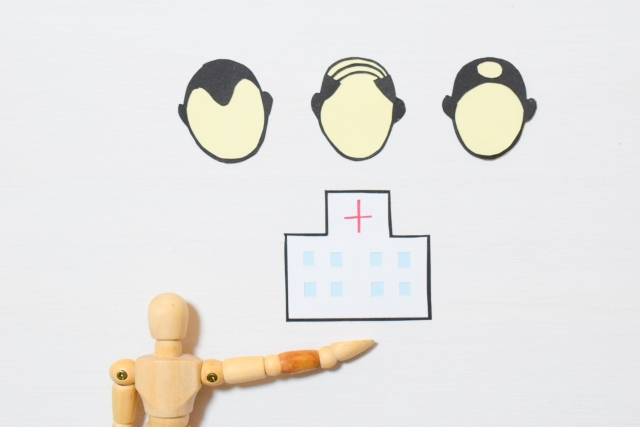
“My hairline keeps receding further and further…” “Every time I look in the mirror, the M-shape on my forehead bothers me.” Many men share these concerns. M-shaped hair loss is one of the typical symptoms of AGA (androgenetic alopecia). Because it is progressive, leaving it untreated makes improvement difficult.
In recent years, however, there have been numerous reported success cases thanks to a variety of methods—from medical approaches and lifestyle adjustments to surgical options like hair transplants.
In this article, we will introduce 10 actual cases of men who overcame M-shaped hair loss, explaining which treatments and efforts worked best for each. Use these examples as a reference to find the method most suitable for you.
Case Study 1: Improvement Through Oral Medication (Detailed)
A man in his 30s
This man first noticed his receding hairline in his late 20s, but he assumed it was “just temporary shedding from stress.” However, by the time he turned 30, the M-shape had become obvious, and it was no longer possible to hide with his hairstyle. He visited a specialist clinic and began finasteride oral treatment.
Progress
- 3 months later: Hair shedding decreased. He noticed fewer hairs in the shower and sink.
- 6 months later: The recession stopped and new baby hairs began appearing. Though still thin, the reassurance of halted progression gave him relief.
- 12 months later: The new hairs thickened, making hairstyling easier. Colleagues even noticed the difference, saying “Did your hair increase?”
Mechanism of Oral Medication
One cause of M-shaped hair loss is the conversion of testosterone into DHT (dihydrotestosterone) by the enzyme 5-alpha-reductase.
DHT binds to receptors in the hair follicle, shortening the growth cycle and miniaturizing the hairs until they stop growing altogether.
Finasteride and dutasteride inhibit the activity of 5-alpha-reductase, suppressing DHT production and preventing hair loss.
Difference Between Finasteride and Dutasteride
- Finasteride: Works primarily on type II 5-alpha-reductase, effective in halting progression.
- Dutasteride: Inhibits both type I and type II, providing a broader effect.
Points of Caution
Continuous use is necessary—stopping treatment can lead to relapse within months.
Side effects such as decreased libido and erectile dysfunction have been reported in some cases.
Women, particularly pregnant women, must not handle the medication.
Case Study 2: Combining Oral and Topical Medication
A man in his 40s
This man noticed his receding hairline in his mid-30s but delayed treatment due to a busy work life. By his 40s, his M-shape had deepened significantly, and even his family pointed it out. On visiting a clinic, he was prescribed dutasteride oral medication plus topical minoxidil.
Progress
- 1–2 months later: Hair loss slowed. He experienced “initial shedding,” a common side effect of minoxidil, but continued as advised.
- 4 months later: Baby hairs appeared at the hairline. Hair shedding reduced significantly.
- 6 months later: Hairs thickened, naturally covering the forehead. His family told him he looked younger, boosting his confidence.
Mechanism of Minoxidil
Minoxidil dilates blood vessels, improving scalp microcirculation and increasing nutrient supply to the follicles. It also helps shift hairs from the resting phase to the growth phase, promoting new hair.
Synergistic Effect of Oral + Topical Treatment
- Oral meds (finasteride/dutasteride): Stop hair loss by suppressing DHT.
- Topical minoxidil: Promotes new growth through blood flow improvement.
Together, they stop progression while stimulating regrowth—an offensive and defensive strategy especially effective for men in their 40s or beyond.
Side Effects and Cautions
- Scalp itching, redness, or irritation.
- Temporary initial shedding.
Rare systemic effects such as palpitations or dizziness, especially with higher concentrations.
Always use under medical supervision, as stronger formulations may be available at clinics compared to over-the-counter options.
Case Study 3: Dramatic Results Through Hair Transplant
A man in his 50s
This man had gradually lost his hairline since his mid-40s. By age 50, most of his frontal hair was gone. Oral and topical medications slowed thinning but failed to bring visible regrowth. Finally, he opted for FUE hair transplantation.
Procedure Flow
- Donor harvesting: Around 2,500 grafts were taken from the back of the head, an area resistant to AGA.
- Graft preparation: Follicular units were separated and prepared under a microscope.
- Design: A natural, irregular hairline was designed for realism.
- Implantation: Follicles were carefully inserted into tiny incisions. The procedure took around 6 hours, same-day discharge.
Postoperative Course
- 1 month later: Temporary shedding (“shock loss”) occurred but was explained as normal.
- 3–4 months later: New hairs began sprouting.
- 6 months later: Noticeably thicker hair allowed natural hairstyling.
- 12 months later: Hairline stabilized, filling the M-shape completely. Coworkers commented he looked rejuvenated.
Merits
- Permanent results since transplanted hairs resist DHT.
- Natural look using one’s own hair.
- Effective even in advanced cases.
Demerits
- Takes 6–12 months for full results.
- High cost, often several thousand dollars.
- Surgical risks such as swelling or scarring.
- Remaining native hair is still vulnerable, so oral medication is recommended long-term.
Case Study 4: Lifestyle Improvements
A man in his 20s
This young man noticed early recession but also had irregular habits—fast food diet, lack of sleep, stress. Alongside finasteride, he made comprehensive lifestyle changes:
- Nutrition: Added protein (chicken, fish, beans), zinc (oysters, nuts), vitamin B (vegetables).
- Sleep: Kept consistent bedtime, sleeping during peak growth hormone hours (10pm–2am).
- Stress: Practiced jogging, meditation, and relaxation apps.
Progress
- 3 months: Less shedding, scalp improved.
- 6 months: Baby hairs visible, overall density improved.
- 12 months: Stronger hair quality, noticeable volume, positive comments from others.
Case Study 5: Improvement Through Quitting Smoking
A man in his late 30s
A heavy smoker (1 pack/day for 10+ years) began finasteride but saw limited results. His doctor warned that smoking reduces scalp blood flow and interferes with treatment, so he quit.
Changes After Quitting
- 1 month: Sleep quality improved.
- 3 months: Skin and scalp healthier.
- 6 months: New hairs appeared.
- 12 months: Hair thickened, easier styling.
Why Smoking Harms Hair
- Nicotine constricts blood vessels, reducing nutrient supply.
- Carbon monoxide lowers oxygen delivery in the blood.
- Hormonal impacts accelerate AGA progression.
Benefits of Quitting
- Improved scalp circulation.
- Normalized oxygen delivery.
- Overall health improvements (skin, stamina, vascular health).
Case Study 6: Stress Care
A man in his 40s
As a busy manager, this man suffered extreme stress, leading to rapid shedding. A doctor diagnosed stress-induced autonomic imbalance worsening his AGA. He combined AGA treatment with psychiatric counseling and relaxation techniques.
Measures Taken
- Counseling (cognitive behavioral therapy).
- Relaxation: daily meditation, stretching, aromatherapy.
- Exercise: walking, light strength training.
Results
- 3 months: Better sleep, reduced shedding.
- 6 months: Scalp condition improved, baby hairs appeared.
- 12 months: Denser hair, youthful appearance regained.
Why Stress Worsens AGA
- Stress → sympathetic dominance → scalp blood flow reduction.
- Cortisol increases, disrupting hormones and accelerating AGA.
- Associated insomnia and poor diet disturb hair cycles.
Case Study 7: Supplement Use
A man in his 30s
On medication but with limited progress, blood tests showed deficiencies in zinc and biotin. He added supplements.
Supplements Taken
- Biotin: Supports keratin synthesis.
- L-lysine: Boosts protein production, may enhance minoxidil effect.
- Zinc: Stimulates follicle activity.
- Vitamin D, iron: Added if deficient.
Progress
- 3 months: Better skin and nails, less shedding.
- 6 months: New hairs in M-zone, volume improved.
- 12 months: Faster growth, thicker hair.
Key Point
Supplements alone don’t cure AGA, but correcting deficiencies enhances treatment effectiveness.
Case Study 8: Advanced PRP Therapy
A man in his late 30s
Despite medication, his improvement plateaued. He tried PRP therapy.
What is PRP?
PRP (platelet-rich plasma) is extracted from the patient’s own blood using a centrifuge. Platelets contain growth factors (PDGF, VEGF, TGF-β) that stimulate follicle activity and repair.
Procedure
- Blood draw (10–20ml).
- Centrifuge separation.
- Injection into scalp at M-zone.
- 30–60 minutes, outpatient.
Results
- 1 month: Stronger hair texture.
- 3 months: New baby hairs visible.
- 6 months: Faster regrowth compared to medication alone.
- 12 months: Hairline filled naturally, rejuvenated appearance.
Pros
- Safe (uses own blood).
- Works well with other treatments.
- Short downtime.
Cons
- Effect varies by individual.
- Requires several sessions.
- High cost, not covered by insurance.
Case Study 9: Early Intervention in Youth
A man in his early 20s
This young man noticed early hairline thinning, with a family history of AGA. He acted quickly, visiting a clinic.
Treatment
- Finasteride oral medication.
- Low-dose topical minoxidil.
- Nutrition and lifestyle advice.
Results
- 3 months: Less shedding.
- 6 months: Baby hairs appeared, progression stopped.
- 12 months: Thickened hairs, friends noticed improvement.
Benefits of Early Action
- Treatment works better while follicles remain alive.
- Prevents severe progression, may avoid future transplants.
- Reduces psychological stress early.
Case Study 10: Comprehensive Approach
A man in his 50s
After years of limited progress, he combined multiple therapies:
- Dutasteride (oral) to stop progression.
- High-concentration minoxidil (topical) to stimulate growth.
- Lifestyle changes: diet, no smoking, exercise, sleep.
- FUE hair transplant with 2,000 grafts.
Results
- 3 months: Less shedding, healthier existing hair.
- 6 months: Transplanted hairs sprouted.
- 12 months: Hairline restored, major rejuvenation.
- 18 months: Stable results, maintained with medication.
Strength of Combination
- Synergistic effects.
- Reduced risk of relying on one method.
- Dramatic cosmetic improvement, especially in older men.
Cautions
- Very costly (can reach tens of thousands).
- Lifestyle improvement must be continuous.
- Ongoing medication required for native hairs.
Conclusion: M-Shaped Hair Loss Can Be Overcome
Many men assume M-shaped hair loss is inevitable due to genetics and hormones. But as shown in these 10 case studies, combining medical approaches with lifestyle improvements makes real success possible.
The key is early detection and choosing the right treatment tailored to the individual. With proper care under medical supervision, overcoming M-shaped hair loss and regaining confidence is absolutely achievable.