この記事の概要
Hair transplant surgery is an effective treatment for people suffering from thinning or hair loss, but proper knowledge and preparation before and after the procedure can greatly affect the success of the treatment. Patient education programs are essential to ensure that patients understand the entire process of hair transplant surgery and take appropriate care of their hair. This article details the importance and specifics of patient education programs.
The Importance of Patient Education Programs
1. Understanding the surgery and managing expectations
It is important that patients have a correct understanding of the surgical process and outcomes.
Understand the process: Providing detailed information about the exact steps of the procedure, how long it will take, and pain management will help patients feel at ease.
Manage Expectations: Realistic expectations are key to ensuring patient satisfaction. Provide accurate information about post-operative results and recovery time to prevent inflated expectations.
2. The Importance of Preoperative Preparation and Postoperative Care
Pre-operative preparation and post-operative care are directly related to the success of your surgery and your recovery.
Pre-op preparation: You will be instructed on the preparations you need to make before your surgery (e.g. taking medications and adjusting your lifestyle).
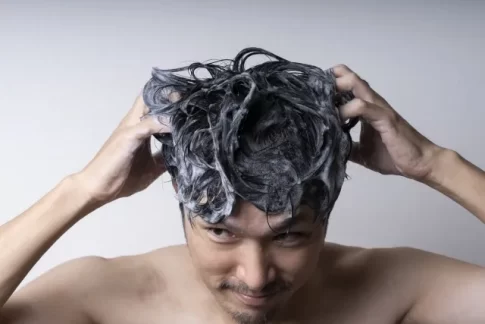
Post-operative care: We will provide instructions on proper post-operative care (how to wash your hair, moisturize, protect against UV rays, etc.) and support your recovery.
3. Understanding complications and risks
Any surgery comes with risks and potential complications, and it is important that patients understand these so they can manage them appropriately.
Explain the risks: We will explain the risks of infection, bleeding, swelling, etc. and instruct you on what to do if they occur.
Troubleshooting: We will instruct you on how to respond if an abnormality occurs and how to contact a doctor.
Specific contents of the patient education program
1. Counseling and initial explanation
During the initial consultation, we listen in detail to the patient’s concerns and wishes and evaluate their suitability for surgery.
Detailed interview: We discuss the patient’s hair loss condition, family history, lifestyle habits, etc. in detail.
Scalp Exam: An exam will be performed to evaluate the condition of your scalp and the health of your hair.
Explanation of surgery: This will explain in detail how the surgery will be performed, the expected results, and any risks.
2. Pre-surgery preparation
Preparation before surgery is crucial to the success of the surgery.
Lifestyle Adjustments: It is recommended that you refrain from smoking and consuming alcohol for several weeks before your surgery.
Medication: If necessary, you may be given certain medications before surgery. Follow your doctor’s instructions.
3. Procedures on the day of surgery
By understanding the specific procedures that will be followed on the day of surgery, patients can approach the procedure with peace of mind.
Arrival time and preparation for surgery: We will explain your arrival time and what to prepare for on the day of your surgery.
Surgery Procedure: This will detail the exact steps of the surgery, how long it will take, and the anesthesia that will be used.
Post-operative instructions: We will explain how to care for your body and what to watch out for immediately after surgery.
4. Postoperative care and follow-up
Post-operative care is crucial to the success of your surgery and your recovery.
Hair washing and scalp care: You will be instructed on proper hair washing and scalp care after surgery.
Medication: You will be given instructions on how to take any medications you may need after surgery (antibiotics, painkillers, etc.).
Follow-up: Regular appointments and follow-ups will be scheduled to monitor your recovery.
5. Long-term hair care
Long-term hair care after surgery is also important.
Healthy lifestyle: Maintaining a healthy lifestyle, including a balanced diet, moderate exercise, and stress management, is important.
Regular check-ups: You will have regular check-ups to monitor your progress over time.
How to deliver patient education programs
1. Face-to-face counselling
Face-to-face counselling is a method of providing detailed information through direct communication with the patient.
Initial Consultation: During the initial consultation, we evaluate the patient’s condition and determine whether they are suitable for surgery.
Regular follow-up: Regular follow-up counseling will be provided to monitor your recovery and provide appropriate care.
2. Online Resources
By utilizing online resources, patients can access the information they need at any time.
Website: Your clinic will have a website with information about your surgery, care instructions, and frequently asked questions.
Online Videos: Videos on surgical procedures and post-operative care are provided to enhance visual understanding.
3. Printed materials and brochures
Providing printed materials and brochures keeps the information at hand for patients.
Brochure: We will provide you with a brochure outlining care instructions and precautions before and after surgery.
Checklist: Provides a checklist of the items you need to prepare before surgery and the items you need to take care of after surgery, helping you remember to do them.
Summary
A patient education program is essential to the success of hair transplant surgery. Patients can maximize their success by having a proper understanding of the surgical process, risks, and expected outcomes, and by practicing proper preoperative preparation and postoperative care. Providing comprehensive patient education through face-to-face consultations, online resources, and printed materials will help them feel more comfortable undergoing the procedure and be satisfied with the results.
岡 博史
(おか ひろし)
医師・医学博士 /
ヒロクリニック統括院長
YouTubeチャンネルなどを通じて、遺伝子やNIPT(新型出生前診断)についてわかりやすく発信しています。
略歴
-
1996年
慶應義塾大学医学部 卒業
-
2004年
慶應義塾大学 医学博士号 取得
-
2005年
慶應義塾大学 皮膚科学教室 助手
-
2008年
ヒロ皮フ形成クリニック 開業
-
2009年
医療法人社団福美会 理事長
-
2015年
医療法人社団福美会 理事
資格・所属
- CAPラボディレクター
- 日本皮膚科学会 皮膚科専門医
- 日本医師会 産業医
- 東京衛生検査所 指導監督医
この記事は、ヒロクリニック植毛の編集・監修体制にもとづき、資格を持つ医師が内容を確認しています。