この記事の概要
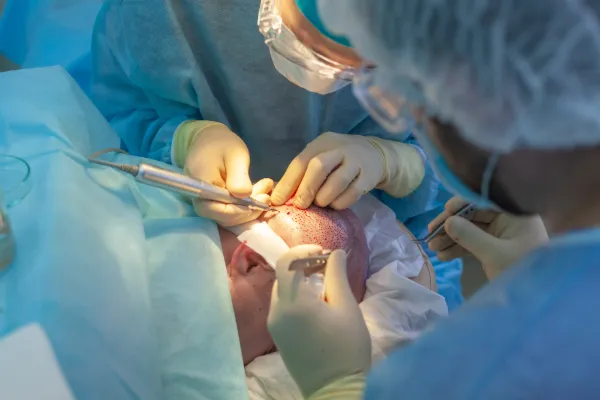
Hair transplant surgery is an effective treatment for many people suffering from thinning or hair loss, but medical standards and regulations in different countries differ. It is important to understand the differences in medical standards in each country in order to receive safe, high-quality treatment based on international standards. This article details the differences in medical standards and regulations for hair transplant surgery in major countries.
Medical standards and regulations of each country
1. United States
The United States has highly advanced medical technology, including cosmetic surgery, and has high standards for hair transplant surgery.
FDA (Food and Drug Administration): Any medical device or drug used in hair transplant procedures must be approved by the FDA, which ensures their safety and effectiveness.
ABHRS (American Board of Hair Transplant Surgery) certifies the qualifications of hair transplant specialists, and doctors who are ABHRS-certified are considered to have high levels of skill and experience.
2. Europe
In Europe, medical standards vary from country to country, but there are also uniform regulations across the EU.
CE Mark: Medical devices used in EU member states must be CE marked, which ensures the safety and quality of the device.
ISHRS (International Society of Hair Transplant Surgeons): Active in Europe, ISHRS requires member physicians to maintain continuing education and high technical standards.
3. Türkiye
Turkey is known as a major hub for hair transplant surgery and is a thriving medical tourism destination.
JCI (Joint Commission on Accreditation of Healthcare Organizations International): Many clinics in Turkey are JCI accredited and meet international medical standards.
Affordable Cost: The cost of surgery is relatively low in Turkey compared to other countries and high quality services are provided.
4. South Korea
South Korea has highly advanced cosmetic surgery technology and hair transplant surgery is also performed to a high standard.
KFDA (Korea Food and Drug Administration): Any equipment or drugs used in hair transplant procedures must be approved by the KFDA.
Advanced technology and equipment: Korean clinics are equipped with the latest technology and equipment and boast high success rates.
5. Japan
In Japan, great importance is placed on the safety and quality of medical care.
Ministry of Health, Labor and Welfare: Medical devices and drugs used in hair transplant surgery must be approved by the Ministry of Health, Labor and Welfare.
Japanese Society of Aesthetic Plastic Surgery (JSAPS): This society certifies the professional qualifications of cosmetic surgeons, and requires high technical standards in hair transplant surgery.
Medical Tourism and Safety
1. Benefits of medical tourism
There are several benefits to undergoing hair transplant surgery in another country through medical tourism .
Reduced costs: In some countries, the cost of hair transplant surgery is relatively low, which helps reduce the cost.
High-quality medical services: Some countries, such as Turkey and South Korea, offer high-quality medical services.
2. Risks of medical tourism
However, medical tourism also carries risks.
Language Barriers: Language differences can make it difficult to communicate with your doctor.
Aftercare issues: Follow-up after surgery may not be adequate.
Ensure safety: In some countries, medical standards can be unclear, so choosing a reputable clinic is important.
Things to note when undergoing hair transplant surgery
1. Selection of certified clinics
When undergoing hair transplant surgery, it is important to choose a certified and trustworthy clinic.
Qualifications and Accreditations: Check whether the clinic and doctor are internationally accredited, for example, choose a doctor who is JCI accredited or an ISHRS member to be reassured.
Reviews and reputation: It is also important to check the reviews and reputation of patients who have actually undergone the procedure.
2. Pre-examination counseling
Thorough counseling beforehand will help you understand the surgical process, expected results, and risks.
Explanation of surgery: Your doctor will explain the details of the procedure, the risks, and the expected results.
Prepare questions: Make a list of your doubts and concerns in advance and ask them during the consultation.
3. Postoperative follow-up
Follow-up after surgery is important. Ensuring proper post-operative care and regular check-ups will ensure the success of your treatment.
Follow-up Plan: Review your follow-up plan after surgery to understand the schedule for any care or appointments you may need.
Emergency response: Confirm in advance how to contact and respond if an emergency occurs.
Summary
When undergoing hair transplant surgery, it is important to understand the differences in medical standards and regulations in each country and choose a trustworthy clinic and doctor. Even if you are using medical tourism, you can have the surgery with peace of mind by choosing an accredited clinic and ensuring pre-surgery counseling and post-surgery follow-up. Be sure to gather enough information and make preparations to receive high-quality treatment based on international standards.
岡 博史
(おか ひろし)
医師・医学博士 /
ヒロクリニック統括院長
YouTubeチャンネルなどを通じて、遺伝子やNIPT(新型出生前診断)についてわかりやすく発信しています。
略歴
-
1996年
慶應義塾大学医学部 卒業
-
2004年
慶應義塾大学 医学博士号 取得
-
2005年
慶應義塾大学 皮膚科学教室 助手
-
2008年
ヒロ皮フ形成クリニック 開業
-
2009年
医療法人社団福美会 理事長
-
2015年
医療法人社団福美会 理事
資格・所属
- CAPラボディレクター
- 日本皮膚科学会 皮膚科専門医
- 日本医師会 産業医
- 東京衛生検査所 指導監督医
この記事は、ヒロクリニック植毛の編集・監修体制にもとづき、資格を持つ医師が内容を確認しています。