この記事の概要
Hair transplant surgery is an effective treatment for many people suffering from thinning or hair loss, but postoperative immune system management plays an important role in treatment success and recovery. Strengthening the immune system and proper health management can decrease the risk of infection and promote early recovery. This article will discuss immune system health management after hair transplant surgery in detail.
The role of the immune system
The immune system plays a vital role in protecting the body from pathogens and foreign bodies, and after hair transplant surgery , a properly functioning immune system is required to support the healing of the scalp and the establishment of transplanted hair .
Preventing infection: After surgery, wounds and the scalp are at high risk of infection, so your immune system helps protect you from infection.
Controlling inflammation: The immune system plays a role in properly regulating the inflammatory response after surgery and reducing excess inflammation.
Promotes healing: The immune system is important in promoting wound healing and helping transplanted hair take hold .
Strengthening your immune system and maintaining your health after surgery
1. Nutrition
Proper nutrition is important to maintain immune system function and promote recovery.
Vitamin C: Vitamin C strengthens the immune system and helps fight infections. It is found in abundance in citrus fruits, strawberries, kiwi and bell peppers.
Vitamin E: Vitamin E is an antioxidant that supports immune function and is found in nuts, seeds, spinach and avocados.
Zinc: Zinc is important for immune cell production and function. It can be found in meat, seafood, legumes and nuts.
Probiotics: Consume yogurt and fermented foods that contain probiotics to balance your gut flora and strengthen your immune system.
2. Moderate exercise
Regular exercise can help boost your immune system and maintain your overall health.
Aerobic exercise: Do aerobic exercise such as walking, jogging or cycling 3 to 5 times a week.
Stretching: Gentle stretching can help improve circulation and relaxation.
3. Sleep and rest
Adequate sleep and rest are essential for restoring and strengthening your immune system.
Quality Sleep: Ensure 7-8 hours of quality sleep per night. Create a relaxing environment and reduce screen time before bedtime.
Adequate rest: After surgery, it is important to get adequate rest and allow your body to rest properly. Avoid excessive activity and focus on recovery.
4. Stress management
Stress has a negative effect on the immune system, so proper stress management is necessary.
Mindfulness: Implement mindfulness meditation and deep breathing techniques to reduce stress.
Hobbies and relaxation: Set aside time for hobbies and relaxation to help relax your mind and body.
Postoperative infection prevention and care
1. Maintaining cleanliness after surgery
Maintaining cleanliness after surgery is important to prevent infection.
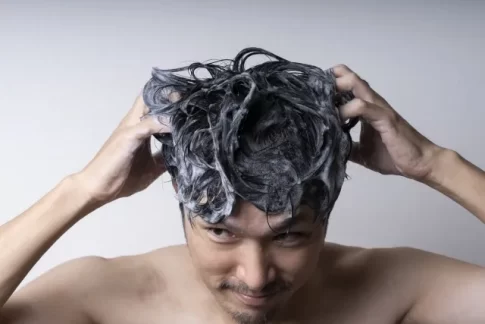
Proper Hair Washing: Wash your hair at the appropriate time after surgery as instructed by your doctor. Generally, you can gently wash your hair from the third day after surgery.
Clean hands: Wash your hands thoroughly before touching your scalp. Use clean towels and pillowcases.
2. Follow your doctor’s instructions
Be sure to follow your doctor’s instructions for post-operative care.
Take medications: Take any antibiotics or anti-inflammatory medications prescribed by your doctor appropriately.
Follow-up: Regular follow-up appointments will be held to monitor your recovery.
3. Early detection of abnormalities
If any abnormalities occur, it is important to consult a doctor as soon as possible.
Increased redness or swelling: If any post-operative redness or swelling increases more than usual, consult your doctor immediately.
Pain or heat: If you experience severe pain or heat, report this to your doctor so that appropriate measures can be taken.
Natural and complementary therapies
1. Herbs and supplements
Some herbs and supplements can help boost your immune system.
Echinacea: An herb that supports immune function, helping to prevent colds and infections.
Astragalus: An herb that strengthens the immune system and supports overall health.
2. Aromatherapy
Aromatherapy can help promote relaxation and strengthen immune function.
Lavender oil: Has a relaxing effect and helps reduce stress.
Tea Tree Oil: Has antibacterial properties and helps prevent infection.
Summary
Managing your immune system after hair transplant surgery is important to promote a successful treatment and recovery. Proper nutrition, moderate exercise, adequate sleep and rest, and stress management can strengthen your immune system and reduce the risk of infection. Maintaining good hygiene, following your doctor’s instructions, and spotting any abnormalities early are also important. Using natural and complementary therapies can help support your immune system and promote a healthy recovery.
岡 博史
(おか ひろし)
医師・医学博士 /
ヒロクリニック統括院長
YouTubeチャンネルなどを通じて、遺伝子やNIPT(新型出生前診断)についてわかりやすく発信しています。
略歴
-
1996年
慶應義塾大学医学部 卒業
-
2004年
慶應義塾大学 医学博士号 取得
-
2005年
慶應義塾大学 皮膚科学教室 助手
-
2008年
ヒロ皮フ形成クリニック 開業
-
2009年
医療法人社団福美会 理事長
-
2015年
医療法人社団福美会 理事
資格・所属
- CAPラボディレクター
- 日本皮膚科学会 皮膚科専門医
- 日本医師会 産業医
- 東京衛生検査所 指導監督医
この記事は、ヒロクリニック植毛の編集・監修体制にもとづき、資格を持つ医師が内容を確認しています。