Hair Transplants and Smart Technology: How to Use the Latest Devices
How to use smart technology
Smart technology refers to the use of IT technology to improve medical technology. Here are some examples:
Robot Assisted Hair Transplant System
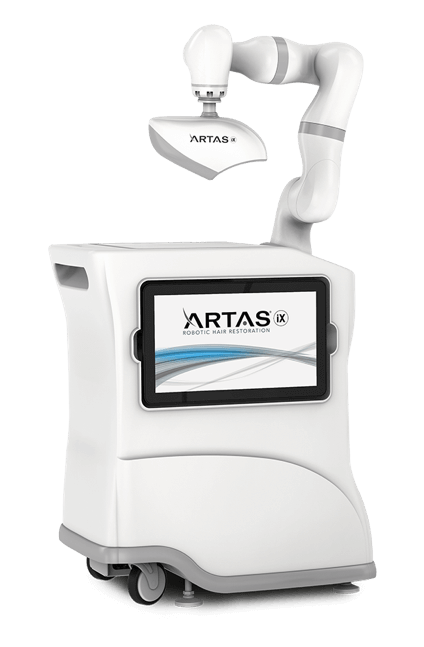
The robot-assisted hair transplant system is a device for precise collection and transplantation of hair follicles . Representative systems include the following: ARTAS system: Uses a high-precision robotic arm to automatically collect hair follicles and support transplantation. Benefits : High accuracy and efficiency, shorter surgery time, and reduced burden on patients.
How it works: A doctor operates the robot to collect and transplant hair follicles within a pre-programmed area . However, the accuracy is not good. It is obviously better done by a human. The disadvantage of doing it by a human is that it depends on the skill of the surgeon.
Smart Cameras and AI Analytics
The smart camera and AI analysis are technologies that allow for detailed analysis of the scalp condition and create an optimal hair transplant plan.
Scalp Scanning Camera: Scans the scalp with a high-resolution camera to assess hair density and health. Benefits: Detailed scalp analysis, personalized treatment plan. How it works: Doctors use the camera to scan the scalp, and AI analyzes the data to recommend the best treatment plan.
Laser Therapy Devices
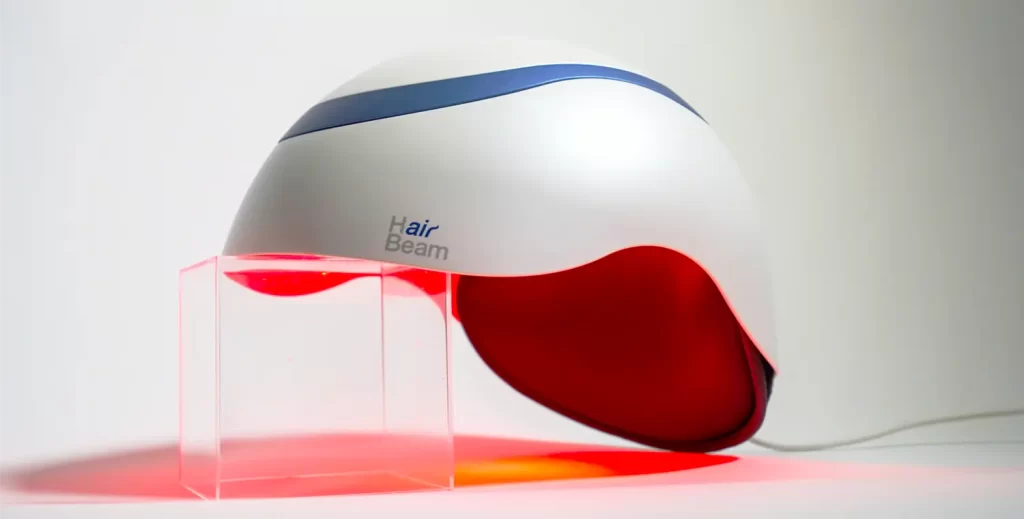
Low Level Laser Therapy (LLLT) devices are used to promote hair root growth and improve hair health. Laser Cap: A device that delivers a low-power laser to the scalp. Benefits: Promotes hair growth, improves hair root health, non-invasive. How to use: Can be used at home, the cap is placed on the scalp for the specified time.
Smart cameras and AI analysis create personalized treatment plans for each patient, tailored to their scalp condition. This ensures optimal treatment and maximizes treatment effectiveness. Detailed analysis: AI analyzes data collected by the scalp scanning camera and provides specific treatment plans. Customized care: Care is provided that is tailored to the needs of each individual patient.
Non-invasive care
Laser therapy devices promote hair growth and improve scalp health in a non-invasive way, which can reduce the risks of surgery and shorten recovery periods. Low Risk: Laser therapy is non-invasive and has a low risk of side effects. Easy to use: Easy to use at home for ongoing care.
Actual use cases and effects
Case Study 1: Robot-Assisted Hair Transplant
Mr. A , a man in his 30s who was suffering from M-shaped thinning hair , underwent robot-assisted hair transplant surgery using the ARTAS system . The surgery time was shortened, and postoperative recovery was smooth, with his natural-looking hair restored six months later.
Case Study 2: Smart Cameras and AI Analytics
Ms. B, a woman in her 40s who was suffering from diffuse alopecia, underwent a detailed scalp analysis using a scalp scanning camera and AI analysis. A personalized treatment plan based on the AI analysis was implemented, and after three months, hair growth was promoted and hair volume increased.
Result: Personalized treatment based on detailed scalp analysis results in significantly improved hair growth.
Treatment duration: With continued care, results will be seen within 3 months.
Case Study 3: Laser Therapy Devices
Mr. C, a man in his 50s who was suffering from stress-related hair loss, was treated with a low-power laser cap. After 20 minutes of use, three times a week, he saw increased hair growth and improved scalp health after six months. Results : Non-invasive laser treatment promotes hair growth. Duration of use: Significant results seen after six months of continuous use.
summary
With the introduction of smart technology, hair transplant treatment has undergone great evolution. The latest technologies such as robotic assisted systems, smart cameras and AI analysis, and laser treatment devices improve the precision and efficiency of treatment, and provide personalized care, making treatment more effective and safer for patients. With the guidance of a trusted specialist and the latest smart devices, you can confidently enjoy life with your new hair.