この記事の概要
For men suffering from thinning hair and for beauty-conscious Alaska women, hair transplantation is an effective way to improve appearance and regain confidence. However, seasonal and weather variations can affect the hair and scalp and should be considered in planning hair transplant surgery and post-operative care. This article details the impact of seasonal weather on hair and the appropriate hair transplant surgery planning and care for each season.
How seasonal weather affects your hair
spring
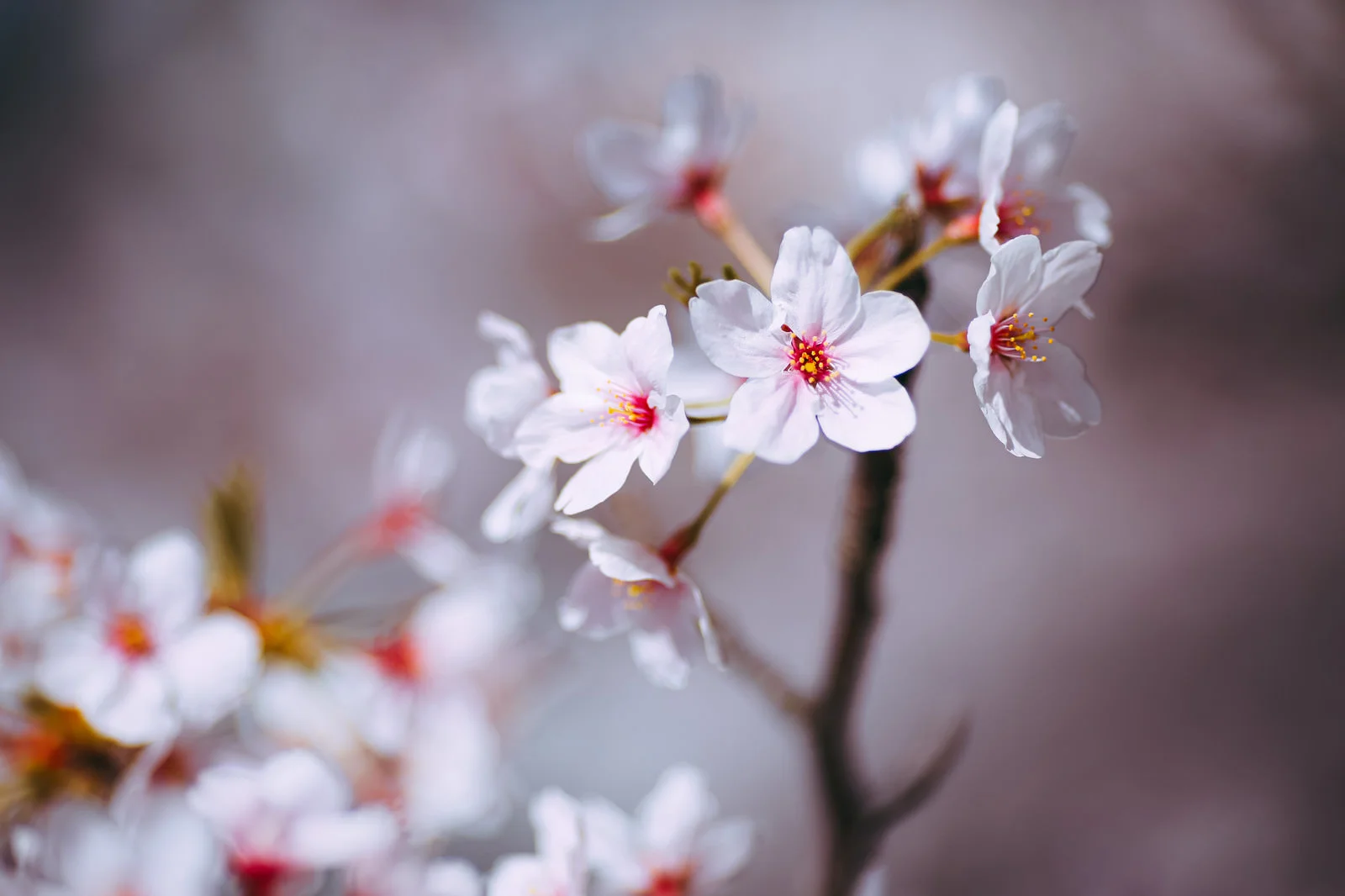
Spring is the season when temperatures rise and humidity gradually increases. Just as plants begin to sprout, hair growth often becomes more active.
Hair growth: Your metabolism will be stimulated and hair growth will be promoted.
Pollen and allergens: As pollen and allergens increase, scalp itching and inflammation are more likely to occur.
summer
Summer is a season of high temperatures, humidity, and strong ultraviolet rays, which can be stressful for the scalp.
Effects of UV rays: UV rays can damage the scalp and have a negative effect on hair roots.
Increased sweat and sebum production: Increased sweat and sebum production makes the scalp more prone to becoming oily.
Chlorine from the ocean or swimming pools: Chlorine from ocean water or swimming pools can damage your hair.
autumn
Autumn is a season of cooler temperatures and less humidity. This is the time to recover from the damage caused by the summer, but it can also mean more hair loss.
Increased hair loss: Hair loss tends to increase with the change in seasons.
Dryness: As humidity decreases, the scalp becomes more prone to dryness.
winter
Winter is a cold, dry season, which can reduce blood circulation and affect scalp health.
Dryness and dandruff: Low humidity can dry out your scalp, making you more susceptible to dandruff.
Poor circulation: Cold weather reduces blood circulation, which can lead to insufficient nutrition for hair roots.
Effects of heating: Dryness caused by indoor heating can also affect the scalp.
Seasonal hair transplant planning and care
If you are having a hair transplant in the spring
Spring is the season when hair growth is most active, making it a good time to undergo hair transplant surgery.
Preoperative preparation: As an allergy measure, if you have hay fever symptoms, we will prepare medication for you.
Post-operative care: When going outside, wear a hat and take measures against ultraviolet rays. Be sure to moisturize as well.
If you are having a hair transplant in summer
Special care is required in the summer due to the high temperatures, humidity and strong ultraviolet rays.
Preoperative preparation: Before surgery, strengthen your UV protection measures and use sunscreen.
Post-operative care: After surgery, avoid direct sunlight and use a hat or parasol. If you sweat, wipe it off frequently and keep it clean.
If you are having hair transplant surgery in the fall
Autumn is a great time to recover from the damage caused by summer, as temperatures are moderate.
Pre-operative preparation: This is a time when hair loss increases, so a scalp massage will be performed before surgery to promote blood circulation.
Post-operative care: Keep your skin moisturized to prevent dryness. Wear a hat when going outside to prevent damage from the wind.
If you are undergoing hair transplant surgery in winter
In winter, the cold and dry weather makes it especially important to take care of your scalp.
Pre-operative preparation: Drink warm fluids and have a scalp massage to improve blood circulation.
Post-operative care: Use a humidifier to keep your scalp moist to prevent dryness caused by indoor heating. Wear a hat when going out to protect your scalp from the cold.
General hair care for each season
Spring Hair Care
Allergy prevention: Keep your scalp clean to prevent itching and inflammation caused by pollen and allergens.
Light moisturization: As temperatures rise, light moisturization can help prevent dry scalp.
Summer Hair Care
UV protection: Protect your scalp with sunscreen and a hat.
Maintain cleanliness: As sweat and sebum secretion increases, wash your hair frequently and keep it clean.
Autumn Hair Care
Measures against hair loss: Scalp massage and nutritional supplements help prevent hair loss.
Stay well-moisturized: Use a moisturizing cream to prevent dryness.
Winter Hair Care
Increase Moisture: To combat low humidity, use moisturizing creams frequently.
Promotes blood circulation: Cold weather reduces blood circulation, so massage your scalp.
summary
Seasonal weather changes have various effects on hair and scalp. When planning hair transplant surgery, it is important to take into account the characteristics of each season and have the surgery at the appropriate time. In addition, pre- and post-operative care according to each season can help ensure the success of the surgery and maintain the health of your hair. Under the guidance of a trusted specialist, carry out appropriate care according to the season and enjoy life with confidence with your new hair.
岡 博史
(おか ひろし)
医師・医学博士 /
ヒロクリニック統括院長
YouTubeチャンネルなどを通じて、遺伝子やNIPT(新型出生前診断)についてわかりやすく発信しています。
略歴
-
1996年
慶應義塾大学医学部 卒業
-
2004年
慶應義塾大学 医学博士号 取得
-
2005年
慶應義塾大学 皮膚科学教室 助手
-
2008年
ヒロ皮フ形成クリニック 開業
-
2009年
医療法人社団福美会 理事長
-
2015年
医療法人社団福美会 理事
資格・所属
- CAPラボディレクター
- 日本皮膚科学会 皮膚科専門医
- 日本医師会 産業医
- 東京衛生検査所 指導監督医
この記事は、ヒロクリニック植毛の編集・監修体制にもとづき、資格を持つ医師が内容を確認しています。