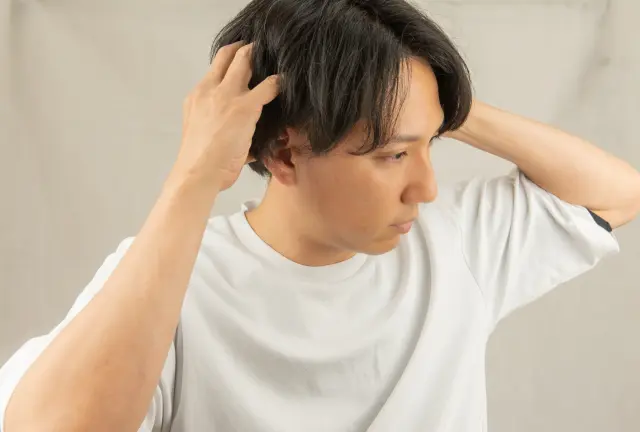
Hair transplantation is an effective treatment for those suffering from thinning or hair loss, but the scalp becomes very delicate after surgery. Many patients experience sensations such as tightness, itching, tingling, or mild pain in the days to weeks following the procedure. In most cases, these are part of the natural healing process, but with proper knowledge and care, it is possible to speed up recovery and reduce discomfort.
This article explains the common types of scalp discomfort after hair transplantation, their causes, and practical solutions and preventive methods you can use at home.
1. Common Types of Scalp Discomfort After Hair Transplant
Although individual differences exist, the following symptoms are frequently reported after hair transplantation. In most cases, they represent natural reactions during recovery. It is important to monitor progress with appropriate care, but if symptoms persist or worsen, consult your doctor promptly.
- Tightness (Tension)
This occurs when the skin of the donor area (back or sides of the head) is stretched or sutured. Especially in FUT (strip method), the sutured donor site may feel pulled. Tightness is common for the first few days to two weeks and usually subsides as the skin heals. - Itching
As new skin tissue regenerates, the scalp often becomes dry, which stimulates the nerves and causes itching. Inflammation or changes in blood flow after surgery may also contribute. When itching occurs, avoid scratching with nails; gently pat or stroke the scalp instead. Proper moisturization is essential. - Tingling or Mild Pain
As follicles repair and nerves regenerate, tingling or mild pain can occur. This is a physiological reaction as nerve endings reconnect. It is usually more noticeable in transplanted or damaged areas, but typically subsides within several days to two weeks. - Swelling and Redness
Mild swelling or redness may appear in both donor and recipient areas due to increased blood flow or surgical irritation. These symptoms often resolve in a few days, but persistent swelling or redness should be checked by a doctor. - Dryness
The post-surgical scalp is very delicate and prone to dryness. Severe dryness can cause itching, inflammation, or even cracking. Inadequate moisturization worsens redness and discomfort. Regular hydration is essential to prevent dryness. - Scab Formation and Shedding
Scabs often form in the recipient area within several days to a week. This is a natural part of healing. Do not forcibly remove scabs, as this can cause follicle loss. They usually fall off naturally within a few days. - Tension and Fatigue in the Scalp
Increased blood flow after surgery may cause the scalp to feel tense or fatigued, particularly when holding the same posture for long periods. This is temporary and can be relieved with gentle massage to improve circulation. - Temporary Shedding (Shock Loss)
Within 1–3 months after transplantation, transplanted hairs may shed temporarily. Known as “shock loss,” this occurs as follicles adapt to their new environment. It is temporary, and new hair regrows over time.
2. Medical Reasons for Scalp Discomfort
2-1. Nerve Regeneration and Hypersensitivity
Hair transplantation involves follicle relocation, which may cut superficial scalp nerves. Immediately after surgery, nerve endings begin to reconnect. During this process, sensory nerves may become hypersensitive, causing unusual sensations such as tingling or itching.
This reaction is natural and usually peaks in the first few days to two weeks after surgery. The main contributing factors are:
- Nerve regeneration: Reconnecting nerves trigger heightened sensitivity.
- Increased blood flow: Enhanced circulation during healing may overstimulate nerves.
- Inflammatory response: Local inflammation may alter or intensify sensations.
These symptoms generally subside within weeks to months as healing progresses. If excessive pain or itching persists, consult a doctor.
2-2. Inflammatory Response
After transplantation, the body naturally triggers a healing reaction, resulting in temporary inflammation. This supports wound closure and tissue regeneration but also causes redness, warmth, and itching.
Key signs of inflammation include:
- Redness from increased blood flow
- Warmth at the surgical site
- Itching due to nerve and skin regeneration
While mild inflammation is necessary for follicle stabilization, excessive or prolonged inflammation can be harmful.
How to manage inflammation:
- Cooling: Apply a cool (not too cold) compress briefly to reduce inflammation.
- Moisturization: Prevent dryness that worsens inflammation.
- Medical consultation: See a doctor if inflammation is severe or persistent.
2-3. Dryness and Barrier Function Loss
Surgery temporarily damages the skin barrier (stratum corneum), reducing water retention and natural protection. This makes the scalp prone to dryness, itching, irritation, and sensitivity.
Preventive measures:
- High-moisture products with hyaluronic acid or ceramides (choose alcohol/fragrance-free).
- Gentle washing with lukewarm water and mild shampoo.
- Humidity control using a humidifier in dry environments.
Moisturization is crucial for follicle survival and healthy hair growth.
3. Specific Solutions by Symptom
3-1. For Tightness
- Use moisturizers containing hyaluronic acid or ceramides to keep the scalp supple.
- Apply gently with light massage (only with doctor’s approval).
3-2. For Itching
- Apply gentle, fragrance-free moisturizers or scalp serums.
- Use a humidifier to prevent indoor dryness.
- Never scratch with nails.
3-3. For Tingling or Pain
- Use a cool towel to calm the scalp.
- Follow medical advice and use prescribed pain relievers/anti-inflammatory medication if needed.
4. Daily Prevention and Care
4-1. Hair Washing
- For the first week: rinse gently with lukewarm water only.
- Later, use mild, moisturizing shampoos (with amino acid surfactants, hyaluronic acid, or ceramides).
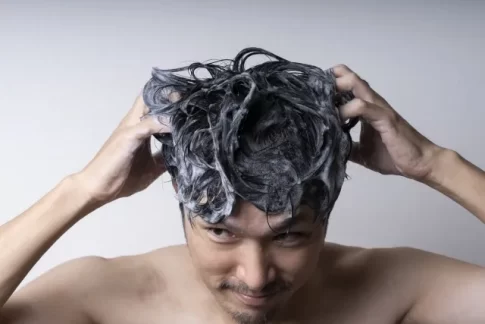
- Always lather in your hands before applying, and wash with fingertips, not nails.
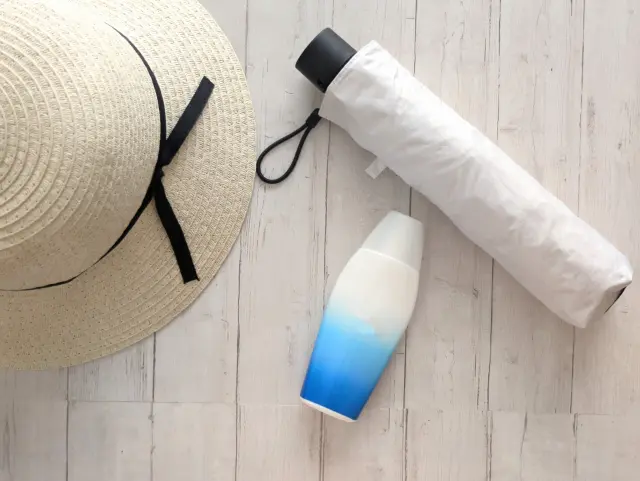
4-2. UV Protection
- Post-op scalps are highly sensitive to sunlight.
- From about one month post-op: use SPF30+ PA+++ sprays and wear breathable hats.
- Umbrellas offer added protection.
4-3. Lifestyle Habits
- Nutrition: Ensure enough protein, zinc, and vitamins.
- Sleep: 6–8 hours of quality rest for growth hormone release.
- Stress reduction: Relaxation helps recovery.
5. When to Seek Medical Attention
Contact your doctor immediately if you notice:
- Worsening redness or swelling
- Yellow pus
- Increasing pain
- High fever
These may indicate infection or severe inflammation.
Conclusion
Most scalp discomfort after hair transplantation is part of the natural healing process. However, improper self-care or excessive irritation can disrupt follicle stabilization and affect final results. By following your doctor’s instructions and practicing proper moisturization, gentle washing, and UV protection, you can recover more comfortably and support long-term success.
When discomfort arises, do not panic—address it calmly with the correct knowledge and care. That is the fastest path to an ideal outcome.
略歴
- 1996年 慶應義塾大学医学部 卒業
- 2004年 慶應義塾大学 医学博士号 取得
- 2005年 慶應義塾大学 皮膚科学教室 助手
- 2008年 ヒロ皮フ形成クリニック 開業
- 2009年 医療法人社団福美会 理事長
- 2015年 医療法人社団福美会 理事
資格・所属
- CAPラボディレクター
- 日本皮膚科学会 皮膚科専門医
- 日本医師会 産業医
- 東京衛生検査所 指導監督医
この記事は、ヒロクリニック植毛の編集・監修体制にもとづき、資格を持つ医師が内容を確認しています。