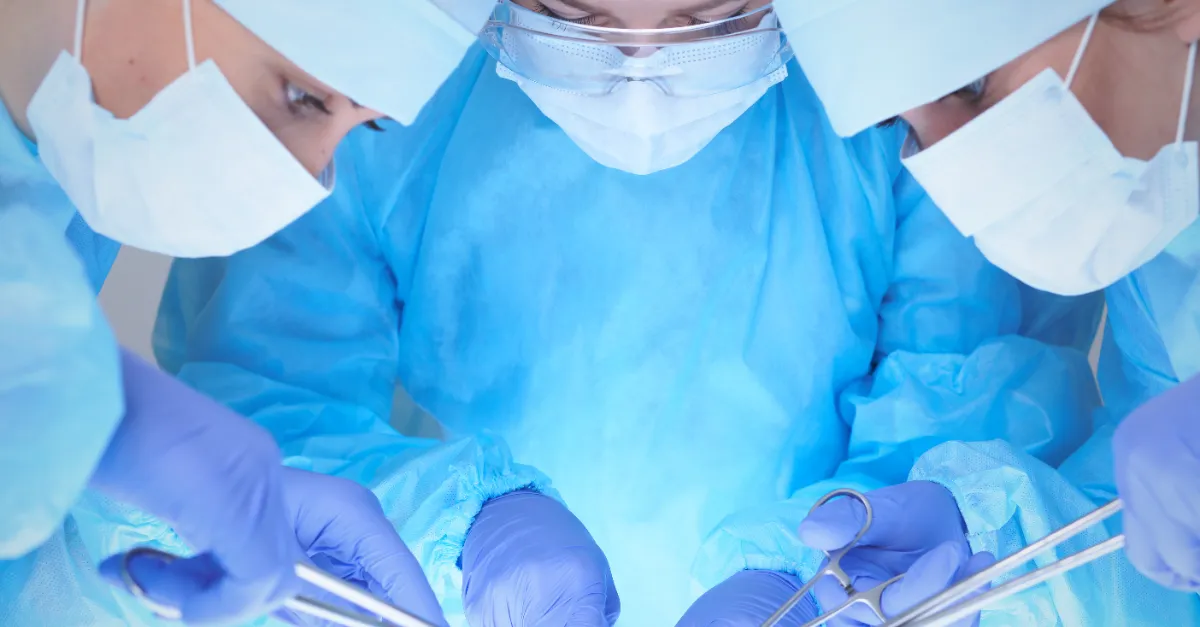
在Hiro Clinic,我们推荐Natural Pro FUE治疗,该治疗可以治疗口服治疗或注射治疗无效的无毛部位,并且几乎不会留下明显的疤痕。 通过从后脑勺采集发根并剃除该区域的毛发,术后管理变得更加容易,并且只移植所需的数量,打造自然的妆容。它可以使用局部麻醉作为当日手术进行,以实惠的价格提供逐渐的毛发生长,并且可以在日本安全地进行。
History of Hair Transplant Surgery: Technological Evolution and Important Milestones
この記事の概要
Hair transplant surgery offers great hope for many people suffering from thinning hair and hair loss. The technology of hair transplant surgery has evolved significantly over time. This column details the history of hair transplant surgery, the evolution of the technology, and important milestones.
Early stage of hair transplant surgery
1930s: Origin of hair transplantation
The concept of hair transplant surgery dates back to the 1930s. Japanese dermatologist Dr. Kunio Okada is said to have performed the world’s first hair transplant surgery. He attempted hair transplantation for patients who had lost their hair using a method based on his own research.
1950s: The beginning of modern hair transplantation
In the 1950s, American dermatologist Dr. Norman Orrick developed a revolutionary method called hair follicle transplantation. His techniques were the basis for modern hair transplant surgery.
1952: Dr. Orrick performs the first famous hair transplant surgery, which is reported to be a success. His method involved transplanting small follicular units rather than large pieces of skin.
Evolution and development of technology
1960s: A large-scale experiment
In the 1960s, hair transplant surgery techniques were further developed. Improvements in methods of harvesting and transplanting hair from donor sites have led to more patients undergoing this procedure.
1968: Dr. Charles Oberlin introduces a method of cutting strips of skin from the donor area and transplanting them into hair follicles. This method forms the basis of the later FUT method (Follicular Unit Transplantation).
1980s: The emergence of the FUT method
In the 1980s, hair transplant surgery underwent a new evolution. With the advent of Follicular Unit Transplantation (FUT), transplantation of individual hair follicles has become commonplace.
Late 1980s: The FUT method became popular, allowing the natural appearance of transplanted hair. This is a method in which skin is removed from a large donor area and transplanted into individual hair follicles.
1990s: Introduction of FUE method
In the 1990s, a more advanced technique, Follicular Unit Extraction (FUE), was introduced. This method involves harvesting and transplanting hair follicles one by one, and is characterized by smaller scars and faster recovery than the FUT method.
1995: Dr. William Rasmuth develops the FUE method, which involves harvesting individual hair follicles.
2000s: The emergence of robot-assisted hair transplantation
In the 2000s, hair transplant surgery technology further evolved with the advent of robot-assisted hair transplantation. This has improved surgical precision and increased the success rate of transplants.
2008: Robot-assisted hair transplantation systems are introduced, allowing highly accurate and uniform hair follicle harvesting and transplantation.
important milestones
1970s: Introduction of minigrafts and micrografts
1970s: Minigrafting and micrografting techniques were introduced to achieve a more natural-looking result. This improved patient satisfaction.
1980s: Standardization of the FUT method
1980s: The FUT method was standardized, greatly improving the success rate of hair transplant surgery. As a result, hair transplant surgery has become widely popular.
1990s: Innovation in the FUE method
1990s: The FUE method was revolutionized and attracted attention as a surgical method that was less invasive for patients. This method was especially popular among people who wanted to avoid visible scars, such as athletes and public figures.
2010s: Introduction of regenerative medicine and stem cell technology
2010s: Regenerative medicine and stem cell technology were introduced into hair transplant surgery, and new treatments were developed. This allows hair follicles to regenerate, resulting in a more natural-looking finish.
Present and future prospects
current technology
Currently, hair transplant surgery is performed using extremely advanced technology, and a variety of surgical methods can be selected depending on the patient’s needs. Various technologies are combined to provide optimal treatment, including FUT method, FUE method, robot-assisted hair transplantation, and regenerative medicine.
future technology
The future of hair transplant surgery is even brighter, with new techniques being developed all the time. The following technologies are expected:
Stem cell therapy: Advances in technology that utilize stem cells to regenerate hair follicles will make it possible to fundamentally treat hair loss.
Gene therapy: Research is being conducted on ways to manipulate genes to prevent and treat hair loss.
3D Printing: A method has been developed to create and transplant artificial hair follicles using 3D printing technology.
In conclusion
The history of hair transplant surgery has evolved greatly as technology has evolved. Starting from early attempts in the 1930s, to modern hair transplantation in the 1950s, the introduction of FUT methods in the 1980s, innovations in FUE methods in the 1990s, and the introduction of robot-assisted hair transplantation and regenerative medicine in the 2000s and beyond. There was an important milestone. Today, hair transplant surgery continues to evolve, and it is expected that even more groundbreaking technology will appear in the future. For those considering hair transplant surgery, it is important to choose the latest technology and a method that suits your needs, and consult with a specialist to receive the optimal treatment.
Hiro Clinic Hair Transplant
At Hiro Clinic, we recommend Natural Pro FUE treatment, which treats hairless areas where oral treatment or injection therapy is not effective, and leaves almost no visible scars. By harvesting hair roots from the back of the head and shaving the area, post-surgery management is easier, and only the required number is transplanted with a natural-looking finish. It can be performed as a same-day surgery using local anesthesia, provides gradual hair growth at an affordable price, and can be safely performed in Japan.