在Hiro Clinic,我们推荐Natural Pro FUE治疗,该治疗可以治疗口服治疗或注射治疗无效的无毛部位,并且几乎不会留下明显的疤痕。 通过从后脑勺采集发根并剃除该区域的毛发,术后管理更加容易,并且只移植所需的数量,获得自然的效果。它可以使用局部麻醉进行当日手术,以实惠的价格提供逐渐的毛发生长,并且可以在日本安全地进行。
Donor Area for Hair Transplant Surgery: Selection and Recovery Process
この記事の概要
Hair transplant surgery is an effective treatment for many people suffering from thinning hair or hair loss, but the key to success lies in the selection of an appropriate donor area and the recovery process. This article details how to select a donor area for hair transplant surgery and the recovery process after surgery.
Donor Area Selection
What is a donor area?
The donor area refers to the area from which hair is harvested for hair transplant surgery. Usually, the back and sides of the head are chosen. Hair in these areas is less susceptible to the effects of DHT (dihydrotestosterone) and less prone to hair loss, so it is easier to maintain a healthy state after transplantation .
Donor Area Selection Criteria
Hair Density
The higher the hair density in the donor area, the more hair follicles can be harvested and the more successful the transplant . Your surgeon will check the density of the donor area to determine whether it will accommodate the number of grafts you need.
Hair quality
The quality of the hair in the donor area is also important. Thick, healthy hair has a higher chance of survival after transplantation and will give a natural look. The surgeon will evaluate the thickness and strength of the hair to select the most suitable donor area.
Scalp condition
The condition of the scalp in the donor area is also included in the selection criteria. A healthy scalp heals faster and reduces the risk of postoperative complications. We check for signs of inflammation or infection and treat them if necessary.
The patient’s health status
Your overall health will also be taken into consideration. If you have any health issues that could affect your recovery, such as diabetes or poor circulation, it is important to discuss them with your doctor before surgery so that appropriate measures can be taken.
How to Select a Donor Area
First counseling session
Before any hair transplant procedure, you will undergo an initial consultation, during which the doctor will assess the condition of your scalp and hair and select the most suitable donor area, taking into account your preferences and lifestyle.
Testing and diagnosis
Your doctor will perform a variety of tests to check the hair density, quality and scalp health of the donor area, including a microscopic scalp examination and hair pull test.
Marking the donor area
On the day of surgery, the donor area will be marked and your surgeon will choose the best spot to pinpoint the exact area from which to harvest the hair.
Post-surgery recovery process
Stages of recovery
Early recovery period (1-2 weeks after surgery)
Rest and care:
You will need to rest for a few days after surgery and sleep with your head elevated to reduce swelling.
A bandage will be placed over the donor area, which will be removed after 1-2 days.
Hair Wash:
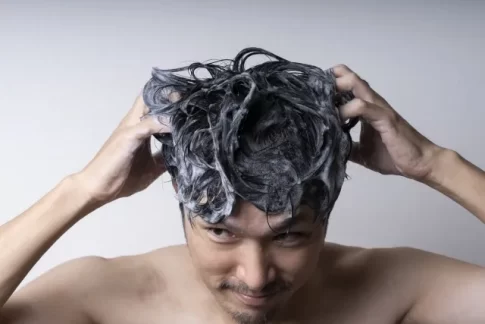
You can start washing your hair lightly from the second or third day after surgery. Rinse gently with lukewarm water and wash lightly using the pads of your fingers.
Pain and swelling:
If you have pain or swelling, use painkillers and anti-inflammatory medications prescribed by your doctor.
Mid-recovery period (2-4 weeks after surgery)
Scalp Care:
Avoid touching the donor area until the scab falls off naturally.
A light massage is given to improve blood circulation.
Hair Wash:
You can now wash your hair using your normal shampoo, but continue to wash gently.
Return to daily life:
You may resume light exercise and daily activities, but should avoid strenuous exercise or activities that put strain on the scalp.
Complete recovery period (1 month after surgery)
Hair Growth:
The transplanted hair may fall out temporarily but will then begin to grow back.
It may take several months before you see new hair growth.
Normal life:
You will be able to resume most activities as normal, but it is important to continue to care for your scalp.
Donor Area Care
Hair washing and cleaning
Use a mild shampoo to keep the donor area clean.
After washing your hair, gently pat it dry with a towel and, if using a hair dryer, use a low heat setting.
Moisturizing and nourishing
Use a moisturizer that contains aloe vera or vitamin E to keep your scalp hydrated.
Eat a well-balanced diet and get enough vitamins and minerals.
Scalp massage
To improve circulation, regularly give your scalp a gentle massage using the pads of your fingers.
Donor area complications and measures
Risk of complications
Infection
Infection can occur in the donor area. To prevent infection, you will be kept clean after surgery and take antibiotics prescribed by your doctor.
Hematoma
Blood can pool and cause swelling. To prevent hematomas, sleeping with your head elevated is effective.
Nerve damage
Nerves in the donor area may be damaged, resulting in reduced sensation, which often resolves over a period of a few weeks to months.
Measures for complications
Post-operative care
After surgery, it is important to follow your doctor’s instructions and take appropriate care, keeping the area clean and preventing infection.
Follow-up
You will have regular follow-up visits to the clinic to monitor your recovery, and if anything unusual is detected, consult your doctor immediately.
Health care
Eating a balanced diet, exercising regularly and maintaining overall good health will help your recovery.
Conclusion
The choice of donor area and its recovery process in hair transplant surgery are crucial to the success of the surgery. Choosing the right donor area and taking good care of it after surgery can promote healthy hair growth and maximize the effect of the surgery. Be sure to consult with your doctor before the surgery to create the best treatment plan for you. It is also important to not neglect postoperative care and follow your doctor’s instructions to properly support your recovery.
Hiro Clinic Hair Transplant
Hiro Clinic recommends Natural Pro FUE treatment, which can be used on hairless areas where oral medication or injection therapy is ineffective, and leaves barely noticeable scars. Hair roots are harvested from the back of the head and partially shaved, making post-operative care easier, and only the required number of hairs are transplanted with a natural finish. It is a same-day procedure using local anesthesia, and provides gentle, gradual hair growth at an affordable price, making it a safe option in Japan.