この記事の概要
Hair transplant surgery is an effective treatment for thinning and hair loss, but postoperative swelling and inflammation can occur. Proper management of postoperative swelling and inflammation can promote a comfortable recovery and maximize the effectiveness of the treatment. This article details anti-inflammatory measures after hair transplant surgery.
Causes of swelling and inflammation after surgery
Swelling and inflammation after hair transplant surgery are usually caused by the following factors:
Physical stimulation from surgery: The physical stimulation to the scalp associated with harvesting and transplanting the grafts can cause swelling and inflammation.
Anesthetic Effects: The use of local anesthetic may cause temporary swelling.
The body’s natural response: The body’s natural inflammatory response after surgery causes swelling.
Anti-inflammatory and swelling relief
1. Rest and head position
Proper rest and head position are important in the early postoperative phase.
Keep your head elevated: Sleeping with your head elevated will help prevent gravity from causing more swelling. You can also use a cushion or pillow to support your back.
Avoid excessive activity: Avoid excessive exercise and heavy lifting for a few days after surgery and take it easy.
2. Cold Therapy
Cold therapy is effective in reducing swelling and inflammation.
Use ice packs: Within 48 hours after surgery, wrap the ice pack in a towel and apply for 15 minutes on 30 minutes off, repeating cycles. Be careful not to apply ice directly to the skin.
Cooling gel: You can achieve a similar effect by using a cooling gel.
3. Use of anti-inflammatory drugs
Use appropriate anti-inflammatory medications as prescribed by your doctor.
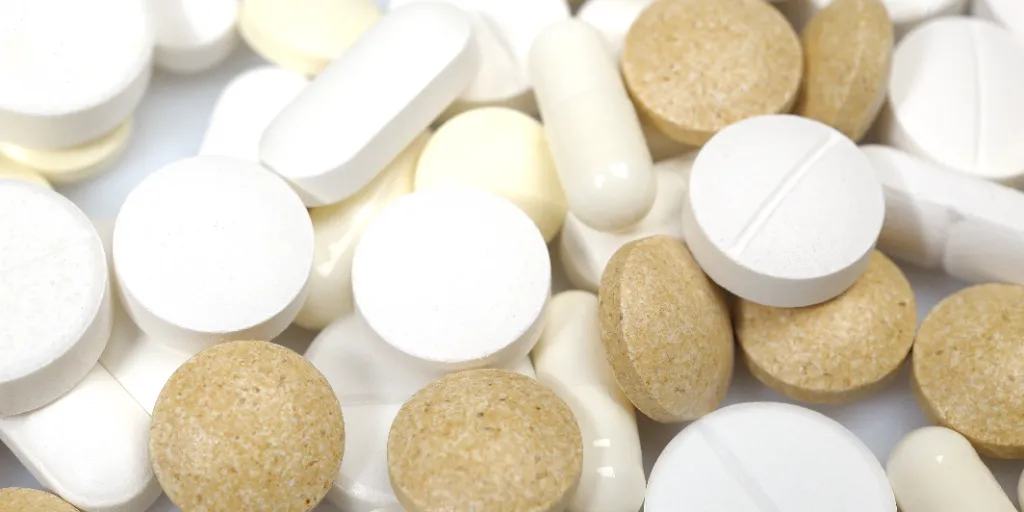
Nonsteroidal anti-inflammatory drugs (NSAIDs): NSAIDs, such as ibuprofen or naproxen, can help reduce inflammation and pain. Take these medications as directed by your doctor.
Steroid medications: If you have severe inflammation, your doctor may consider prescribing a short course of steroid medications.
4. Postoperative care and maintenance of cleanliness
Proper postoperative care and good hygiene will reduce the risk of inflammation.
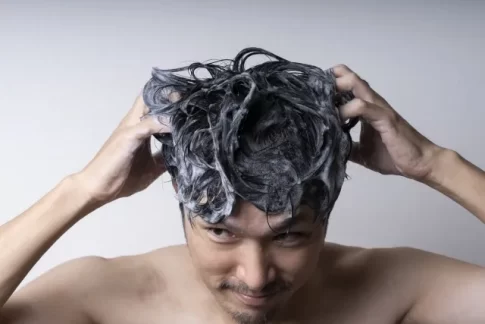
Follow your doctor’s instructions on how to wash your hair after surgery and keep your scalp clean. You can usually wash your hair gently from the third day after surgery.
Antibiotic use: Take any antibiotics prescribed by your doctor appropriately to prevent infection.
5. Proper Nutrition
A balanced diet helps the body recover faster and reduces inflammation.
Antioxidants: Eat foods that contain antioxidants such as vitamin C, vitamin E and selenium (e.g. citrus fruits, nuts and berries).
Omega-3 fatty acids: Foods that contain omega-3 fatty acids, such as fish (e.g. salmon, tuna), flaxseed oil, and chia seeds, may help reduce inflammation.
Hydration: Drinking plenty of fluids also aids in recovery.
Natural and complementary therapies
1. Herbs and supplements
Some herbs and supplements have anti-inflammatory effects.
Turmeric: Turmeric, which contains curcumin, is a powerful anti-inflammatory and can be taken as a supplement or incorporated into your cooking.
Ginger: Ginger also has anti-inflammatory properties and can be used in teas and cooking.
2. Aromatherapy
Aromatherapy can help promote relaxation and reduce inflammation.
Lavender oil: Relaxing and effective at reducing inflammation, use in a diffuser or dilute in a carrier oil for scalp massages.
Peppermint oil: Has a cooling effect and reduces inflammation. Also use in a diffuser or diluted in a carrier oil.
3. Mindfulness and meditation
Mindfulness and meditation can help reduce stress and enhance the body’s natural healing abilities.
Mindfulness Meditation: Spending a few minutes each day in a quiet place and practicing deep breathing to calm your mind can help reduce stress hormones and reduce inflammation.
Breathing exercises: Deep breathing and abdominal breathing can help you feel more relaxed.
Communication with doctors
1. Early detection of abnormalities and countermeasures
If any abnormalities occur, it is important to consult a doctor as soon as possible.
Increased redness or swelling: If the swelling or redness after surgery increases more than usual, consult your doctor immediately.
Pain or heat: If you experience severe pain or heat, report this to your doctor so that appropriate measures can be taken.
2. Regular follow-up
Regular follow-up appointments will be made to monitor your recovery and provide any necessary care.
Initial consultation: You will have your initial consultation within one week of your surgery to check the condition of your transplant site and donor area.
Monthly Visits: You will be seen monthly for the first 6 months to monitor your progress.
Annual check-ups: After that, you’ll have check-ups once or twice a year to monitor your progress over time.
Summary
Proper management of swelling and inflammation after hair transplant surgery can promote a comfortable recovery and maximize the effectiveness of treatment. It is important to practice various measures such as keeping the head elevated, cooling therapy, use of anti-inflammatory medications, proper postoperative care and hygiene, and a balanced diet. Work closely with your doctor and use natural and complementary therapies to ensure a healthy recovery.