この記事の概要
Hair transplant surgery is an effective treatment for many people suffering from thinning hair or hair loss. A blood supply for healthy growth of transplanted hair is essential to the success of hair transplant surgery. Capillary microcopy (the importance of microvasculature) plays an important role in the establishment and growth of transplanted hair. This article details the role of microvessels and their importance.
The role of microvessels (capillary microcopy)
1. Promotes hair growth
The tiny blood vessels are responsible for supplying oxygen and nutrients to the hair follicle (hair root).
Oxygen Supply: Oxygen is essential for cellular metabolism and promotes hair growth. Microscopic blood vessels supply hair follicles with sufficient oxygen, supporting healthy hair growth.
Nutrient Supply: The nutrients necessary for hair growth, such as vitamins and minerals, are delivered to the hair follicles through the microvessels, allowing hair to grow strong and healthy.
2. Elimination of waste products
The tiny blood vessels also help remove waste products from the hair follicle.
Elimination of metabolic products: The waste products generated by the metabolic activity of the hair follicle are eliminated through the tiny blood vessels, thus maintaining the health of the hair follicle.
Increased Blood Flow: Healthy blood flow helps eliminate waste products and keeps hair follicles functioning properly.
The Importance of Microvasculature in Hair Transplant Surgery
1. Blood supply after transplantation
After hair transplant surgery, the transplant site needs a sufficient blood supply in order for the transplanted hair to take root and begin growing .
Vascular regeneration: New tiny blood vessels form around the transplanted hair follicles, ensuring that the transplant site receives sufficient oxygen and nutrients.
Increased blood flow: Proper post- transplant care and treatment will increase blood flow to support the establishment and growth of transplanted hair .
2. Post-operative care and blood flow promotion
Proper post-operative care is important to promote good blood flow and keep the transplanted hair healthy.
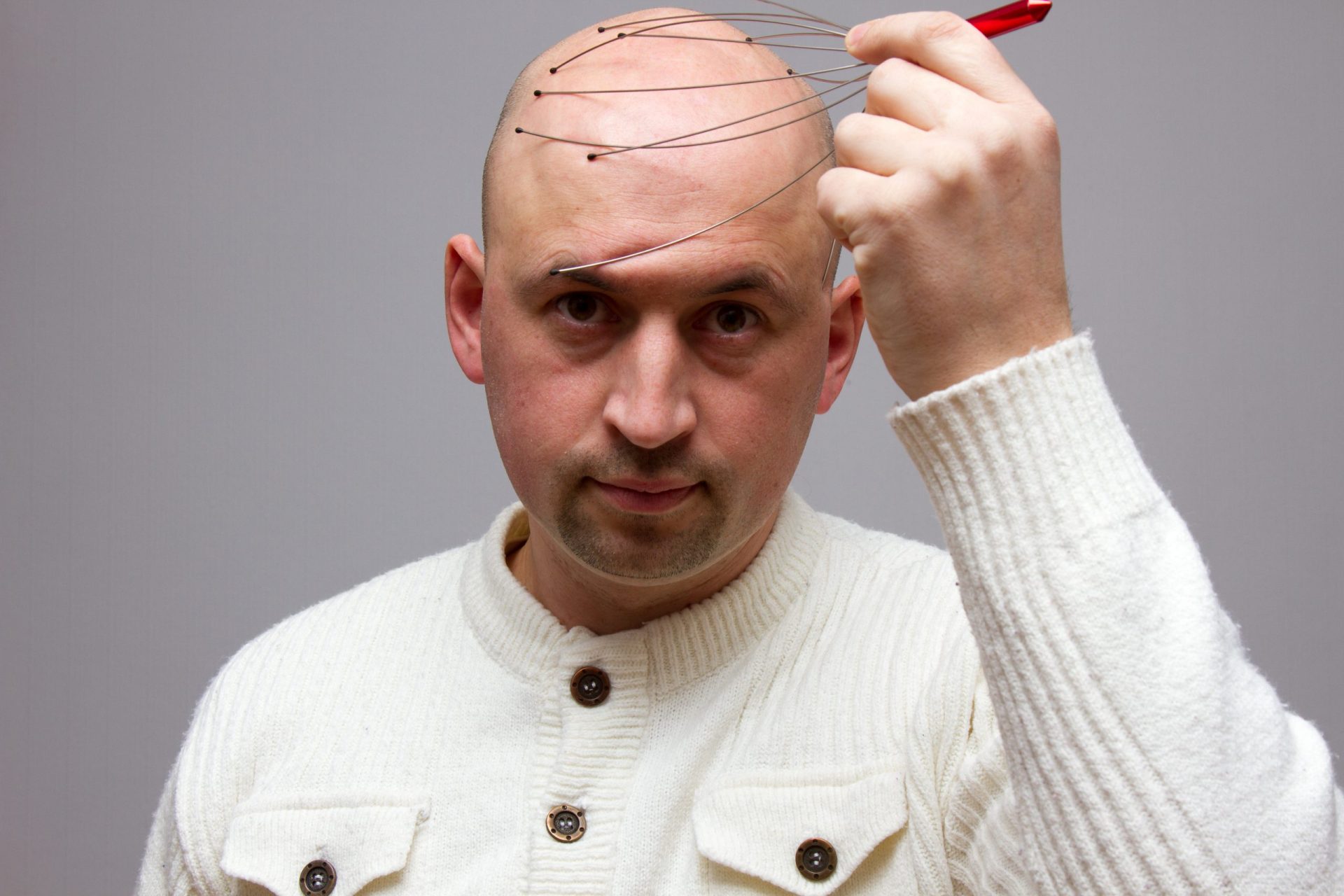
Scalp massage: Post-operative scalp massage increases blood flow and helps regenerate microvasculature. Gentle massage with finger pads supports hair growth.
Low Level Laser Therapy: Low level laser therapy increases blood flow and encourages hair growth. Regular treatments increase the success rate of hair transplants .
Lifestyle for improved blood flow
1. Balanced diet
A balanced diet is important to support healthy hair growth.
Vitamins and Minerals: Eating foods that contain nutrients such as vitamins A, C, E, zinc and iron can improve blood quality and promote hair growth.
Protein: Protein-rich foods such as fish, meat, eggs and legumes help produce keratin, the building block of hair.
2. Moderate exercise
Moderate exercise increases blood flow throughout the body and supports healthy hair growth.
Aerobic exercise: Aerobic exercise such as walking, jogging, and cycling increases blood flow and helps deliver oxygen to your hair follicles.
Stretching: Gentle stretching can improve circulation and overall health.
3. Stress management
Stress has a negative effect on blood flow, so proper stress management is important.
Mindfulness: Implement mindfulness meditation and deep breathing techniques to reduce stress.
Hobbies and relaxation: Set aside time for hobbies and relaxation to help relax your mind and body.
Specific post-operative care methods
1. Scalp massage
How to do it: Use the pads of your fingers to gently massage in a circular motion. It is recommended to do this for a few minutes each day.
Benefits: Increased blood flow provides hair follicles with adequate oxygen and nutrients, supporting hair growth.
2. Low Level Laser Therapy (LLLT)
How it works: A low-power laser treatment device is used to shine the laser directly onto the scalp. Use several times a week is recommended.
Benefits: Increased blood flow stimulates hair follicles, promoting hair growth and helping transplanted hairs take root .
3. Moisturizing and care
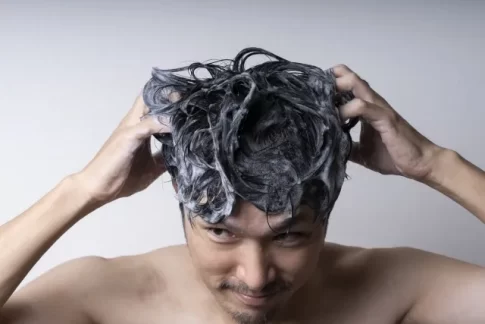
Tips: Use a moisturizing shampoo or lotion to keep your scalp from drying out. Wash your hair gently and moisturize it well.
Benefits: Maintains a healthy scalp and good blood flow, which supports hair growth.
Summary
The health of your microvessels (capillary microcopy) is essential for the success of your hair transplant procedure. Microvessels play a vital role in supplying oxygen and nutrients to the transplanted hair and removing waste products. Proper post-operative care and lifestyle changes can promote blood flow and support hair growth. Maintaining a healthy scalp and hair involves a balanced diet, moderate exercise, and stress management.