この記事の概要
Proper knowledge and care regarding hair dyeing (coloring) is necessary to maintain hair health and enjoy beautiful hair color after hair transplant surgery. Dyeing hair during the delicate post-operative period may affect the scalp and transplanted hair. This article details the precautions and recommended care regarding coloring after hair transplant surgery.
Timing of hair dyeing after surgery
1. When to start coloring
While your doctor’s advice is paramount regarding the right time to start coloring your hair after hair transplant surgery, here are some general guidelines to keep in mind:
First 4-6 weeks: It is recommended to avoid coloring until the wounds in the transplant and donor areas are fully healed. During this period, the scalp is in a sensitive state and chemicals may increase the risk of irritation and infection.
Check with your doctor: Before you start coloring your hair, be sure to check with your doctor to see how your scalp is doing and how your healing is progressing.
How to choose a coloring product
1. Hypoallergenic products
Choose hypoallergenic hair dye products to minimize scalp irritation.
Ammonium Free: Ammonium free products are gentler on the scalp and less irritating.
Paraphenylenediamine (PPD) Free: Choose products that do not contain PPD, which can cause allergic reactions.
Contains natural ingredients: Products containing herbs and organic ingredients are gentle on the scalp and hair and are safe.
2. Test dyeing
Before using any new hair dye product, always do a patch test to check for any allergic reactions or irritation.
Patch test: Apply a small amount of hair dye behind your ear or on the inside of your arm and check after 24-48 hours for any abnormalities.
How to do coloring
1. Protect your scalp
Take measures to protect your scalp while coloring.
Scalp protection cream: Apply a protection cream around your hairline and ears to prevent the dye from coming into direct contact with your scalp.
Avoid the roots of your hair: When coloring your hair, avoid the roots and avoid letting the dye come into direct contact with your scalp.
2. Frequency of coloring
To keep your hair and scalp healthy after hair transplant , we will adjust the frequency of coloring.
Every 3-4 weeks: To maintain healthy hair and scalp, we recommend limiting colouring to every 3-4 weeks.
Root retouching: Retouch coloring is used to dye only the roots of your hair, reducing stress on your scalp.
Post-surgery hair care
1. Moisturizing and nourishing
It is important to moisturize and nourish your hair and scalp after coloring.
Moisturizing shampoo and conditioner: Use a moisturizing color-treated shampoo and conditioner to thoroughly moisturize your hair and scalp.
Deep Condition: Once or twice a week, use a deep conditioning treatment to nourish and moisturize your hair.
2. Scalp massage
Scalp massage increases blood circulation and supports healthy hair.
Oil Massage: Use argan or coconut oil to gently massage your scalp, which will add moisture and promote healthy hair.
Use your fingertips: Use the pads of your fingers to massage your scalp in gentle circular motions, being careful not to press too hard.
3. UV protection
Ultraviolet rays can damage hair and scalp, so it is important to take appropriate measures to protect yourself from them.
UV protection spray: Use a UV protection spray for hair to protect your hair and scalp from UV rays.
Wear a hat: When going outside, wear a hat to avoid direct sunlight.
Precautions after coloring
1. Proper shampooing and rinsing
Shampooing and rinsing after coloring is important to maintain healthy hair and scalp.
Use lukewarm water: Rinse hair with lukewarm water, avoid excessively hot water as hot water can fade the color faster.
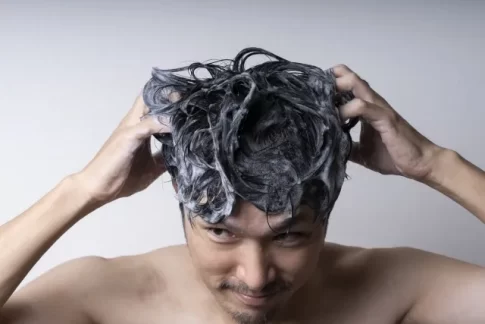
Shampoo gently: Wash hair gently without scrubbing hard, then rinse thoroughly to remove any remaining dye.
2. Limit heat styling
Limit how often you do heat styling as it can damage your hair.
Low temperature setting: If you use a hair dryer or curling iron, use a low temperature setting.
Heat Protectant: Use a heat protectant spray to protect your hair from heat.
Summary
Coloring after hair transplant surgery can minimize the impact on the scalp and transplanted hair by paying attention to the timing, product selection, and method of application. By choosing hypoallergenic products and taking proper care and protection, you can enjoy beautiful hair color while maintaining healthy hair and scalp. Follow your doctor’s instructions and practice proper coloring and hair care.