植毛と遺伝子治療:未来の可能性と研究の進展

植毛手術について

この記事の概要

植毛手術は現在、薄毛や脱毛治療の主要な方法ですが、近年では遺伝子治療の進展が期待されています。遺伝子治療は、毛髪の成長と脱毛のメカニズムに直接働きかける新しい治療法です。本記事では、遺伝子治療の基本概念、現在の研究の進展、未来の可能性について詳しく解説します。

遺伝子治療とは

基本概念

遺伝子治療とは、遺伝子の異常を修正したり、特定の遺伝子を体内に導入することで、病気の治療や症状の改善を図る方法です。薄毛や脱毛治療においては、毛髪の成長に関与する遺伝子をターゲットにすることで、脱毛の原因を根本から解決することを目指します。

遺伝子治療の方法

遺伝子治療には主に以下の方法があります:

遺伝子挿入法:健康な遺伝子を細胞に導入し、異常な遺伝子を修正します。

遺伝子置換法:異常な遺伝子を健康な遺伝子に置き換えます。

遺伝子修復法:異常な遺伝子の特定部分を修正します。

薄毛・脱毛治療における遺伝子治療の可能性

毛髪成長因子のターゲティング

遺伝子治療は、毛髪の成長因子を活性化する遺伝子や、脱毛を引き起こす遺伝子を抑制することができます。以下の因子がターゲットとなります:

FGF(線維芽細胞成長因子):毛髪の成長を促進する役割を持ちます。

VEGF(血管内皮成長因子):毛包周囲の血管を増加させ、毛髪の栄養供給を促進します。

BMP(骨形成タンパク質):毛包の成長と維持に関与します。

脱毛遺伝子の抑制

脱毛を引き起こす遺伝子の活動を抑制することで、脱毛を防ぐことができます。例として、脱毛に関与する遺伝子である DHT(ジヒドロテストステロン) を生成する遺伝子をターゲットにする方法があります。

現在の研究と進展

遺伝子治療の実験

動物実験

動物実験では、遺伝子治療が毛髪成長に与える効果が確認されています。例えば、マウスモデルを用いた実験では、FGFやVEGF遺伝子を導入することで、毛髪の成長が促進された例があります。

臨床試験

一部の遺伝子治療は、人間を対象とした臨床試験も開始されています。これらの試験では、安全性と有効性が評価されており、将来的な実用化に向けた重要なステップとなっています。

最新の研究成果

クラスター化定期的間隔短縮反復(CRISPR-Cas9)技術

CRISPR-Cas9は、特定の遺伝子を編集する革新的な技術であり、薄毛治療に応用される可能性があります。この技術を用いて、脱毛を引き起こす遺伝子の活動を抑制することが研究されています。

幹細胞研究

幹細胞を利用した研究も進んでおり、幹細胞から毛包を再生する技術が開発されています。これにより、毛包の再生や新たな毛髪の生成が可能になると期待されています。

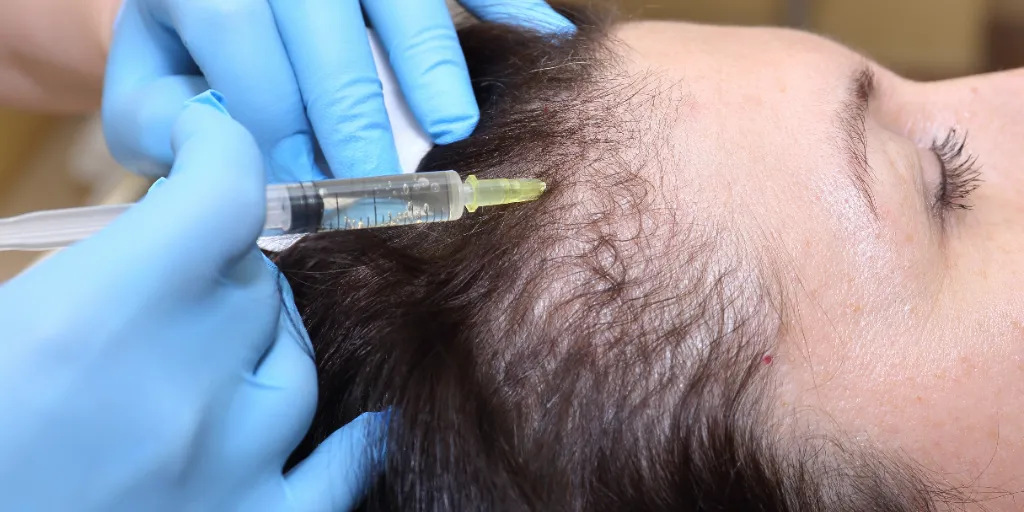
頭に注射針

未来の可能性

個別化医療

遺伝子治療は、患者一人一人の遺伝子情報に基づいて最適な治療を提供する個別化医療に繋がります。これにより、より効果的で副作用の少ない治療が実現します。

長期的な効果

従来の治療法と異なり、遺伝子治療は長期的な効果が期待されます。一度遺伝子を修正することで、長期間にわたって脱毛を防ぐことが可能です。

新たな治療法の開発

遺伝子治療の進展により、現在の治療法に限らず、全く新しい治療法が開発される可能性があります。これにより、薄毛や脱毛の治療が大きく進化するでしょう。

遺伝子治療に関する課題

安全性の確保

遺伝子治療の安全性は重要な課題です。遺伝子の修正が不適切に行われると、他の健康な遺伝子に影響を与えるリスクがあります。従って、安全性を確保するための研究が進められています。

倫理的問題

遺伝子治療には倫理的な問題も伴います。遺伝子の操作がどの程度まで許されるか、どのように管理されるべきかについて議論が必要です。

高額な治療費

遺伝子治療は高度な技術を必要とするため、現時点では高額な治療費がかかる可能性があります。普及するためには、コストの削減と保険適用などの制度整備が求められます。

結論

遺伝子治療は、薄毛や脱毛治療における新たな希望として注目されています。毛髪成長因子のターゲティングや脱毛遺伝子の抑制など、現在進行中の研究は未来の可能性を示しています。安全性や倫理的課題、治療費の問題を解決するための努力が続けられ、将来的には個別化医療として遺伝子治療が広く普及することが期待されます。患者一人一人に最適な治療を提供し、より効果的で持続的な薄毛治療が実現する日が来るでしょう。

ヒロクリニックの植毛

ヒロクリニックでは、内服治療や注射療法で効果が得られない無毛部位にも対応し、傷跡がほとんど目立たないナチュラルプロFUE治療を推奨しています。 後頭部から毛根を採取し、部分的にシェイブすることで術後の管理が容易になり、 必要な数だけを自然な仕上がりで移植します。局所麻酔を使用した日帰り手術が可能で、無理のない段階的な増毛をお手頃な料金で提供し、 国内で安心して受けられます。

記事の監修者


監修医師

岡 博史 先生

CAPラボディレクター

慶應義塾大学 医学部 卒業

医学博士

皮膚科専門医

毛发移植和基因治疗:未来的可能性和研究进展

この記事の概要

植发手术是目前治疗头发稀疏和脱发的主要方法,但近年来基因疗法也取得了进展。 基因疗法是一种直接作用于头发生长和脱发机制的新疗法。 本文将详细介绍基因疗法的基本概念、目前的研究进展和未来的可能性。

什么是基因治疗?

基本概念

基因治疗是通过纠正遗传异常或将特定基因引入体内来治疗疾病和改善症状的方法。在治疗头发稀疏或脱发时,我们的目标是通过靶向与头发生长相关的基因来解决脱发的根本原因。

基因治疗方法

基因治疗的主要方法有:

基因插入法:将健康基因导入细胞,纠正异常基因。

基因替换法:用健康的基因替换异常的基因。

基因修复法:纠正异常基因的特定部分。

基因疗法治疗头发稀疏和脱发的可能性

针对头发生长因子

基因疗法可以抑制激活毛发生长因子的基因或导致脱发的基因。目标因素如下:

FGF(成纤维细胞生长因子):起到促进毛发生长的作用。

VEGF(血管内皮生长因子):增加毛囊周围的血管,促进头发滋养。

BMP(骨形态发生蛋白):参与毛囊的生长和维护。

抑制脱发基因

可以通过抑制导致脱发的基因的活性来预防脱发。一个例子是针对产生 DHT(二氢睾酮)的基因,这是一种与脱发有关的基因。

目前的研究及进展

基因治疗实验

动物实验

动物研究证实了基因疗法对毛发生长的影响。例如,在使用小鼠模型的实验中,通过引入 FGF 或 VEGF 基因促进了毛发生长。

临床试验

一些基因疗法也已开始人体临床试验。这些试验评估安全性和有效性,是未来商业化的重要步骤。

最新研究成果

成簇周期性间隔重复序列 (CRISPR-Cas9) 技术

CRISPR-Cas9是一项编辑特定基因的创新技术,在脱发治疗中具有潜在应用。利用这项技术,正在进行研究来抑制导致脱发的基因的活性。

干细胞研究

使用干细胞的研究也在取得进展,并且已经开发出利用干细胞再生毛囊的技术。预计这将使毛囊再生并产生新头发。

頭に注射針

未来的可能性

个性化医疗

基因治疗将带来个性化医疗,根据每个患者的遗传信息提供最佳治疗。这导致更有效的治疗和更少的副作用。

长期影响

与传统治疗不同,基因治疗有望产生长期效果。通过一次修正基因,就可以长期防止脱发。

开发新疗法

基因治疗的进步有可能导致除现有治疗方法之外的全新治疗方法的开发。这将大大推进头发稀疏和脱发的治疗。

与基因治疗相关的问题

确保安全

基因治疗的安全性是一个重要问题。如果一个基因被错误修改,就有可能影响其他健康基因。因此,正在进行研究以确保安全。

道德问题

基因治疗还涉及伦理问题。需要讨论基因操纵的允许程度以及如何管理。

昂贵的治疗费用

由于基因治疗需要先进的技术,目前治疗费用可能很高。为了使其普及,需要降低成本并开发保险等制度。

结论

基因疗法作为治疗稀疏头发和脱发的新希望而受到关注。正在进行的研究,包括针对头发生长因子和抑制脱发基因,显示了未来的可能性。继续努力解决安全性、伦理问题和治疗成本问题,预计基因治疗未来将作为个性化医疗得到广泛应用。总有一天,我们能够为每位患者提供最佳的治疗方案,实现更有效、更持久的脱发治疗。

Hiro 诊所毛发移植

在Hiro Clinic,我们推荐Natural Pro FUE治疗,该治疗可以治疗口服治疗或注射治疗无效的无毛部位,并且几乎不会留下明显的疤痕。 通过从后脑勺采集发根并剃除该区域的毛发,术后管理更加容易,并且只移植所需的数量,获得自然的效果。它可以使用局部麻醉进行当日手术,以实惠的价格提供逐渐的毛发生长,并且可以在日本安全地进行。

記事の監修者


監修医師

岡 博史 先生

CAPラボディレクター

慶應義塾大学 医学部 卒業

医学博士

皮膚科専門医

Hair Transplantation and Gene Therapy: Future Possibilities and Research Advances

この記事の概要

Hair transplantation surgery is currently the primary method of treating thinning hair and hair loss, but recent years have seen advances in gene therapy. Gene therapy is a new treatment that works directly on the mechanisms of hair growth and hair loss. This article details the basic concepts of gene therapy, current research advances, and future possibilities.

What is gene therapy?

Basic Concepts

Gene therapy is a method to treat diseases or improve symptoms by correcting genetic abnormalities or introducing specific genes into the body. In the treatment of thinning hair and hair loss, it aims to fundamentally solve the cause of hair loss by targeting genes involved in hair growth.

Gene Therapy Methods

The main types of gene therapy include:

Gene insertion: A healthy gene is introduced into the cell and an abnormal gene is corrected.

Gene replacement: Replacing an abnormal gene with a healthy gene.

Gene repair therapy: Correcting specific parts of the abnormal gene.

The potential of gene therapy to treat thinning hair and hair loss

Targeting hair growth factors

Gene therapy can suppress genes that activate hair growth factors or cause hair loss by targeting the following factors:

FGF (Fibroblast Growth Factor): Plays a role in promoting hair growth.

VEGF (Vascular Endothelial Growth Factor): Increases blood vessels around the hair follicle and promotes nutrition to the hair.

BMP (bone morphogenetic protein): Involved in the growth and maintenance of hair follicles.

Suppression of hair loss genes

Hair loss can be prevented by suppressing the activity of genes that cause hair loss, for example by targeting the gene that produces DHT (dihydrotestosterone), a gene involved in hair loss.

Current Research and Developments

Gene Therapy Experiments

Animal testing

Animal experiments have confirmed the effect of gene therapy on hair growth. For example, in experiments using mouse models, the introduction of FGF and VEGF genes promoted hair growth.

Clinical Trials

Some gene therapies have also begun clinical trials in humans, where safety and efficacy are being evaluated and are an important step towards their future commercialization.

Latest research findings

Clustered regularly interspaced repeats (CRISPR-Cas9) technology

CRISPR-Cas9 is a revolutionary technique for editing specific genes that has potential applications in treating hair loss. Research is being done to silence genes that cause hair loss.

Stem Cell Research

Research into the use of stem cells is also progressing, and technology is being developed to regenerate hair follicles from stem cells, which is expected to make it possible to regenerate hair follicles and generate new hair.

頭に注射針

Future Possibilities

Personalized Medicine

Gene therapy will lead to personalized medicine, which provides optimal treatment based on each patient’s genetic information, making treatment more effective and with fewer side effects.

Long-term effects

Unlike conventional treatments, gene therapy is expected to have a long-term effect. Once the gene is corrected, it is possible to prevent hair loss for a long period of time.

Development of new treatments

Advances in gene therapy may lead to the development of completely new treatments in addition to current treatments, which will greatly advance the treatment of thinning hair and hair loss.

Challenges of gene therapy

Ensuring safety

The safety of gene therapy is an important issue. If gene correction is done improperly, there is a risk that it may affect other healthy genes. Therefore, research is being conducted to ensure safety.

Ethical issues

Gene therapy also raises ethical issues: to what extent gene manipulation is permissible and how it should be controlled is a matter of debate.

High medical costs

Gene therapy requires advanced technology, and as such is currently potentially very expensive. In order for it to become more widespread, it is necessary to reduce costs and establish systems such as insurance coverage.

Conclusion

Gene therapy is attracting attention as a new hope in the treatment of thinning hair and hair loss. Ongoing research, such as targeting hair growth factors and suppressing hair loss genes, shows future possibilities. As efforts continue to resolve issues of safety, ethical issues, and treatment costs, it is expected that gene therapy will become widespread as personalized medicine in the future. The day will come when we can provide optimal treatment for each patient and realize more effective and lasting hair loss treatment.

Hiro Clinic Hair Transplant

Hiro Clinic recommends Natural Pro FUE treatment, which can be used on hairless areas where oral medication or injection therapy is ineffective, and leaves barely noticeable scars. Hair roots are harvested from the back of the head and partially shaved, making post-operative care easier, and only the required number of hairs are transplanted with a natural finish. It is a same-day procedure using local anesthesia, and provides gentle, gradual hair growth at an affordable price, making it a safe option in Japan.


記事の監修者


監修医師

岡 博史 先生

CAPラボディレクター

慶應義塾大学 医学部 卒業

医学博士

皮膚科専門医

Click Me