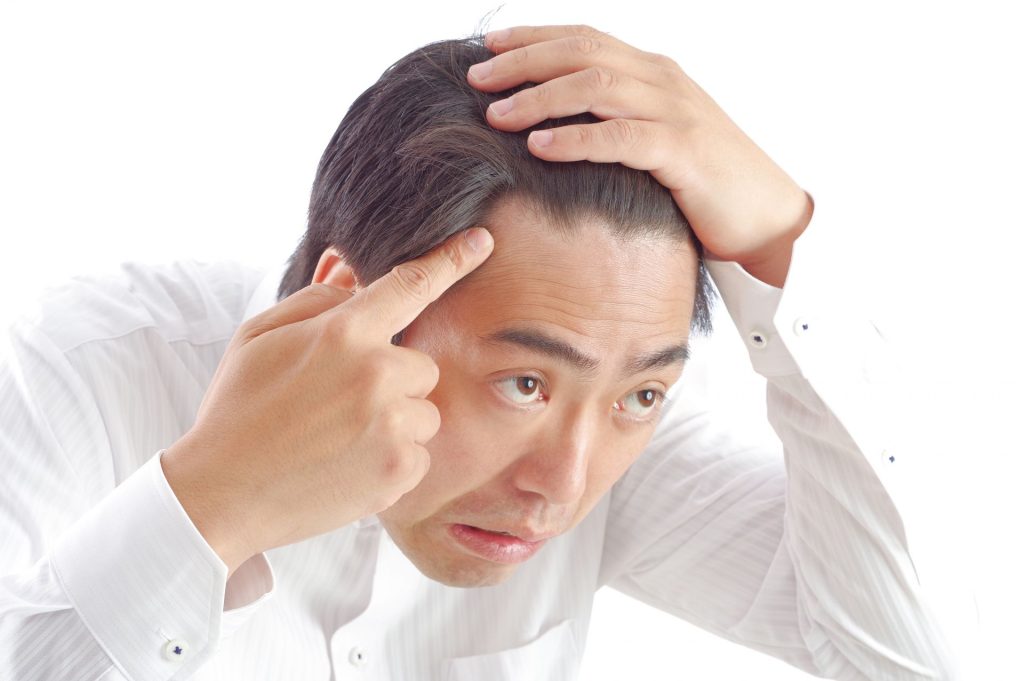
植毛治療は、自分の健康な毛髪を薄毛部分に移植する手術です。主に使用される技術には、FUT法(Follicular Unit Transplantation)とFUE法(Follicular Unit Extraction)があります。どちらの方法も、自然な見た目を実現し、長期的な効果を期待できるとされています。
在Hiro Clinic,我们推荐Natural Pro FUE治疗,该治疗可以治疗口服治疗或注射治疗无效的无毛部位,并且几乎不会留下明显的疤痕。 通过从后脑勺采集发根并剃除该区域的毛发,术后管理变得更加容易,并且只移植所需的数量,打造自然的妆容。它可以使用局部麻醉作为当日手术进行,以实惠的价格提供逐渐的毛发生长,并且可以在日本安全地进行。
Long-term effects of hair transplantation: assessing persistence
この記事の概要
Hair transplant treatment can be an effective solution for many people suffering from thinning or balding hair. However, the long-term sustainability of the treatment's effects is an important factor in the decision to treat. This article provides a detailed evaluation of the long-term effectiveness of hair transplantation and its sustainability.
Basics of hair transplant treatment
Hair transplantation is a surgical procedure that transplants your own healthy hair into areas with thinning hair. The mainly used techniques include the FUT method (Follicular Unit Transplantation) and the FUE method (Follicular Unit Extraction). Both methods are said to give a natural look and provide long-term results.
Sustainability of hair transplant
permanent results
Once the hair is transplanted, it usually continues to grow permanently. This is because the hair taken from the donor area is genetically less susceptible to hair thinning. Therefore, the transplanted hair will continue to grow in the thinning area for a long period of time.
hair growth cycle
Transplanted hair follows the same growth cycle as normal hair. New hair grows through a repeating cycle of anagen (2 to 6 years), catagen (several weeks), and telogen (several months). This cycle allows the transplanted hair to continue to grow naturally.
Effects of aging and hair transplantation
As we age, we may experience natural hair loss, but transplanted hair retains the characteristics of the donor area and is therefore less susceptible to hair thinning. However, existing surrounding hair may be removed and additional hair transplants may be required to maintain the long-term appearance.
Factors to maximize long-term effectiveness
Doctor’s skills and experience
To maximize long-term results, it is important that the treatment be performed by an experienced doctor. The more skilled the specialist is, the higher the survival rate of the transplanted hair will be, and the easier it will be to achieve a natural finish.
Appropriate postoperative care
Post-operative care greatly affects the survival and growth of transplanted hair. By keeping your scalp clean and following your doctor’s instructions, you can ensure long-term results.
lifestyle improvement
Lifestyle changes such as a healthy diet, regular exercise, and stress management are also important for maintaining hair health. A diet especially rich in vitamins and minerals promotes hair growth.
Success stories and research
Success Stories
In many success stories, patients who undergo hair transplant surgery report satisfactory long-term results. Below are some specific examples.
Case 1: Men in their 30s
Mr. A, a man in his 30s, underwent hair transplant surgery using the FUE method for thinning hair on the front of his head. Ten years have passed since the surgery, and the transplanted hair continues to grow healthy and maintains its natural appearance.
Case 2: Women in their 40s
Ms. B, a woman in her 40s, underwent hair transplant surgery using the FUT method for extensive thinning hair on the top of her head. Five years after the surgery, the transplanted hair grew steadily and the thinning areas became less noticeable.
Research results
Multiple clinical studies have confirmed the long-term effectiveness of hair transplant treatments. Research shows that with proper surgery and care, transplanted hair has a high survival rate of over 90% and can maintain natural growth for more than 10 years.
Risks and limitations of hair transplant treatment
surgery risks
Hair transplant surgery involves risks associated with infection, bleeding, and anesthesia. However, these risks are minimized when the surgery is performed by an experienced doctor.
Limits of transplanted hair
Although transplanted hair will continue to grow permanently, it may not be a complete solution to widespread hair loss due to the limited amount of hair in the donor area. In these cases, multiple surgeries may be required.
Natural hair loss progression
Transplanted hair is less susceptible to hair thinning, but surrounding existing hair may lose hair. Because of this, additional treatments may be required to maintain long-term appearance.
Strategies to maximize long-term impact
regular follow-up
Regular follow-up visits allow us to check the health of the transplanted area and existing hair and provide any necessary care or additional treatments.
continuous treatment
By continuing drug therapy such as minoxidil or finasteride, you can maintain existing hair and suppress the progression of hair thinning.
Review of lifestyle
Maintaining a healthy lifestyle will help maintain long-term hair health. A balanced diet, moderate exercise, and stress management are important.
In conclusion
Hair transplantation is an effective long-term hair loss treatment, and once the hair is transplanted, it usually continues to grow permanently. Proper postoperative care, physician skill, and maintaining a healthy lifestyle are important factors to maximize long-term results. By choosing a reliable clinic and an experienced doctor, and providing regular follow-up and ongoing care, you will be able to achieve satisfactory results.
Hiro Clinic Hair Transplant
At Hiro Clinic, we recommend Natural Pro FUE treatment, which treats hairless areas where oral treatment or injection therapy is not effective, and leaves almost no visible scars. By harvesting hair roots from the back of the head and shaving the area, post-surgery management is easier, and only the required number is transplanted with a natural-looking finish. It can be performed as a same-day surgery using local anesthesia, provides gradual hair growth at an affordable price, and can be safely performed in Japan.