Hair transplant surgery has gained attention as an effective solution for hair loss, but the outcome is not determined by the procedure alone. Post-operative lifestyle and self-care greatly influence graft survival and the quality of hair growth. Among these, scalp massage performed at the appropriate time can promote blood circulation and deliver sufficient nutrients to the hair roots. However, if the delicate scalp is stimulated incorrectly immediately after surgery, there is a risk of damaging the grafts. In this article, we provide a detailed professional guide to massage methods that should be incorporated after a hair transplant.
Chapter 1: Characteristics of the Scalp After Transplant and the Role of Massage
Immediately after a hair transplant, the scalp bears numerous micro-wounds caused by the surgical procedure. During this initial stage, swelling, redness, and scab formation are common, and even touching the area can pose significant risks. On the other hand, once healing has progressed to a certain extent, appropriate massage becomes an important form of care, improving circulation and conditioning the scalp environment. Proper blood flow ensures oxygen and nutrients reach the dermal papilla cells, supporting graft survival. Massage also relaxes muscles and increases scalp flexibility. Since a stiff scalp can hinder blood flow to hair roots, maintaining flexibility is vital for long-term hair maintenance. Thus, post-transplant massage must be performed at the right time and in the right way, as these two factors greatly determine success.
Chapter 2: The Best Timing to Begin Massage
Massage should not start immediately after a transplant. For the first week, the grafts remain unstable, and strong stimulation of the scalp can cause them to fall out. Generally, massage is only permitted 2–3 weeks post-surgery, once all scabs have fallen off and the scalp has stabilized. The specific timing varies depending on the surgical method (FUE or FUT), treatment area, and individual healing speed, so always follow medical evaluation and instructions. Stimulating too early increases risk, while delaying for too long can cause poor circulation and scalp stiffness. Determining the correct timing is key to maximizing massage benefits. Regular follow-up with your doctor is essential to proceed safely.
Chapter 3: Basic Massage Techniques to Enhance Effectiveness
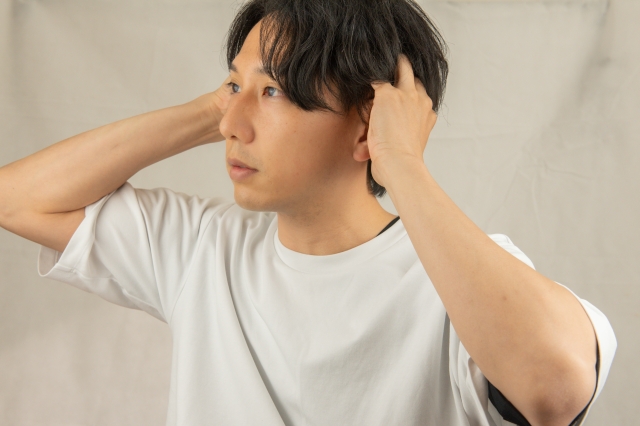
Post-transplant massage should be soft and gentle, focusing on “pressing lightly” and “moving in circular motions.” One method is to use the pads of your fingers to slowly massage in circles from the temples up to the crown. This improves blood flow and lymphatic circulation. Gently pressing the back and sides of the head helps relieve scalp tension and reduce stiffness. Each session should last 5–10 minutes, ideally done twice daily. Long sessions are unnecessary—short but consistent care is most effective. Always use fingertips, not nails, and avoid friction. These simple techniques create a healthy environment for transplanted hair while maintaining overall scalp health.
Chapter 4: Using Oils or Lotions in Massage
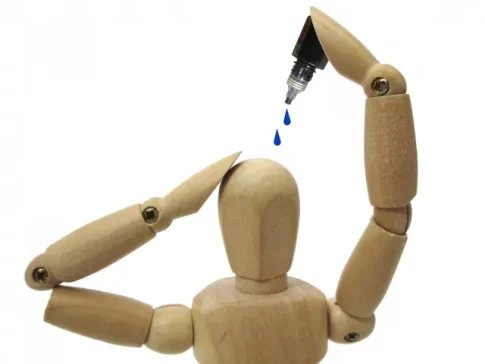
Incorporating oils or lotions can make massage more effective. However, since the scalp is delicate right after surgery, avoid strong or alcohol-based products. Low-irritation moisturizers or natural oils recommended by your doctor, such as jojoba oil or argan oil, prevent dryness and enhance massage smoothness. These oils penetrate well and support both hydration and circulation. Always apply with clean hands, spreading a small amount evenly before massaging. This reduces friction while maximizing blood flow. Combining proper hydration with massage not only aids graft survival but also maintains a healthy scalp environment.
Chapter 5: Incorporating Massage Into Daily Life and Precautions
Massage is most effective when practiced regularly. Performing it after bathing, when the scalp is soft and circulation is strong, enhances results. However, some precautions are important: never rub the scalp forcefully, as friction or pressure can damage roots. Always use clean hands to reduce infection risk. Avoid massaging if hair products or styling agents remain on the scalp, as this can push residue into pores. To build consistency, integrate short sessions into your daily routine—for example, before bedtime as part of relaxation. This not only supports scalp care but also provides mental comfort, making long-term adherence easier.
Chapter 6: The Link Between Circulation and Hair Matrix Cell Activation
The primary purpose of post-transplant massage is to improve scalp circulation and support the activity of hair matrix cells. These cells, located at the hair root, generate new hair and rely on oxygen and nutrients from the blood. Poor circulation can limit supply, impairing growth. Massage enhances microcirculation, boosting metabolism and normalizing the growth cycle. Improved circulation also raises scalp temperature slightly, creating a more active environment for hair roots. From around one month after surgery, when grafts begin to establish, these effects directly support growth, making consistent massage highly beneficial.
Chapter 7: The Interaction Between Autonomic Nervous System and Massage
Massage benefits go beyond circulation—it also balances the autonomic nervous system through relaxation. After a transplant, patients often experience stress and anxiety, which can disrupt blood flow and hormones. Incorporating scalp massage during bedtime or relaxation time activates the parasympathetic nervous system, improving sleep quality. Quality sleep enhances growth hormone secretion, supporting repair and regeneration of hair matrix cells. Thus, massage indirectly strengthens hair growth by reducing psychological stress. This dual effect helps patients maintain both physical and emotional stability, supporting long-term care.
Chapter 8: Using Massage Devices and Tools
Various scalp massage devices are now available and can support post-transplant care. However, timing and selection are critical. Using stimulating devices too early (within the first month) risks dislodging grafts, so always consult your doctor and wait until recovery has advanced. Options like electric scalp brushes or low-frequency massagers provide even stimulation, improving circulation and reaching areas difficult to massage manually. Silicone brush tools are popular as they are gentle and can be combined with shampooing. The key is consistency over intensity. Short daily use maximizes results and helps condition the scalp during recovery.
Chapter 9: Synergy With Hair Growth Agents
Combining massage with topical growth agents further boosts effectiveness. Massage improves circulation and enhances root activity, making it easier for active ingredients to penetrate. For example, minoxidil, a vasodilator, works synergistically with improved circulation to deliver nutrients to matrix cells. However, growth agents should not be applied immediately after surgery. They must only be introduced after the scalp has healed, under medical guidance. Concentration and dosage should be tailored by your doctor. When combined correctly, massage and growth agents provide enhanced results compared to either method alone.
Chapter 10: The Long-Term Value of Scalp Massage
Scalp massage is not just a short-term care measure—it plays a critical role in long-term maintenance. Even after grafts take root, they follow the natural hair cycle, requiring ongoing scalp flexibility and circulation. Regular massage supports healthy graft growth while also preventing loss of existing hair. A soft, well-nourished scalp enhances hair volume, shine, and overall appearance. Massage also provides relaxation and stress relief, making it an ideal lifestyle habit. As a long-term practice, it sustains the benefits of a transplant for years to come.
Conclusion
Advances in surgical techniques have made hair transplants highly successful and natural-looking. Yet, maintaining results over time requires diligent aftercare. Scalp massage is one of the most effective methods, supporting graft survival, improving circulation, and promoting overall scalp health. The key is to start only when the scalp is ready, apply gentle pressure with fingertips, and practice consistently, even in short sessions.
Combining massage with moisturizers, oils, devices, or hair growth agents enhances effectiveness, while also offering relaxation and peace of mind. As a long-term habit, massage not only supports transplanted hair but also benefits existing hair and overall well-being.
Ultimately, scalp massage after a hair transplant is not just supplementary care but a critical step in protecting surgical results and nurturing ideal hair growth. By following medical guidance and integrating the right approach into daily life, patients can achieve both aesthetic improvements and improved quality of life. For anyone considering or having undergone a transplant, massage should be seen not just as a routine—but as a strategy to protect the future of your hair.