在Hiro Clinic,我们推荐Natural Pro FUE治疗,该治疗可以治疗口服治疗或注射治疗无效的无毛部位,并且几乎不会留下明显的疤痕。 通过从后脑勺采集发根并剃除该区域的毛发,术后管理更加容易,并且只移植所需的数量,获得自然的效果。它可以使用局部麻醉进行当日手术,以实惠的价格提供逐渐的毛发生长,并且可以在日本安全地进行。
Hair transplant surgery and side effects: Common side effects and how to deal with them
この記事の概要
Hair transplant surgery is an effective solution for many people suffering from thinning hair or hair loss, but the procedure can come with some side effects. This article details common side effects associated with hair transplant surgery and how to deal with them.
Common Side Effects
1. Swelling
Overview
You may experience swelling on your forehead and around your eyes after surgery due to the saline and anesthetic solutions used during surgery.
Solution
Sleep with your head elevated: Elevate your head using 2 to 3 pillows to reduce swelling.
Use a cold pack: Apply a cold pack lightly to the swollen area to reduce inflammation, but be careful not to apply ice directly to the area.
Follow your doctor’s advice: If the swelling is severe, consult your doctor and get proper treatment.
2. Pain
Overview
You may experience some pain or discomfort after surgery. This is due to the skin incisions and grafts .
Solution
Painkillers: Take the painkillers prescribed by your doctor appropriately.
Rest and relaxation: Do not push yourself and make sure you get plenty of rest after your surgery.
Recovery Over Time: In most cases, loss of sensation or numbness will resolve within a few weeks to months.
Consult a doctor: If loss of sensation or numbness persists for an extended period of time, consult a doctor.
General Treatment and Prevention Measures
Proper hair washing and scalp care
Initial hair wash:
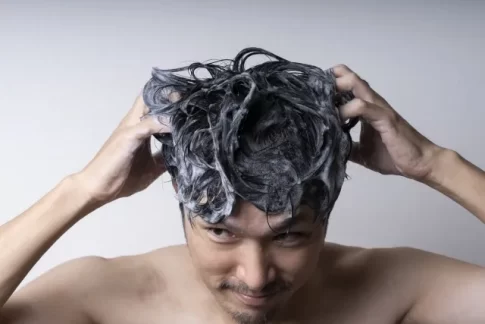
Wash your hair for the first time 2 to 3 days after surgery, rinsing lightly with lukewarm water.
Use a mild shampoo:
Use a mild shampoo and wash gently with your fingertips.
Healthy lifestyle habits
A nutritionally balanced diet:
Consume foods rich in vitamins A, C, E, zinc and iron to support healthy hair.
Drink plenty of fluids:
Drink at least 2 litres of water a day to prevent a dry scalp.
No smoking and no drinking:
To improve blood flow and speed up recovery after surgery, quit smoking and drink alcohol in moderation.
Moderate exercise and stress management
Moderate exercise:
To increase blood circulation and support hair growth, try walking, light jogging, or yoga.
Stress Management:
Reduce stress by meditating, taking deep breaths, and taking up hobbies.
Good quality sleep
Get enough rest:
Getting 7-8 hours of quality sleep every night will help maintain your overall health.
Relaxing environment:
Avoid using your smartphone or computer before bedtime and create a relaxing environment.
Moisturizes and protects the scalp
Use of moisturizer:
Use a moisturizer that contains aloe vera or vitamin E to prevent a dry scalp.
UV protection:
When going outside, wear a hat to protect your scalp from UV rays.
Regular follow-up
Follow your doctor’s instructions:
You will have regular follow-up appointments after surgery to check the condition of your scalp and transplanted hair.
Prescription Drug Use:
We will use the medications prescribed by your doctor appropriately to help you recover after surgery.
Conclusion
Hair transplant surgery may be accompanied by some side effects, but knowing how to deal with them properly can help reduce these side effects and ensure the success of the surgery. Following your doctor’s instructions and continuing proper self-care after surgery can help promote healthy hair growth and optimize the results of your surgery. If you experience any side effects, it is important to consult a doctor promptly and receive appropriate treatment.
Hiro Clinic Hair Transplant
Hiro Clinic recommends Natural Pro FUE treatment, which can be used on hairless areas where oral medication or injection therapy is ineffective, and leaves barely noticeable scars. Hair roots are harvested from the back of the head and partially shaved, making post-operative care easier, and only the required number of hairs are transplanted with a natural finish. It is a same-day procedure using local anesthesia, and provides gentle, gradual hair growth at an affordable price, making it a safe option in Japan.