Summary of this article
When extracting DNA from paper cups, care must be taken to prevent contamination and to store the sample. Check for proper handling procedures to ensure accurate results.
Prenatal paternity DNA testing from DNA on paper cups is technically feasible, but there are some important limitations and challenges.
1. Quantity and quality of DNA
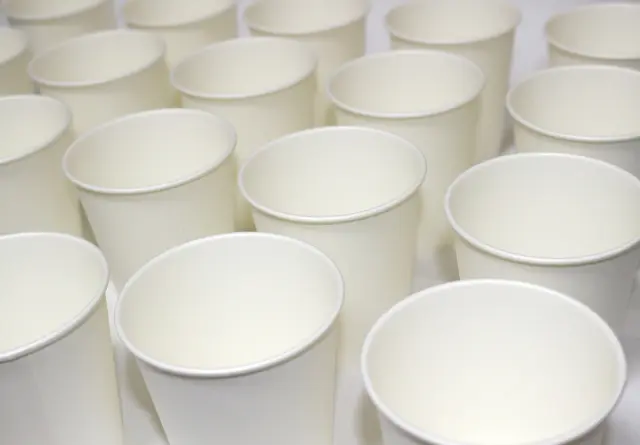
- Amount of DNA: the amount of DNA collected from saliva and oral cells on the paper cup must be sufficient. The amount of DNA remaining after the paper cup has been used is minute, and if this is not at the level required for identification, accurate results will be difficult to obtain.
- DNA quality: DNA on paper cups is sensitive to environmental influences and can be degraded, particularly by drying, light and temperature changes. Degraded DNA is often fragmented and can be difficult to analyze.
2. The peculiarities of prenatal parentage testing
- Sample from the mother: prenatal paternity testing usually involves extracting fetal DNA from the mother’s blood. This fetal DNA is then compared with the DNA of the potential father taken from a paper cup.
- Accuracy and reliability: a very high degree of accuracy is required for identification. If DNA collected from paper cups is degraded or mixed with other DNA, false results may be produced.
3. Risk of contamination
- Cross-contamination: there is a risk that DNA on a paper cup can mix with other DNA. For example, if another person touches the same paper cup or another DNA is deposited on it during storage or transport, this may affect the results of the identification.
4. Legal and ethical aspects
- Informed consent: appropriate consent must be obtained from all parties involved before an appraisal can be carried out. Legal and ethical procedures are particularly important as prenatal appraisals are sensitive matters.
Summary
Technically, it is possible to carry out prenatal paternity DNA testing from DNA on paper cups, but a number of conditions must be met for success: it is essential that the quantity and quality of the DNA is sufficient and that contamination is prevented. In addition, prenatal paternity testing requires a particularly high degree of accuracy, so careful consideration must be given to whether the DNA from the paper cups is suitable for analysis.
Therefore, prenatal parentage testing by DNA extraction from paper cups, although possible, is a process that requires a very high level of skill and strict control.
略歴
- 1996年 慶應義塾大学医学部 卒業
- 2004年 慶應義塾大学 医学博士号 取得
- 2005年 慶應義塾大学 皮膚科学教室 助手
- 2008年 ヒロ皮フ形成クリニック 開業
- 2009年 医療法人社団福美会 理事長
- 2015年 医療法人社団福美会 理事
資格・所属
- CAPラボディレクター
- 日本皮膚科学会 皮膚科専門医
- 日本医師会 産業医
- 東京衛生検査所 指導監督医
この記事は、 ヒロクリニックNIPPTの編集・監修体制 にもとづき、資格を持つ医師が内容を確認しています。
堤 修一 (つつみ しゅういち)
医師・医学博士 / ヒロクリニック博多駅前院 院長
略歴
- 1993年 東京大学医学部医学科 卒業
- 2016〜2019年 東京大学先端科学技術研究センター 准教授
発信・関連リンク
この記事は、 ヒロクリニックNIPPTの編集・監修体制 にもとづき、資格を持つ医師が内容を確認しています。
Latest Articles

Supervisor of the article
Dr. Hiroshi Oka
Graduated from Keio University, Faculty of Medicine
Doctor of Medicine
Medical Doctor