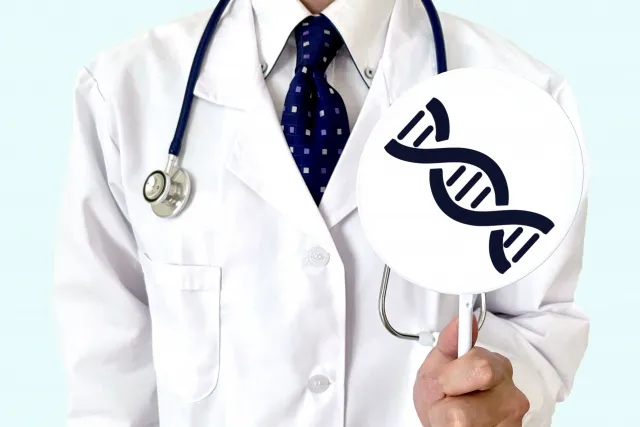
The theme of “the dark side of DNA testing” often refers to potential problems and issues related to DNA testing, such as misuse of the technology, ethical issues, and invasion of privacy. Below is a description of some of the typical issues that are considered “dark” in the field.
1. Invasion of privacy
DNA testing involves very personal information and may threaten an individual’s privacy. Cases of unauthorized collection of DNA samples and their use without the individual’s consent, as well as the possibility of the information being leaked by third parties, have been raised as problems.
2. Falsified appraisal results
Some unscrupulous vendors may provide fraudulent DNA test results. This is an act of fraud and destruction of personal trust that can cause significant harm, especially in family matters and legal disputes.
3. Ethical issues
While DNA testing in proving parent-child relationships and in criminal investigations offers many advantages, it can also raise ethical issues because DNA may be collected or used without the consent of the individual. In addition, the results of DNA testing have a significant impact on people’s lives and should be handled very carefully.
4. Legal and social implications
When DNA test results are misinterpreted or judgments based on the results are unfair, they can contribute to disputes at home and in court. In particular, DNA testing plays a major role in parent-child relationships and inheritance issues, but in some cases the results can destroy family relationships.
5. Promotion of misunderstanding and prejudice
While DNA testing technology is advancing, public understanding has not kept pace, and misunderstandings and prejudices can easily arise. This can lead to the misconception that “genes determine everything,” resulting in discrimination and unfair treatment.
While DNA analysis technology is a very useful tool, proper regulatory and ethical guidelines are needed to address its “dark side. “In particular, the protection of personal information and ethical appraisal procedures are critical.
略歴
- 1996年 慶應義塾大学医学部 卒業
- 2004年 慶應義塾大学 医学博士号 取得
- 2005年 慶應義塾大学 皮膚科学教室 助手
- 2008年 ヒロ皮フ形成クリニック 開業
- 2009年 医療法人社団福美会 理事長
- 2015年 医療法人社団福美会 理事
資格・所属
- CAPラボディレクター
- 日本皮膚科学会 皮膚科専門医
- 日本医師会 産業医
- 東京衛生検査所 指導監督医
この記事は、 ヒロクリニックNIPPTの編集・監修体制 にもとづき、資格を持つ医師が内容を確認しています。
堤 修一 (つつみ しゅういち)
医師・医学博士 / ヒロクリニック博多駅前院 院長
略歴
- 1993年 東京大学医学部医学科 卒業
- 2016〜2019年 東京大学先端科学技術研究センター 准教授
発信・関連リンク
この記事は、 ヒロクリニックNIPPTの編集・監修体制 にもとづき、資格を持つ医師が内容を確認しています。
Latest Articles



Supervisor of the article
Dr. Hiroshi Oka
Graduated from Keio University, Faculty of Medicine
Doctor of Medicine
Medical Doctor