おでこの植毛には主に2つの方法、FUT法(Follicular Unit Transplantation)とFUE法(Follicular Unit Extraction)があります。どちらも自分の髪の毛を使用するため、自然で持続的な結果を得ることができますが、それぞれに特徴とメリット・デメリットがあります。
Forehead hair transplantation is a surgical procedure in which hair is harvested from the back or side of the head to regrow the hairline. There are two main methods: the FUT method (harvested in a band) and the FUE method (harvested one hair at a time), both of which are performed to achieve a natural appearance. Because hair transplantation uses one's own hair, it has a low risk of allergies and is a popular long-term solution. There are some side effects after surgery, such as pain and swelling, but they usually subside within a few days. The cost depends on the procedure and the amount of transplantation, and generally ranges from 300,000 to 1,000,000 yen. The psychological benefits are also significant, and the procedure is gaining attention as a means to improve appearance and self-confidence.
What is forehead hair transplant?
Forehead hair transplant is a surgical procedure in which hair is harvested from the back or sides of the scalp and transplanted to the hairline or forehead. Hair transplants are popular as a way to restore natural hair and restore self-confidence, especially for those who feel their forehead is widening or their hairline is receding. Over time, the transplanted hair will form a new hairline and grow naturally. During this procedure, the transplanted is carefully placed to match the patient’s own hairline and forehead design, ensuring a natural look after the procedure. In addition to improving the appearance, forehead hair transplants also have a significant psychological effect, helping to reduce the stress caused by self-consciousness about appearance.
In the FUT method, a strip of skin is removed from the back of the scalp, and hair follicles (a collection of hair roots) are harvested and transplanted from that area. This method is suitable for those who need a large area of hair transplantation , as it allows many hairs to be transplanted in one surgery . However, it may be difficult to shorten the hair after surgery, as a long, thin scar remains in the area where the hair was removed. This method allows many hair follicles to be transplanted in a relatively short period of time , making it suitable for those who want to increase the density of their hair.
FUE method (Follicular Unit Extraction)
The FUE method involves carefully harvesting and transplanting hair follicles one by one . This method does not require excision and leaves only a small circular scar, which has the advantage of being less noticeable and allowing for quicker recovery. Therefore, it is suitable for people who want to cut their hair short after surgery or who want to avoid noticeable scars. However, the number of hair follicles that can be harvested in one surgery with the FUE method is smaller than with the FUT method, so multiple surgeries may be required for large-area hair transplants .
Effects and benefits of forehead hair transplant
Hair transplantation has the following effects and benefits:
Natural hairline regrowth
The main benefit of hair transplantation is that it allows you to design your hairline and recreate a natural look. Hair transplantation can improve the appearance of a wide forehead and other aging factors. Performed by a specialist, the procedure is designed to match the patient’s facial contours and hair density, creating a natural looking hairline that looks as if it had always grown there.
A permanent solution
The transplanted hair is taken from areas that are less prone to hair loss, such as the back or sides of the head, so it retains its properties after transplantation . Therefore, once transplanted , the hair continues to grow like normal hair and is less likely to fall out. This property makes forehead hair transplants a long-term solution.
Safe because it uses your own hair
Hair transplant surgery uses the patient’s own hair, so there is no need to worry about allergies or rejection. Since no other person’s hair or artificial materials are used, the burden on the body is minimal and the results are natural.
Side effects and risks
Hair transplant surgery also comes with some side effects and risks, which you should be aware of beforehand to help you with post-operative care and recovery.
Pain and swelling after surgery
After surgery, patients may experience mild pain and swelling at the transplant and harvest sites, but this usually subsides within a few days to a week. Pain can be relieved with painkillers prescribed by your doctor, and many patients quickly return to their daily activities.
The cost of forehead hair transplantation varies greatly depending on the surgical method and the amount of hair to be transplanted . The FUE method in particular is labor-intensive because it involves harvesting hair follicles one by one, and tends to be expensive. Before deciding on the surgery, it is important to receive counseling and estimates from the clinic to fully understand the costs.
Cost of forehead hair transplant
The cost of forehead hair transplantation depends on the extent of the procedure and the method you choose. In general, it can cost anywhere from 300,000 yen to over 1 million yen, with the FUE method being more expensive than the FUT method. The cost also varies depending on the clinic and the doctor’s experience, so we recommend that you receive counseling at multiple clinics to choose the treatment that best suits you.
Post-operative care
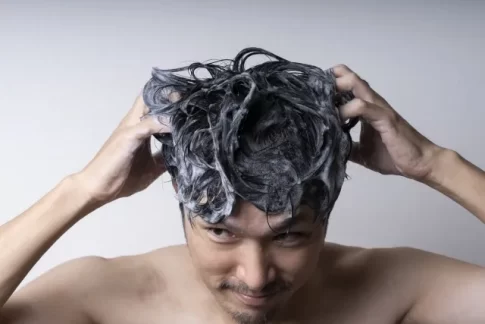
After surgery, some care is required during the recovery period. It is recommended that you take care not to irritate your scalp and refrain from strenuous exercise and alcohol for about a week after surgery. It is also important to keep your scalp clean immediately after surgery and follow your doctor’s instructions on how to wash your hair. Wash your hair lightly for a few days after surgery, and you can return to normal care after a few weeks.
Hair transplants on the forehead do not only improve your appearance, but also have a significant impact on your mental health. Many studies have shown that a receding hairline not only makes you look older, but also reduces your self-confidence. Hair transplants on the forehead are expected to solve these problems and have a positive impact on your daily life. Many people find that after the surgery they become more sociable and feel less stressed when interacting with others.
Latest technologies and trends
Robotic hair transplantation
The latest hair transplant techniques include robotic procedures, which allow for more precise and efficient collection and transplantation of hair follicles. In particular, in the FUE method, the robot precisely collects each individual hair follicle, allowing for detailed treatment that would be difficult to perform manually. This reduces the treatment time and improves the natural look of the results after surgery. Robotic techniques work in collaboration with the surgeon to tailor treatment to the individual needs of the patient.
Combination of hair transplant and hair regeneration treatment
In addition, hair transplants are increasingly being combined with hair restoration treatments (such as PRP therapy and the use of minoxidil) to achieve better results. Hair restoration treatments help to promote the growth of not only the transplanted hair, but also the existing hair, increasing overall hair density. Combining these treatments can provide a more natural and lasting result.
Forehead hair transplant design and simulation
In recent years, it has become common for doctors and patients to simulate the design before the procedure, working together to create the ideal hairline. Specialized software is used to visualize the design based on the patient’s facial features and preferences. This allows patients to visualize the specific results they will achieve after surgery, giving them peace of mind.
Success rate and satisfaction
The success rate of forehead hair transplants is very high, with many clinics achieving success rates of over 90%. The success rate depends largely on the doctor’s experience and skill, as well as the care taken of the patient, but by choosing the right clinic, you can usually achieve satisfactory results. Satisfied patients often express their gratitude not only for the natural look, but also for being free from the worries of thinning hair .
summary
Forehead hair transplant is an effective treatment for those who are concerned about a widening forehead or receding hairline, as it can restore natural hair. Both FUE and FUT methods can achieve a natural finish, and the hairline can be designed according to the patient’s wishes. Since the transplant uses your own hair from an area that is difficult to shed, natural growth can be expected after transplantation , making it an effective long-term solution. It is important to find the treatment that is best for you by consulting with a clinic and receiving a cost estimate.
よくある質問
QHow long will it take to see results?
AUsually, transplanted hair starts to grow 3-4 months after surgery. Although it varies from person to person, the final results can be seen in about a year. Since the rate of growth and the speed of growth vary from person to person, it is important to take a long-term view without rushing.
Q How should I care for my scalp after surgery?
APostoperative scalp care should be done carefully for a few days after surgery. For the first few weeks, it is recommended to follow the doctor's instructions and limit it to light washing. In addition, it is important to avoid ultraviolet rays. Proper care will help the transplanted hair to take root and make it easier to achieve good results.
Q From what age can I undergo hair transplant surgery?
AThere is no age restriction for forehead hair transplants, but they are generally intended for adults over 20 years old. In the case of minors, careful consideration is required as the condition of the hair may change during the growth process. It is also popular as an effective treatment for people over 40 who are experiencing advanced hair loss.