The use of steroid ointments for a short period of time may be recommended to reduce inflammation and swelling of the scalp after hair transplant surgery. This article describes the effects of steroids, precautions and side effects of their use, and provides information to assist in a safe recovery.
Overview of steroid ointment use after hair transplant surgery
Hair transplant surgery is a way for many people who suffer from hair loss to regain their natural hair and regain their confidence. However, during the recovery period after surgery, inflammation and swelling of the scalp are common. To reduce these unpleasant symptoms and to help the transplanted hair follicles take root, doctors often recommend the use of steroid ointments.
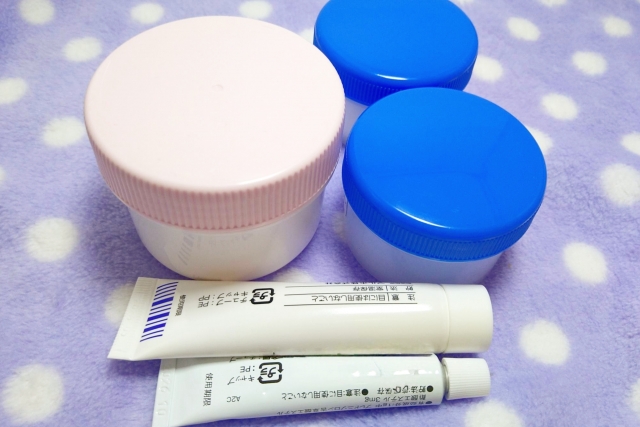
Steroid ointments are topical medications commonly used in medical settings that have the effect of suppressing inflammation and immune responses. By following the proper usage method and duration, you can speed up recovery and minimize unpleasant symptoms. However, since steroids are powerful drugs, there are some precautions to take when using them. Below, we will explain in detail why steroid ointments are recommended after hair transplantation , what effects you can expect, and what you should be careful about.
Effects and roles of steroid ointments
Suppression of inflammation During hair transplant surgery, tiny holes are drilled into the scalp to transplant hair follicles . This surgery can irritate the scalp and cause inflammation. This is a natural reaction of the body, but it is often accompanied by discomfort and swelling. Steroid ointments suppress this inflammatory response and help reduce swelling and itching of the scalp. Suppressing inflammation helps reduce redness and swelling of the scalp more quickly, improving the appearance and allowing for smoother healing.
Suppression of immune response Steroids also have the effect of suppressing immune response. This helps to prevent excessive immune response (rejection) of the scalp against the transplanted hair follicles. Especially in the early stages after surgery, the transplanted hair follicles are easily recognized as “foreign” by the body, so steroids contribute to suppressing inappropriate immune response against them.
Accelerated recovery: If scalp inflammation is suppressed early, the scalp environment will be stabilized and the hair follicles will be more likely to settle smoothly. This will speed up overall recovery, and it is expected that the unpleasant symptoms after hair transplant surgery will improve in a short period of time. In addition, the effect of the steroid will reduce the swelling of the scalp, and the discomfort in appearance will also be reduced quickly.
Precautions when using
Short-term use: Steroid ointments are strong drugs and are not suitable for long-term use. Long-term use carries the risk of side effects such as thinning of the skin, atrophy, pigmentation, and dilation of capillaries. Therefore, the period of use should be limited to a few days to a week, as instructed by a doctor.
It is important not to use steroid ointments at your own discretion. A doctor will evaluate the condition of the patient’s scalp and the degree of inflammation, and prescribe the appropriate medication and method of use if necessary. Using steroids at your own discretion may increase the risk of side effects, so it is essential to follow your doctor’s instructions and use the appropriate amount and frequency.
Side effects after steroid use
The use of steroid ointments can be associated with some side effects, and it is important to be aware of these and manage them carefully when using them.
Thinning of the skin : Long-term use may cause the skin to thin. This is because the effect of steroids causes the skin tissue to atrophy and lose elasticity. As the scalp is a particularly delicate area, long-term use should be avoided and only short-term use should be done as instructed by a doctor.
Pigmentation : Steroid use can cause changes in skin color. Certain areas of the scalp may become hyperpigmented and appear darker than others. If you are concerned about these side effects, it may be worth discussing with your doctor about alternative treatment options.
Steroids can cause the dilation of capillaries. This can cause red, linear capillaries to appear on the surface of the skin. Although this may not be noticeable on the scalp, caution is required when using on other areas of the body.
Non-pharmacological treatments to reduce inflammation, such as laser treatments and LED light therapy, are also available at some clinics. These methods have the advantage of being less invasive and can be used for a long period of time, reducing the risk of side effects.
Types and options of steroid ointments
Steroid ointments come in a variety of strengths and types. Doctors will prescribe the appropriate strength of steroids depending on the condition of the patient’s scalp and the level of inflammation. Steroid ointments are generally categorized into the following strengths:
If the inflammation is mild and the scalp is sensitive, weaker steroids are often prescribed. These are often prescribed for particularly sensitive areas or for long-term use.
Strong steroids: If there is severe inflammation or swelling, a strong steroid ointment may be necessary. However, long-term use can lead to side effects, so careful management is required. It is important to limit the period of use and follow the doctor’s instructions.
How to use steroid ointments
When using steroid ointments, it is good to keep the following in mind:
It is important to use the appropriate amount of steroid ointment whether you are applying it to the entire scalp or just a part of it. Generally, applying a thin layer to the affected area will be effective enough.
Frequency of use: It is usually recommended to use steroid ointments once or twice a day. Even if inflammation is severe, frequent application increases the risk of side effects, so be sure to use the appropriate frequency.
Before using steroid ointments in a clean state , wash your hands thoroughly and make sure your scalp is clean. This is important to prevent infection. Also, be careful not to mix with other cosmetics or medications.
Anti-inflammatory creams as an alternative to steroids
Besides steroid ointments , anti-inflammatory creams and natural ointments are also used for post-surgery care of hair transplants. These products, although not as strong as steroids, have a lower risk of side effects and can be used for a long period of time.
Aloe vera and tea tree oil are natural anti-inflammatory ingredients that can help relieve swelling and itching on the scalp, especially for those with sensitive skin or mild irritation.
Calendula OintmentCalendula promotes skin healing and relieves inflammation. Because it is derived from a plant, it is less irritating to the scalp and is often used as a skin care ingredient.
The Importance of Aftercare
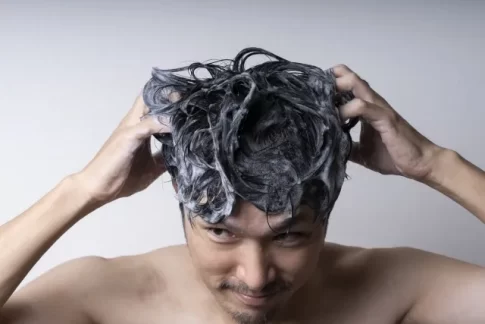
In order to ensure a smooth recovery after hair transplant surgery, not only steroid ointments but also other aftercare is important. For example, it is recommended to keep the scalp clean and avoid direct sunlight. In addition, since the scalp is sensitive after surgery, be sure to gently wipe it with a soft towel to avoid friction. It is also important to follow your doctor’s instructions for washing your hair at the appropriate time.
In addition, moderate massage is said to be effective in promoting blood circulation in the scalp, but it is important to avoid this for a few weeks after surgery and check with your doctor. Improved blood circulation helps the transplanted hair follicles to take root more easily, allowing for natural hair growth.
summary
The use of steroid ointments after hair transplant surgery is effective in reducing scalp inflammation and swelling and supporting recovery. However, it is important to consider the risk of side effects when using them and always follow your doctor’s instructions. Be sure to use them for a short period of time and avoid long-term use at your own discretion. Also, considering other methods and treatments besides steroids and finding a safer and more effective recovery method will help you recover more comfortably after surgery.