Where the themes of ‘human specimen exhibitions’ and ‘DNA identification’ intersect, there may be scientific exhibitions, forensic research or ethical issues to consider. Below is a description of the different aspects of these elements.
1. What is a human specimen exhibition (e.g. Body Worlds)?
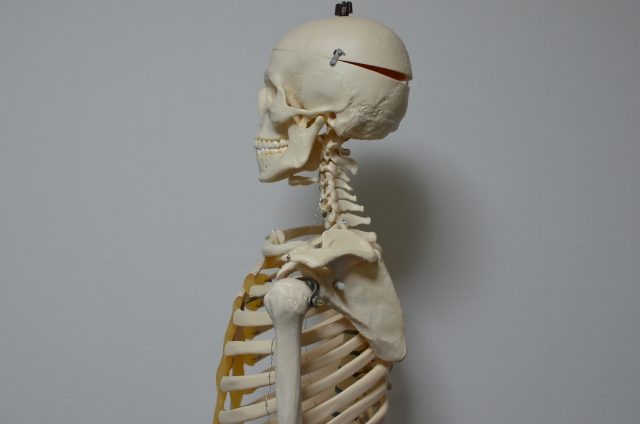
Human specimen exhibitions use special techniques to preserve actual human remains and display their internal structures and organs. A technique called plastination is often used, which replaces the water and fat in the body with a polymer, allowing for long-term preservation.
These exhibitions are organised primarily for educational purposes, to give people a better understanding of the structure of the human body, health and disease.One of the most well-known examples is the ‘Body Worlds’ exhibition, which was initiated by the German anatomist Dr Gunther von Hagens.
2. the need for DNA testing in human specimen exhibitions
Ethical and legal issues can be debated in relation to the bodies on display at human specimen exhibitions. In particular, transparency is important with regard to the provenance of the remains and how they were specimenised. In this context, DNA identification may be relevant.
Main cases.
- Identification of remains: DNA identification may be used to establish how a body used in an exhibition was donated or who the person is. In particular, if the remains were donated unidentified, family members or relatives may request confirmation.
- Ethical and legal issues: in the past, there have been allegations that the bodies used in human specimen exhibitions may have been provided without their consent.In some cases, particularly with regard to Chinese specimens, concerns were expressed that they may have been provided from concentration camps or prisons.In these cases, DNA testing may be used to confirm the origin of the remains.
- Transparency of the origin of the specimens: some human specimen exhibitions emphasize the importance of documenting the consent of the donor of the remains, and in some cases the background of the donor is made clear, but this transparency is not ensured for all remains DNA identification may be used as a means to clarify the origin of the remains may be used as a means of clarifying the provenance of the remains.
3. DNA identification from a forensic perspective
DNA identification is an important forensic tool and is used to identify individuals, confirm parent-child relationships and investigate crimes.When DNA identification is carried out in connection with a human specimen exhibition, the following reasons may be considered
- Identification of remains: if the identity of a body used in an exhibit is unknown, DNA analysis can be used to identify the individual. Confirmation of provenance may be required, particularly if questions arise as to how the specimen was acquired.
- Investigations as part of a criminal investigation: in extremely rare cases, where a specimen is potentially relevant to a crime, a forensic investigation may be carried out to establish how the body died or to confirm identity.
4. Ethical issues and social debates
While human specimen exhibitions are of great educational value, they also raise a number of ethical issues.
- Consent issues: it is often a question of whether the body being exhibited has been the subject of the person’s consent during their lifetime; DNA analysis can be used to confirm the provenance of the body in relation to this consent.
- Treatment of human remains: human specimen exhibitions can be condemned by some religious and cultural values because they treat human remains as exhibits.Many cultures, including Japan, place a high value on respect for human remains and may therefore be cautious about such exhibitions.
5. Scientific and educational value
Human specimen exhibitions are of great value in medical education and science education for the general public.These exhibitions are an important learning resource for medical students and healthcare professionals, as there are very few opportunities to see the inner workings of the human body first-hand.They also provide an opportunity for the general public to increase their awareness of the complexity of the human body and healthcare.
Summary
The intersections between the themes of ‘human specimen exhibitions’ and ‘DNA identification’ mainly relate to the identification of the origin of human remains, forensic investigations and ethical issues. While human specimen exhibitions have educational value, the ethical and legal issues relating to the consent and treatment of human remains are often the subject of debate. DNA identification may play an important role, particularly where the provenance of the remains is unknown or where there is a potential criminal connection.
Such exhibitions are at the intersection of science and ethics and must be run with a full understanding of their value and impact.
略歴
- 1996年 慶應義塾大学医学部 卒業
- 2004年 慶應義塾大学 医学博士号 取得
- 2005年 慶應義塾大学 皮膚科学教室 助手
- 2008年 ヒロ皮フ形成クリニック 開業
- 2009年 医療法人社団福美会 理事長
- 2015年 医療法人社団福美会 理事
資格・所属
- CAPラボディレクター
- 日本皮膚科学会 皮膚科専門医
- 日本医師会 産業医
- 東京衛生検査所 指導監督医
この記事は、 ヒロクリニックNIPPTの編集・監修体制 にもとづき、資格を持つ医師が内容を確認しています。
堤 修一 (つつみ しゅういち)
医師・医学博士 / ヒロクリニック博多駅前院 院長
略歴
- 1993年 東京大学医学部医学科 卒業
- 2016〜2019年 東京大学先端科学技術研究センター 准教授
発信・関連リンク
この記事は、 ヒロクリニックNIPPTの編集・監修体制 にもとづき、資格を持つ医師が内容を確認しています。
Latest Articles


Supervisor of the article

Dr. Hiroshi Oka
Graduated from Keio University, Faculty of Medicine
Doctor of Medicine
Medical Doctor