
DNA testing is a highly accurate technique, but errors can occur in rare cases. The causes of errors often involve technical problems, sample handling errors and human error. The following section details the main reasons why mistakes may occur in DNA testing.
The prenatal paternity tests carried out by the HIRO Clinic cannot occur except for the following 7. In 7, the test cannot be removed if there is a relative of the father of identical twins. Cases of twins have not been tested, but there are cases where twins are twins without knowing it. That is similar to case 5.There are rare cases where the application is filed as one child, but in fact two children are in the belly and disappear as the birth approaches. This case is very difficult.
1. Sample contamination
- Contamination of different DNA: at crime scenes and in paternity testing, samples can be mixed with other DNA.For example, poor crime scene management or incorrectly sanitised equipment can result in DNA from different persons being mixed in, producing erroneous results.
- External influences: the DNA collected can be contaminated by contact with external substances (e.g. dust, saliva, skin cells), which can affect the results of the analysis.
2. Sample degradation
- Degradation over time: if DNA samples are old or not properly stored, DNA can degrade and deteriorate. In particular, DNA is more likely to degrade when exposed to moisture, temperature changes and direct sunlight. Degraded DNA samples may not be amplified or analyzed properly, leading to erroneous results.
- Damage caused by environmental factors: if crime scene samples are subjected to fire, flooding or chemicals, DNA may be damaged, making accurate analysis difficult.
3. Technical errors
- PCR (polymerase chain reaction) mistakes: in PCR techniques used to amplify DNA, the slightest mistake or inappropriate conditions (e.g. temperature or time) can result in incomplete amplification of DNA or in the accidental amplification of different DNA fragments. This can make accurate analysis difficult.
- STR analysis errors: analysis of STRs (short-strand repeat sequences) can be very useful for personal identification, but rarely technical errors can occur. In particular, low-quality samples or small amounts of DNA can obscure results.
4. Human error (human error)
- Labelling errors: sometimes samples are incorrectly labelled when they are taken or during analysis. Such labelling errors can lead to sample confusion, resulting in DNA from the wrong person being compared.
- Data entry errors: incorrectly entered numbers or information when recording and entering sample analysis results can also be a source of error. The risk of confusion and incorrect entry is particularly high when several samples are being processed simultaneously.
- Procedural errors: the DNA identification process involves complex procedures. If protocols are not followed at any stage of sample collection, amplification or analysis, accurate results may not be obtained.
5. Mosaic phenomenon
- What is mosaicism: the presence of cells with different DNA profiles in the body of the same individual. This can be seen particularly in cases of twins and regenerative medicine. Where mosaicism exists, DNA samples from different sites may show different profiles, which can confuse the results.
6. Mixing of DNA samples
- Cases of mixed DNA from multiple persons: when DNA from multiple persons is mixed, e.g. at a crime scene, it can be difficult to identify individual DNA profiles.It can be difficult to distinguish exactly which DNA belongs to whom, especially when only small samples are available.
- Difficulty of analysis: the analysis of mixed DNA samples is highly technical and carries the risk of leading to erroneous results.The reliability of results can be reduced, especially when sample volumes are small.
7. The issue of genetic similarity.
- Similarity between close relatives: DNA is so similar between close relatives that they may be erroneously identified as the same person in kinship testing. For example, DNA profiles between siblings or parents and children need to be analyzed carefully as many parts of the DNA profile match.
8. Limitations of mitochondrial DNA and Y chromosome analysis.
- Characteristics of mitochondrial DNA: mitochondrial DNA is inherited matrilineally, which means that several relatives may have identical mitochondrial DNA. This can lead to errors when distinguishing between maternal relatives.
- Characteristics of Y-chromosome DNA: the Y-chromosome is inherited paternally, which means that very similar DNA profiles can be found between paternal relatives.This is another factor that makes it difficult to distinguish between relatives, especially in kinship testing.
9. Forensic and legal procedural issues
- Improper procedures: when DNA results are to be used as legal evidence, poor procedures and mistakes made during the course of the investigation can be problematic.If samples are not managed correctly or results are not properly reported, the results of the analysis may be misinterpreted.
Summary
DNA testing is a highly accurate and reliable technique, but errors can occur in rare cases. The main causes are sample contamination or deterioration, technical errors, human error, genetic similarity and special genetic phenomena (e.g. mosaicism).Strict controls in sample handling and analysis procedures are necessary to ensure that appraisal results are reliable. The risk of error can also be minimized by carefully evaluating multiple test results and combining them with other evidence.
略歴
- 1996年 慶應義塾大学医学部 卒業
- 2004年 慶應義塾大学 医学博士号 取得
- 2005年 慶應義塾大学 皮膚科学教室 助手
- 2008年 ヒロ皮フ形成クリニック 開業
- 2009年 医療法人社団福美会 理事長
- 2015年 医療法人社団福美会 理事
資格・所属
- CAPラボディレクター
- 日本皮膚科学会 皮膚科専門医
- 日本医師会 産業医
- 東京衛生検査所 指導監督医
この記事は、 ヒロクリニックNIPPTの編集・監修体制 にもとづき、資格を持つ医師が内容を確認しています。
堤 修一 (つつみ しゅういち)
医師・医学博士 / ヒロクリニック博多駅前院 院長
略歴
- 1993年 東京大学医学部医学科 卒業
- 2016〜2019年 東京大学先端科学技術研究センター 准教授
発信・関連リンク
この記事は、 ヒロクリニックNIPPTの編集・監修体制 にもとづき、資格を持つ医師が内容を確認しています。
参考文献
- Yu N, Kruskall MS, Yunis JJ, Knoll JH, Uhl L, Alosco S, et al. Disputed maternity leading to identification of tetragametic chimerism. N Engl J Med. 2002 May 16;346(20):1545-52.
- Kloosterman AD, Sjerps MJ, Quak AJ. Error rates in forensic DNA analysis: definition, numbers, impact and communication. Forensic Sci Int Genet. 2014 Sep;12:77-85.
- Ge J, Budowle B, Planz JV, Eisenberg AJ, Chakraborty R. Mutation rates at STR loci in a database of paternity testing cases. Forensic Sci Int Genet. 2008 Jun;2(3):e45-7.
- Koppelkamm A, Vennemann M, Fracasso T, Lutz-Bonengel S, Heinrich M. Misidentification of a body due to sample swap in a forensic laboratory. Forensic Sci Int. 2009 Oct 30;191(1-3):e1-5.
- Grati FR, Malvestiti F, Ferreira JC, Bajaj K, Gaetani O, Grimi B, et al. Fetoplacental mosaicism: potential implications for false-positive and false-negative noninvasive prenatal screening results. Ultrasound Obstet Gynecol. 2014 Oct;44(4):400-8.
Latest Articles




Supervisor of the article

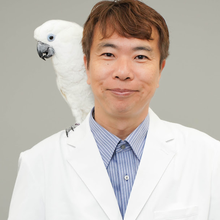
Dr. Hiroshi Oka
Graduated from Keio University, Faculty of Medicine
Doctor of Medicine
Medical Doctor