
Situations combining the themes of ‘DNA testing’, ‘paternity’, ‘trial’ and ‘bad girls’ are common developments, particularly in courtroom dramas and complex family relationship stories. This section elaborates on some of the elements related to these themes.
1.Confirmation of paternity by DNA testing
Confirmation of paternity is an issue with significant legal implications.In Japan, DNA testing is sometimes used to establish parent-child relationships and is particularly important when issues of child support and inheritance are involved.
Main circumstances surrounding paternity.
- Recognition lawsuits: for example, if a father does not recognise a child as his own, the mother files a lawsuit and a DNA test is conducted to prove paternity; if the DNA test results confirm paternity with a probability of 99% or more, legal recognition is generally granted.
- Denial of paternity: on the other hand, some fathers use DNA testing to deny paternity, claiming that the child is not theirs. This can lead to domestic and legal problems.
2. the role of DNA testing in court
DNA testing plays an important role in court as scientific evidence.Especially in family courts and civil trials, it is considered almost conclusive evidence in determining the parent-child relationship.If the results of an expert opinion show a match of 99% or more, the paternity relationship is often legally established.
However, there are some caveats to the process by which DNA evidence is adopted as evidence.
- Consent required: usually the consent of the father or mother is required. In some cases, the court may order a mandatory DNA test, but if it is refused, the decision may be made on the basis of other evidence without a test.
- Reliability of appraisals: the reliability of the facility where the appraisal is carried out and careful controls over the handling of results are required.
3. When ‘bad girl’ elements are involved.
The ‘bad girl’ element is often a theme found in fiction and drama, but it can also complicate family troubles and legal disputes in real life.Emotionally complex stories can develop, particularly in cases where the person portrayed as a ‘bad woman’ deliberately lies and asks the man to recognise her child, or, conversely, where the man deliberately tries to escape.
Common ‘bad girl’ patterns.
- False paternity claims: in some cases, a lie is told to get someone else to recognize him as the father of the child, or to frame someone else. In these cases, DNA testing can expose the lie.
- Courtroom ploys: in some instances, legal means have been used to create an unfavorable situation for the man in order to gain financial advantage. In these situations, DNA testing is important as a means of revealing the truth.
4. Legal and emotional consequences
Legal disputes over paternity, especially through DNA testing, can be extremely stressful for the parties involved. The breakdown of trust within the family and the impact on the child’s future cannot be ignored.
- Legal liability: If a DNA test establishes paternity, the father is obliged to pay child support. Conversely, if paternity is denied, the father may no longer be obliged to pay child support.
- Impact on children: these trials can also have a psychological impact on children, complicating the parent-child relationship and threatening their mental health.
5. The influence of real-life examples and drama in court
Fiction often depicts stories in which ‘bad women’ use court cases to create a disadvantage for men. Dramas and films dealing with these themes also exist in Japan, and works that realistically portray problems and emotional conflicts within the family can leave a strong impression on viewers.
Summary
The themes of ‘DNA testing’, ‘paternity’, ‘court cases’ and ‘bad girls’ contain very interesting elements in the portrayal of complex family issues. In reality, DNA testing is an important means of proving legal paternity and is used as conclusive evidence in court cases. It also makes the story more dramatic and emotionally complex when characters such as the ‘bad girl’ are involved, but in reality this can have serious consequences for families and children.
略歴
- 1996年 慶應義塾大学医学部 卒業
- 2004年 慶應義塾大学 医学博士号 取得
- 2005年 慶應義塾大学 皮膚科学教室 助手
- 2008年 ヒロ皮フ形成クリニック 開業
- 2009年 医療法人社団福美会 理事長
- 2015年 医療法人社団福美会 理事
資格・所属
- CAPラボディレクター
- 日本皮膚科学会 皮膚科専門医
- 日本医師会 産業医
- 東京衛生検査所 指導監督医
この記事は、 ヒロクリニックNIPPTの編集・監修体制 にもとづき、資格を持つ医師が内容を確認しています。
堤 修一 (つつみ しゅういち)
医師・医学博士 / ヒロクリニック博多駅前院 院長
略歴
- 1993年 東京大学医学部医学科 卒業
- 2016〜2019年 東京大学先端科学技術研究センター 准教授
発信・関連リンク
この記事は、 ヒロクリニックNIPPTの編集・監修体制 にもとづき、資格を持つ医師が内容を確認しています。
Latest Articles




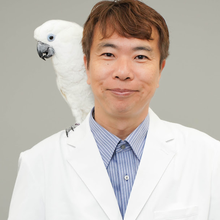
Supervisor of the article

Dr. Hiroshi Oka
Graduated from Keio University, Faculty of Medicine
Doctor of Medicine
Medical Doctor