
Summary of this article
Acknowledgment is the process by which an unmarried father legally acknowledges that a child is his. Once recognition is made, the child's legal parent-child relationship with the father is established and the child has rights such as child support and inheritance rights. There are three forms of recognition: voluntary recognition, which is performed voluntarily by the father; forced recognition, which is performed upon petition to the court by the mother or child; and prenatal recognition, which is performed before the child is born. Acknowledgment by the father is a procedure that recognizes the legal parent-child relationship with the child. This section details the method of recognition, its effects, and legal obligations.
Acknowledgement is the process by which an unmarried father legally acknowledges that the child is his. Once recognition has taken place, the child’s legal parent-child relationship with the father is established and the child has rights such as child support and inheritance rights. There are three forms of recognition: voluntary recognition, which is done voluntarily by the father; compulsory recognition, which is done by the mother or child petitioning the court; and prenatal recognition, which is done before the child is born</a12>, which takes place before the child is born.
- Voluntary acknowledgement: Voluntary acknowledgement of a child by the father. Voluntary recognition refers to the act of a father voluntarily recognizing a child. It involves the father formally recognizing the child as his own through a legal process. Once voluntary recognition has taken place, the child has legal rights and support obligations to the father.
- Forced recognition: the mother or child petitions the court to have the father recognized. Forced recognition is a procedure whereby a mother or child files a petition with the court to have the father legally acknowledged as the father when the unmarried father does not recognize him as his own child. This gives the child legal rights, such as the right to receive child support from the father and inheritance rights. Usually The parent-child relationship is proven through a DNA test or other means, and a court decision is obtained.
- Prenatal recognition: The father personally recognizes the child before it is born. As with postnatal recognition, the child will have legal rights.
The procedure for prenatal recognition is as follows- Where to report: to the municipal office.
- Documents required:.
- Acknowledgement session
- Father’s seal.
- Mother’s written consent (if required)
- Family registers of the father and mother
- How to submit: complete the documentation and submit it to the town hall.
- Confirmation: recognition is only granted after the documents have been verified.
- When prenatal recognition takes place, the child’s parent-child relationship with the father is legally recognized at birth.
略歴
- 1996年 慶應義塾大学医学部 卒業
- 2004年 慶應義塾大学 医学博士号 取得
- 2005年 慶應義塾大学 皮膚科学教室 助手
- 2008年 ヒロ皮フ形成クリニック 開業
- 2009年 医療法人社団福美会 理事長
- 2015年 医療法人社団福美会 理事
資格・所属
- CAPラボディレクター
- 日本皮膚科学会 皮膚科専門医
- 日本医師会 産業医
- 東京衛生検査所 指導監督医
この記事は、 ヒロクリニックNIPPTの編集・監修体制 にもとづき、資格を持つ医師が内容を確認しています。
堤 修一 (つつみ しゅういち)
医師・医学博士 / ヒロクリニック博多駅前院 院長
略歴
- 1993年 東京大学医学部医学科 卒業
- 2016〜2019年 東京大学先端科学技術研究センター 准教授
発信・関連リンク
この記事は、 ヒロクリニックNIPPTの編集・監修体制 にもとづき、資格を持つ医師が内容を確認しています。
Latest Articles




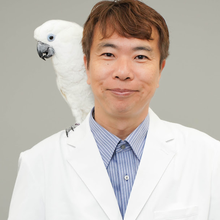
Supervisor of the article
Dr. Hiroshi Oka
Graduated from Keio University, Faculty of Medicine
Doctor of Medicine
Medical Doctor