Summary of this article
Learn in detail how to extract DNA from used chewing gum. Learn about the scientific method, necessary procedures, and ethical considerations.
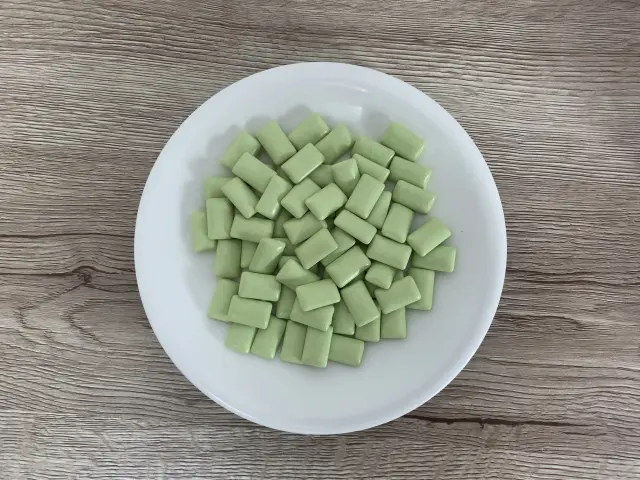
The method for extracting DNA after chewing chewing gum focuses on recovering DNA from saliva and oral cells left on the chewing gum. The procedure is described below.
1. Sample collection
Collect used chewing gum in a clean container or sealed bag as soon as possible. It is preferable to keep the chewing gum dry, but it may be kept dry to prevent DNA degradation during storage.
2. Cell lysis (degradation)
Lysis process to break down cells attached to the chewing gum and release DNA.
- Addition of lysis buffer: cut the chewing gum into small pieces and add lysis buffer (e.g. buffer containing proteinase K).This buffer disrupts the cell membrane, causing the DNA to be released into solution.
- Incubation: pieces of chewing gum soaked in buffer are incubated in a warm water bath (around 56°C) for several hours or overnight. This degrades the cells and extracts the DNA into solution.
3. DNA extraction
To recover DNA dissolved in lysis buffer, the following methods are used
- Removal of chewing gum: after incubation, the chewing gum residue is removed and the remaining liquid contains DNA.
- Organic extraction method: phenol-chloroform extraction is used to separate DNA from proteins and other impurities. In the phenol-chloroform extraction method, the upper aqueous phase (containing DNA) is carefully collected.
- Commercial DNA extraction kits: commercial DNA extraction kits are also efficient and particularly suitable for obtaining DNA from small samples.
4. purification of DNA
As the extracted DNA may contain impurities, these are removed to obtain pure DNA.
- Ethanol precipitation method: DNA is precipitated with ethanol to remove impurities.
- Silica-based column purification: columns can also be used to further purify DNA.
5. Amplification and analysis of DNA
As the DNA obtained is often in small quantities, PCR (polymerase chain reaction) is used to amplify specific DNA regions. This DNA is then used for genetic analysis. The most common analysis methods are STR analysis and DNA sequencing, which are used to identify individuals and confirm genetic relationships.
Summary
The process of extracting DNA from saliva or oral cells left after chewing chewing gum involves stages of lysis, extraction, purification and amplification. This method is an important technique used for specific DNA analyses, such as forensic investigations and personal identification.
略歴
- 1996年 慶應義塾大学医学部 卒業
- 2004年 慶應義塾大学 医学博士号 取得
- 2005年 慶應義塾大学 皮膚科学教室 助手
- 2008年 ヒロ皮フ形成クリニック 開業
- 2009年 医療法人社団福美会 理事長
- 2015年 医療法人社団福美会 理事
資格・所属
- CAPラボディレクター
- 日本皮膚科学会 皮膚科専門医
- 日本医師会 産業医
- 東京衛生検査所 指導監督医
この記事は、 ヒロクリニックNIPPTの編集・監修体制 にもとづき、資格を持つ医師が内容を確認しています。
堤 修一 (つつみ しゅういち)
医師・医学博士 / ヒロクリニック博多駅前院 院長
略歴
- 1993年 東京大学医学部医学科 卒業
- 2016〜2019年 東京大学先端科学技術研究センター 准教授
発信・関連リンク
この記事は、 ヒロクリニックNIPPTの編集・監修体制 にもとづき、資格を持つ医師が内容を確認しています。
Latest Articles


Supervisor of the article

Dr. Hiroshi Oka
Graduated from Keio University, Faculty of Medicine
Doctor of Medicine
Medical Doctor