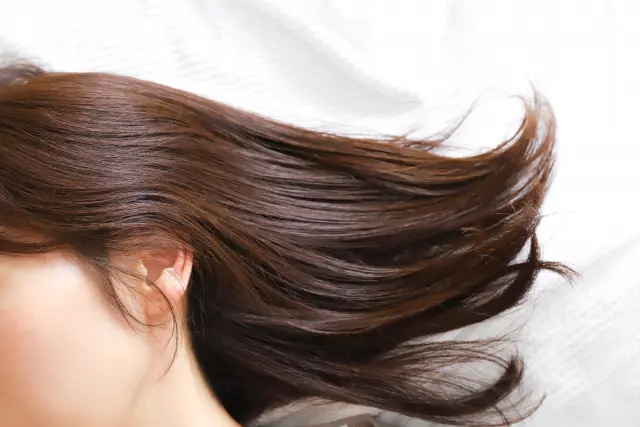
Postnatal paternity testing by DNA extraction from hair is one of the most common methods used to confirm parent-child relationships.However, there are some precautions and limitations to DNA testing using hair.The following describes the procedure, information required and precautions to be taken when carrying out a paternity test using DNA extraction from hair.
1. Conditions for DNA extraction from hair
- Hair roots are required: if DNA is to be extracted from hair, the hair root (the part of the hair at the base of the hair) is required. Hair roots contain living cells from which DNA can be extracted. On the other hand, the fiber part of a clipped hair does not contain sufficient amounts of DNA, so DNA analysis cannot be carried out on hair without roots.
- Collect a suitable sample: it is common practice to collect at least 5-10 rooted hairs. When removing the hair, take care to ensure that the hair roots remain intact. If the hair is old or poorly preserved, the DNA may have deteriorated, making it more difficult to authenticate.
2. The procedure for parent-child identification using hair
- Sample collection: rooted hairs are collected from both parents and offspring.It is recommended that samples are kept clean and sent to the laboratory immediately after collection.If using a test kit, handle the sample properly according to the agency’s instructions.
- DNA extraction: cells are removed from hair follicles and DNA is extracted. DNA extraction from hair can be somewhat more technically difficult than extraction from normal oral cells or blood, but can be carried out without problems in specialized laboratories.
- DNA analysis: compares the genes of the parent and offspring from the extracted DNA.The main part, called the short-strand repeat (STR) sequence, is analysed to check the genetic match.Usually, a high probability (around 99.99%) of a match between parent and child is considered to indicate a parent-child relationship.
- Report of results: based on the results of the DNA analysis, a report is made as to whether a parent-child relationship exists.You can receive the results in writing or electronically, usually in one to three weeks.
3. Precautions when using hair
- Hair roots are essential: as mentioned above, it is very important to collect correctly rooted hairs, as DNA cannot be extracted in the absence of hair roots. Clipped or old hair may not be used.
- Sample freshness: if the hair is old or has been stored for a long time, the DNA may have deteriorated.Deteriorated DNA is difficult to analyse and may make paternity testing impossible.
- Hair types: in addition to hair, body hair (e.g. beards and arm hair) can also be used for DNA analysis if it has hair follicles.However, head hair is often used preferentially as it is the most reliable way to extract DNA.
4. Other DNA samples
In addition to hair, the following samples are commonly used for paternity testing
- Intraoral cells (collected by rubbing the inside of the cheek): most common and recommended as it is painless and easy to collect.
- Blood: a highly reliable and trustworthy sample, but requires a blood sample to be taken.
- Nails, saliva and skin fragments: sometimes used in special cases, but like hair, must contain sufficient amounts of DNA.
5. The cost and number of days for DNA testing by hair
- Cost: the cost of a DNA paternity test using hair can be about the same or slightly higher than a test using regular oral cells.The approximate cost is between 30,000 and 100,000 yen.
- Days: the time taken to get an appraisal result is usually between one and three weeks.If you choose the express option, you may get your results in a few days.
6. Advantages and disadvantages of using hair
- Benefits:.
- DNA may be collected from hair, even when it is difficult to collect oral cells or blood.
- Samples may also be collected from hair left on toothbrushes, old combs, etc.
- Disadvantages:.
- Appraisals cannot be carried out on hair without follicles.
- If the hair is old or deteriorated, DNA may not be extracted.
Summary
Postnatal paternity testing by DNA extraction from hair is possible, but requires hair with roots, and sample handling and freshness are important. In addition to hair, other samples, such as oral cells or blood, can also be used. A high degree of accuracy can be expected in confirming parent-child relationships and may also be used as legal evidence, but it is important to collect the right sample for the right purpose.
略歴
- 1996年 慶應義塾大学医学部 卒業
- 2004年 慶應義塾大学 医学博士号 取得
- 2005年 慶應義塾大学 皮膚科学教室 助手
- 2008年 ヒロ皮フ形成クリニック 開業
- 2009年 医療法人社団福美会 理事長
- 2015年 医療法人社団福美会 理事
資格・所属
- CAPラボディレクター
- 日本皮膚科学会 皮膚科専門医
- 日本医師会 産業医
- 東京衛生検査所 指導監督医
この記事は、 ヒロクリニックNIPPTの編集・監修体制 にもとづき、資格を持つ医師が内容を確認しています。
堤 修一 (つつみ しゅういち)
医師・医学博士 / ヒロクリニック博多駅前院 院長
略歴
- 1993年 東京大学医学部医学科 卒業
- 2016〜2019年 東京大学先端科学技術研究センター 准教授
発信・関連リンク
この記事は、 ヒロクリニックNIPPTの編集・監修体制 にもとづき、資格を持つ医師が内容を確認しています。
参考文献
- **Higuchi R, von Beroldingen CH, Sensabaugh GF, Erlich HA.** DNA typing from single hairs. *Nature*. 1988 Apr 7;332(6164):543-6. * *概要:* 1本の毛髪(毛根部)からPCR法を用いて初めてDNA型を判定した、毛髪DNA鑑定における歴史的かつ最も重要な先駆的論文です。
- **Linch CA, Smith SL, Prahlow JA.** Evaluation of the human hair root for DNA typing. *J Forensic Sci*. 1998 Sep;43(5):1042-6. * *概要:* 毛根の成長周期(成長期・退行期・休止期)の違いが、DNA抽出量やSTR(ショートタンデムリピート)解析による個人識別・親子鑑定の成功率にどのように影響するかを評価した基礎論文です。
- **Wilson MR, Polanskey D, Butler J, DiZinno JA, Replogle J, Budowle B.** Extraction, PCR amplification and sequencing of mitochondrial DNA from human hair shafts. *BioTechniques*. 1995 Apr;18(4):662-9. * *概要:* 毛根のない「毛幹(ヘアーシャフト)」部分からミトコンドリアDNA(mtDNA)を効率的に抽出し、塩基配列を決定する方法を確立した論文です。
- **Jehaes E, Gilissen A, Cassiman JJ, Decorte R.** Evaluation of a method for extraction of mitochondrial DNA from hair shafts and PCR amplification of the D-loop region. *Forensic Sci Int*. 1998 May 11;94(1-2):65-75. * *概要:* 法医学分野において、毛幹からのミトコンドリアDNA抽出法と、母系遺伝の確認に有用なDループ領域のPCR増幅技術を検証した論文です。
- **Fregeau CJ, Germain O, Fourney RM.** Fingerprinting two cells and more: bio-markers and low copy number PCR. *Forensic Sci Int*. 2003;136:132-3. * *概要:* 毛髪のような微量なサンプルのDNAから、高感度なPCR技術(LCN法など)を用いて親子鑑定や個人識別を行うための技術的限界と有効性を論じた研究です。
Latest Articles

Supervisor of the article
Dr. Hiroshi Oka
Graduated from Keio University, Faculty of Medicine
Doctor of Medicine
Medical Doctor