Summary of this article
Forensic identification is the scientific analysis of evidence used in criminal investigations and courtrooms, describing important methods of uncovering the truth using DNA, fingerprints, bloodstains, and other evidence.
‘Forensic’ is a term used to describe forensic science or forensic science. It is used in criminal investigations and law-related investigations and refers to the use of scientific methods to collect, analyze and interpret evidence. Specifically, it includes the following areas and techniques
1. Forensic Medicine
Forensic medicine is a field in which medical knowledge is applied to legal problems. This includes determining the cause of death, analysing injuries and toxicological tests. For example, forensic medicine is used to perform autopsies on corpses and determine the cause of death.
2. Forensic Science
Forensic science refers to the application of scientific disciplines such as physics, chemistry, biology and engineering to legal problems. Specifically, forensic science includes the following techniques
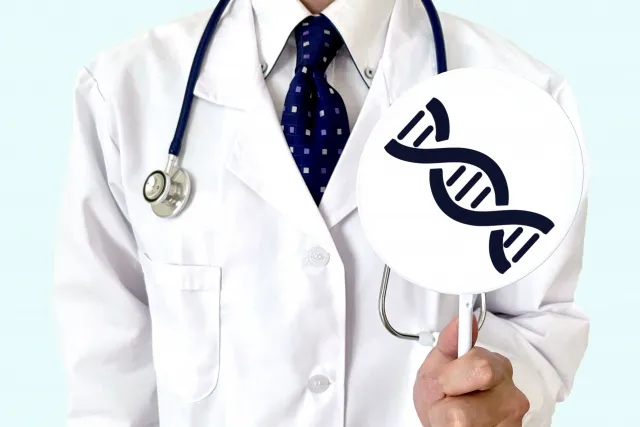
- Forensic DNA Analysis: analyses DNA samples obtained from crime scenes and is used to identify suspects and prove parent-child relationships.
- Forensic Fingerprint Analysis: a method of analyzing fingerprints found at a crime scene to identify the perpetrator.
- Forensic Ballistics: scientific analysis to determine the trajectory and source of a bullet.
- Forensic toxicology: analyses samples such as blood or urine to detect the presence of poisons or drugs.
- Forensic Document Examination: used to verify the authenticity of documents and detect forgery and alteration.
3. Digital Forensics
Digital forensics is the art of recovering and analyzing data from computers and digital devices and using it as legal evidence. It plays an important role in the investigation of cybercrime.
4. Use in legal processes
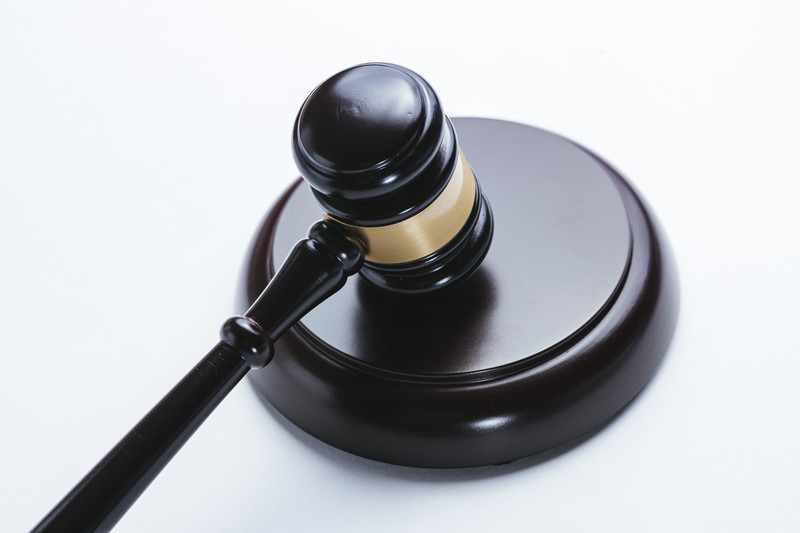
Forensic evidence is often presented as evidence in court and can have a significant impact on the outcome of a trial. The use of scientific methods increases the reliability of the evidence and ensures fairness in court proceedings.
Summary
‘Forensic’ refers to the field of collecting, analysing and interpreting evidence using scientific methods in criminal investigations and legal proceedings. It is used in a variety of fields, including forensic science, forensic science and digital forensics, and contributes to the delivery of justice.
略歴
- 1996年 慶應義塾大学医学部 卒業
- 2004年 慶應義塾大学 医学博士号 取得
- 2005年 慶應義塾大学 皮膚科学教室 助手
- 2008年 ヒロ皮フ形成クリニック 開業
- 2009年 医療法人社団福美会 理事長
- 2015年 医療法人社団福美会 理事
資格・所属
- CAPラボディレクター
- 日本皮膚科学会 皮膚科専門医
- 日本医師会 産業医
- 東京衛生検査所 指導監督医
この記事は、 ヒロクリニックNIPPTの編集・監修体制 にもとづき、資格を持つ医師が内容を確認しています。
堤 修一 (つつみ しゅういち)
医師・医学博士 / ヒロクリニック博多駅前院 院長
略歴
- 1993年 東京大学医学部医学科 卒業
- 2016〜2019年 東京大学先端科学技術研究センター 准教授
発信・関連リンク
この記事は、 ヒロクリニックNIPPTの編集・監修体制 にもとづき、資格を持つ医師が内容を確認しています。
参考文献
- Lo YM, Corbetta N, Chamberlain PF, Rai V, Sargent IL, Redman CW. Presence of fetal DNA in maternal plasma and serum. Lancet. 1997 Aug 16;350(9076):485-7.
- Morling N, Allen RW, Carracedo A, Geada H, Guidet F, Hallenberg C, et al. Paternity testing commission of the International Society of Forensic Genetics: recommendations on genetic investigations in paternity cases. Forensic Sci Int. 2002 Oct 15;129(3):148-57.
- Guo X, Xing J, Zhang H, Zhang S, Cheng J. Non-invasive prenatal paternity testing by high-throughput sequencing of maternal plasma DNA. Forensic Sci Int Genet. 2012 Nov;6(6):e185-6.
- AABB Relationship Testing Standards Committee. Standards for Relationship Testing Laboratories. 15th ed. Bethesda (MD): AABB; 2021.
- Wang W, Jiao J, Gao S, Li X, Guo L, Zhou Y, et al. Non-invasive prenatal paternity testing using massively parallel sequencing of single nucleotide polymorphisms in maternal plasma. Journal of Forensic and Legal Medicine. 2015 Nov;36:108-13.
Latest Articles



Supervisor of the article
Dr. Hiroshi Oka
Graduated from Keio University, Faculty of Medicine
Doctor of Medicine
Medical Doctor