
The technique using single nucleotide polymorphisms (SNPs) in paternity testing is widely used in Japan and plays a particularly important role in confirming parent-child relationships with high accuracy.
SNP can also be used for paternity testing, but STR is still more common, so HIRO Clinic uses STR to carry out paternity testing.
1. What is SNP?
Single Nucleotide Polymorphism (SNP) refers to a single base change in DNA.SNPs are very stable and can be passed from parent to child, making them an effective tool in confirming parent-child relationships.
2. The advantages of parent-child identification using SNPs
- High accuracy: SNPs can be used to confirm parent-child relationships with the same high accuracy as conventional STRs (short chain repeat sequences).In particular, a database of SNPs is available for the Japanese, which makes reliable appraisals possible.
- Rapid results: compared to conventional STR-based testing, SNP-based appraisal is considered to be faster to analyse.This is therefore advantageous when results need to be obtained quickly.
3. Paternity testing using SNPs in Japan
In Japan, SNP technology is used by institutions that carry out DNA testing, enabling them to compare an individual’s genetic information to confirm parent-child relationships.SNP data specific to the Japanese population is also used, which is considered highly accurate, especially when appraising the parent-child relationship of Japanese people.
4. The process of SNP paternity testing
- Specimen collection: DNA is collected from cells in the mouth (by swabbing the inside of the cheek) or blood.
- DNA analysis: use SNP markers to compare the child’s DNA with that of the parents.
- Result reporting: parent-child relationships are usually confirmed with an accuracy of at least 99.9 % where they exist.
Summary
Paternity testing using SNPs is a very reliable method for Japanese and is widely used to reliably prove parent-child relationships. However, although paternity testing is also possible with SNPs, STRs are still more common.
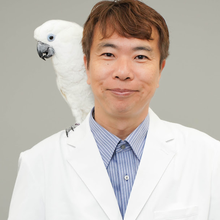
略歴
- 1996年 慶應義塾大学医学部 卒業
- 2004年 慶應義塾大学 医学博士号 取得
- 2005年 慶應義塾大学 皮膚科学教室 助手
- 2008年 ヒロ皮フ形成クリニック 開業
- 2009年 医療法人社団福美会 理事長
- 2015年 医療法人社団福美会 理事
資格・所属
- CAPラボディレクター
- 日本皮膚科学会 皮膚科専門医
- 日本医師会 産業医
- 東京衛生検査所 指導監督医
この記事は、 ヒロクリニックNIPPTの編集・監修体制 にもとづき、資格を持つ医師が内容を確認しています。
堤 修一 (つつみ しゅういち)
医師・医学博士 / ヒロクリニック博多駅前院 院長
略歴
- 1993年 東京大学医学部医学科 卒業
- 2016〜2019年 東京大学先端科学技術研究センター 准教授
発信・関連リンク
この記事は、 ヒロクリニックNIPPTの編集・監修体制 にもとづき、資格を持つ医師が内容を確認しています。
参考文献
- Okamoto N, Kawaguchi H, Takahashi M. Parentage testing using social media in Japanese people. Egypt J Forensic Sci. 2023;13(1):38.
Latest Articles




Supervisor of the article
Dr. Hiroshi Oka
Graduated from Keio University, Faculty of Medicine
Doctor of Medicine
Medical Doctor