






Causes and countermeasures for “fluctuous skin”, a skin problem that increases among women in their 30s
table of contents
- What is fluctuating skin? Its symptoms and causes
- Reasons why women in their 30s have more loose skin
- External and internal factors that cause fluctuating skin
- Basic skin care methods to prevent rough skin
- How to effectively use beauty ingredients
- Lifestyle to prevent fluctuating skin
- Summary
1. What is fluctuating skin? Its symptoms and causes
Fluctuating skin – refers to a condition in which normally healthy and stable skin becomes temporarily unstable due to changes in seasons, hormonal imbalance, stress, etc. They are especially prone to sensitive and dry skin, which makes them more likely to react to external stimuli. The following symptoms are common:
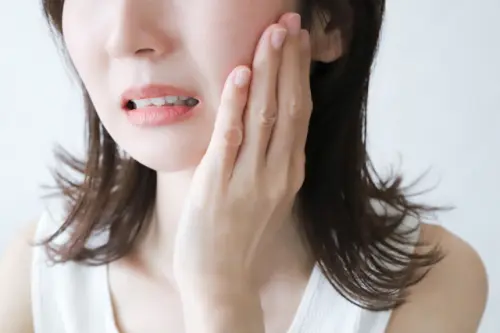
- Prone to itching and redness
- Tight feeling due to dryness
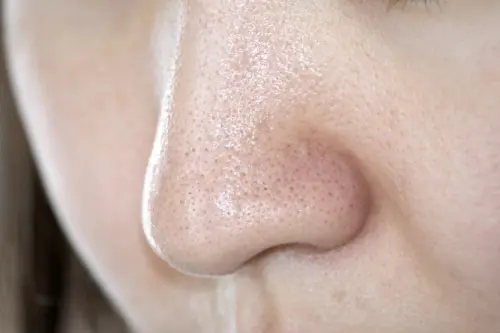
- Enlarged pores and excessive sebum secretion
- Rough skin and acne
Reason:
This can be caused by various external factors (ultraviolet rays, dryness, pollen, etc.) and internal factors (hormonal imbalance, stress, nutritional deficiencies). Women in their 30s are particularly susceptible to having unsteady skin due to the combination of these factors.
2. Reasons why women in their 30s have more uneven skin
In their 30s, in addition to age-related changes in hormonal balance, women are more likely to experience increased stress from work and family life. This slows down the skin turnover (metabolism) cycle and makes it easier for the skin’s barrier function to deteriorate.
In addition, when you reach your 30s, the following factors can cause unsteady skin.
- Pregnancy/childbirth: Due to rapid changes in hormones, the condition of the skin tends to fluctuate.
- Work stress: Long hours of desk work and lack of sleep affect your skin.
- Changes in living environment: Changes in the environment may reduce the skin’s ability to adapt, making it more sensitive to dryness and irritation.
3. External and internal factors that cause uneven skin
External factors
- Seasonal changes: Fluctuations in temperature and humidity, especially in spring and autumn, stress the skin.
- Ultraviolet light: If you neglect sunscreen, your skin will be more susceptible to damage from UV rays.
- Drying: Drying caused by air conditioning or heating can also cause unsteady skin.
- Pollen and air pollution: The skin often reacts hypersensitively to these external stimuli.
Internal factors
- Hormone imbalance: Changes in female hormones affect the skin due to the menstrual cycle, pregnancy, and signs of menopause.
- Stress: Mental stress reduces the skin’s immune function and causes unsteady skin.
- Eating habits: When vitamins and minerals are lacking, the skin’s ability to regenerate decreases, making it more likely to cause skin problems.
4. Basic skin care methods for dealing with fluctuating skin
In order to take care of loose skin, it is important to perform skin care that is gentle on the skin. Below are the basic care methods.
- Use a facial cleanser for sensitive skin: Avoid facial cleansers that contain strong cleansing ingredients and choose mild ones.
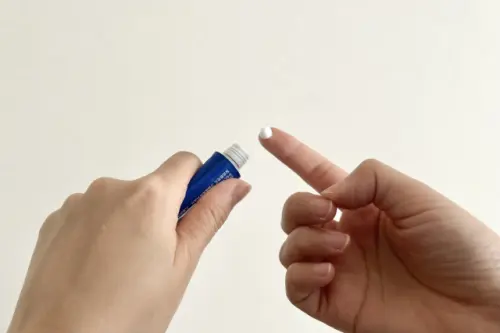
- Moisturizing skin care: It is especially effective to use skin care products that contain moisturizing ingredients such as ceramide and hyaluronic acid.
- Take thorough measures against UV rays: Be sure to use sunscreen to avoid exposure to UV rays on a daily basis.
5. Effective use of beauty ingredients
Ceramide: Ceramide strengthens the skin barrier function and protects the skin from external stimuli. Particularly effective for dry and sensitive skin.
Hyaluronic acid: Increases skin moisture retention and prevents dryness. Indispensable for dealing with dry, fluctuating skin.
Vitamin C derivative: Has antioxidant effect, improves skin texture and suppresses inflammation that causes uneven skin.
Aloe vera: It has a soothing effect on the skin and soothes the skin that is sensitive to external stimuli.
6. Lifestyle to prevent fluctuating skin
Balanced diet:Be conscious of meals containing antioxidant ingredients such as vitamins A, C, and E. These nutrients promote skin regeneration and increase resistance to external stimuli.
Moderate exercise: Regulates skin turnover by promoting blood circulation. Yoga and stretching in particular have a relaxing effect and have a positive impact on skin health.
Enough sleep: Getting a good night’s sleep, which is the skin’s repair time, promotes skin regeneration.
7. Summary
Fluctuating skin is temporary and can be managed with proper skin care and lifestyle changes. Especially for women, this is a time when their skin tends to fluctuate due to changes in hormonal balance and lifestyle habits. By being aware of seasonal changes and stress, and taking care that is gentle on your skin, you can prevent your skin from becoming flaky.
References:







 Toll-free