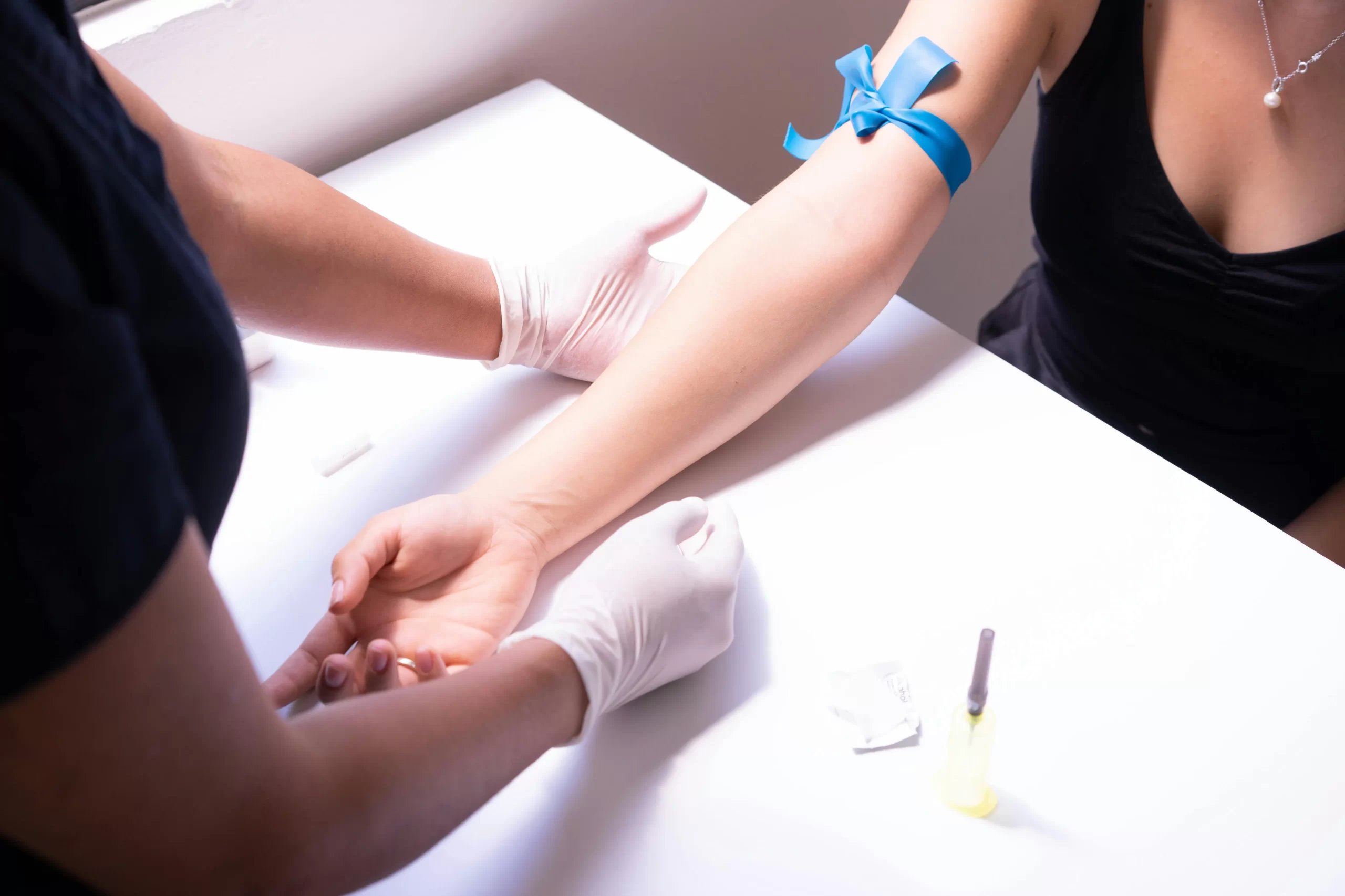
NIPT (Non-Invasive Prenatal Testing, Non-Invasive Prenatal Testing) and NIPPT(Non-Invasive Prenatal Paternity Testing, Non-Invasive Prenatal Paternity Testing) are both based on analyzing free foetal DNA from a pregnant woman’s blood. These tests are performed for different purposes, but it is technically possible to undergo them at the same time. Each of these tests is described below.
NIPT (Non-Invasive Prenatal Testing)
- Purpose: Mainly used to screen for chromosomal abnormalities. It assesses the risk of Down syndrome (trisomy 21), Edwards syndrome (trisomy 18) and Pato syndrome (trisomy 13).
- Methods: foetal DNA fragments are analysed from the mother’s blood to detect abnormalities in the number and structure of chromosomes.
NIPPT (Non-invasive prenatal paternity testing)
- Purpose: This is done to identify who the father of the foetus is.
- Method: paternity is confirmed by comparing the DNA of the fetus taken from the mother’s blood with that of the suspected father.
Possibility of receiving them at the same time.
- Technical point of view: as both tests use the same sample (maternal blood), it is technically possible to collect samples at the same time and analyse them for different purposes.However, the amount of blood required is between 20 ml and 30 ml.Some pregnant women may find it difficult to collect sufficient blood due to morning sickness.Please note that this is not always possible.
- Considerations for implementation: however, if these tests are performed at the same time, it is necessary to check in advance whether the facility providing the tests and the test kits are suitable for both purposes. It is also important to fully consult with the healthcare provider and establish an interpretation and follow-up plan for the test results.
Although there are few technical limitations to performing NIPT and NIPPT at the same time, it is advisable to fully understand the implications, benefits and limitations of each test before undergoing them.There are also ethical and legal aspects involved in these tests, so it is important to make the best decision through consultation with a professional.
Hiro Clinic’s DNA Prenatal Paternity Testing
Hiro Clinic’s DNA Prenatal Paternity Testing (NIPPT) is available at the industry’s lowest price at Hiro Clinic’s directly managed locations nationwide. Testing can be done from the 6th week of pregnancy onward, and the process is completed in a single visit, minimizing inconvenience. If a retest is necessary, it will be conducted free of charge, so you can rest assured. Additionally, tests are conducted at the Tokyo Sanitary Laboratory, which has over 50,000 cases of prenatal testing experience, ensuring reliable results. However, both partners are required to visit the clinic to ensure the most accurate test results. For more information, please check here and make your reservation or inquiry.
略歴
- 1996年 慶應義塾大学医学部 卒業
- 2004年 慶應義塾大学 医学博士号 取得
- 2005年 慶應義塾大学 皮膚科学教室 助手
- 2008年 ヒロ皮フ形成クリニック 開業
- 2009年 医療法人社団福美会 理事長
- 2015年 医療法人社団福美会 理事
資格・所属
- CAPラボディレクター
- 日本皮膚科学会 皮膚科専門医
- 日本医師会 産業医
- 東京衛生検査所 指導監督医
この記事は、 ヒロクリニックNIPPTの編集・監修体制 にもとづき、資格を持つ医師が内容を確認しています。
堤 修一 (つつみ しゅういち)
医師・医学博士 / ヒロクリニック博多駅前院 院長
略歴
- 1993年 東京大学医学部医学科 卒業
- 2016〜2019年 東京大学先端科学技術研究センター 准教授
発信・関連リンク
この記事は、 ヒロクリニックNIPPTの編集・監修体制 にもとづき、資格を持つ医師が内容を確認しています。
参考文献
- Lo YM, Corbetta N, Chamberlain PF, Rai V, Sargent IL, Redman CW, et al. Presence of fetal DNA in maternal plasma and serum. Lancet. 1997 Aug 16;350(9076):485-7.
- Ryan A, Banjevic M, Demko Z, et al. Noninvasive prenatal paternity testing using a highly multiplexed SNP panel. Prenat Diagn. 2013 Oct;33(10):954-60.
Latest Articles




Supervisor of the article
Dr. Hiroshi Oka
Graduated from Keio University, Faculty of Medicine
Doctor of Medicine
Medical Doctor