




As we age, facial puffiness and sagging gradually progress. If left untreated, these changes cause loss of facial definition and create an older appearance. Before relying on costly cosmetic procedures, one highly recommended self-care method you can do at home is face massage. Practicing the correct method for just a few minutes each day can improve blood circulation and lymphatic flow, allowing toxins and excess fluids to be smoothly discharged. As a result, facial contours become more defined, not only enhancing a slimmer appearance but also restoring skin firmness and radiance. In this article, we explore the mechanisms of face massage from both cosmetic and anatomical perspectives, introduce step-by-step techniques, highlight important precautions, and explain how to sustain results by combining massage with lifestyle habits.
Chapter 1: How Face Massage Works for a Slimmer Face
The main reason face massage contributes to a slimmer look lies in improving overall circulation and softening the muscles. The face contains over 30 types of facial muscles, but not all are used evenly in daily life. Unused muscles gradually stiffen, causing waste products and excess fluid to accumulate between and around muscle fibers. This leads to puffiness, sagging, and a blurred facial contour. Massage provides gentle stimulation to restore flexibility to these muscles while enhancing blood and lymphatic flow. Lymph fluid collects waste and excess water, draining through the lymph nodes beneath the clavicle. If this flow is stagnant, facial swelling persists. Massage helps open pathways toward the clavicle, making it easier for excess fluids to be expelled and restoring facial definition. Improved circulation also delivers oxygen and nutrients to skin cells more efficiently, reducing dullness and brightening the complexion.
Chapter 2: Preparation and Environment Before Massage
The effectiveness and skin-friendliness of face massage depend heavily on preparation. First, ensure the skin is clean. Wash away dirt and sebum, then lightly condition with toner before beginning to reduce friction damage. During the massage, use facial oil or cream to improve glide. Low-irritant, oxidation-resistant options such as jojoba oil or squalane are ideal for daily use. Performing the massage after bathing, when circulation is already improved, enhances results as muscles soften more easily. Dimming the lights and playing soft music further increase relaxation, activating the parasympathetic nervous system and boosting circulation benefits.
Chapter 3: Practical Daily Massage Routine
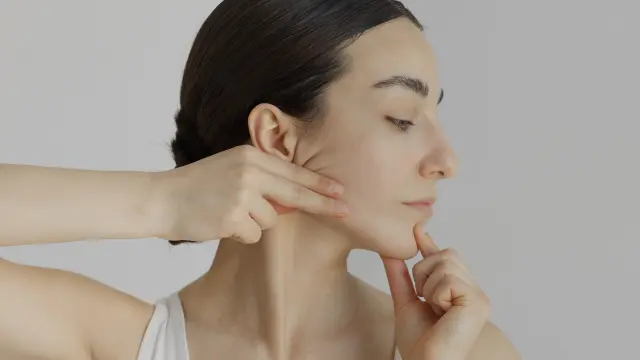
Morning Routine: Focus on reducing puffiness with short, effective movements. Begin by gently pressing the area above the clavicle to open lymphatic exits. Then, use the whole palm to lift upward from the chin to beneath the ears, lightly defining the jawline. Next, slide fingertips slowly outward under the cheekbones. This drains fluid that accumulates overnight, refreshing the face.
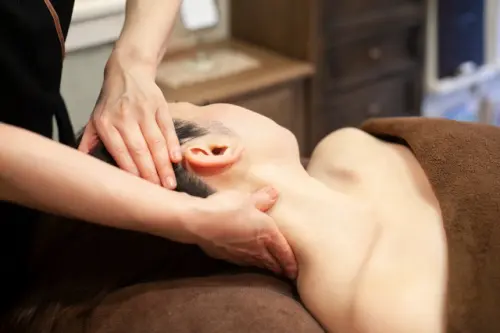
Evening Routine: Aim to relieve the day’s fatigue with a longer session. Sweep waste fluid from beneath the ears along the neck down to the clavicle. Massage the temples in circular motions. Cup both cheeks with your hands, applying light upward pressure. Finally, glide from the center of the forehead outward toward the temples to relax the frontalis muscle, softening expressions.
Chapter 4: Targeted Approaches by Area
Jawline: Strong, tense masseter muscles emphasize a square jaw. Use knuckles to gently knead deeply and relax them.
Cheeks: Ligaments support the skin here; when loosened, sagging becomes prominent. Stimulating under the cheekbones helps tighten muscles and ligaments.
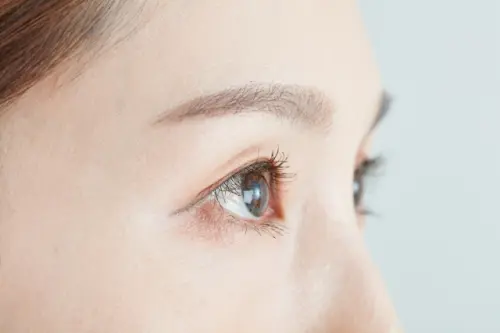
Eyes: The delicate orbital area benefits from light pressure along the orbicularis oculi to improve circulation, reducing dark circles and dullness.
Forehead: Relaxing the frontalis while lifting upward helps prevent frown lines and sagging brows.
Chapter 5: Mistakes to Avoid
Excessive pressure may damage skin and capillaries, causing redness or bruising.
Performing massage without oil or cream increases friction, leading to pigmentation or wrinkles.
Do not massage areas with acne or inflammation.
Overly long sessions fatigue muscles, potentially worsening sagging. Limit each session to 5–10 minutes.
Chapter 6: Prolonging Effects Through Lifestyle Habits
Face massage works alone but lasts longer when combined with healthy habits. Adequate hydration maintains blood and lymph flow, while reducing salt prevents swelling. Quality sleep is vital for repair, especially between 10 p.m. and 2 a.m., when growth hormone peaks. Maintaining good posture daily also helps; slouching or prolonged smartphone use stiffens neck and shoulder muscles, restricting facial blood flow.
Chapter 7: Combining Massage with Beauty Devices and Medical Treatments
Adding beauty devices or clinical procedures enhances results. Microcurrent devices stimulate cells and circulation. Radiofrequency devices promote collagen production in the dermis. HIFU targets the fascia layer directly for long-lasting tightening. However, professional supervision and correct usage are essential.
Chapter 8: Anatomical Background of Face Massage
Understanding facial structure is key to appreciating massage effects. The skin consists of the epidermis, dermis, and subcutaneous tissue. The dermis contains collagen and elastin, which maintain elasticity. Beneath lies the fat layer and facial muscles. Unlike skeletal muscles, facial muscles attach from bone to skin, directly influencing expressions. Stiff muscles restrict movement and circulation. Superficial and deep fat pads also affect contour—when deep fat descends due to aging or gravity, sagging occurs. Massage relaxes muscles and repositions tissue, maintaining a youthful appearance.
Chapter 9: Morning, Noon, and Night Massage Plans
Morning: Eliminate overnight fluid buildup. Drink a glass of room-temperature water, massage around the clavicle, then sweep upward from chin to parotid glands and drain lymph beneath the cheekbones.
Afternoon: Relieve stress and tension from work. Massage temples and masseter muscles in circles to improve blood flow, reduce headaches, and ease eye strain.
Evening: Detoxify and relax muscles. After bathing, sweep from under the ears down to the clavicle, then lift the forehead and cheeks upward to aid overnight repair.
Chapter 10: Approaches by Age and Skin Condition
20s: Preventative care is key. Light lymph-drainage massage a few times a week helps future-proof against sagging.
30s: Stress and lack of sleep increase puffiness and sagging in cheeks and jawline. Relaxing masseter and platysma muscles is essential.
40s+: Muscle and ligament weakening accelerates, deep nasolabial folds and double chins become noticeable. Lifting techniques with slightly deeper pressure are effective.
By Skin Type: Dry skin requires oils or creams for glide, oily skin benefits from gels with lighter pressure, and sensitive skin should limit sessions to short, gentle massages.
Chapter 11: Synergy with Diet and Exercise
Maximize effects by combining massage with internal care.
Potassium-rich foods (bananas, avocados, spinach) reduce swelling.
Vitamins C & E provide antioxidant protection and support collagen synthesis.
Omega-3 fatty acids from fish and nuts reduce inflammation and improve circulation.
Exercise: Walking and stretching promote circulation, while neck and shoulder stretches directly support facial blood flow and reduce sagging.

Chapter 12: Psychological Strategies for Consistency
The biggest challenge of face massage is continuation. Motivation often fades due to busyness. Habit-building strategies help:
Fixed-time method: Pair massage with daily routines such as after morning skincare or evening bathing.
Visual tracking: Take weekly photos to observe contour changes and maintain motivation.
Sensory enjoyment: Use preferred oils or soothing music to turn massage into a relaxing ritual, making it easier to continue.
Chapter 13: Habits That Undermine Massage Benefits
Even with massage, harmful habits accelerate aging.
Long hours of forward head posture stiffen neck and shoulders, reducing blood flow.
Sleep deprivation hinders repair, causing puffiness.
Smoking and excessive alcohol impair circulation and collagen production.
Neglecting sunscreen accelerates elasticity loss.
Reviewing and correcting these daily habits ensures massage benefits last longer.





 Toll-free