






Even without going to a beauty salon, there are numerous ways to easily incorporate facial care at home. When performed with the correct knowledge, it is possible to improve the condition of your skin and enhance cosmetic effects. This article provides a detailed explanation, from a professional perspective, of the basics and advanced techniques of facial spa treatments that can be done at home.
1. What Are the Basics of a Facial Spa?
A facial spa is a general term for beauty care aimed at maintaining healthy and beautiful skin by cleansing the facial skin, promoting blood circulation, and providing necessary nutrients and moisture. Professional treatments at a salon are highly effective and often produce immediate results because they use advanced techniques and specialised equipment. However, the fundamental process itself is not complicated, and with the correct knowledge and methods, it is possible to achieve similar effects at home.
The core elements of a facial spa can be broadly divided into three. The first is “cleansing.” This is not merely the act of cleaning the skin; it also removes unnecessary dirt and old keratin, creating a foundation that enhances the absorption of moisturisers and serums applied afterwards. Without proper cleansing, even the most expensive cosmetics may not deliver their full effect.
The next important element is “massage.” Gently loosening the facial muscles and lymphatic flow improves blood circulation, leading to clear, radiant skin. Additionally, stimulating the facial muscles can help reduce swelling and provide a lifting effect, making it highly effective as part of anti-ageing care.
The final element is “moisturising.” The skin is constantly exposed to external stimuli, and its barrier function can weaken due to dryness, ultraviolet rays, and changes in temperature. Therefore, after cleansing and massaging, it is essential to replenish moisture and nutrients and use lotions or creams to prevent moisture from evaporating. Moisturising is not merely a finishing step; it is the most fundamental and important step in protecting skin health.
By consciously incorporating these three steps into your daily routine, it is possible to experience effects close to those of a professional spa, even at home. In other words, a facial spa should be seen not only as a “treat for a special day” but as a “beauty habit integrated into everyday life,” which is the most important approach for long-term skin health.
2. Proper Cleansing Methods That Can Be Done at Home
Cleansing is the most basic yet crucial step in facial care, significantly affecting skin health. By cleansing correctly, you can thoroughly remove makeup, sebum, airborne dirt, and old keratin, keeping the skin clean. This enhances the absorption of toners and serums applied afterwards, allowing you to maximise the overall effectiveness of your skincare routine.
The first thing to focus on is “choosing the right cleanser.” For dry skin, types containing moisturizing ingredients such as hyaluronic acid, ceramides, or glycerin are recommended. For oily or acne-prone skin, a cleanser that effectively removes excess sebum is preferable. Those with sensitive skin should opt for low-irritant formulations. Using a cleanser that does not suit your skin type can strip away essential oils, leading to dryness or inflammation, so the most important first step in skincare is selecting a cleanser that matches your skin.
Next is “how to lather and cleanse.” Instead of applying the cleanser directly to your skin with your hands, it is important to create a rich foam by incorporating air. Fine, dense bubbles act as a cushion, preventing direct friction between your hands and skin. Once the foam is spread over the entire face, gently cleanse with the image of “letting the foam absorb the dirt” without applying pressure. Pay particular attention to the T-zone (forehead and nose), where sebum production is high, and around the nostrils, where pores tend to collect dirt, while gently and briefly cleansing the cheeks and eye area, which are prone to dryness.
Finally, “rinsing.” Water that is too hot strips the skin of oils and causes dryness, while water that is too cold makes it difficult to remove dirt, so lukewarm water (around 32–34°C) is ideal. Gently rinse your entire face, aiming for at least 20 times to ensure no residue remains. Pay special attention to the jawline, hairline, and around the nostrils, where cleanser tends to linger. Inadequate rinsing can lead to skin irritation and breakouts.
After cleansing, do not rub your face with a towel; instead, gently press a clean towel against the skin to absorb the moisture. Then, moisturising with toner or serum as soon as possible allows nutrients to reach the pores opened and the skin cleansed by washing.
In this way, cleansing is not simply an act of “removing dirt” but a foundational step that influences the effectiveness of your entire skincare routine. By learning the correct method and making it a daily habit, the condition of your skin can improve significantly.
3. Boosting Circulation Through Massage
Facial massage is a beauty practice that stimulates the skin directly to promote blood circulation, helping to reduce swelling and dullness. In daily life, our facial muscles tend to stiffen due to expressions, stress, or long hours at a desk. As a result, blood and lymph flow can become sluggish, making the complexion appear dull and causing fluid retention that leads to puffiness. Regular massage can help restore the skin’s natural radiance and firmness.
The basics of massage are to be “gentle” and to move in the “correct direction.” Pressing or rubbing too hard can cause friction damage to the skin, potentially leading to spots and wrinkles. Since the facial skin is thin and delicate, it is important to use the pads of your fingers or your whole palm rather than fingertips, and to apply oil or cream to ensure smooth movement.
For an effective massage routine, start by moving your hands from the chin toward the area beneath the ears, following the lymphatic flow. This helps reduce puffiness along the jawline and creates a more defined appearance. Next, massage from the lower cheeks up toward the temples to promote lifting and improve sagging. Additionally, the eye area tends to show fatigue easily, so gently tracing from the inner to the outer corner of the lower eyelid with your fingertips can help reduce dark circles and swelling.
Forehead massage is also important. By gently lifting from between the eyebrows toward the hairline, you can help soften expression lines. As a final step, massaging from behind the ears down the neck to the collarbone promotes smooth drainage of waste, contributing to reduced puffiness across the entire face.
In this way, facial massage is not merely a form of relaxation but a self-care practice that fundamentally improves skin condition by regulating blood and lymph flow. Even a few minutes a day can brighten the skin tone and make facial contours appear more defined. With continued practice, you can also expect cosmetic benefits such as anti-ageing effects and a more sculpted appearance.
4. How to Use Moisturisers and Serums
After cleansing and massage, the skin may appear refreshed and healthy, but it is actually in a very delicate state and prone to losing moisture. Proper moisturising at this time is essential to protect the skin’s barrier function and prevent damage from external stimuli and dryness. Neglecting moisturising can lead to dryness, making fine lines and dullness more noticeable, and may even cause inflammation or irritation. Therefore, it is ideal to treat the few minutes after cleansing as a “golden time” and apply skincare quickly.
The basic routine follows three steps: toner → serum → emulsion or cream.
toner
Begin by providing the skin with plenty of moisture using a toner. Take some in your palms and gently press it into the entire face, allowing the skin to absorb hydration more easily. When the skin is very dry, applying it in several layers rather than all at once can be more effective. If using a cotton pad, lightly glide it over the skin to avoid friction.
Serum
Next, use a serum to provide the skin with essential nutrients. Serums contain higher concentrations of active ingredients than toners and can be selected according to your specific needs. For example, those with dry skin can choose hydrating serums containing ceramides or hyaluronic acid; for brightening, serums with vitamin C derivatives or arbutin are suitable; and for anti-ageing care, serums containing retinol or peptides are ideal. By incorporating ingredients that directly address your skin concerns, you can add a targeted, professional element to your daily skincare.
Emulsion and Cream
Finally, seal in moisture and active ingredients with an emulsion or cream. This prevents evaporation and keeps the skin hydrated for longer. Emulsions have a relatively light texture, making them easy to use during the day or before applying makeup. Creams, on the other hand, are richer in oils and suited for intensive night care, especially effective during dry seasons or in air-conditioned environments.
Additionally, those with dry skin should actively incorporate skincare containing ceramides. Ceramides are essential components found in the skin’s stratum corneum, enhancing moisture retention and protecting the skin from external irritants. They are suitable for sensitive skin and atopic dermatitis, making them an indispensable part of moisturising care to support the skin’s barrier function.
In this way, using moisturisers and serums is not merely a “finishing step to perfect the skin” but a “foundation for maintaining healthy skin.” By selecting products according to your skin type, the season, and your living environment, daily skincare becomes more effective, helping to achieve clear, firm, and ideal skin.
5. Key Points for Maintaining a Home Facial Routine
Facial treatments at home do not produce dramatic results from a single session. Skin condition is heavily influenced by daily habits and environmental factors, so consistency is the quickest path to healthy skin. In particular, the ability to make home care a long-term habit is key to improving skin quality and preventing ageing.
Never Skip Your Daily Basic Care
The first priority is to never neglect “everyday basic care” such as cleansing, moisturising, and sun protection. These are the minimum habits needed to protect your skin, and no matter how expensive the cosmetics or special the spa treatment, their effects won’t last if the basics are neglected. By making morning and evening care a routine, the skin can gradually maintain a more stable condition.
Incorporate Special Care Once or Twice a Week
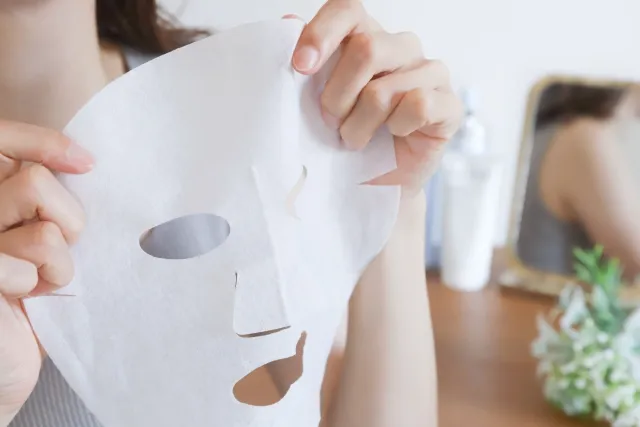
In addition to daily basic care, it is recommended to incorporate special treatments regularly. For example, using highly moisturizing sheet masks or brightening packs once or twice a week allows concentrated nourishment for the skin. Using a steam towel or a home steamer can open pores, aiding in the removal of dirt and the absorption of active ingredients. By doing these consistently, it is possible to replicate salon-level treatment effects at home.
Reevaluating Lifestyle Habits as Part of Skincare
To maximise the effects of home facials, it is essential not only to follow a skincare routine but also to maintain healthy lifestyle habits. Lack of sleep, stress, and an unbalanced diet are major causes of skin problems and ageing. Sleep, in particular, is a time when growth hormone secretion is active, promoting skin repair and regeneration. Getting enough rest is one of the most natural and effective ways to care for your skin. Additionally, consuming foods rich in vitamin C, vitamin E, zinc, and high-quality protein helps support skin health from the inside.
Tips for Maintaining Consistency
For those who find it hard to maintain a routine, adding elements that make skincare enjoyable can help. Choosing products with a favourite scent or listening to music while massaging turns care from a duty into a relaxing moment. Additionally, recording daily skin condition in a journal or app allows you to see how your efforts affect your skin over weeks or months, helping to sustain motivation.
In this way, maintaining a home facial routine over the long term requires “thorough basic care,” “regular use of special treatments,” “healthy lifestyle habits,” and “finding ways to enjoy the process.” Being mindful that small daily efforts can make a significant difference to your skin in the future, it is important to find a style that you can continue comfortably and sustainably.
6. Habits to Avoid
Home facials are highly effective for nurturing healthy skin, but if done incorrectly, they can actually damage it. Knowing which habits to avoid is just as important as performing proper care. Below, the key points to watch out for are explained in detail.
Avoid Rubbing Too Hard
Rubbing too hard during cleansing or massage is a major mistake. Facial skin is particularly thin and delicate, and strong friction can cause spots, wrinkles, and redness. It can also weaken the skin’s barrier function, making it more sensitive. When cleansing or massaging, focus on “gently enveloping the skin with foam or your palms” rather than pressing hard.
Avoid Prolonged Steaming
Steaming helps open pores, lift dirt, and improve the absorption of active ingredients, but excessive exposure can be counterproductive. Leaving pores open for too long may cause dryness and sagging. Generally, 5–10 minutes is appropriate, and longer sessions should be avoided. After steaming, it is important to moisturise promptly and tighten the open pores.
Excessive Peeling Can Damage the Skin
Peeling, which removes old keratin, helps create clear, radiant skin, but doing it too often can strip away more of the stratum corneum than necessary. The outer layer of skin serves as a barrier against external irritants, so excessive peeling can lead to dryness, inflammation, redness, and even worsening of acne. At home, peeling is generally recommended about once a week, and should be avoided when the skin is sensitive.
In this way, by keeping in mind the three points—“don’t apply too much pressure,” “limit steaming time,” and “avoid excessive peeling”—you can enhance the effects of home facials while minimising stress on the skin. When aiming for healthy, beautiful skin, “not overdoing it” is an essential part of proper care.
7. Summary
Home facial treatments do not require special skills or expensive equipment. In fact, by correctly understanding the basics and incorporating them into daily life, it is possible to achieve effects similar to those of professional salon treatments. The key is to acquire the right knowledge and methods and to continue care that suits your skin without overexertion.
Cleansing to remove dirt, massaging to promote circulation, and nourishing the skin with moisturisers and serums—these three basic steps form the core of a home facial and are essential for all skin types. By adding special treatments once or twice a week, the skin can become healthier, regaining clarity and firmness. However, incorrect habits—such as rubbing too hard, steaming for too long, or overdoing peeling—can undermine your efforts, so caution is necessary.
Moreover, maintaining beautiful skin requires not only external care but also attention from within. Adequate sleep, stress management, and a balanced diet all directly impact skin health. Viewing home facials not as a “luxury to pamper the skin” but as “a daily investment in yourself” naturally helps sustain motivation.
Ultimately, the key to achieving healthy, beautiful skin is “consistency” and “choosing methods that suit you.” Rather than simply copying someone else’s routine, finding a style that fits your skin type and daily rhythm allows you to continue care sustainably. Remember that small daily habits accumulate, showing significant results months or years down the line.
In short, home facial treatments are not just a beauty routine but a “crucial habit for nurturing the skin of your future self.” Start incorporating what you can, step by step, and work toward healthy, radiant skin.








 Toll-free