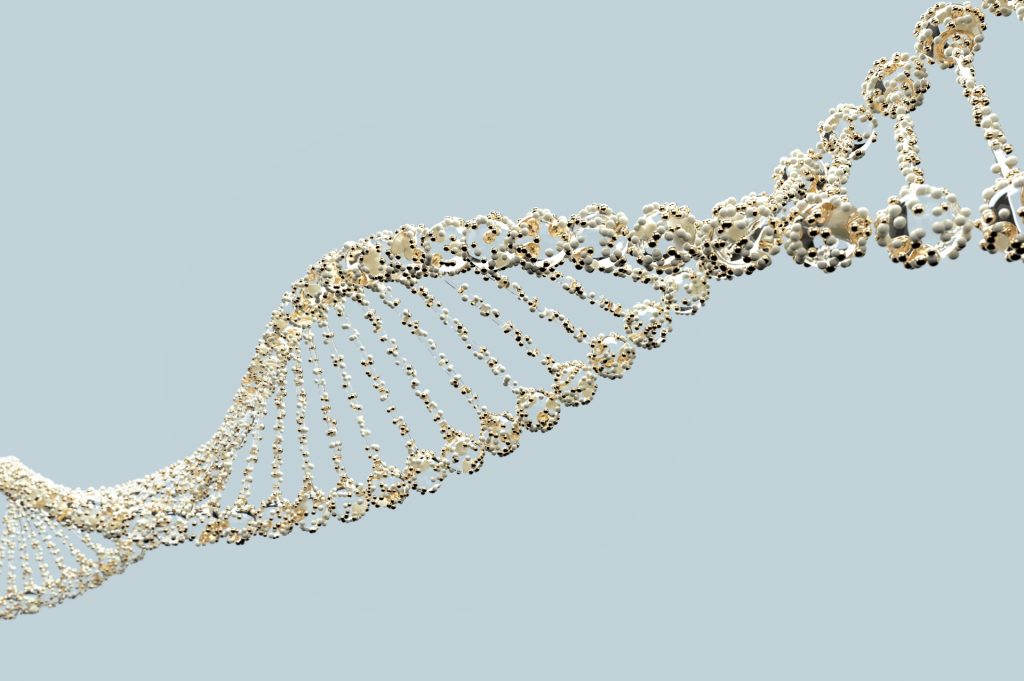
遺伝子情報で見る肥満予防と対策

Posted on 2024年 12月 17日 サラダボール

肥満は単なる食べ過ぎや運動不足だけでなく、遺伝的要因が大きく関与していることが科学的に証明されています。近年の研究では、特定の遺伝子が脂肪の蓄積や代謝、食欲の調整に関与しており、個々の体質に合った予防・対策が可能になりつつあります。

遺伝子情報を活用することで、自分に適した食事や運動法を見つけ、より効率的に肥満を予防・管理することができます。本記事では、肥満に関係する主要な遺伝子の種類や、それに基づく食生活・運動法、遺伝子検査を活用した最新の肥満対策について詳しく解説します。


1. 肥満と遺伝子の関係

遺伝子が肥満リスクに与える影響

双子研究によると、肥満の遺伝率は40〜70%に達することが分かっています(Stunkard et al., 1990)。これは、肥満が環境要因だけでなく、遺伝的要因によっても大きく左右されることを示しています。

遺伝子が肥満に与える影響は、主に以下の要素に分類されます。

  • エネルギー代謝(基礎代謝の高低)
  • 食欲の調整(満腹感や空腹感を感じやすいか)
  • 脂肪の蓄積しやすさ(脂肪細胞の増加傾向)
  • 運動の効果(脂肪燃焼効率や筋肉のつきやすさ)

肥満に関与する主な遺伝子

1. FTO遺伝子(食欲と代謝の調整)

FTO遺伝子は、食欲やエネルギー代謝に関与しており、変異があると過食傾向が強くなることが報告されています(Loos & Bouchard, 2008)。

  • AA型:食欲が強く、高カロリー食品を好みやすい。
  • AT型:中程度の影響を受ける。
  • TT型:食欲のコントロールがしやすい。

2. MC4R遺伝子(満腹感の調整)

MC4R遺伝子は、満腹感や食欲の調整を司る神経伝達物質と関連しています。変異があると、満腹感を感じにくく、結果として過食しやすくなります。

3. ADRB2遺伝子(脂肪燃焼と運動効果)

ADRB2遺伝子は、脂肪燃焼の効率を左右する遺伝子です。この遺伝子の変異によって、有酸素運動の効果が異なります。

  • Glu27Glu型:有酸素運動による脂肪燃焼効果が高い。
  • Gln27Gln型:脂肪燃焼効率が低く、運動しても効果が出にくい。

4. UCP1遺伝子(熱産生とエネルギー消費)

UCP1遺伝子は、脂肪細胞のミトコンドリアに影響を与え、エネルギー消費を増やす働きを持ちます。変異があると基礎代謝が低下し、体脂肪が蓄積しやすくなります。


2. 遺伝子タイプ別の肥満予防対策

野菜を前に説明する栄養士

1. 食事の最適化

(1) 炭水化物代謝が苦手なタイプ(FTO遺伝子変異あり)

このタイプの人は、糖質を摂取すると血糖値が急上昇しやすく、脂肪として蓄積されやすい傾向があります。

  • 推奨食品:玄米、全粒粉パン、オートミール(低GI食品)。
  • 避ける食品:白米、食パン、砂糖が多い食品。
  • 対策:食物繊維を多く摂取し、血糖値の急上昇を防ぐ。

(2) 脂質代謝が苦手なタイプ(PPARG・APOA2遺伝子変異あり)

このタイプの人は、飽和脂肪酸の代謝が遅く、高脂肪食が体脂肪の増加につながりやすい。

  • 推奨食品:オリーブオイル、ナッツ類、青魚(不飽和脂肪酸)。
  • 避ける食品:バター、揚げ物、加工肉。
  • 対策:脂質の摂取を減らし、良質な脂肪を選択する。


2. 運動の最適化

(1) 有酸素運動が効果的なタイプ(ADRB2遺伝子変異なし)

  • 推奨運動:ランニング、サイクリング、水泳(週3~5回)。

(2) 筋トレが効果的なタイプ(UCP1遺伝子変異あり)

  • 推奨運動:ウェイトトレーニング、HIIT(短時間で高強度の運動)。

3. 遺伝子検査を活用した最新の肥満対策

1. AIと遺伝子データの統合

AI技術を活用し、遺伝子情報と食事・運動データを統合的に分析し、個別最適なダイエットプランを提案するサービスが登場しています。

  • 「DNAfit」:遺伝子データをもとに食事・運動プランを個別化。
  • 「ZOE」:腸内細菌と遺伝子データを統合し、血糖値や脂質代謝に基づいた食事を提案。

4. 遺伝子情報を活用した未来の肥満予防と対策

ダイエットできずに悩む男性

近年、遺伝子研究の進歩により、肥満のリスクをより詳細に評価し、個別化された予防・対策を実施することが可能になってきました。今後は、AI技術やバイオテクノロジーとの統合により、さらに高度な健康管理が実現するでしょう。本章では、最新の研究動向と肥満対策の未来について解説します。


1. 遺伝子情報を活用した個別化ダイエットの進化

(1) ポリジェニックリスクスコア(PRS)による精密なリスク評価

従来の遺伝子検査では、1つまたは数種類の遺伝子変異を分析するのが一般的でした。しかし、近年では**ポリジェニックリスクスコア(PRS)**という新たなアプローチが登場し、複数の遺伝子変異を統合的に評価することで、より正確な肥満リスクを予測できるようになっています(Shadrina et al., 2018)。

  • PRSの活用例
    • FTO、MC4R、PPARG、ADRB2など、数十~数百の肥満関連遺伝子を組み合わせ、個人のリスクを評価。
    • 食事・運動プランを個別最適化し、リスクに応じた適切な対策を実施。

(2) 遺伝子型に基づいたカスタマイズダイエット

遺伝子検査を活用したダイエットプログラムが増加しており、以下のような個別化アプローチが実践されています。

  • 糖質制限が向いている人(TCF7L2変異あり)
    • 低GI食品を中心にし、血糖値の急上昇を抑える食事を推奨。
  • 高タンパク質食が向いている人(UCP1変異あり)
    • 筋肉量を増やし、基礎代謝を向上させるためにタンパク質摂取を重視。
  • 良質な脂質が重要な人(PPARG変異あり)
    • 飽和脂肪酸を控え、オメガ3脂肪酸(青魚、ナッツ)を積極的に摂取。

2. AIと遺伝子情報を統合したパーソナライズド肥満対策

(1) AIによるリアルタイム栄養管理

  • AIが遺伝子情報、食事ログ、運動データを統合し、最適な食事を提案。
  • **例:「ZOE」や「Lumen」**などのアプリが、リアルタイムで代謝データを測定し、食事プランをカスタマイズ。

(2) ウェアラブルデバイスとの連携

  • スマートウォッチや血糖値モニターと連携し、遺伝子に合った食事・運動プランを提供。
  • リアルタイムで血糖値やエネルギー消費を監視し、肥満リスクを最小限に抑える。


3. 遺伝子情報と腸内細菌の相互作用

腸内細菌は、肥満のリスクに大きな影響を与えることが知られています。遺伝子情報と腸内細菌のデータを統合することで、より効果的な肥満対策が可能になります。

(1) 腸内細菌のバランスと肥満の関係

  • 肥満の人は、フィルミクテス門の細菌が多く、バクテロイデス門の細菌が少ない傾向にある(Turnbaugh et al., 2006)。
  • 遺伝子情報と腸内細菌のバランスを分析し、適切なプロバイオティクス(乳酸菌・ビフィズス菌)を摂取することで、体重管理をサポート。

(2) AIが提案する腸内細菌バランスの最適化

  • 腸内細菌の状態を測定し、AIが最適な食事プランを自動調整。
  • **例:「Viome」**などのサービスが、腸内細菌データと遺伝子情報を統合し、パーソナライズされた食事プログラムを提案。


4. 遺伝子情報を活用した肥満予防の社会的アプローチ

会議で出される仕出し弁当を食べる男女

(1) 企業の健康経営と遺伝子検査の導入

  • 企業が社員の健康管理プログラムに遺伝子検査を組み込み、個別化された健康指導を実施。
  • 例:社員食堂で、遺伝子に基づいたメニューを提供する企業が増加。

(2) 学校教育での遺伝子栄養学の導入

  • 子どもの肥満予防として、遺伝子に基づいた栄養指導を実施する学校が増えている。
  • 例:個々の遺伝子型に応じた給食の提供や、食育プログラムのカスタマイズ。


5. 遺伝子研究の進化と肥満治療の新たな可能性

(1) 遺伝子編集技術(CRISPR)による肥満治療

  • CRISPR技術を活用し、FTOやMC4Rなどの肥満関連遺伝子の発現を調整する研究が進行中。
  • 遺伝子治療による食欲制御が可能になれば、肥満予防の新たな選択肢となる。

(2) 遺伝子情報を活用した新薬の開発

  • GLP-1受容体作動薬の開発が進み、遺伝子型に応じた薬剤の最適化が進められている。
  • 個別化医療の発展により、副作用のリスクを最小限に抑えた治療が可能に。

6. 遺伝子情報を活用した次世代の肥満対策と健康管理

遺伝子研究の進化により、肥満の予防・管理がより精密かつ個別化されてきています。今後、AI技術、バイオテクノロジー、パーソナライズド・ニュートリション(個別化栄養学)が統合され、最適な肥満対策が提供される未来が期待されています。本章では、次世代の肥満管理における最先端技術とその実用化について詳しく解説します。


1. 遺伝子情報を活用した次世代の栄養プランニング

(1) AIと遺伝子情報を活用したリアルタイム食事管理

  • AIが遺伝子データ、腸内細菌データ、リアルタイムの血糖値情報を統合し、毎日の食事プランを自動生成。
  • **例:「ZOE」や「Nutrigenomix」**などのサービスが、遺伝子データを基に食事の個別最適化を提供。

(2) 遺伝子型に基づいたカスタマイズ食品の開発

  • 機能性食品メーカーが、遺伝子データに基づいた食品を提供する動きが加速。
  • 例:オメガ3強化食品、血糖値管理に特化した低GI食品、高タンパク質食品などが個別に設計される。

(3) 3Dフードプリンターによる個別化食事の実現

  • 遺伝子情報とリアルタイムの健康データを組み合わせ、最適な栄養素を含んだ食事を3Dフードプリンターで作成する技術が進行中。
  • NASAでは宇宙飛行士向けに遺伝子データを活用したカスタム食が試験運用されている。


2. 遺伝子情報を活用した運動プランニングの最適化

(1) 遺伝子型に基づいたフィットネスプログラムの設計

  • 遺伝子検査の結果を基に、筋力トレーニングと有酸素運動のバランスを調整し、最も効果的なエクササイズプログラムを作成。
  • 例:持久力に適した遺伝子(ACTN3 XX型)を持つ人は有酸素運動中心、筋肉増強型の遺伝子(ACTN3 RR型)を持つ人はウェイトトレーニングを推奨。

(2) スマートウェアと遺伝子情報の統合

  • スマートウェア(着用型デバイス)が遺伝子データを解析し、運動時の脂肪燃焼効果をリアルタイムで分析。
  • 例:「DNAFit」では、遺伝子に基づいた最適なワークアウトをAIが提案。


3. 遺伝子情報とホルモンバランスの調整による肥満対策

食べ過ぎで肥満体型の男性

(1) メタボリズム関連遺伝子とホルモン調整

  • 体脂肪の蓄積は、ホルモンバランスの影響を強く受けるため、遺伝子情報に基づいたホルモン調整が注目されている。
  • 例:FTO遺伝子変異を持つ人は、レプチン(食欲抑制ホルモン)の分泌が低下しやすいため、特定の食事で補助。

(2) AIによるホルモンレベルのモニタリングと調整

  • ウェアラブルデバイスがホルモンバランスをモニタリングし、食事・運動・サプリメントの最適化を提案。
  • 例:血糖値とコルチゾール(ストレスホルモン)のバランスを調整するパーソナライズド・サプリメントの提供が開始。


4. 遺伝子情報と腸内細菌の関係を活用した新たな肥満予防戦略

(1) 遺伝子情報に基づく腸内フローラ調整

  • 腸内細菌は遺伝子情報と相互作用し、肥満や代謝に影響を与えることが判明。
  • AIが腸内細菌データを解析し、最適なプロバイオティクスとプレバイオティクス(食物繊維)を提案。

(2) 遺伝子情報を活用した腸内細菌移植

  • 肥満リスクのある遺伝子を持つ人に対し、健康な腸内細菌を移植する治療が開発中。
  • 例:「マイクロバイオーム・セラピー」では、肥満予防のための腸内細菌移植が試験的に実施。


5. 遺伝子情報を活用した社会全体の健康管理の進化

(1) 遺伝子データを活用した企業の健康経営

  • 企業が社員の健康管理に遺伝子情報を活用し、生活習慣病予防や業務効率の向上を図る動きが加速。
  • 例:従業員の遺伝子検査データを活用し、最適な健康管理プログラムを提供する企業が増加。

(2) 学校教育への遺伝子栄養学の導入

  • 学校給食の最適化や、子どもの遺伝子型に応じた健康指導の導入が進む。
  • 例:特定の遺伝子型を持つ子どもに適した食事提供や、肥満予防プログラムのカスタマイズ化。

6. 遺伝子情報を活用した次世代の肥満治療法

遺伝子

(1) 遺伝子編集(CRISPR)を活用した肥満治療

  • CRISPR技術を用いて、肥満リスクを低減する特定の遺伝子(FTO、MC4R)を制御する研究が進行中。
  • 遺伝子編集による脂肪細胞の活性調整が将来的な治療法として期待。

(2) 遺伝子情報に基づいた個別化薬物療法

  • 遺伝子型に応じた肥満治療薬の処方が可能になりつつある。
  • GLP-1受容体作動薬が、遺伝子型に応じてより効果的に作用するよう最適化される研究が進行中。

7. 遺伝子情報を活用した肥満予防の未来と課題

遺伝子研究とテクノロジーの発展により、肥満の予防・管理がより精密かつ個別化される時代が到来しています。これまでの画一的なダイエット方法や健康管理ではなく、個々の遺伝子情報を基に最適な食事・運動・ライフスタイルを構築するアプローチが普及しつつあります。ここでは、肥満予防の未来と、それに伴う課題について詳しく解説します。


1. 遺伝子情報とパーソナライズド・ニュートリションの進化

(1) 食事の完全個別化:遺伝子×AI×食品技術の統合

  • 遺伝子情報とAIを組み合わせ、個人ごとに最適な栄養プランを自動作成。
  • リアルタイムの血糖値、ホルモンバランス、代謝データと連携し、食事を動的に調整。
  • 例:「DNAfit」や「Nutrigenomix」では、遺伝子データを基に栄養計算を行い、毎日の食事メニューを提案。

(2) 遺伝子データを活用した食品選択の最適化

  • スーパーやレストランで、スマートフォンアプリを使い、遺伝子に合った食品を選択可能に。
  • 食材のバーコードをスキャンすると、遺伝子に適した食品かどうかを即時判定。
  • 例:フィンランドでは、遺伝子情報を基に食品選択を最適化するサービスが開発されている。

(3) 遺伝子情報を活用した機能性食品の開発

  • 遺伝子型に応じた特定の栄養素を強化した機能性食品が登場。
  • 例:
    • ビタミンDの吸収が低いVDR遺伝子変異を持つ人向けに、吸収率を高めたビタミンD強化食品。
    • 糖質代謝が苦手なTCF7L2変異を持つ人向けに、低GI食品を開発。


2. 遺伝子情報を活用したフィットネスと運動の進化

陸上で走る選手

(1) AIトレーニングアシスタントの活用

  • 遺伝子情報を基に、AIが運動プログラムを自動調整し、最適なトレーニングを提案。
  • 個々の体質に応じたカスタマイズが可能になり、効率的なダイエットが実現。
  • 例:「DNAfit」は、遺伝子データとAIを組み合わせ、最適なトレーニング方法を自動提案。

(2) スマートウェアによる運動データのリアルタイム解析

  • 運動時の心拍数、酸素消費量、筋肉の使用バランスを測定し、AIがフィードバック。
  • 遺伝子情報を加味したカスタムトレーニングが可能に。
  • 例:「Athos」のスマートウェアは、筋肉の活動データをリアルタイムで測定し、最適なエクササイズを提案。

(3) 遺伝子情報と高強度インターバルトレーニング(HIIT)

  • 特定の遺伝子変異(UCP1、ACTN3など)を持つ人は、短時間の高強度トレーニングが効果的。
  • 個別化されたHIITプログラムが開発され、より効果的な脂肪燃焼が可能に。


3. 遺伝子情報とライフスタイルの最適化

(1) 睡眠と肥満の遺伝的関連性

  • CLOCK遺伝子の変異がある人は、夜更かしが肥満のリスクを高めるため、睡眠の最適化が重要。
  • AIが睡眠データを解析し、最適な就寝時間と起床時間を提案。
  • 例:「Oura Ring」などのウェアラブルデバイスが、遺伝子情報を考慮した睡眠改善プログラムを提供。

(2) ストレス管理とホルモンバランスの最適化

  • ストレスが食欲や代謝に与える影響を、遺伝子情報を基に管理。
  • セロトニン生成に関与する5-HTTLPR遺伝子の変異に応じたストレス対策を提案。
  • 例:
    • ストレス耐性が低い人には、瞑想やマインドフルネスの導入を推奨。
    • ストレスホルモン(コルチゾール)の分泌を抑える食事プランを提案。


4. 遺伝子情報を活用した社会全体の肥満対策

(1) 健康政策への遺伝子情報の導入

  • 政府が遺伝子データを活用した健康政策を策定し、国民の肥満予防に役立てる動きが加速。
  • 例:
    • シンガポールでは、遺伝子情報を基にした個別化栄養指導プログラムが実施中。
    • フィンランドでは、遺伝子ベースのパーソナライズド健康管理プログラムが導入されている。

(2) 企業の健康経営と遺伝子データの活用

  • 企業が従業員の健康管理の一環として、遺伝子検査を活用するケースが増加。
  • 例:
    • 遺伝子型に応じた社内フィットネスプログラムの導入。
    • 食堂で、遺伝子情報に基づいたヘルシーメニューを提供。


5. 遺伝子情報を活用した未来の肥満治療法

診察する男性と医師

(1) 遺伝子編集(CRISPR)による肥満治療

  • CRISPR技術を活用し、肥満関連遺伝子(FTO、MC4Rなど)の発現を制御する研究が進行中。
  • 脂肪燃焼を促進する遺伝子を活性化し、肥満を予防する新技術が開発中。

(2) 遺伝子データに基づいたオーダーメイド医療

  • 遺伝子型に応じた個別化肥満治療薬の開発が進んでいる。
  • GLP-1受容体作動薬を、遺伝子情報に応じて最適化する試みが進行中。

8. 遺伝子情報を活用した肥満対策の課題と今後の展望

遺伝子情報を活用した肥満予防と対策は、多くの可能性を秘めていますが、いくつかの課題も存在します。技術の進化とともに、これらの課題を克服し、より効果的な健康管理が可能になると期待されています。


1. 遺伝子検査の限界と注意点

(1) 遺伝子情報だけでは肥満を完全に予測できない

  • 肥満は遺伝子だけでなく、環境要因やライフスタイルにも大きく影響される。
  • 遺伝子検査の結果を過信せず、総合的な健康管理が重要。

(2) 科学的エビデンスの確立が必要

  • 一部の遺伝子検査サービスは、科学的根拠が十分でないものも含まれている。
  • 遺伝子栄養学の研究が進むことで、より精度の高いデータ解析が可能になる。


2. 遺伝子情報のプライバシーと倫理的課題

(1) 遺伝子データのセキュリティ確保

  • 遺伝子情報は非常にセンシティブな個人データであり、不正利用のリスクがある。
  • データの管理・共有に関する厳格な法規制の整備が求められる。

(2) 遺伝子データの不正利用のリスク

  • 保険会社や企業による遺伝子データの悪用を防ぐため、倫理的なルールが必要。
  • 例:健康リスクの高い人が保険の加入を拒否されるといった問題を防ぐ対策が必要。

3. 遺伝子情報を活用した未来の肥満対策

スマートウォッチを使って運動する女性

(1) 遺伝子情報とIoTの融合

  • AIとスマートデバイスの進化により、リアルタイムの健康モニタリングが可能に。
  • スマートウォッチや血糖値センサーと連携し、個々の代謝状態に応じた食事・運動指導を提供。

(2) 遺伝子編集技術の発展と肥満治療

  • CRISPR技術を活用し、肥満リスク遺伝子の働きを調整する治療法が研究中。
  • これにより、根本的な肥満リスクの軽減が可能になる可能性がある。

今後、遺伝子情報を活用した肥満対策は、個人レベルだけでなく、社会全体の健康管理の向上にも貢献していくでしょう。技術の進歩と倫理的課題の克服を両立させることで、より効果的かつ公平な肥満対策が実現する未来が期待されます。

まとめ

遺伝子情報を活用することで、肥満のリスクを個別に評価し、より効果的な予防・対策が可能になっています。FTO、MC4R、PPARGなどの遺伝子は、食欲、脂肪代謝、運動効果に影響を与え、個別化された食事・運動プランが重要とされています。

また、AIやIoT技術の進化により、リアルタイムで健康データを分析し、最適な健康管理が可能になる未来が期待されています。ただし、プライバシー保護や科学的エビデンスの確立が必要であり、今後の技術発展と倫理的課題のバランスが求められます。

詳しくは ヒロクリニック全国のクリニック一覧 をご覧ください。

Posted on 2024年 12月 17日 サラダボール

科学证明,肥胖并非单纯由暴饮暴食或缺乏运动引起,遗传因素也起着重要作用。最近的研究表明,特定基因参与脂肪的积累、代谢和食欲调节,因此可以根据每个人的体质制定相应的预防和应对措施。

利用基因信息,可以找到最适合自己的饮食和运动方法,从而更有效地预防和管理肥胖。本文将详细介绍与肥胖相关的主要基因类型、基于这些基因的饮食和运动方法,以及利用基因检测的最新肥胖对策。

No categories found for this post.

1. 肥胖与基因的关系

基因如何影响肥胖风险

双胞胎研究表明,肥胖的遗传率为40-70%(Stunkard等,1990),这表明肥胖很大程度上是由遗传和环境因素决定的。

遗传因素对肥胖的影响主要有以下几个方面:

  • 能量代谢(基础代谢率)
  • 食欲调节(感觉饱或饿的容易程度)
  • 容易堆积脂肪(脂肪细胞容易增加)
  • 运动效果(脂肪燃烧效率、肌肉生成难易度)

No categories found for this post.

与肥胖有关的主要基因

1. FTO基因(调节食欲和新陈代谢)

FTO 基因与食欲和能量代谢有关,据报道,该基因突变会增加暴饮暴食的倾向(Loos & Bouchard,2008)。

  • AA型:食欲旺盛,喜欢高热量的食物。
  • AT 型:中度受影响。
  • TT型:食欲容易控制。

2. MC4R基因(调节饱腹感)

MC4R基因与调节饱腹感和食欲的神经递质有关。该基因突变会使人更难感到饱腹,从而导致暴饮暴食。

3. ADRB2基因(脂肪燃烧和运动​​效应)

ADRB2基因是一种影响脂肪燃烧效率的基因。该基因的突变会影响有氧运动的效果。

  • Glu27Glu类型:通过有氧运动高效燃烧脂肪。
  • Gln27Gln型:脂肪燃烧效率低,运动效果较差。

4. UCP1基因(产热和能量消耗)

UCP1基因会影响脂肪细胞的线粒体,增加能量消耗。UCP1基因突变会降低基础代谢,使体内脂肪更容易堆积。

No categories found for this post.


2. 基于基因类型的肥胖预防措施

野菜を前に説明する栄養士

1. 优化饮食

(1)碳水化合物代谢不良(FTO基因突变)

具有这种饮食习惯的人在摄入碳水化合物时,血糖水平往往会突然升高,而碳水化合物很容易以脂肪的形式储存起来。

  • 推荐食物:糙米、全麦面包、燕麦片(低GI食物)。
  • 避免的食物:白米饭、白面包和高糖食物。
  • 解决方案:多吃膳食纤维,以防止血糖水平突然升高。

(2)脂质代谢不良型(PPARG/APOA2基因突变)

此类型的人代谢饱和脂肪酸较慢,高脂饮食容易导致体脂增加。

  • 推荐食物:橄榄油、坚果和油性鱼(不饱和脂肪酸)。
  • 避免的食物:黄油、油炸食品和加工肉类。
  • 解决方案:减少脂肪摄入量并选择健康的脂肪。

No categories found for this post.


2. 优化锻炼

(1)有氧运动有效的类型(无ADRB2基因突变)

  • 建议运动:跑步、骑自行车、游泳(每周3-5次)。

(2)肌肉训练有效的类型(UCP1基因突变)

  • 推荐运动:重量训练、HIIT(高强度短期运动)。

3. 利用基因检测的最新肥胖对策

1. 整合人工智能和基因数据

使用人工智能技术全面分析遗传信息以及饮食和运动数据以提出个性化优化饮食计划的服务正在兴起。

  • “DNAfit”:基于基因数据的个性化饮食和锻炼计划。
  • “ZOE”:整合肠道细菌和基因数据,根据血糖水平和脂质代谢提出饮食建议。

No categories found for this post.

4. 利用基因信息预防未来肥胖及应对措施

ダイエットできずに悩む男性

近年来,基因研究的进步使得更细致地评估肥胖风险,并实施个性化的预防和应对措施成为可能。未来,人工智能技术与生物技术的融合有望带来更先进的健康管理。本章将介绍最新的研究趋势以及肥胖应对措施的未来发展方向。


1. 利用基因信息的个性化饮食的演变

(1)使用多基因风险评分(PRS)进行准确的风险评估

传统的基因检测通常分析一个或几个基因突变,但近年来出现了一种称为多基因风险评分(PRS)的新方法,通过全面评估多个基因突变,可以更准确地预测肥胖风险(Shadrina 等人,2018 年)。

  • PRS 使用示例
    • 将数十到数百个与肥胖相关的基因(例如 FTO、MC4R、PPARG 和 ADRB2)结合起来评估个体风险。
    • 饮食和运动计划进行个性化优化,并根据风险实施适当的措施。

(2)根据基因型定制饮食

基因检测在饮食计划中的应用越来越广泛,个性化方法包括:

  • 适合限制碳水化合物的人(TCF7L2突变
    • 建议以低 GI 食物为中心的饮食,以防止血糖水平突然升高。
  • 适合高蛋白饮食的人(UCP1突变)
    • 注重蛋白质的摄入,以增加肌肉量,提高基础代谢。
  • 重视健康脂肪的人群(PPARG 突变者)
    • 限制饱和脂肪酸,积极摄入 omega-3 脂肪酸(含油鱼、坚果)。
No categories found for this post.

2. 整合人工智能和基因信息的个性化肥胖预防措施

(1)利用AI进行实时营养管理

  • 人工智能整合基因信息、食物日志和运动数据来推荐最佳膳食。
  • **示例:“ZOE”和“Lumen”等应用程序**可实时测量代谢数据并定制膳食计划。

(2)与可穿戴设备的合作

  • 它与智能手表和血糖监测仪配合使用,提供根据您的基因量身定制的饮食和锻炼计划。
  • 实时监测血糖水平和能量消耗,最大限度地降低肥胖风险。

No categories found for this post.


3. 遗传信息与肠道细菌的相互作用

已知肠道细菌对肥胖风险有显著影响。整合基因信息和肠道细菌数据将有助于制定更有效的肥胖防治措施。

(1)肠道菌群平衡与肥胖的关系

  • 肥胖个体的厚壁菌门细菌往往较多,而拟杆菌门细菌较少 (Turnbaugh 等人,2006)。
  • 通过分析遗传信息和肠道细菌的平衡并提供适当的益生菌(乳酸菌和双歧杆菌)来支持体重管理。

(2)基于人工智能的优化肠道菌群平衡建议

  • 通过测量您的肠道细菌状态,AI 会自动调整最佳膳食计划。
  • **示例:“Viome”等服务**将肠道细菌数据与遗传信息相结合,以推荐个性化的饮食方案。

No categories found for this post.


4. 利用基因信息预防肥胖的社会方法

会議で出される仕出し弁当を食べる男女

(1)企业健康管理及基因检测的引入

  • 公司正在将基因检测纳入员工健康管理计划并提供个性化的健康指导。
  • 例如:越来越多的公司在员工餐厅提供基于基因的菜单。

(2)在学校教育中引入遗传营养

  • 越来越多的学校正在实施基于基因的营养指导,以预防儿童肥胖。
  • 例如,根据个人基因型提供学校午餐和定制食品教育计划。

No categories found for this post.


5. 基因研究进展及肥胖治疗的新可能性

(1)利用基因编辑技术(CRISPR)治疗肥胖症

  • 目前正在进行研究利用 CRISPR 技术来调节肥胖相关基因(如 FTO 和 MC4R)的表达。
  • 如果通过基因治疗可以控制食欲,那么将为预防肥胖提供新的选择。

(2)利用基因信息开发新药

  • GLP-1受体激动剂的研发正在不断推进,并正在努力根据基因型优化药物。
  • 个性化医疗的进步使得以最小的副作用风险提供治疗成为可能。
No categories found for this post.

6. 利用基因信息的下一代肥胖预防和健康管理

基因研究的进步使肥胖的预防和管理更加精准和个性化。展望未来,我们期待人工智能技术、生物技术和个性化营养的融合,提供最佳的肥胖应对方案。本章将详细介绍下一代肥胖管理的前沿技术及其实际应用。


1. 利用基因信息制定下一代营养计划

(1)利用人工智能和基因信息进行实时饮食管理

  • AI整合基因数据、肠道细菌数据、实时血糖水平信息,自动生成每日膳食计划。
  • **示例:“ZOE”和“Nutrigenomix”等服务**根据基因数据提供个性化饮食优化。

(2)基于基因型的定制食品开发

  • 功能性食品制造商正在加快努力提供基于基因数据的食品。
  • 例如,富含 Omega-3 的食物、专为血糖管理设计的低 GI 食物和高蛋白食物都是单独设计的。

(3)利用3D食品打印机实现个性化膳食

  • 目前,技术正在将遗传信息与实时健康数据相结合,利用 3D 食品打印机制作出含有最佳营养成分的膳食。
  • 美国宇航局正在测试一种利用基因数据为宇航员定制的饮食。

No categories found for this post.


2. 利用遗传信息优化运动规划

(1)根据基因型设计健身计划

  • 根据您的基因检测结果,我们将为您制定最有效的锻炼计划,调整力量训练和有氧运动之间的平衡。
  • 例如,具有适合耐力基因(ACTN3 XX类型)的人应该专注于有氧运动,而具有适合肌肉建设基因(ACTN3 RR类型)的人应该专注于重量训练。

(2)智能服装与基因信息的融合

  • 智能穿戴(可穿戴设备)通过分析基因数据,实时测量运动的燃脂效果。
  • 例如,“DNAFit”使用人工智能根据您的基因推荐最佳锻炼方式。

No categories found for this post.


3. 通过调整遗传信息和激素平衡的抗肥胖措施

食べ過ぎで肥満体型の男性

(1)代谢相关基因与激素调控

  • 由于体内脂肪的堆积受激素平衡的强烈影响,因此人们开始关注基于遗传信息的激素调节。
  • 例如,FTO 基因突变的人往往会导致瘦素(一种抑制食欲的激素)分泌减少,因此需要通过特定的饮食来补充。

(2)基于人工智能的激素水平监测与调节

  • 该可穿戴设备可监测荷尔蒙平衡并建议优化饮食、运动和补充剂。
  • 例如:现在可以提供平衡血糖和皮质醇(压力荷尔蒙)的个性化补充剂。

No categories found for this post.


4. 利用遗传信息和肠道细菌之间的关系预防肥胖的新策略

(1)根据遗传信息调节肠道菌群

  • 研究发现,肠道细菌与遗传信息相互作用,影响肥胖和新陈代谢。
  • AI分析肠道细菌数据并建议最佳益生菌和益生元(膳食纤维)。

(2)利用遗传信息进行肠道菌群移植

  • 目前正在研发一种治疗方法,即将健康的肠道细菌移植到带有肥胖风险基因的人体内。
  • 例如,“微生物组疗法”正在试点移植肠道细菌来预防肥胖。

No categories found for this post.


5. 利用基因信息进行全社会健康管理的进展

(1)利用基因数据进行企业健康管理

  • 公司越来越多地使用基因信息来管理员工的健康状况,预防与生活方式相关的疾病并提高工作效率。
  • 例如:越来越多的公司正在使用员工的基因检测数据来提供最佳的健康管理方案。

(2)将遗传营养引入学校教育

  • 优化学校午餐,推出适合儿童基因类型的健康指导。
  • 例如,为特定基因型的儿童提供适当的饮食和定制肥胖预防计划。
No categories found for this post.

6. 利用基因信息的下一代肥胖症治疗方法

遺伝子

(1)利用基因编辑(CRISPR)治疗肥胖症

  • 目前正在进行研究,利用 CRISPR 技术控制特定基因(FTO、MC4R),以降低肥胖风险。
  • 通过基因编辑调节脂肪细胞活性有望成为未来的治疗方法。

(2)基于基因信息的个性化药物治疗

  • 根据基因型开出肥胖症药物已成为可能。
  • 目前正在进行研究以优化 GLP-1 受体激动剂,使其根据基因型更有效地发挥作用。

No categories found for this post.

7. 利用基因信息预防肥胖的未来与挑战

基因研究和技术的进步正在引领肥胖预防和管理更加精准和个性化的新时代。过去千篇一律的饮食和健康管理方法已不再适用,而是根据个人基因信息优化饮食、运动和生活方式的方法正变得越来越普遍。本文将深入探讨肥胖预防的未来及其面临的挑战。


1. 遗传信息与个性化营养的演变

(1)完全个性化膳食:整合遗传学、人工智能和食品技术

  • 通过将基因信息与人工智能相结合,可以自动为每个人制定最佳营养计划。
  • 结合实时血糖、激素平衡和代谢数据动态调整您的饮食。
  • 例如,“DNAfit”和“Nutrigenomix”根据基因数据计算营养信息并建议每日膳食计划。

(2)利用基因数据优化食物选择

  • スーパーやレストランで、スマートフォンアプリを使い、遺伝子に合った食品を選択可能に。
  • 食材のバーコードをスキャンすると、遺伝子に適した食品かどうかを即時判定。
  • 例:フィンランドでは、遺伝子情報を基に食品選択を最適化するサービスが開発されている。

(3)利用遗传信息的功能性食品的开发

  • 现在已有基于基因型富含特定营养素的功能性食品。
  • 例子:
    • 一种强化维生素 D 的食品,可提高吸收率,适合因 VDR 基因突变而导致维生素 D 吸收减少的人群。
    • 我们为患有 TCF7L2 突变、难以代谢碳水化合物的人开发了低 GI 食品

No categories found for this post.


2. 利用基因信息促进健身和锻炼

陸上で走る選手

(1)利用人工智能训练助手

  • 根据基因信息,人工智能自动调整锻炼计划并建议最佳训练方案。
  • 现在可以根据每个人的体质进行定制,从而实现高效的饮食。
  • 例如,“DNAfit”将基因数据与人工智能相结合,自动建议最佳训练方法。

(2)利用智能服装实时分析运动数据

  • 运动过程中测量心率、氧气消耗、肌肉使用平衡,并由AI提供反馈。
  • 现在可以进行考虑到遗传信息的定制训练。
  • 例如,Athos智能穿戴可以实时测量肌肉活动数据并建议最佳锻炼方式。

(3)遗传信息与高强度间歇训练(HIIT)

  • 具有某些基因突变(UCP1、ACTN3 等)的人受益于短时间、高强度的训练。
  • 我们开发了个性化的 HIIT 计划来帮助您更有效地燃烧脂肪。

No categories found for this post.


3. 遗传信息与生活方式优化

(1)睡眠与肥胖的遗传关联

  • 对于CLOCK基因发生突变的人来说,熬夜会增加肥胖的风险,因此优化睡眠很重要。
  • 人工智能分析睡眠数据并建议最佳的就寝和起床时间。
  • 例如,Oura Ring 等可穿戴设备提供了考虑到遗传信息的睡眠改善计划。

(2)压力管理和激素平衡优化

  • 压力对食欲和新陈代谢的影响是根据遗传信息来管理的。
  • 我们根据参与血清素生成的 5-HTTLPR 基因突变提出了压力管理措施。
  • 例子:
    • 对于压力承受能力较低的人,建议引入冥想和正念。
    • 我们提出了一种抑制压力荷尔蒙(皮质醇)分泌的饮食计划。

No categories found for this post.


4. 利用基因信息对抗全社会肥胖

(1)将基因信息纳入卫生政策

  • 政府正在加快制定利用基因数据帮助预防公众肥胖的健康政策。
  • 例子:
    • 在新加坡,目前正在实施基于基因信息的个性化营养指导计划。
    • 芬兰正在推出基于基因的个性化医疗保健计划。

(2)企业健康管理与基因数据利用

  • 公司越来越多地将基因检测作为员工健康管理的一部分。
  • 例子:
    • 推出针对基因型定制的内部健身计划。
    • 餐厅根据基因信息提供健康菜单。

No categories found for this post.


5. 未来肥胖症治疗将利用基因信息

診察する男性と医師

(1)利用基因编辑(CRISPR)治疗肥胖症

  • 目前正在进行研究利用 CRISPR 技术来控制肥胖相关基因(FTO、MC4R 等)的表达。
  • 一项正在开发的新技术可以激活促进脂肪燃烧和预防肥胖的基因。

(2)基于基因数据的个性化医疗

  • 针对基因型的个性化肥胖治疗方法正在取得进展。
  • 目前正在进行努力以根据遗传信息优化 GLP-1 受体激动剂。

No categories found for this post.

8. 利用基因信息对抗肥胖的挑战和未来前景

虽然利用基因信息预防和对抗肥胖前景广阔,但也存在一些挑战。随着技术的进步,人们希望这些挑战能够被克服,并实现更有效的健康管理。


1. 基因检测的局限性和注意事项

(1)单靠基因信息无法完全预测肥胖

  • 肥胖不仅受基因的影响,还受到环境因素和生活方式的影响。
  • 重要的是不要过度依赖基因检测的结果,并采取全面的健康管理措施。

(2)必须有科学证据

  • 一些基因检测服务并没有基于足够的科学证据。
  • 随着基因营养研究的进步,更准确的数据分析将成为可能。

No categories found for this post.


2. 基因信息隐私与伦理问题

(1) 保障基因数据安全

  • 基因信息是高度敏感的个人数据,存在被滥用的风险。
  • 需要对数据管理和共享制定严格的法律规定。

(2)基因数据滥用的风险

  • 需要制定道德规则来防止保险公司和公司滥用基因数据。
  • 例如,需要采取措施防止高健康风险人群被拒绝保险等问题。
No categories found for this post.

3. 利用基因信息的未来肥胖预防措施

スマートウォッチを使って運動する女性

(1)基因信息与物联网的融合

  • 人工智能和智能设备的进步使得实时健康监测成为可能。
  • 它与智能手表和血糖传感器配合使用,提供针对每个人代谢状态的饮食和运动建议。

(2)基因编辑技术发展与肥胖治疗

  • 利用 CRISPR 技术调节肥胖风险基因活性的治疗方法的研究正在进行中。
  • 这可能会降低肥胖的潜在风险。

未来,利用基因信息的肥胖对策不仅能改善个人健康管理,还能惠及整个社会。通过在技术进步与伦理挑战之间取得平衡,我们有望实现更有效、更公平的肥胖对策。

No categories found for this post.

概括

利用基因信息可以对肥胖风险进行个体化评估,并制定更有效的预防和应对措施。FTO、MC4R和PPARG等基因会影响食欲、脂肪代谢和运动效果,因此个性化的饮食和运动计划至关重要。

此外,随着人工智能(AI)和物联网(IoT)技术的进步,未来有望实现健康数据的实时分析,从而实现最佳的健康管理。然而,隐私保护和科学证据的确立必不可少,未来技术发展与伦理问题之间也需要取得平衡。

No categories found for this post.

詳しくは ヒロクリニック全国のクリニック一覧 をご覧ください。

Posted on 2024年 12月 17日 サラダボール

It has been scientifically proven that obesity is not simply caused by overeating or lack of exercise, but that genetic factors also play a major role. Recent research has shown that specific genes are involved in fat accumulation, metabolism, and appetite regulation, making it possible to implement prevention and countermeasures tailored to each individual’s constitution.

By utilizing genetic information, you can find the diet and exercise methods that are best suited to you and more effectively prevent and manage obesity. This article provides a detailed explanation of the major types of genes related to obesity, dietary and exercise methods based on these, and the latest obesity countermeasures using genetic testing.


1. The relationship between obesity and genes

How genes influence obesity risk

Twin studies have shown that the heritability of obesity is 40-70% (Stunkard et al., 1990), indicating that obesity is largely determined by genetic as well as environmental factors.

The genetic influence on obesity can be categorized into the following main factors:

  • Energy metabolism (basal metabolic rate)
  • Appetite regulation (how easily you feel full or hungry)
  • Ease of fat accumulation (tendency to increase fat cells)
  • Effects of exercise (fat burning efficiency and ease of muscle building)

Major genes involved in obesity

1. FTO gene (regulating appetite and metabolism)

The FTO gene is involved in appetite and energy metabolism, and mutations in the gene have been reported to increase the tendency to overeat (Loos & Bouchard, 2008).

  • Type AA : They have a strong appetite and tend to prefer high-calorie foods.
  • AT type : Moderately affected.
  • TT type : Appetite is easily controlled.

2. MC4R gene (regulates satiety)

The MC4R gene is associated with neurotransmitters that regulate satiety and appetite. Mutations in the gene can make it harder for people to feel full, which can lead to overeating.

3. ADRB2 gene (fat burning and exercise effects)

The ADRB2 gene is a gene that influences the efficiency of fat burning. Mutations in this gene affect the effectiveness of aerobic exercise.

  • Glu27Glu type : Highly effective in burning fat through aerobic exercise.
  • Gln27Gln type : Fat burning efficiency is low, and exercise is less effective.

4. UCP1 gene (heat production and energy expenditure)

The UCP1 gene affects the mitochondria of fat cells, increasing energy consumption. Mutations in the UCP1 gene decrease basal metabolism, making it easier for body fat to accumulate.


2. Obesity prevention measures based on gene type

野菜を前に説明する栄養士

1. Optimize your diet

(1) Poor carbohydrate metabolism (FTO gene mutation)

People with this type of diet tend to experience a sudden rise in blood sugar levels when they consume carbohydrates, which are then easily stored as fat.

  • Recommended foods : brown rice, whole wheat bread, oatmeal (low GI foods).
  • Foods to avoid : White rice, white bread, and foods high in sugar.
  • Solution : Eat plenty of dietary fiber to prevent a sudden rise in blood sugar levels.

(2) Type with poor lipid metabolism (PPARG/APOA2 gene mutations)

People with this type metabolize saturated fatty acids slowly, and a high-fat diet is likely to lead to increased body fat.

  • Recommended foods : olive oil, nuts, and oily fish (unsaturated fatty acids).
  • Foods to avoid : butter, fried foods, and processed meats.
  • Solution : Reduce fat intake and choose healthy fats.


2. Optimizing exercise

(1) Type for which aerobic exercise is effective (no ADRB2 gene mutation)

  • Recommended exercise : running, cycling, swimming (3-5 times per week).

(2) Type for which muscle training is effective (UCP1 gene mutation)

  • Recommended exercise : weight training, HIIT (high intensity short-term exercise).

3. The latest obesity countermeasures using genetic testing

1. Integrating AI and genetic data

Services are emerging that use AI technology to comprehensively analyze genetic information and diet and exercise data to propose individually optimized diet plans.

  • “DNAfit” : Personalized diet and exercise plans based on genetic data.
  • “ZOE” : Integrates intestinal bacteria and genetic data to suggest dietary recommendations based on blood sugar levels and lipid metabolism.

4. Future obesity prevention and countermeasures using genetic information

ダイエットできずに悩む男性

In recent years, advances in genetic research have made it possible to assess obesity risk in more detail and implement personalized prevention and countermeasures. In the future, integration with AI technology and biotechnology will likely lead to even more advanced health management. This chapter explains the latest research trends and the future of obesity countermeasures.


1. The evolution of personalized diets using genetic information

(1) ポリジェニックリスクスコア(PRS)による精密なリスク評価

While traditional genetic testing typically analyzes one or a few gene mutations, a new approach known as polygenic risk scores (PRSs) has emerged in recent years, which allows for more accurate prediction of obesity risk by comprehensively assessing multiple gene mutations (Shadrina et al., 2018).

  • PRS usage examples
    • Dozens to hundreds of obesity-related genes, such as FTO, MC4R, PPARG, and ADRB2, are combined to assess individual risk.
    • Dietary and exercise plans are individually optimized, and appropriate measures are implemented according to risk.

(2) Customized diet based on genotype

Genetic testing is increasingly being used in diet programs, with personalized approaches including:

  • People who are suited to carbohydrate restriction (TCF7L2 mutation)
    • A diet centered on low GI foods is recommended to prevent sudden rises in blood sugar levels.
  • People who are suited to a high-protein diet (with UCP1 mutation)
    • Focus on protein intake to increase muscle mass and improve basal metabolism.
  • People for whom healthy fats are important (with PPARG mutations)
    • Limit saturated fatty acids and actively consume omega-3 fatty acids (oil-filled fish, nuts)

2. Personalized obesity prevention measures integrating AI and genetic information

(1) Real-time nutritional management using AI

  • AI integrates genetic information, food logs, and exercise data to suggest optimal meals.
  • **Example: Apps like “ZOE” and “Lumen”** measure metabolic data in real time and customize meal plans.

(2) Collaboration with wearable devices

  • It works in conjunction with smartwatches and blood sugar monitors to provide diet and exercise plans tailored to your genes.
  • Monitor blood glucose levels and energy expenditure in real time to minimize the risk of obesity.


3. Interaction between genetic information and intestinal bacteria

Gut bacteria are known to have a significant impact on the risk of obesity. Integrating genetic information and gut bacteria data will enable more effective measures to combat obesity.

(1) The relationship between intestinal bacterial balance and obesity

  • Obese individuals tend to have more bacteria in the phylum Firmicutes and fewer bacteria in the phylum Bacteroidetes (Turnbaugh et al., 2006).
  • Supports weight management by analyzing the balance of genetic information and intestinal bacteria and providing appropriate probiotics (lactic acid bacteria and bifidobacteria).

(2) AI-based recommendations for optimizing intestinal bacteria balance

  • The state of your intestinal bacteria is measured and AI automatically adjusts the optimal meal plan.
  • **Example: Services such as “Viome”** integrate gut bacteria data with genetic information to suggest personalized dietary programs.


4. Social approach to obesity prevention using genetic information

会議で出される仕出し弁当を食べる男女

(1) Corporate health management and the introduction of genetic testing

  • Companies are incorporating genetic testing into their employee health management programs and providing personalized health guidance.
  • Example: An increasing number of companies are offering genetically based menus in their employee cafeterias.

(2) Introduction of genetic nutrition in school education

  • More and more schools are implementing genetically based nutritional guidance to prevent childhood obesity.
  • Examples include providing school lunches according to individual genotypes and customizing food education programs.


5. Advances in genetic research and new possibilities for obesity treatment

5. Advances in genetic research and new possibilities for obesity treatment

  • Research is underway to utilize CRISPR technology to regulate the expression of obesity-related genes such as FTO and MC4R.
  • If appetite control becomes possible through gene therapy, it will provide a new option for preventing obesity.

(2) Development of new drugs using genetic information

  • The development of GLP-1 receptor agonists is progressing, and efforts are being made to optimize drugs according to genotype.
  • Advances in personalized medicine have made it possible to provide treatment with minimal risk of side effects.

6. Next-generation obesity prevention and health management using genetic information

Advances in genetic research are making obesity prevention and management more precise and personalized. Going forward, we anticipate the integration of AI technology, biotechnology, and personalized nutrition to provide optimal obesity countermeasures. This chapter provides a detailed look at cutting-edge technologies in next-generation obesity management and their practical applications.


1. Next-generation nutrition planning using genetic information

(1) Real-time dietary management using AI and genetic information

  • AI integrates genetic data, intestinal bacteria data, and real-time blood glucose level information to automatically generate a daily meal plan.
  • **Example: Services such as “ZOE” and “Nutrigenomix”** offer personalized diet optimization based on genetic data.

(2) Development of customized foods based on genotype

  • Functional food manufacturers are accelerating their efforts to provide foods based on genetic data.
  • For example, foods enriched with omega-3, low GI foods specifically designed for blood sugar management, and high protein foods are individually designed.

(3) Realizing personalized meals using 3D food printers

  • Technology is underway to combine genetic information with real-time health data to create meals containing optimal nutrients using a 3D food printer .
  • NASA is testing a customized diet for astronauts that uses genetic data.


2. Optimizing movement planning using genetic information

(1) Designing fitness programs based on genotype

  • Based on the results of your genetic testing, we will create the most effective exercise program for you , adjusting the balance between strength training and aerobic exercise .
  • For example, people with genes suitable for endurance (ACTN3 XX type) should focus on aerobic exercise, while people with genes suitable for muscle building (ACTN3 RR type) should focus on weight training.

(2) Integration of smart clothing and genetic information

  • Smart wear (wearable devices) analyze genetic data and measure the fat burning effect of exercise in real time.
  • For example, “DNAFit” uses AI to suggest optimal workouts based on your genes.


3. Anti-obesity measures by adjusting genetic information and hormone balance

食べ過ぎで肥満体型の男性

(1) Metabolism-related genes and hormone regulation

  • Since the accumulation of body fat is strongly influenced by hormonal balance, attention is being paid to hormone regulation based on genetic information.
  • For example, people with FTO gene mutations tend to have reduced secretion of leptin (an appetite-suppressing hormone), so they need to supplement this with a specific diet.

(2) AI-based hormone level monitoring and adjustment

  • The wearable device monitors hormone balance and suggests optimization of diet, exercise, and supplements.
  • Example: Personalized supplements that balance blood sugar and cortisol (the stress hormone) are now available.


4. A new strategy for preventing obesity that utilizes the relationship between genetic information and gut bacteria

(1) Adjusting intestinal flora based on genetic information

  • It has been found that intestinal bacteria interact with genetic information and affect obesity and metabolism.
  • AI analyzes intestinal bacteria data and suggests optimal probiotics and prebiotics (dietary fiber).

(2) Gut microbiota transplantation using genetic information

  • A treatment is being developed that involves transplanting healthy gut bacteria into people who have genes that put them at risk of obesity.
  • For example, “microbiome therapy” is piloting the transplantation of gut bacteria to prevent obesity.


5. Advances in health management for society as a whole using genetic information

(1) Corporate health management using genetic data

  • Companies are increasingly using genetic information to manage the health of their employees, preventing lifestyle-related diseases and improving work efficiency.
  • Example: An increasing number of companies are using genetic testing data from their employees to provide optimal health management programs.

(2) Introduction of genetic nutrition into school education

  • School lunches will be optimized and health guidance tailored to children’s genetic types will be introduced.
  • Examples include providing appropriate diets for children with specific genotypes and customizing obesity prevention programs.

6. Next-generation obesity treatments using genetic information

遺伝子

(1) Obesity treatment using gene editing (CRISPR)

  • Research is underway using CRISPR technology to control specific genes (FTO, MC4R) that reduce the risk of obesity.
  • Regulating fat cell activity through gene editing is expected to become a future treatment.

(2) Personalized drug therapy based on genetic information

  • It is becoming possible to prescribe obesity medications based on genotype.
  • Research is underway to optimize GLP-1 receptor agonists to work more effectively depending on genotype.

7. The future and challenges of obesity prevention using genetic information

Advances in genetic research and technology are ushering in an era in which obesity prevention and management are becoming more precise and personalized. Instead of the one-size-fits-all diet and health management methods of the past, approaches that optimize diet, exercise, and lifestyle based on individual genetic information are becoming more widespread. This article takes a closer look at the future of obesity prevention and the challenges that come with it.


1. Genetic information and the evolution of personalized nutrition

(1) Completely personalized meals: Integrating genetics, AI, and food technology

  • By combining genetic information with AI, the optimal nutrition plan for each individual is automatically created.
  • Dynamically adjust your diet in conjunction with real-time blood sugar, hormone balance, and metabolic data.
  • For example, “DNAfit” and “Nutrigenomix” calculate nutritional information based on genetic data and suggest daily meal plans.

(2) Optimizing food choices using genetic data

  • You can use a smartphone app to select foods that suit your genes at supermarkets and restaurants.
  • By scanning the barcode of ingredients, it is instantly determined whether the food is genetically suitable.
  • Example: In Finland, a service is being developed that optimizes food choices based on genetic information.

(3) Development of functional foods using genetic information

  • Functional foods enriched with specific nutrients based on genotype are now available.
  • Example:
    • A vitamin D fortified food with increased absorption rate for people with VDR gene mutations that reduce vitamin D absorption.
    • We have developed low GI foods for people with the TCF7L2 mutation, who have difficulty metabolizing carbohydrates


2. Using genetic information to advance fitness and exercise

陸上で走る選手

(1) Utilizing AI training assistants

  • Based on genetic information, AI automatically adjusts exercise programs and suggests optimal training.
  • It is now possible to customize according to each individual’s constitution, making for an efficient diet.
  • For example, “DNAfit” combines genetic data with AI to automatically suggest optimal training methods.

(2) Real-time analysis of exercise data using smart clothing

  • Heart rate, oxygen consumption, and muscle usage balance are measured during exercise, and AI provides feedback.
  • Custom training that takes genetic information into account is now possible.
  • For example, Athos smart wear measures muscle activity data in real time and suggests optimal exercises.

(3) Genetic information and high-intensity interval training (HIIT)

  • People with certain gene mutations (UCP1, ACTN3, etc.) benefit from short, high-intensity training sessions.
  • A personalized HIIT program has been developed to help you burn fat more effectively.


3. Genetic information and lifestyle optimization

(1) Genetic association between sleep and obesity

  • For people with a mutation in the CLOCK gene, staying up late increases their risk of obesity, so optimizing sleep is important.
  • AI analyzes sleep data and suggests optimal bedtime and wake-up times.
  • For example, wearable devices such as the Oura Ring offer sleep improvement programs that take genetic information into account.

(2) Stress management and hormone balance optimization

  • The impact of stress on appetite and metabolism is managed based on genetic information.
  • We propose stress management measures based on mutations in the 5-HTTLPR gene, which is involved in serotonin production.
  • Example:
    • For people with low stress tolerance, it is recommended to introduce meditation and mindfulness.
    • We propose a diet plan that suppresses the secretion of stress hormones (cortisol).


4. Utilizing genetic information to combat obesity throughout society

(1) Incorporating genetic information into health policy

  • The government is accelerating efforts to formulate health policies that utilize genetic data to help prevent obesity among the public.
  • Example:
    • In Singapore, a personalized nutritional guidance program based on genetic information is currently being implemented.
    • Finland is introducing a genetic-based personalized health care program.

(2) Corporate health management and the use of genetic data

  • Companies are increasingly using genetic testing as part of their employee health management.
  • Example:
    • Introducing an in-house fitness program tailored to genotype.
    • The cafeteria offers healthy menus based on genetic information.


5. Future obesity treatments using genetic information

診察する男性と医師

(1) Treating obesity with gene editing (CRISPR)

  • Research is underway to utilize CRISPR technology to control the expression of obesity-related genes (FTO, MC4R, etc.).
  • A new technology is being developed that activates genes that promote fat burning and prevents obesity.

(2) Personalized medicine based on genetic data

  • Development of personalized obesity treatments tailored to genotype is progressing.
  • Efforts are underway to optimize GLP-1 receptor agonists based on genetic information.

8. Challenges and future prospects for using genetic information to combat obesity

While the use of genetic information to prevent and combat obesity holds great promise, there are also some challenges. As technology advances, it is hoped that these challenges will be overcome and more effective health management will become possible.


1. Limitations and precautions of genetic testing

(1) Genetic information alone cannot completely predict obesity

  • Obesity is not only influenced by genes, but also by environmental factors and lifestyle.
  • It is important not to rely too much on the results of genetic testing and to take comprehensive health management measures.

(2) Scientific evidence must be established

  • Some genetic testing services are not based on sufficient scientific evidence.
  • As research into genetic nutrition advances, more accurate data analysis will become possible.


2. Genetic Information Privacy and Ethical Issues

(1) Ensuring the security of genetic data

  • Genetic information is highly sensitive personal data and is at risk of misuse.
  • Strict legal regulations regarding data management and sharing are required.

(2) Risk of misuse of genetic data

  • Ethical rules are needed to prevent insurance companies and companies from misusing genetic data.
  • For example, measures are needed to prevent problems such as people with high health risks being denied insurance coverage.

3. Future obesity prevention measures using genetic information

スマートウォッチを使って運動する女性

(1) Integration of genetic information and IoT

  • Advances in AI and smart devices are enabling real-time health monitoring.
  • It works in conjunction with smartwatches and blood glucose sensors to provide dietary and exercise advice tailored to each individual’s metabolic state.

(2) Development of gene editing technology and obesity treatment

  • Research is underway into treatments that utilize CRISPR technology to regulate the activity of obesity risk genes.
  • This may potentially reduce the underlying risk of obesity.

In the future, obesity countermeasures that utilize genetic information will likely contribute to improving health management not only at the individual level, but also for society as a whole. By balancing technological advances with overcoming ethical challenges, we can look forward to a future in which more effective and fair obesity countermeasures will be realized.

Summary

Utilizing genetic information allows for individual assessment of obesity risk and more effective prevention and countermeasures. Genes such as FTO, MC4R, and PPARG affect appetite, fat metabolism, and exercise effects, making personalized diet and exercise plans important.

Furthermore, advances in AI and IoT technology are expected to lead to a future in which health data can be analyzed in real time, enabling optimal health management. However, privacy protection and the establishment of scientific evidence are necessary, and a balance must be struck between future technological developments and ethical issues.

詳しくは ヒロクリニック全国のクリニック一覧 をご覧ください。