遺伝子情報と食生活の相性と改善策

Posted on 2024年 12月 17日 食生活

私たちの食生活は、遺伝的な要因と深く関わっています。同じ食事をしていても、太りやすい人と痩せやすい人がいるのは、遺伝子の違いによるものかもしれません。近年の研究により、特定の遺伝子が栄養の代謝や食欲、体重管理に影響を与えることが明らかになっています。本記事では、遺伝子と食生活の関係、遺伝子検査を活用した最適な食事の選び方、食生活の改善策について詳しく解説します。


1. 遺伝子と食生活の関係

遺伝と食事の相性はどのように決まるのか?

遺伝子は、私たちの栄養素の消化・吸収・代謝に影響を与えるため、同じ食品でも人によって体への影響が異なります。例えば、乳糖不耐症の人は乳糖を分解する酵素「ラクターゼ」の遺伝子変異を持ち、牛乳を飲むと消化不良を起こしやすくなります。

主な食事関連の遺伝子の影響は以下の通りです。

  • 栄養の代謝(炭水化物、脂質、タンパク質の処理能力)
  • 食欲や満腹感の調整
  • 脂肪の蓄積や燃焼のしやすさ
  • 食事による血糖値の変動

食事と関連する主な遺伝子

1. FTO遺伝子(肥満リスクと食欲の調整)

FTO遺伝子は、食欲のコントロールに関与し、特定のバリアントを持つと高カロリーの食事を好む傾向があります。

  • AA型:食欲が強く、炭水化物の摂取量が増えやすい
  • AT型:中程度の影響を受ける
  • TT型:食欲のコントロールがしやすい

FTO遺伝子の変異がある場合、食事量の管理が特に重要になります。

2. PPARG遺伝子(脂肪の代謝と糖質の処理)

PPARG遺伝子は、脂肪の蓄積や糖質の代謝に関与します。この遺伝子の特定の変異を持つ人は、脂質代謝が低下し、高脂肪食による体重増加リスクが高まります。

  • 変異がある人:低脂肪・高タンパクの食事が効果的
  • 変異がない人:標準的な脂肪摂取でも問題ない

3. APOA2遺伝子(飽和脂肪酸の影響)

APOA2遺伝子は、飽和脂肪酸の代謝に関与し、特定の変異があると高脂肪食の影響を受けやすくなります。

  • CC型(変異なし):脂肪の影響を受けにくい
  • TT型(変異あり):飽和脂肪酸を多く摂取すると肥満リスクが上昇

この遺伝子の変異がある人は、バターや肉の脂身を減らし、オリーブオイルやナッツなどの不飽和脂肪酸を増やすとよいでしょう。

4. TCF7L2遺伝子(糖代謝と糖尿病リスク)

TCF7L2遺伝子は、血糖値の調整に影響を与え、特定の変異を持つと糖尿病のリスクが高まります。

  • 変異がある人:低GI食品を中心とした食事を推奨
  • 変異がない人:糖質摂取の影響が比較的少ない

2. 遺伝子検査を活用した最適な食事の選び方

野菜を前に説明する栄養士

1. 遺伝子タイプ別の食事戦略

炭水化物代謝が苦手なタイプ(FTO変異あり)

  • 糖質を控えめにし、低GI食品を中心にする。
  • 白米やパンを玄米や全粒粉のものに変更。
  • 食物繊維を増やし、血糖値の急上昇を抑える。

脂質代謝が苦手なタイプ(PPARG・APOA2変異あり)

  • 飽和脂肪酸(バター、肉の脂身)を控え、良質な脂質(オリーブオイル、アボカド)を摂取。
  • 運動を取り入れ、脂肪燃焼を促進。

タンパク質代謝が苦手なタイプ(UCP1変異あり)

  • 高タンパク食を意識し、筋肉量を増やす。
  • 鶏肉、魚、大豆製品を積極的に摂取。

2. 遺伝子情報に基づいた栄養サプリメントの選び方

遺伝子によって必要な栄養素が異なります。

  • ビタミンD代謝が低い人(VDR遺伝子変異) → サプリメントで補う。
  • カフェイン代謝が遅い人(CYP1A2遺伝子変異) → 過剰なカフェイン摂取を避ける。


3. 遺伝子を考慮した食生活の改善策

1. 栄養素の最適なバランスを見つける

  • 遺伝子情報を活用し、炭水化物・脂質・タンパク質のバランスを最適化。
  • 血糖値の安定を図るために、食事の順番を意識(野菜→タンパク質→炭水化物)。

2. 腸内環境を整える

  • 遺伝子によって腸内細菌の影響を受けやすい人もいるため、発酵食品(納豆、ヨーグルト)を積極的に摂取。
  • プレバイオティクス(食物繊維)を多く摂取し、善玉菌を増やす。

3. 定期的な遺伝子検査を受け、食生活を調整

  • 科学的データに基づいた食生活の調整を行うことで、健康維持がしやすくなる。
  • 遺伝子データに基づいた食事指導を受けることで、より効果的な食生活を実践できる。

4. 遺伝子情報を活用した食生活の具体的な改善策

診察する男性医師と女性患者

遺伝子による体質を理解することで、自分に合った食事の選び方や健康的なライフスタイルを確立することができます。ここでは、具体的な食事プランや食材選びのポイントを紹介します。


1. 遺伝子タイプ別の食事プラン

(1) 炭水化物代謝が苦手な人(FTO変異あり)

このタイプの人は、糖質を摂取すると血糖値が急上昇しやすく、脂肪として蓄積されやすい傾向があります。

  • 推奨食品
    • 玄米、全粒粉パン、オートミール(低GI食品)
    • 豆類(ひよこ豆、レンズ豆)
    • 野菜(ブロッコリー、アボカド、ケール)
  • 避けるべき食品
    • 白米、食パン、パスタ(高GI食品)
    • 砂糖が多く含まれる加工食品(ジュース、菓子パン)
  • 改善策
    • 食事の際、最初に野菜を食べることで血糖値の急上昇を防ぐ。
    • 糖質を減らす代わりに、タンパク質と脂質の比率を増やす。

(2) 脂質代謝が苦手な人(PPARG・APOA2変異あり)

このタイプの人は、脂質の分解が遅く、飽和脂肪酸を過剰に摂取すると体脂肪が増えやすい。

  • 推奨食品
    • 青魚(サーモン、イワシ、サバ)
    • ナッツ類(アーモンド、くるみ)
    • オリーブオイル、アボカド
  • 避けるべき食品
    • バター、ラード、揚げ物
    • 加工肉(ソーセージ、ベーコン)
  • 改善策
    • 炭水化物の代わりに良質な脂質(オメガ3)を摂取する。
    • 運動を習慣化し、脂肪燃焼を促進する。

(3) タンパク質代謝が苦手な人(UCP1変異あり)

このタイプの人は、筋肉の発達が遅く、基礎代謝が低いため、筋肉を増やすためのタンパク質摂取が重要。

  • 推奨食品
    • 鶏胸肉、豆腐、納豆
    • 卵、ギリシャヨーグルト
    • 赤身の牛肉、魚(ツナ、カツオ)
  • 避けるべき食品
    • 高脂肪の肉(バラ肉、霜降り肉)
    • 過剰な炭水化物(特に精製された糖質)
  • 改善策
    • 毎食にタンパク質をしっかり摂取する(目安:体重1kgあたり1.2~2.0g)。
    • レジスタンストレーニング(筋トレ)を週2~3回行い、筋肉量を増やす。


2. 遺伝子情報に基づくライフスタイルの最適化

食事をするシニア夫婦

(1) 食事のタイミングと遺伝子の関係

遺伝子の違いによって、食事の時間帯や頻度が代謝に影響を与えることが分かっています。

  • BMAL1遺伝子と食事のタイミング
    • BMAL1遺伝子は体内時計を調整し、食事のタイミングがエネルギー代謝に影響を与える。
    • 変異がある人は、夜遅くに食事をすると脂肪が蓄積しやすい。

改善策

  • 朝食をしっかり摂り、夜遅い食事を避ける。
  • 夕食は寝る3時間前までに済ませる。

(2) 腸内細菌と遺伝子の関係

腸内環境が遺伝子発現に影響を与え、食事の消化・吸収効率を左右します。

  • 腸内環境を改善する食品
    • 発酵食品(ヨーグルト、キムチ、納豆)
    • 食物繊維が豊富な食品(オートミール、リンゴ、ブロッコリー)

改善策

  • プレバイオティクス(食物繊維)とプロバイオティクス(善玉菌)を意識的に摂取する。
  • 腸内細菌を育てるために、多様な食品を摂る。

3. 遺伝子情報を活用した最新の栄養アプローチ

(1) 遺伝子ベースのパーソナライズドダイエット

近年、遺伝子検査を活用した個別化ダイエットプログラムが注目されています。

  • DNAfit(イギリス)
    • 遺伝子検査をもとに、最適な栄養素バランスを提案。
    • 食事と運動の相性を解析し、個別にカスタマイズ。
  • Nutrigenomix(カナダ)
    • 遺伝子情報を解析し、遺伝的に最適な食事スタイルを提供。
    • 乳糖不耐症やグルテン感受性なども評価。

(2) AIと遺伝子データの統合

AIを活用して、遺伝子情報と食事データを統合し、最適な食事プランを提案するサービスも登場しています。

  • ZOE(アメリカ)
    • 腸内細菌、血糖値、遺伝子データを解析し、食事の最適化をサポート。
    • 個別の食事プランをAIが自動生成。
  • Lumen(イスラエル)
    • 呼気分析と遺伝子情報を組み合わせ、代謝状態をリアルタイムで評価。
    • 食事や運動の最適なタイミングを提案。


4. 遺伝子検査の活用と今後の展望

オンライン診療の前に資料を読む男性医師

遺伝子情報を活用した食生活の改善は、科学的根拠に基づいたアプローチとして今後さらに発展すると考えられます。

  • 個別化栄養の進化:AIと遺伝子データを組み合わせ、より精密なダイエットプランが可能に。
  • エピジェネティクスの応用:ライフスタイルの変更によって遺伝子の発現を最適化する研究が進行中。
  • 食品と遺伝子の相互作用の解明:遺伝子による栄養素の吸収効率の違いを考慮した新しい食品開発が期待される。

5. 遺伝子情報を活用した食生活の最適化:応用編

遺伝子検査を活用することで、より科学的なアプローチで健康的な食生活を送ることができます。ここでは、さらに具体的な食事戦略や遺伝子と栄養の相互作用について詳しく解説します。


1. 遺伝子情報を活用した食材選びのポイント

遺伝子によって栄養素の吸収や代謝が異なるため、特定の栄養素が不足しやすい人もいれば、過剰に摂取しないほうがよい人もいます。

(1) ビタミン・ミネラルの代謝と遺伝子の関係

  • ビタミンD代謝(VDR遺伝子)
    • 変異があるとビタミンDの吸収率が低下し、骨密度の低下や免疫機能の低下を招きやすい。
    • 改善策:サーモン、卵黄、強化ミルクを積極的に摂取し、不足する場合はサプリメントで補う。
  • 鉄分の吸収(HFE遺伝子)
    • 変異があると鉄の吸収が低下し、貧血になりやすい。
    • 改善策:赤身肉、レンズ豆、ほうれん草を摂取し、ビタミンCと組み合わせることで吸収を促進。
  • カフェイン代謝(CYP1A2遺伝子)
    • 変異があるとカフェインの代謝が遅くなり、不眠やストレスホルモンの増加を引き起こしやすい。
    • 改善策:遺伝的に代謝が遅い人は、カフェイン摂取を午前中に制限する。

(2) 食物アレルギーと遺伝子の関係

一部の食品アレルギーは遺伝的要因が関与していることが分かっています。

  • 乳糖不耐症(LCT遺伝子)
    • 変異があると、乳糖を分解する酵素「ラクターゼ」の働きが低下し、牛乳を飲むと消化不良を起こしやすい。
    • 改善策:乳糖フリーの乳製品(豆乳、アーモンドミルク)を選ぶ。
  • グルテン不耐症(HLA-DQ遺伝子)
    • 変異があると、セリアック病やグルテン過敏症のリスクが高まる。
    • 改善策:小麦製品を避け、グルテンフリーの食事(米、そば、トウモロコシ)を中心にする。


2. 遺伝子ごとの適切な食事バランスの設定

ランニングする男性の足元

(1) エネルギーバランスと遺伝子の影響

エネルギーの消費量は、基礎代謝や運動習慣だけでなく、遺伝子によっても異なります。

  • UCP1遺伝子とエネルギー消費
    • 変異があると基礎代謝が低下し、カロリー消費が少なくなる。
    • 改善策:食事のカロリー密度を下げ、運動でエネルギー消費を促進する。
  • ADRB2遺伝子と脂肪燃焼
    • 変異があると脂肪の分解が遅く、体脂肪が蓄積しやすい。
    • 改善策:高タンパク質食と有酸素運動を組み合わせる。

(2) 食事の頻度と遺伝子の影響

一日3食が適している人もいれば、少量の食事を複数回摂る方が適している人もいます。

  • CLOCK遺伝子(概日リズム)
    • 変異があると、夜型の食生活が肥満リスクを高める。
    • 改善策:朝食をしっかり摂り、夕食を軽めにする。
  • MC4R遺伝子(食欲調整)
    • 変異があると満腹感を感じにくく、間食が増えやすい。
    • 改善策:間食をナッツやヨーグルトなど栄養価の高い食品に置き換える。

3. 遺伝子情報を活用したダイエットの実践例

(1) ケトジェニックダイエット(低糖質・高脂質食)

  • 適している遺伝子タイプ:FTO変異あり、PPARG変異なし
  • 基本ルール
    • 炭水化物を1日50g以下に制限し、脂質を多めに摂取。
    • 肉・魚・ナッツ・オリーブオイルを中心とした食事。

(2) 地中海式ダイエット(高タンパク・良質な脂質)

  • 適している遺伝子タイプ:PPARG変異あり、APOA2変異あり
  • 基本ルール
    • オリーブオイル、ナッツ、魚を中心にする。
    • 赤身肉や飽和脂肪酸を控える。

(3) プラントベースダイエット(植物由来の食品中心)

  • 適している遺伝子タイプ:APOA2変異あり、TCF7L2変異あり
  • 基本ルール
    • 動物性脂肪を避け、豆類・全粒穀物・野菜を中心にする。
    • 精製糖質や加工食品を控える。


6. 遺伝子検査の未来と課題

試験管

1. 遺伝子情報と健康管理の進化

  • AIとの統合:遺伝子情報をAIと統合し、リアルタイムで健康管理が可能に。
  • ウェアラブルデバイスとの連携:血糖値や心拍数と組み合わせた食事最適化が進む。

2. 遺伝子情報の課題と倫理的側面

  • プライバシーの保護:遺伝子データの不正利用を防ぐための法律整備が必要。
  • 食事指導の個別化:遺伝子情報だけに頼らず、生活習慣や環境要因を考慮する重要性。

7. 遺伝子情報を活用した食事管理の未来

遺伝子研究の発展により、食生活の最適化がより科学的に行えるようになっています。今後、AI技術や個別化医療の進化とともに、遺伝子情報を活用した健康管理はさらに進化するでしょう。


1. 遺伝子情報を活用した新しい栄養管理技術

(1) AIとビッグデータを活用した食事最適化

近年、AI技術が進歩し、遺伝子情報を活用した個別化栄養プランが可能になりつつあります。

  • AI栄養管理アプリ
    • 「ZOE」:遺伝子・腸内細菌・血糖値をAIが解析し、個人に最適な食事を提案。
    • 「Habit」:DNA検査と血液検査の結果をもとに、最適な食事スタイルを提供。
  • 遺伝子データとリアルタイムの食事トラッキング
    • ウェアラブルデバイス(スマートウォッチ、血糖値モニター)と連携し、遺伝子情報を活用した食事管理が可能に。
    • 例:「Lumen」では、呼気分析と遺伝子情報を組み合わせて代謝の状態を把握し、最適な栄養摂取を指導。

(2) 遺伝子と食品の相互作用の解明

遺伝子によって、特定の食品が健康に与える影響が異なることが分かっています。

  • 例1:コーヒーと遺伝子の関係(CYP1A2遺伝子)
    • カフェインの代謝が遅い人は、過剰なコーヒー摂取が心血管リスクを高める可能性がある。
  • 例2:アルコール分解能力の違い(ALDH2遺伝子)
    • ALDH2遺伝子の変異を持つ人はアルコール代謝が遅く、飲酒習慣が健康リスクを増加させる。
  • 例3:ポリフェノールと認知機能(BDNF遺伝子)
    • BDNF遺伝子の変異がある人は、ポリフェノール(ブルーベリー、緑茶)の摂取が脳機能の維持に有効。


2. 遺伝子を活用したパーソナライズド栄養療法

アーモンドとクルミ

(1) 遺伝子情報に基づく特定の健康リスクの予防

  • 糖尿病リスクが高い場合(TCF7L2遺伝子変異)
    • 高炭水化物食を避け、食物繊維を多く摂取する。
    • 血糖値の急上昇を防ぐために食事の順番(野菜→タンパク質→炭水化物)を意識。
  • 心血管疾患リスクが高い場合(APOA2遺伝子変異)
    • 飽和脂肪酸を減らし、不飽和脂肪酸(オメガ3)を多く摂取する。
    • 魚、ナッツ、オリーブオイルを積極的に取り入れる。
  • 骨粗鬆症リスクが高い場合(VDR遺伝子変異)
    • ビタミンDの吸収が低下しやすいため、日光を浴びる時間を確保する。
    • サーモン、チーズ、強化乳製品を積極的に摂取。

(2) 遺伝子によるホルモンバランスの影響と食事

遺伝子によって、ホルモンの働きや代謝が異なるため、適切な食事がホルモンバランスの維持に役立つ。

  • エストロゲン代謝(COMT遺伝子)
    • COMT遺伝子の変異があると、エストロゲンの分解が遅くなり、ホルモンバランスが乱れやすい。
    • 改善策:キャベツ、ブロッコリーなどのアブラナ科の野菜を多く摂取することでエストロゲンの代謝を促進。
  • セロトニン生成(5-HTTLPR遺伝子)
    • 変異があるとセロトニンの分泌が低下し、気分の落ち込みやストレスを感じやすい。
    • 改善策:トリプトファンを多く含む食品(バナナ、ナッツ、卵)を摂取し、セロトニンの生成を促す。


3. 遺伝子情報を活用した未来の健康管理

(1) 未来の食品開発と遺伝子の関係

遺伝子情報を活用し、個人に最適な食品を開発する動きが進んでいます。

  • 機能性食品の開発
    • 遺伝子ごとに必要な栄養素を強化した食品の開発(例:ビタミンD強化ミルク)。
    • 特定の遺伝子変異に対応したプロバイオティクス製品の普及。
  • 3Dフードプリンターの活用
    • 遺伝子データに基づき、個別に最適化された食事を自動生成する技術が登場。
    • NASAでは宇宙飛行士向けに、3Dフードプリンターを用いた個別栄養管理を研究中。

(2) 遺伝子編集と栄養改善の可能性

CRISPR技術を活用し、栄養素を最適に摂取できる食品の開発が進められています。

  • グルテンフリー小麦の開発
    • グルテン不耐症の人向けに、グルテンの影響を抑えた小麦を遺伝子編集で開発。
  • 低糖質果物の開発
    • 血糖値の上昇を抑える果物(低糖バナナ、低糖ぶどう)の育成。

8. 遺伝子情報を活用した栄養管理の社会的インパクト

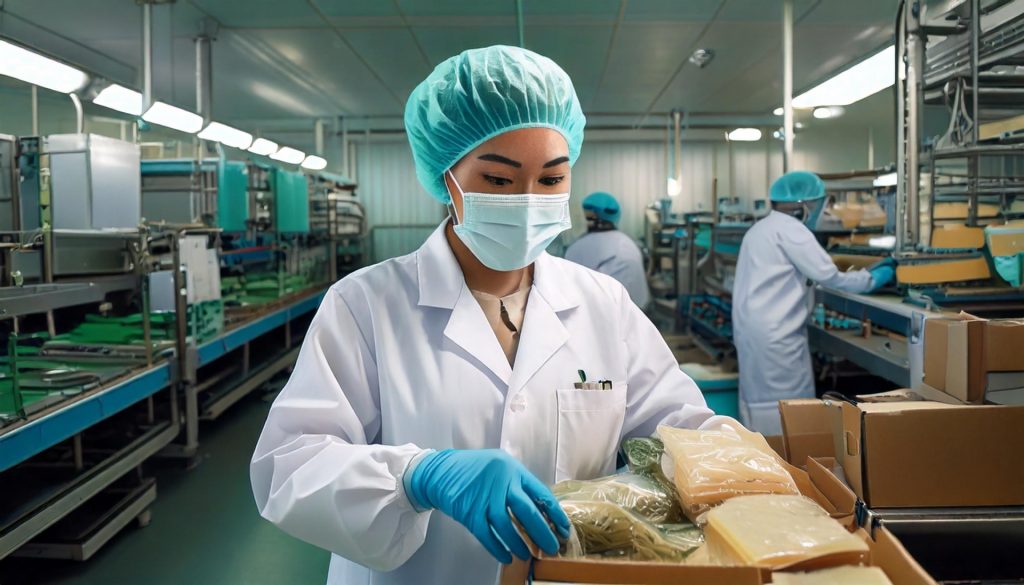
食品工場のスタッフ

遺伝子情報に基づいた個別化栄養管理は、個人の健康向上だけでなく、医療や食品産業にも大きな影響を与えています。ここでは、社会全体に与える影響について詳しく解説します。


1. 医療分野における遺伝子栄養学の応用

(1) 予防医療の進化

遺伝子情報を活用することで、個人の健康リスクを早期に特定し、病気の発症を未然に防ぐことができます。

  • 糖尿病リスクの評価
    • TCF7L2遺伝子の変異がある人は、血糖値の管理を早期に開始し、食事改善で糖尿病リスクを低減可能。
  • 心血管疾患の予防
    • APOA2遺伝子の変異を持つ人は、飽和脂肪酸を減らすことで動脈硬化のリスクを軽減できる。

(2) パーソナライズド・メディカル・ニュートリション

医療機関では、遺伝子検査を活用した個別栄養指導が普及しつつあります。

  • がん患者の栄養管理
    • 遺伝子変異に基づいて、治療中の食事制限や最適な栄養素を提案。
  • アスリートのパフォーマンス向上
    • 遺伝子情報を活用し、エネルギー効率を高める食事プランを作成。


2. 食品産業における遺伝子情報の活用

(1) 遺伝子ベースの機能性食品の開発

食品業界では、遺伝子データに基づいた栄養強化食品の開発が進められています。

  • ビタミンD強化ミルク:VDR遺伝子の変異がある人向けに開発。
  • プロバイオティクスヨーグルト:腸内環境と遺伝子の相互作用を考慮した製品が登場。

(2) 遺伝子データに基づく食事アドバイスの自動化

  • スマートフォンアプリが遺伝子情報と食事履歴を解析し、リアルタイムで最適な食事を提案。
  • AI技術を活用した「食材選びのガイド」が普及し、遺伝子に合った食品を選択できる時代が到来。

3. 社会的課題と倫理的問題

(1) 遺伝子情報のプライバシー保護

遺伝子データは非常にセンシティブな情報であり、不正利用のリスクが指摘されています。

  • 企業が遺伝子データをどのように管理するかが重要な課題。
  • 個人の遺伝子情報を保険会社や雇用主が利用することに対する法的規制が必要。

(2) 遺伝子ベースの健康格差

遺伝子検査を活用した栄養管理は、費用がかかるため、一部の人しか利用できない可能性があります。

  • 遺伝子栄養学が広まることで、「健康格差」が拡大する懸念も。
  • 遺伝子情報を利用した栄養管理が、すべての人に公平に提供される仕組みづくりが求められる。


9. 遺伝子情報を活用した未来の食生活

自宅で食事をする親子

遺伝子情報をもとにした食事管理は、個人の健康だけでなく、社会全体の食文化や医療のあり方を変える可能性を持っています。

1. 未来のパーソナライズド・ダイエット

  • AIと遺伝子情報を統合し、毎日の食事を自動最適化。
  • 3Dフードプリンターで、個人の栄養ニーズに応じた食品を作成。

2. 遺伝子ベースの食生活教育の普及

  • 学校教育に遺伝子栄養学を導入し、個人に合った健康管理を学ぶ。
  • 企業の健康経営プログラムに遺伝子検査を組み込み、社員の健康促進を図る。

まとめ

遺伝子情報を活用した食生活の最適化は、個人の体質に合った栄養管理を可能にし、健康維持や病気予防に役立ちます。FTOやPPARG、TCF7L2などの遺伝子は、炭水化物・脂質・タンパク質の代謝に影響を与え、個別化された食事が重要であることが示されています。

今後、AIやビッグデータとの統合により、より高度なパーソナライズド栄養管理が普及すると予測されます。社会全体で遺伝子情報を活用した健康管理が進むことで、食文化や医療の在り方も大きく変わるでしょう。

詳しくは ヒロクリニック全国のクリニック一覧 をご覧ください。

Posted on 2024年 12月 17日

我们的饮食习惯与遗传因素息息相关。即使饮食相同,有些人容易增重,而有些人却容易减重,这可能是由于基因差异造成的。最近的研究表明,某些基因会影响营养代谢、食欲和体重管理。本文详细阐述了基因与饮食习惯之间的关系、如何利用基因检测选择最佳饮食,以及如何改善饮食习惯。

No categories found for this post.


1. 基因与饮食的关系

遗传和饮食如何相互影响?

基因会影响我们消化、吸收和代谢营养物质的方式,因此同一种食物对不同人的身体可能有不同的影响。例如,乳糖不耐症患者的乳糖酶(一种分解乳糖的酶)发生了基因突变,他们在喝牛奶时更容易出现消化不良。

与饮食相关的主要遗传影响有:

  • 营养代谢(处理碳水化合物、脂质和蛋白质的能力)
  • 调节食欲和饱腹感
  • 脂肪的堆积与燃烧
  • 进餐时血糖水平波动

No categories found for this post.

与饮食相关的主要基因

1. FTO基因(调节肥胖风险和食欲)

FTO 基因与食欲控制有关,某些变异会导致对高热量食物的偏好。

  • AA型:食欲旺盛,倾向于增加碳水化合物的摄入量
  • AT型:中度受影响
  • TT型:更容易控制食欲

如果您的 FTO 基因发生突变,那么控制份量就显得尤为重要。

2. PPARG基因(脂肪代谢和碳水化合物加工)

PPARG基因参与脂肪堆积和碳水化合物代谢。携带该基因某些突变的个体脂质代谢受损,高脂饮食导致体重增加的风险更高。

  • 携带突变的人:低脂肪、高蛋白饮食是有效的
  • 没有突变的人:正常脂肪摄入量就可以了

3. APOA2基因(饱和脂肪酸的影响)

APOA2基因参与饱和脂肪酸的代谢,某些突变使人们更容易受到高脂肪饮食的影响。

  • CC型(无突变):不易受脂肪影响
  • TT型(突变):饱和脂肪酸摄入量高,肥胖风险增加

患有这种基因突变的人应该少吃黄油和肥肉,多吃不饱和脂肪,如橄榄油和坚果。

No categories found for this post.

4. TCF7L2基因(葡萄糖代谢和糖尿病风险)

TCF7L2基因影响血糖调节,携带某些突变会增加患糖尿病的风险。

  • 患有此基因突变的人:建议以低 GI 食物为主的饮食
  • 没有突变的人:碳水化合物摄入的影响相对较小

2. 如何通过基因检测选择最佳饮食

野菜を前に説明する栄養士

1. 基于基因型的饮食策略

碳水化合物代谢不良(FTO突变)

  • 限制碳水化合物并注重低 GI 食物。
  • 用糙米或全麦代替白米饭和面包。
  • 增加膳食纤维有助于防止血糖水平突然飙升。

脂质代谢不良型(PPARG/APOA2突变)

  • 限制饱和脂肪(黄油、肥肉)并摄入健康脂肪(橄榄油、鳄梨)。
  • 结合运动来促进脂肪燃烧。

蛋白质代谢不良(UCP1突变)

  • 吃高蛋白饮食来增加肌肉质量。
  • 积极食用鸡肉、鱼类和豆制品。

2. 如何根据基因信息选择营养补充剂

营养需求因基因而异。

  • 维生素D代谢低(VDR基因突变)的人→补充补充剂。
  • 咖啡因代谢缓慢的人(CYP1A2基因突变) →避免过量摄入咖啡因。

No categories found for this post.


3.基于基因的饮食改善

1. 找到最佳营养平衡

  • 利用遗传信息来优化碳水化合物、脂质和蛋白质的平衡。
  • 为了稳定血糖水平,请注意进餐顺序(蔬菜→蛋白质→碳水化合物)。

2.改善肠道环境

  • 有些人由于基因的原因,更容易受到肠道细菌的影响,因此积极食用发酵食品(纳豆、酸奶)。
  • 多吃益生元(膳食纤维)以增加有益细菌的数量。

3. 定期进行基因检测并调整饮食

  • 根据科学数据调整饮食,保持健康就会变得更容易。
  • 通过根据基因数据获得饮食建议,您可以实施更有效的饮食。

No categories found for this post.

4. 利用遗传信息改善饮食习惯的具体措施

診察する男性医師と女性患者

通过了解您的遗传倾向,您可以选择合适的食物并建立健康的生活方式。这里我们将介绍具体的膳食计划和食材选择技巧。


1. 针对特定基因类型的膳食计划

(1)碳水化合物代谢较差的人(FTO突变)

具有这种饮食习惯的人在摄入碳水化合物时,血糖水平往往会突然升高,而碳水化合物很容易以脂肪的形式储存起来。

  • 推荐食物
    • 糙米、全麦面包、燕麦片(低 GI 食物)
    • 豆类(鹰嘴豆、小扁豆)
    • 蔬菜(西兰花、鳄梨、羽衣甘蓝)
  • 应避免的食物
    • 白米饭、面包、意大利面(高GI食物)
    • 含糖量高的加工食品(果汁、甜面包)
  • 改进措施
    • 吃饭时先吃蔬菜,有助于防止血糖突然升高。
    • 不要减少碳水化合物,而要增加蛋白质与脂肪的比例。

(2)脂质代谢不良者(PPARG/APOA2基因突变)

这种体型的人分解脂质的速度较慢,如果摄入过多的饱和脂肪酸,就更容易增加体内脂肪。

  • 推荐食物
    • 蓝色鱼(鲑鱼、沙丁鱼、鲭鱼)
    • 坚果(杏仁、核桃)
    • 橄榄油、鳄梨
  • 应避免的食物
    • 黄油、猪油、油炸食品
    • 加工肉类(香肠、培根)
  • 改进措施
    • 吃健康脂肪(欧米伽 3)而不是碳水化合物。
    • 养成运动习惯,促进脂肪燃烧。

(3)蛋白质代谢不良者(UCP1突变)

这种体型的人往往肌肉发育较慢,基础代谢率较低,因此摄入蛋白质对增肌很重要。

  • 推荐食物
    • 鸡胸肉、豆腐、纳豆
    • 鸡蛋、希腊酸奶
    • 瘦牛肉、鱼(金枪鱼、鲣鱼)
  • 应避免的食物
    • 高脂肪肉类(五花肉、五花肉)
    • 碳水化合物过量(尤其是精制糖)
  • 改进措施
    • 确保每餐摄入足够的蛋白质(每公斤体重约1.2-2.0克)。
    • 每周进行两到三次阻力训练(重量训练)来增强肌肉质量。

No categories found for this post.


2.基于基因信息的生活方式优化

食事をするシニア夫婦

(1)进餐时间与基因的关系

众所周知,基因差异会影响新陈代谢,这取决于一天中的时间和进餐频率。

  • BMAL1 基因与进餐时间
    • BMAL1基因调节人体的内部时钟,进餐时间会影响能量代谢。
    • 患有这种基因突变的人如果深夜进食就更容易储存脂肪。

改进措施

  • 吃好早餐,避免吃夜宵。
  • 睡觉前至少三小时吃完晚餐。

(2)肠道菌群与基因的关系

肠道环境影响基因表达并决定食物消化和吸收的效率。

  • 改善肠道环境的食物
    • 发酵食品(酸奶、泡菜、纳豆)
    • 富含纤维的食物(燕麦、苹果、西兰花)

改进措施

  • 有意识地摄入益生元(膳食纤维)和益生菌(有益细菌)。
  • 吃各种各样的食物来滋养你的肠道细菌。
No categories found for this post.

3. 利用遗传信息的最新营养方法

(1)基于基因的个性化饮食

近年来,利用基因检测的个性化饮食计划越来越受到关注。

  • DNAfit(英国
    • 根据基因测试,我们提出最佳营养平衡建议。
    • 分析饮食和运动之间的兼容性并进行个性化定制。
  • Nutrigenomix(加拿大)
    • 分析遗传信息并提供基因上最佳的饮食方式。
    • 还评估了乳糖不耐症和麸质敏感性。

(2)人工智能与基因数据的整合

使用人工智能整合遗传信息和饮食数据以推荐最佳膳食计划的服务也正在兴起。

  • 佐伊(美国)
    • 分析肠道细菌、血糖水平和基因数据,以帮助优化您的饮食。
    • AI自动生成个人膳食计划。
  • Lumen(以色列)
    • 将呼吸分析与遗传信息相结合,实时评估代谢状态。
    • 建议最佳的进餐和锻炼时间。

No categories found for this post.


4. 基因检测的应用和未来前景

オンライン診療の前に資料を読む男性医師

预计利用基因信息改善饮食习惯在未来将作为一种科学方法不断发展。

  • 个性化营养的进步:将人工智能与基因数据相结合将实现更精确的饮食计划。
  • 表观遗传学的应用:正在进行通过改变生活方式来优化基因表达的研究。
  • 阐明食物和基因之间的相互作用:预计将开发出考虑到营养吸收效率的遗传差异的新食品。

No categories found for this post.

5. 利用遗传信息优化饮食习惯:应用

基因检测可以帮助您采取更科学的健康饮食方法。本文将探讨更具体的饮食策略以及基因与营养素之间的相互作用。


1. 利用基因信息筛选食材的要点

由于营养吸收和代谢因基因而异,有些人容易缺乏某些营养素,而其他人则应避免摄入过量的营养素。

(1)维生素和矿物质代谢与基因的关系

  • 维生素 D 代谢(VDR 基因)
    • 突变会减少维生素 D 的吸收,导致骨密度降低和免疫功能受损。
    • 解决方案:增加鲑鱼、蛋黄和强化牛奶的摄入量,如果缺乏则补充补充剂。
  • 铁吸收(HFE基因)
    • 突变会导致铁吸收减少和贫血易感性增加。
    • 解决方法:吃瘦肉、扁豆和菠菜,并补充维生素 C 以增强吸收
  • 咖啡因代谢(CYP1A2基因)
    • 这种突变会减缓咖啡因的代谢,使其更容易导致失眠并增加压力荷尔蒙。
    • 解决方案:如果您天生新陈代谢较慢,请将咖啡因的摄入量限制在早上。

(2)食物过敏与基因的关系

已知遗传因素在某些食物过敏中起着一定作用。

  • 乳糖不耐症(LCT基因)
    • 如果发生突变,分解乳糖的乳糖酶的活性就会降低,喝牛奶时更容易出现消化不良。
    • 解决方案:选择不含乳糖的乳制品(豆奶、杏仁奶)。
  • 麸质不耐症(HLA-DQ基因)
    • 这种突变会增加患乳糜泻和麸质敏感症的风险。
    • 如何改善:避免食用小麦制品,注重无麸质饮食(大米、荞麦、玉米)。

No categories found for this post.


2. 为每个基因设定正确的饮食平衡

ランニングする男性の足元

(1)能量平衡与遗传影响

能量消耗不仅取决于基础代谢率和运动习惯,还取决于基因。

  • UCP1基因与能量消耗
    • 这种突变会减慢基础代谢率并减少卡路里消耗。
    • 解决方案:降低饮食的热量密度,并通过运动促进能量消耗。
  • ADRB2基因与脂肪燃烧
    • 这种突变会减缓脂肪分解,使体内脂肪更容易堆积。
    • 解决方法:将高蛋白饮食与有氧运动结合起来。

(2)进餐频率和遗传影响

有些人适合一天吃三顿饭,而有些人则喜欢少量多餐。

  • CLOCK基因(昼夜节律)
    • 如果存在这种突变,夜间进食习惯会增加肥胖的风险。
    • 解决方案:吃一顿丰盛的早餐和一顿清淡的晚餐。
  • MC4R基因(食欲调节)
    • 如果您有这种突变,您可能不会那么容易感到饱,而且可能会更频繁地吃零食。
    • 怎么做:用坚果和酸奶等营养食品代替零食。
No categories found for this post.

3. 利用基因信息进行节食的例子

(1)生酮饮食(低碳水化合物、高脂肪饮食)

  • 适合基因类型:FTO突变,无PPARG突变
  • 基本规则
    • 每天限制碳水化合物摄入量为50克或更少,并摄入大量脂肪。
    • 以肉类、鱼类、坚果和橄榄油为中心的饮食。

(2)地中海饮食(高蛋白和健康脂肪)

  • 适用基因类型:PPARG突变、APOA2突变
  • 基本规则
    • 重点关注橄榄油、坚果和鱼类。
    • 避免食用红肉和饱和脂肪。

(3)植物性饮食(主要以植物性食物为主)

  • 适用基因类型:APOA2突变、TCF7L2突变
  • 基本规则
    • 避免食用动物脂肪,多吃豆类、全谷物和蔬菜。
    • 避免食用精制糖和加工食品。

No categories found for this post.


6. 基因检测的未来与挑战

試験管

1. 遗传信息与医疗保健的演变

  • 与AI融合:基因信息可与AI融合,实现实时健康管理。
  • 与可穿戴设备的协作:饮食优化将与血糖水平和心率相结合进行。

2. 遗传信息的问题和伦理方面

  • 隐私保护:需要立法防止基因数据被滥用。
  • 个性化饮食建议:考虑生活方式和环境因素而不是仅仅依赖遗传信息的重要性。

7. 利用基因信息进行饮食管理的未来

基因研究的进步使得以更科学的方式优化饮食习惯成为可能。未来,随着人工智能技术和个性化医疗的进步,利用基因信息的健康管理有望获得更进一步的发展。


1. 利用基因信息的新型营养管理技术

(1)利用人工智能和大数据优化膳食

近年来,人工智能技术的进步使得利用基因信息制定个性化营养计划成为可能。

  • AI营养管理应用
    • “ZOE”:人工智能分析基因、肠道细菌和血糖水平,为每个人建议最佳饮食。
    • “习惯”:根据DNA和血液测试结果提供最佳饮食方式。
  • 基因数据和实时食物追踪
    • 通过与可穿戴设备(智能手表、血糖监测仪)连接,利用基因信息进行饮食管理成为可能。
    • 例如,“Lumen”结合呼吸分析和基因信息来了解代谢状况并提供最佳营养摄入的指导

(2)阐明基因与食物之间的相互作用

我们知道不同的基因会影响某些食物对健康的影响。

  • 例1:咖啡与基因(CYP1A2基因) 的关系
    • 对于代谢咖啡因较慢的人来说,过量饮用咖啡可能会增加心血管风险。
  • 例2:酒精分解能力的差异(ALDH2基因)
    • ALDH2 基因突变的人代谢酒精的速度较慢,他们的饮酒习惯会增加健康风险。
  • 示例3:多酚与认知功能(BDNF基因)
    • 对于 BDNF 基因发生突变的人来说,摄入多酚(蓝莓、绿茶)对维持大脑功能有效

No categories found for this post.


2. 利用基因进行个性化营养治疗

アーモンドとクルミ

(1)基于基因信息预防特定健康风险

  • 糖尿病风险高(TCF7L2基因突变)
    • 避免高碳水化合物食物,多吃纤维。
    • 注意进食的顺序(蔬菜→蛋白质→碳水化合物),以防止血糖水平突然升高。
  • 心血管疾病风险高(APOA2基因突变)
    • 减少饱和脂肪,增加不饱和脂肪(omega-3)。
    • 吃鱼、坚果和橄榄油。
  • 骨质疏松症风险高(VDR基因突变)
    • 维生素 D 的吸收可能会减少,因此一定要花时间晒太阳。
    • 多吃鲑鱼、奶酪和强化乳制品。

(2)基因对激素平衡和饮食的影响

由于激素功能和代谢因基因而异,适当的饮食可以帮助维持激素平衡。

  • 雌激素代谢(COMT基因)
    • COMT 基因突变会减缓雌激素的分解,使激素平衡更容易被打破。
    • 解决方案:多吃十字花科蔬菜,如卷心菜和西兰花,以促进雌激素代谢。
  • 血清素生成(5-HTTLPR基因)
    • 突变会减少血清素的分泌,使人们更容易患上抑郁症和压力。
    • 解决方案:吃富含色氨酸的食物(香蕉、坚果、鸡蛋)来刺激血清素的产生。

No categories found for this post.


3. 利用基因信息进行未来健康管理

(1)未来食品发展与基因的关系

利用基因信息来开发最适合个人的食物的运动正在兴起。

  • 功能性食品的开发
    • 开发富含特定基因所需营养素的食品(例如强化维生素 D 的牛奶)。
    • 针对特定基因突变的益生菌产品的流行。
  • 利用3D食品打印机
    • 目前已经出现了一种可以根据基因数据自动生成个性化优化膳食的技术。
    • 美国宇航局正在研究使用 3D 食品打印机为宇航员提供个性化营养管理

(2)基因编辑与改善营养的潜力

CRISPR 技术正被用于开发提供最佳营养摄入的食品。

  • 无麸质小麦的开发
    • 经过基因编辑的小麦已被开发出来,以减少麸质对麸质不耐受人群的影响。
  • 低糖水果的开发
    • 开发抑制血糖水平上升的水果(低糖香蕉、低糖葡萄)

No categories found for this post.

8. 利用基因信息进行营养管理的社会影响

食品工場のスタッフ

基于基因信息的个性化营养管理不仅改善了个人的健康,也对医疗和食品行业产生了重大影响。本文将深入探讨其对整个社会的影响。


1. 基因营养在医学领域的应用

(1)预防医学的进展

通过利用基因信息,可以及早识别个人健康风险并预防疾病的发生。

  • 糖尿病风险评估
    • TCF7L2 基因突变的人可以通过尽早开始控制血糖水平和改善饮食来降低患糖尿病的风险。
  • 预防心血管疾病
    • 携带 APOA2 基因突变的人可以通过减少饱和脂肪酸来降低患动脉粥样硬化的风险。

(2)个性化医学营养

利用基因检测进行个体营养指导在医疗机构中变得越来越普遍。

  • 癌症患者的营养管理
    • 根据基因突变,建议在治疗期间限制饮食并进行最佳营养。
  • 提高运动表现
    • 遗传信息可用于制定提高能源效率的膳食计划

No categories found for this post.


2. 食品工业中遗传信息的利用

(1)基因功能食品开发

食品行业正在根据基因数据开发营养强化食品。

  • 维生素 D 强化牛奶:专为 VDR 基因突变人群开发。
  • 益生菌酸奶:一款考虑到肠道环境和基因之间相互作用的新产品已经发布。

(2)根据基因数据自动提供饮食建议

  • 智能手机应用程序可以分析基因信息和饮食历史,实时推荐最佳膳食。
  • 利用人工智能技术的“食物选择指南”正在普及,开启了人们可以选择适合自己基因的食物的新时代

3. 社会和道德问题

(1) 保护基因信息隐私

基因数据是高度敏感的信息,存在被滥用的风险。

  • 一个关键问题是公司如何管理基因数据。
  • 需要对保险公司和雇主使用个人基因信息进行法律限制。

(2)基于基因的健康差异

通过基因检测进行营养管理非常昂贵,因此可能只有少数人能够使用。

  • 人们还担心基因营养的传播会扩大“健康差距”。
  • 有必要建立一个系统,确保利用基因信息进行营养管理对每个人都公平地提供。

No categories found for this post.


9. 利用遗传信息预测未来的饮食习惯

自宅で食事をする親子

基于基因信息的饮食管理不仅有可能改变个人健康,而且有可能改变整个社会的饮食文化和医疗实践。

1. 个性化饮食的未来

  • 整合人工智能和基因信息,自动优化您的日常饮食。
  • 3D 食品打印机可以根据个人营养需求定制食品。

2. 推广基于基因的饮食教育

  • 将基因营养引入学校教育,教授个性化的健康管理。
  • 基因检测将纳入企业健康管理计划,促进员工健康。

No categories found for this post.

概括

利用基因信息优化饮食习惯,可以根据每个人的体质进行个性化营养管理,从而保持健康并预防疾病。FTO、PPARG和TCF7L2等基因会影响碳水化合物、脂质和蛋白质的代谢,这体现了个性化饮食的重要性。

未来,预计通过与人工智能和大数据的融合,更先进的个性化营养管理将得到普及。随着利用基因信息进行的健康管理在全社会的普及,饮食文化和医疗的本质也将发生巨大的变化。

No categories found for this post.

詳しくは ヒロクリニック全国のクリニック一覧 をご覧ください。

Posted on 2024年 12月 17日

Our eating habits are deeply connected to genetic factors. Even if we eat the same diet, some people gain weight easily while others lose it easily, which may be due to genetic differences. Recent research has revealed that certain genes affect nutrient metabolism, appetite, and weight management. This article provides a detailed explanation of the relationship between genes and eating habits, how to use genetic testing to choose the optimal diet, and ways to improve your eating habits.


1. The relationship between genes and diet

How does genetics and diet influence each other?

Genes affect how we digest, absorb, and metabolize nutrients, so the same food can affect different people’s bodies differently. For example, people with lactose intolerance have a genetic mutation in the enzyme lactase, which breaks down lactose, and are more likely to experience indigestion when they drink milk.

The main diet-related genetic influences are:

  • Nutrient metabolism (ability to process carbohydrates, lipids, and proteins)
  • Regulating appetite and satiety
  • Fat accumulation and burning
  • Fluctuations in blood sugar levels due to meals

Major genes associated with diet

1. FTO gene (regulating obesity risk and appetite)

The FTO gene is involved in appetite control, and certain variants can lead to a preference for high-calorie foods.

  • Type AA : Strong appetite and tendency to increase carbohydrate intake
  • AT type : Moderately affected
  • TT type : Easier to control appetite

Portion control is especially important if you have a mutation in the FTO gene.

2. PPARG gene (fat metabolism and carbohydrate processing)

The PPARG gene is involved in fat accumulation and carbohydrate metabolism. Individuals with certain mutations in this gene have impaired lipid metabolism and are at increased risk of weight gain from a high-fat diet.

  • People with the mutation : A low-fat, high-protein diet is effective
  • People without the mutation : Normal fat intake is fine

3. APOA2 gene (influence of saturated fatty acids)

The APOA2 gene is involved in the metabolism of saturated fatty acids, and certain mutations make people more susceptible to the effects of a high-fat diet.

  • C type (no mutation) : Less susceptible to fat
  • TT type (mutated) : High intake of saturated fatty acids increases the risk of obesity

People with this gene mutation should eat less butter and fatty meats and more unsaturated fats such as olive oil and nuts.

4. TCF7L2 gene (glucose metabolism and diabetes risk)

The TCF7L2 gene affects blood sugar regulation, and carrying certain mutations increases the risk of diabetes.

  • People with the mutation : A diet centered on low GI foods is recommended
  • People without the mutation : The impact of carbohydrate intake is relatively small

2. How to choose the optimal diet using genetic testing

野菜を前に説明する栄養士

1. Dietary strategies based on genotype

Poor carbohydrate metabolism (FTO mutation)

  • Limit carbohydrates and focus on low GI foods.
  • Replace white rice and bread with brown rice or whole wheat.
  • Increased dietary fiber helps prevent sudden spikes in blood sugar levels.

Poor lipid metabolism type (PPARG/APOA2 mutations)

  • Limit saturated fats (butter, fatty meat) and consume healthy fats (olive oil, avocado).
  • Incorporate exercise to promote fat burning.

Poor protein metabolism (UCP1 mutation)

  • Eat a high-protein diet to increase muscle mass.
  • Actively consume chicken, fish, and soy products.

2. How to choose nutritional supplements based on genetic information

Nutrient needs vary depending on genes.

  • People with low vitamin D metabolism (VDR gene mutation) → Supplement with supplements.
  • People with slow caffeine metabolism (CYP1A2 gene mutation) → Avoid excessive caffeine intake.


3. Genetic-based dietary improvements

1. Find the optimal balance of nutrients

  • Genetic information is utilized to optimize the balance of carbohydrates, lipids, and proteins.
  • To stabilize blood sugar levels, pay attention to the order in which you eat your meals (vegetables → protein → carbohydrates).

2. Improve your intestinal environment

  • Some people are more susceptible to the effects of intestinal bacteria due to their genes, so actively consume fermented foods (natto, yogurt).
  • Eat plenty of prebiotics (dietary fiber) to increase the number of good bacteria.

3. Get regular genetic testing and adjust your diet

  • By adjusting your diet based on scientific data, it becomes easier to maintain your health.
  • By receiving dietary advice based on genetic data, you can practice a more effective diet.

4. Specific measures to improve dietary habits using genetic information

診察する男性医師と女性患者

By understanding your genetic predisposition, you can choose the right food and establish a healthy lifestyle. Here we will introduce specific meal plans and tips for choosing ingredients.


1. Genetic Type-Specific Meal Plans

(1) People with poor carbohydrate metabolism (FTO mutation)

People with this type of diet tend to experience a sudden rise in blood sugar levels when they consume carbohydrates, which are then easily stored as fat.

  • Recommended foods
    • Brown rice, whole wheat bread, oatmeal (low GI foods)
    • Legumes (chickpeas, lentils)
    • Vegetables (broccoli, avocado, kale)
  • Foods to avoid
    • White rice, bread, pasta (high GI foods)
    • Processed foods that contain a lot of sugar (juice, sweet bread)
  • Improvement measures
    • Eating vegetables first when eating will help prevent a sudden rise in blood sugar levels.
    • Instead of reducing carbohydrates, increase the ratio of protein to fat.

(2) People with poor lipid metabolism (PPARG/APOA2 mutations)

People with this type of body type break down lipids slowly and are more likely to gain body fat if they consume excessive amounts of saturated fatty acids.

  • Recommended foods
    • Blue fish (salmon, sardines, mackerel)
    • Nuts (almonds, walnuts)
    • Olive oil, avocado
  • Foods to avoid
    • Butter, lard, fried foods
    • Processed meats (sausage, bacon)
  • Improvement measures
    • Eat healthy fats (omega 3) instead of carbs.
    • Make exercise a habit and promote fat burning.

(3) People with poor protein metabolism (UCP1 mutations)

People with this type of body type tend to develop muscles slowly and have a low basal metabolic rate, so it is important for them to consume protein to build muscle.

  • Recommended foods
    • Chicken breast, tofu, natto
    • Eggs, Greek yogurt
    • Lean beef, fish (tuna, bonito)
  • Foods to avoid
    • High-fat meat (belly, marbled meat)
    • Excessive carbohydrates (especially refined sugars)
  • Improvement measures
    • Make sure to consume plenty of protein at every meal (approximately 1.2-2.0g per kg of body weight).
    • Do resistance training (weight training) two to three times a week to build muscle mass.


2. Lifestyle optimization based on genetic information

食事をするシニア夫婦

(1) The relationship between meal timing and genes

It is known that genetic differences affect metabolism depending on the time of day and frequency of meals.

  • The BMAL1 gene and meal timing
    • The BMAL1 gene regulates the body’s internal clock, and meal timing influences energy metabolism.
    • People with the mutation are more likely to store fat if they eat late at night.

Improvement measures

  • Eat a good breakfast and avoid eating late at night.
  • Finish dinner at least three hours before going to bed.

(2) Relationship between intestinal bacteria and genes

The intestinal environment influences gene expression and determines the efficiency of food digestion and absorption.

  • Foods that improve your intestinal environment
    • Fermented foods (yogurt, kimchi, natto)
    • Fiber-rich foods (oatmeal, apples, broccoli)

Improvement measures

  • Consciously consume prebiotics (dietary fiber) and probiotics (good bacteria).
  • Eat a variety of foods to nourish your gut bacteria.

3. The latest nutritional approaches utilizing genetic information

(1) Gene-based personalized diet

In recent years, personalized diet programs utilizing genetic testing have been gaining attention.

  • DNAfit (UK)
    • Based on genetic testing, we propose optimal nutritional balance.
    • Analyzes the compatibility between diet and exercise and customizes it individually.
  • Nutrigenomix (Canada)
    • Analyzes genetic information and provides genetically optimal eating styles.
    • Lactose intolerance and gluten sensitivity are also assessed.

(2) Integrating AI and genetic data

Services are also emerging that use AI to integrate genetic information and dietary data to suggest optimal meal plans.

  • ZOE (USA)
    • Analyzes intestinal bacteria, blood sugar levels, and genetic data to help optimize your diet.
    • AI automatically generates individual meal plans.
  • Lumen (Israel)
    • Combining breath analysis with genetic information to assess metabolic status in real time.
    • Suggest optimal timing for meals and exercise.


4. Use of genetic testing and future prospects

オンライン診療の前に資料を読む男性医師

It is expected that improving dietary habits using genetic information will continue to develop in the future as a scientifically based approach.

  • Advances in personalized nutrition : Combining AI with genetic data will enable more precise diet plans.
  • Applications of epigenetics : Research is underway to optimize gene expression through lifestyle changes.
  • Elucidating the interactions between food and genes: It is expected that new foods will be developed that take into account genetic differences in nutrient absorption efficiency。

5. Optimizing dietary habits using genetic information: Applications

Genetic testing can help you take a more scientific approach to healthy eating. Here we’ll explore more specific dietary strategies and the interplay between genes and nutrients.


1. Key points for selecting ingredients using genetic information

Because nutrient absorption and metabolism differ depending on genes, some people are prone to deficiencies in certain nutrients, while others should avoid consuming excess amounts of them.

(1) The relationship between vitamin and mineral metabolism and genes

  • Vitamin D metabolism (VDR gene)
    • Mutations can reduce vitamin D absorption, leading to decreased bone density and impaired immune function.
    • Solution : Increase your intake of salmon, egg yolks, and fortified milk, and supplement with supplements if you are deficient.
  • Iron absorption (HFE gene)
    • Mutations can lead to reduced iron absorption and increased susceptibility to anemia.
    • Fix : Eat lean meats, lentils, and spinach, combining them with vitamin C to enhance absorption.
  • Caffeine metabolism (CYP1A2 gene)
    • The mutation slows down the metabolism of caffeine, making it more likely to cause insomnia and increase stress hormones.
    • Solution : If you’re genetically a slow metabolizer, limit your caffeine intake to the morning.

(2) The relationship between food allergies and genes

Genetic factors are known to play a role in some food allergies.

  • Lactose intolerance (LCT gene)
    • If there is a mutation, the activity of the enzyme lactase, which breaks down lactose, is reduced, making it easier to suffer from indigestion when drinking milk.
    • Solution : Choose lactose-free dairy products (soy milk, almond milk).
  • Gluten intolerance (HLA-DQ gene)
    • The mutation increases the risk of celiac disease and gluten sensitivity.
    • How to improve : Avoid wheat products and focus on a gluten-free diet (rice, buckwheat, corn).


2. Setting the right dietary balance for each gene

ランニングする男性の足元

(1) Energy balance and genetic influences

Energy consumption varies not only depending on basal metabolic rate and exercise habits, but also on genes.

  • The UCP1 gene and energy expenditure
    • The mutation slows down the basal metabolic rate and reduces calorie consumption.
    • Solution : Reduce the calorie density of your diet and promote energy expenditure through exercise.
  • The ADRB2 gene and fat burning
    • The mutation slows down fat breakdown and makes it easier for body fat to accumulate.
    • The fix : Combine a high-protein diet with aerobic exercise.

(2) Meal frequency and genetic influences

Some people are better off eating three meals a day, while others prefer multiple small meals.

  • CLOCK gene (circadian rhythm)
    • If the mutation is present, a night-time eating pattern increases the risk of obesity.
    • Solution : Eat a big breakfast and a light dinner.
  • MC4R gene (appetite regulation)
    • If you have this mutation, you may not feel full as easily and may snack more often.
    • What to do : Replace snacks with nutritious foods like nuts and yogurt.

3. Examples of dieting using genetic information

(1) Ketogenic diet (low-carbohydrate, high-fat diet)

  • Suitable gene type : FTO mutation, no PPARG mutation
  • Basic Rules
    • Limit carbohydrates to 50g or less per day and consume plenty of fat.
    • A diet centered around meat, fish, nuts and olive oil.

(2) Mediterranean diet (high protein and healthy fats)

  • Suitable gene types : PPARG mutation, APOA2 mutation
  • Basic Rules
    • Focus on olive oil, nuts and fish.
    • Avoid red meat and saturated fats.

(3) Plant-based diet (mainly plant-based foods)

  • Suitable gene types : APOA2 mutation, TCF7L2 mutation
  • Basic Rules
    • Avoid animal fats and focus on beans, whole grains, and vegetables.
    • Avoid refined sugars and processed foods.


6. The future and challenges of genetic testing

試験管

1. Genetic information and the evolution of health care

  • Integration with AI : Genetic information can be integrated with AI, enabling real-time health management.
  • Collaboration with wearable devices : Dietary optimization will progress in combination with blood sugar levels and heart rate.。

2. Issues and ethical aspects of genetic information

  • Privacy protection : Legislation is needed to prevent the misuse of genetic data.
  • Individualizing dietary advice : The importance of considering lifestyle and environmental factors rather than relying solely on genetic information.

7. The future of dietary management using genetic information

Advances in genetic research have made it possible to optimize dietary habits in a more scientific way. In the future, with advances in AI technology and personalized medicine, health management using genetic information will likely evolve even further.


1. New nutritional management technology utilizing genetic information

(1) Meal optimization using AI and big data

In recent years, advances in AI technology have made it possible to create personalized nutrition plans using genetic information.

  • AI nutrition management app
    • “ZOE” : AI analyzes genes, intestinal bacteria, and blood sugar levels to suggest the optimal diet for each individual.
    • “Habit” : Provides optimal eating style based on DNA and blood test results.
  • Genetic data and real-time food tracking
    • By linking with wearable devices (smartwatches, blood glucose monitors), dietary management using genetic information becomes possible.
    • For example, “Lumen” combines breath analysis and genetic information to understand metabolic status and provide guidance on optimal nutritional intake.

(2) Elucidating the interactions between genes and food

We know that different genes affect how certain foods affect your health.

  • Example 1: Relationship between coffee and genes (CYP1A2 gene)
    • For people who metabolize caffeine slowly, excessive coffee consumption may increase cardiovascular risk.
  • Example 2: Differences in alcohol decomposition ability (ALDH2 gene)
    • People with mutations in the ALDH2 gene metabolize alcohol more slowly, and their drinking habits increase health risks.
  • Example 3: Polyphenols and cognitive function (BDNF gene)
    • For people with a mutation in the BDNF gene, consuming polyphenols (blueberries, green tea) is effective in maintaining brain function.


2. Personalized nutritional therapy using genes

アーモンドとクルミ

(1) Prevention of specific health risks based on genetic information

  • High risk of diabetes (TCF7L2 gene mutation)
    • Avoid high-carbohydrate foods and eat plenty of fiber.
    • Be mindful of the order in which you eat (vegetables → protein → carbohydrates) to prevent a sudden rise in blood sugar levels.
  • High risk of cardiovascular disease (APOA2 gene mutation)
    • Reduce saturated fats and increase unsaturated fats (omega-3).
    • Eat fish, nuts and olive oil.
  • High risk of osteoporosis (VDR gene mutation)
    • Vitamin D absorption is likely to decrease, so make sure to spend time in sunlight.
    • Eat plenty of salmon, cheese, and fortified dairy products.

(2) The influence of genes on hormone balance and diet

Because hormone function and metabolism differ depending on your genes, a proper diet can help maintain hormone balance.

  • Estrogen metabolism (COMT gene)
    • Mutations in the COMT gene slow down the breakdown of estrogen, making hormone balance more likely to be disrupted.
    • Solution : Eat lots of cruciferous vegetables such as cabbage and broccoli to promote estrogen metabolism.
  • Serotonin production (5-HTTLPR gene)
    • Mutations reduce the secretion of serotonin, making people more susceptible to depression and stress.
    • Solution : Eat foods high in tryptophan (bananas, nuts, eggs) to stimulate serotonin production.


3. Future health management using genetic information

(1) The relationship between future food development and genes

There is a growing movement to utilize genetic information to develop foods that are optimal for individuals.

  • Development of functional foods
    • Developing foods that are fortified with nutrients required by specific genes (e.g., vitamin D-fortified milk).
    • The popularity of probiotic products targeted to specific genetic mutations.
  • Utilizing 3D food printers
    • Technology has emerged that automatically generates individually optimized meals based on genetic data.
    • NASA is researching personalized nutritional management for astronauts using 3D food printers.

(2) Gene editing and the potential for improving nutrition

CRISPR technology is being used to develop foods that provide optimal nutritional intake.

  • Development of gluten-free wheat
    • Genetically edited wheat has been developed to reduce the effects of gluten for people with gluten intolerance.
  • Development of low-sugar fruits
    • Developing fruits that suppress the rise in blood sugar levels (low-sugar bananas, low-sugar grapes

8. Social impact of nutritional management using genetic information

食品工場のスタッフ

Personalized nutritional management based on genetic information is not only improving the health of individuals, but is also having a major impact on the medical and food industries. Here we will take a closer look at the impact it will have on society as a whole.


1. Application of genetic nutrition in the medical field

(1) Advances in preventive medicine

By utilizing genetic information, it is possible to identify individual health risks early and prevent the onset of disease.

  • Diabetes risk assessment
    • People with a mutation in the TCF7L2 gene can reduce their risk of diabetes by starting to manage their blood sugar levels early and improving their diet.
  • Prevention of cardiovascular disease
    • People with a mutation in the APOA2 gene can reduce their risk of atherosclerosis by reducing saturated fatty acids.

(2) Personalized Medical Nutrition

Individual nutritional guidance using genetic testing is becoming more common in medical institutions.

  • Nutritional management for cancer patients
    • Based on genetic mutations, dietary restrictions and optimal nutrients are suggested during treatment.
  • Improving athletic performance
    • Genetic information is used to create a meal plan that promotes energy efficiency


2. Utilization of genetic information in the food industry

(1) Development of gene-based functional foods

The food industry is developing nutritionally enhanced foods based on genetic data.

  • Vitamin D fortified milk : Developed for people with a mutation in the VDR gene.
  • Probiotic yogurt : A new product has been released that takes into account the interaction between the intestinal environment and genes

(2) Automating dietary advice based on genetic data

  • The smartphone app analyzes genetic information and dietary history to suggest optimal meals in real time.
  • “Food selection guides” using AI technology are becoming widespread, ushering in an era where people can choose foods that suit their genes.

3. Social and ethical issues

(1) Protecting the privacy of genetic information

Genetic data is highly sensitive information, and there is a risk of it being misused.

  • A key issue is how companies will manage genetic data .
  • There is a need for legal restrictions on the use of individuals’ genetic information by insurance companies and employers.

(2) Genetic-based health disparities

Nutritional management using genetic testing is expensive, so it may be available to only a select few.

  • There are also concerns that the spread of genetic nutrition will widen “health disparities.”
  • There is a need to create a system that ensures that nutritional management using genetic information is provided fairly to everyone.


9. Future dietary habits utilizing genetic information

自宅で食事をする親子

Dietary management based on genetic information has the potential to change not only individual health, but also the food culture and medical practices of society as a whole.

1. The future of personalized diets

  • Integrates AI and genetic information to automatically optimize your daily diet.
  • 3D food printers create food tailored to individual nutritional needs.

2. Promoting genetic-based dietary education

  • Introduce genetic nutrition into school education to teach individualized health management.
  • Genetic testing will be incorporated into corporate health management programs to promote employee health.

Summary

Optimizing dietary habits using genetic information enables nutritional management tailored to each individual’s constitution, helping to maintain health and prevent disease. Genes such as FTO, PPARG, and TCF7L2 affect the metabolism of carbohydrates, lipids, and proteins, demonstrating the importance of individualized diets.

In the future, it is predicted that more advanced personalized nutrition management will become widespread through integration with AI and big data. As health management using genetic information advances throughout society, food culture and the nature of medical care will also change dramatically.