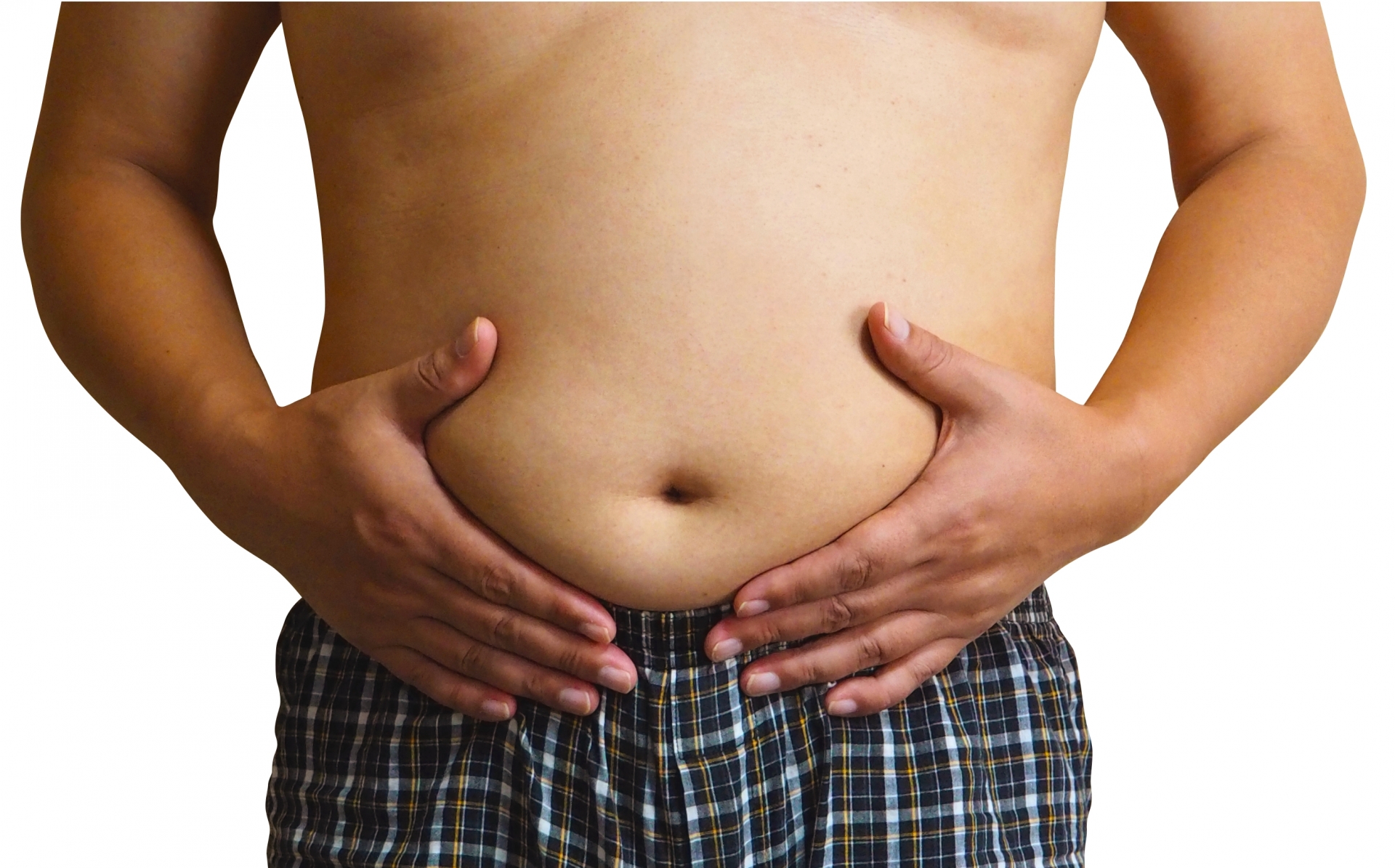
遺伝子検査が教える肥満の原因と対策法

Posted on 2024年 12月 17日 肥満 男性

肥満は、単なる食べ過ぎや運動不足だけが原因ではなく、遺伝的要因が大きく関与していることが近年の研究で明らかになっています。特定の遺伝子が代謝や食欲、脂肪の蓄積に影響を与えることで、同じ食生活をしていても太りやすい人とそうでない人がいるのです。

遺伝子検査を活用することで、自分の体質に合ったダイエット方法や生活習慣の改善策を見つけることが可能になります。本記事では、肥満に関わる主な遺伝子とその影響、遺伝子検査の活用方法、科学的根拠に基づいた対策法について詳しく解説します。


1. 肥満と遺伝子の関係

遺伝子が肥満に及ぼす影響とは?

双子研究によると、肥満の遺伝率は約40~70%にのぼるとされています(Stunkard et al., 1990)。これは、肥満のリスクが環境要因だけでなく、遺伝的要因によっても大きく左右されることを示しています。

遺伝子が肥満に与える影響には、以下のような要素があります。

  • エネルギー代謝の違い(基礎代謝の高低)
  • 食欲の調整(空腹を感じやすいかどうか)
  • 脂肪の蓄積しやすさ(脂質の代謝能力)
  • 運動の効果(運動による脂肪燃焼効率)

肥満リスクに関与する主要な遺伝子

1. FTO遺伝子(食欲と代謝の調整)

FTO(Fat mass and obesity-associated)遺伝子は、肥満に関与する代表的な遺伝子です。この遺伝子の変異があると、食欲が増し、特に高カロリー食品を好む傾向が強くなります(Loos & Bouchard, 2008)。

  • AA型:食欲が強く、炭水化物の摂取が多くなる。
  • AT型:中程度の影響を受ける。
  • TT型:食欲のコントロールがしやすい。

2. MC4R遺伝子(食欲とエネルギー消費)

MC4R(メラノコルチン4受容体)遺伝子は、満腹感の調整やエネルギー消費に関与します。変異を持つ人は、満腹感を感じにくく、結果として過食しやすくなります。

3. ADRB2遺伝子(脂肪燃焼と運動効果)

ADRB2(β2アドレナリン受容体)遺伝子は、脂肪燃焼の効率を左右する遺伝子です。この遺伝子の変異によって、有酸素運動の効果が異なります。

  • Glu27Glu型:有酸素運動による脂肪燃焼効果が高い。
  • Gln27Gln型:脂肪燃焼効率が低く、運動しても効果が出にくい。

4. UCP1遺伝子(熱産生と脂肪燃焼)

UCP1(脱共役タンパク質1)遺伝子は、脂肪細胞内のミトコンドリアに影響を与え、熱産生によるエネルギー消費を調整します。変異があると基礎代謝が低下し、太りやすくなります。


2. 遺伝子検査を活用した肥満対策

メタボと食事

遺伝子タイプ別の食事戦略

(1) 炭水化物代謝が苦手なタイプ(FTO変異あり)

  • 対策:低GI食品(玄米、全粒粉パン)を中心に、糖質の摂取量を調整。
  • 避けるべき食品:白米、食パン、砂糖を多く含む加工食品。

(2) 脂質代謝が苦手なタイプ(PPARG変異あり)

  • 対策:脂質の摂取を減らし、良質な脂肪(オリーブオイル、ナッツ)を選択。
  • 避けるべき食品:バター、ラード、揚げ物。

(3) タンパク質代謝が苦手なタイプ(UCP1変異あり)

  • 対策:高タンパク食(鶏肉、魚、豆類)を意識し、筋肉量を増やす。
  • 避けるべき食品:脂肪の多い肉、加工肉。

遺伝子タイプ別の運動戦略

  • ADRB2変異あり(脂肪燃焼が苦手):有酸素運動よりも筋トレを優先。
  • UCP1変異あり(基礎代謝が低い):短時間の高強度トレーニング(HIIT)が有効。
  • MC4R変異あり(食欲が強い):食事前の軽い運動で血糖値の急上昇を抑える。

3. 遺伝子検査と最新の研究動向

ポリジェニックリスクスコア(PRS)の活用

近年の研究では、ポリジェニックリスクスコア(PRS)を用いて、複数の遺伝子情報を統合的に分析し、個々の肥満リスクを精密に評価する技術が進んでいます(Shadrina et al., 2018)。

AIと遺伝子データの統合

AI技術を活用し、遺伝子情報と生活習慣データを組み合わせて、個別化された肥満対策を提案する研究も進行中です。

4. 遺伝子検査を活用した肥満予防と体重管理の具体策

遺伝子情報を活用することで、自分の体質に合った肥満予防法を見つけることが可能になります。ここでは、科学的根拠に基づいた食事、運動、生活習慣の改善策について詳しく解説します。


1. 遺伝子タイプ別の食事プラン

ピザを食べる男性

(1) 食欲が強く、過食しやすいタイプ(FTO・MC4R遺伝子変異あり)

このタイプの人は、満腹感を感じにくく、食事のコントロールが難しい傾向があります。

  • 対策
    • 食事の順番を工夫する:最初に食物繊維が豊富な野菜を食べることで、血糖値の急上昇を防ぎ、満腹感を持続させる。
    • 高タンパク食を増やす:タンパク質は満腹感を高めるため、肉・魚・豆類を積極的に摂取する。
    • 小分けの食事:1日3食ではなく、1日5~6回の少量食で空腹を抑える。
  • 避けるべき食品
    • 白米や食パンなどの高GI食品(血糖値を急上昇させ、空腹感を増やす)。
    • ファストフードや加工食品(塩分・脂肪が多く、食欲を増進させる)。

(2) 脂質を溜め込みやすいタイプ(PPARG・APOA2遺伝子変異あり)

このタイプの人は、飽和脂肪酸を多く摂取すると、脂肪が蓄積しやすい傾向があります。

  • 対策
    • 良質な脂質を選ぶ:オリーブオイル、ナッツ、青魚などの不飽和脂肪酸を積極的に摂取。
    • 低脂肪・高タンパクの食事:鶏胸肉や豆腐、ヨーグルトなどの低脂肪食品を中心にする。
    • 食物繊維の摂取:野菜や玄米を増やし、脂肪の吸収を抑える。
  • 避けるべき食品
    • バター、揚げ物、加工肉(ソーセージ・ベーコン)。
    • 高脂肪の乳製品(生クリーム、脂肪分の多いチーズ)。


(3) 炭水化物の代謝が苦手なタイプ(TCF7L2遺伝子変異あり)

このタイプの人は、糖質を摂ると血糖値が急上昇しやすく、脂肪として蓄積されやすい傾向があります。

  • 対策
    • 低GI食品を選ぶ:玄米、オートミール、全粒粉パンなどを中心にする。
    • 食事の際にタンパク質を摂る:炭水化物だけでなく、肉・魚・卵を組み合わせることで血糖値の上昇を抑える。
    • 間食はナッツやチーズ:血糖値の安定に役立つ間食を選ぶ。
  • 避けるべき食品
    • 白米、パン、砂糖入りのスナック菓子。
    • 甘いジュースや炭酸飲料(血糖値を急上昇させる)。


2. 遺伝子タイプ別の運動プラン

肥満 ウォーキング

(1) 有酸素運動の効果が高いタイプ(ADRB2遺伝子変異なし)

このタイプの人は、ウォーキングやジョギングなどの有酸素運動が脂肪燃焼に効果的です。

  • 推奨する運動
    • 1回30~60分の中強度の有酸素運動(ランニング、サイクリング)。
    • 週3~5回のペースで実施。

(2) 筋トレが効果的なタイプ(UCP1遺伝子変異あり)

このタイプの人は、筋肉量を増やすことで基礎代謝が上がり、脂肪燃焼しやすくなります。

  • 推奨する運動
    • ウェイトトレーニング(スクワット、デッドリフト、プッシュアップ)。
    • 高強度インターバルトレーニング(HIIT)で短時間で効率的に脂肪を燃焼。


3. 生活習慣の改善ポイント

(1) 睡眠と遺伝子の関係(CLOCK遺伝子)

  • CLOCK遺伝子の変異があると、睡眠不足によって食欲ホルモン(グレリン)が増え、過食しやすくなる。
  • 改善策
    • 1日7~8時間の睡眠を確保。
    • 夜遅くの食事を避ける(BMAL1遺伝子が関与し、夜遅い食事は脂肪蓄積しやすい)。

(2) ストレス管理と食欲の関係(5-HTTLPR遺伝子)

  • ストレスを受けやすい遺伝子変異を持つ人は、過食や間食が増えやすい。
  • 改善策
    • マインドフルネス瞑想やヨガでストレスを軽減。
    • 高GI食品の摂取を避け、血糖値の乱高下を防ぐ。


5. 遺伝子検査を活用した今後の肥満対策の可能性

ビッグデータ

1. AIとビッグデータを活用した肥満予防

  • AI技術を用いて遺伝子情報と食事・運動データを解析し、個人に最適なダイエットプランを自動生成。
  • ウェアラブルデバイスと連携し、リアルタイムでエネルギー消費や食事の影響をモニタリング。

2. 遺伝子編集技術の進展と肥満予防

  • CRISPR技術を用いて、肥満リスクのある遺伝子変異を修正する研究が進行中。
  • 肥満関連遺伝子の発現を抑える新たな医療技術の開発が期待される。

6. 遺伝子検査を活用した個別化ダイエットの最新トレンド

遺伝子検査を用いた個別化ダイエットは、科学的根拠に基づいた新しいアプローチとして注目されています。従来の「カロリー制限」や「運動量の増加」といった一般的なダイエット法とは異なり、遺伝子レベルで体質を把握し、最も効果的な方法を選択できる点が大きな特徴です。


1. 遺伝子情報を活用したダイエットプログラムの種類

(1) DNAダイエット(遺伝子型に応じた食事管理)

DNAダイエットは、個人の遺伝子情報をもとに、栄養バランスや食事内容を最適化する手法です。

  • 糖代謝が苦手な遺伝子タイプ(TCF7L2変異あり)
    • 推奨食事:低GI食品(玄米、オートミール、全粒粉パン)を中心にする。
    • 避ける食品:砂糖を多く含むスナック、精製炭水化物(白米、食パン)。
  • 脂肪代謝が苦手な遺伝子タイプ(PPARG・APOA2変異あり)
    • 推奨食事:良質な脂質(オリーブオイル、ナッツ、魚)を適量摂取。
    • 避ける食品:バター、揚げ物、加工肉(ベーコン、ソーセージ)。

(2) 遺伝子型に応じたエクササイズプログラム

遺伝子によって、筋力トレーニングと有酸素運動のどちらが効果的かが異なります。

  • 持久力に優れた遺伝子(ACTN3 R577X遺伝子)
    • 推奨運動:ジョギング、サイクリング、長時間の有酸素運動。
  • 筋肉の成長が得意な遺伝子(ACTN3 RR型)
    • 推奨運動:ウェイトトレーニング、高強度インターバルトレーニング(HIIT)。


2. AIと遺伝子情報を統合した最新ダイエットアプローチ

(1) AIによるリアルタイム栄養管理

  • 遺伝子データと食事ログを統合し、最適な食事を提案するアプリが登場。
  • 例:「ZOE」や「DNAfit」などのAIアプリが、個別化された栄養指導を提供。

(2) ウェアラブルデバイスとの連携

  • スマートウォッチや血糖値センサーを用いて、リアルタイムで代謝状態をモニタリング。
  • 食事の影響を即座に解析し、遺伝子に合った栄養素を推奨。

3. 遺伝子編集技術と肥満治療の未来

研究室

(1) CRISPR技術を活用した遺伝子治療

  • 肥満関連遺伝子(FTO、MC4Rなど)の発現を制御し、脂肪蓄積を抑える技術が研究中。
  • 例:CRISPRを用いた「遺伝子スイッチ」を活用し、脂肪細胞の増加を抑制。

(2) 腸内細菌×遺伝子情報の統合研究

  • 遺伝子によって腸内細菌の構成が異なり、食事の影響が変わることが判明。
  • 例:特定の腸内細菌を増やすことで、肥満リスクを軽減するプロバイオティクス療法の開発が進行中。


4. 遺伝子情報を活用した未来の食生活の可能性

(1) 遺伝子データとフードテックの融合

  • 3Dフードプリンターを用いて、個別に最適化された栄養素を含む食品を作成。
  • 遺伝子情報に基づいたパーソナライズド食品の開発が進む。

(2) 遺伝子検査による食品選択の最適化

  • スーパーやレストランで、遺伝子情報をもとに最適な食品を提案するシステムの導入。
  • 例:スマホアプリで食品のバーコードをスキャンし、自分の遺伝子に合った食品かどうかを確認できるサービス。


7. 遺伝子情報を活用した公衆衛生と肥満対策

遺伝子情報を活用した肥満対策は、個人レベルだけでなく、国や企業の健康政策にも影響を与え始めています。

1. 遺伝子データを活用した国の健康政策

  • アメリカやフィンランドでは、遺伝子情報を活用したパーソナライズド栄養指導が導入されている。
  • 日本でも、遺伝子検査を活用した特定保健指導の研究が進行中

2. 企業の健康経営と遺伝子検査の導入

  • 大手企業が従業員の健康管理の一環として遺伝子検査を導入し、生活習慣病のリスクを軽減する取り組みを開始。
  • 例:企業の社員食堂で、遺伝子情報に基づいたメニューを提供する動きが広がっている。

8. 遺伝子検査を活用した肥満対策の課題と注意点

火事につかれるエプロン姿の女性

1. 遺伝子情報の限界

  • 肥満は遺伝的要因だけでなく、環境要因(食生活・運動習慣・ストレス)の影響も大きい。
  • 遺伝子検査の結果を過信せず、総合的な健康管理が必要。

2. プライバシーとデータ管理の課題

  • 遺伝子データは非常に機密性の高い情報であり、適切な管理が求められる。
  • 遺伝子検査サービスを利用する際は、プライバシーポリシーを確認し、信頼できる機関を選ぶことが重要。

9. 遺伝子情報を活用した肥満対策の未来

遺伝子検査を活用した肥満対策は、現在進行形で進化しており、今後さらにパーソナライズ化が進むと予測されています。これにより、肥満リスクの早期発見、個別化されたダイエット計画の最適化、医療技術の発展など、より効果的な健康管理が可能になります。


1. 遺伝子情報と個別化医療の融合

(1) 肥満の遺伝子リスク評価の高度化

  • **ポリジェニックリスクスコア(PRS)**を活用し、複数の遺伝子データを組み合わせて、より正確に肥満リスクを評価。
  • 例:FTO、MC4R、PPARG、ADRB2などの複数の遺伝子変異を統合的に解析し、リスクレベルを数値化。
  • 早期介入が可能になり、食事管理や運動計画の精密なカスタマイズが可能に。

(2) AIを活用したパーソナライズドダイエットの普及

  • AIが遺伝子情報、血糖値データ、腸内細菌データを解析し、最適な食事・運動プランを提案。
  • 例:「ZOE」や「Lumen」のようなサービスが、リアルタイムで代謝データを測定し、個別最適化された食事プランを提供。

(3) 遺伝子検査を活用した医療機関のダイエットプログラム

  • 病院やクリニックで遺伝子検査を基にしたダイエット指導が行われるケースが増加。
  • 糖尿病、高血圧などの生活習慣病リスクを考慮した個別プログラムを提供。

2. 遺伝子情報を活用した次世代の肥満治療法

(1) 遺伝子治療による肥満予防

  • CRISPR技術を活用した遺伝子編集によって、肥満関連遺伝子の発現を抑制する治療法が研究中。
  • 例:FTO遺伝子の特定変異を抑えることで、過剰な食欲を抑制。

(2) 腸内細菌と遺伝子情報の統合治療

  • 腸内フローラと遺伝子データを組み合わせた治療法が登場
  • 例:特定の腸内細菌を増やすことで、糖や脂肪の吸収を調整し、肥満を防ぐ。
  • AIが腸内細菌の変化をリアルタイムで分析し、食事内容を自動最適化。

(3) 遺伝子を活用した薬物療法の開発

  • 遺伝子情報に基づいて、個々の体質に合った肥満治療薬を開発。
  • 例:GLP-1受容体作動薬が、遺伝子型に応じた適応を検討中。

3. 遺伝子検査とウェアラブルデバイスの統合

デジタルウォッチ

(1) リアルタイム肥満リスク管理

  • 遺伝子情報とスマートウォッチ(Apple Watch、Fitbitなど)を組み合わせ、リアルタイムで体調管理。
  • 血糖値、体温、心拍数の変化から、個々の代謝状態をAIが解析し、最適な食事や運動を提案。

(2) 遺伝子情報を活用した食品選択

  • スーパーやレストランで、スマホアプリを使って遺伝子に合った食品を選択可能に
  • 例:バーコードをスキャンすると、遺伝子に適した食品かどうかが表示されるサービスの開発が進行中。

(3) 遺伝子データとメンタルヘルスの統合

  • ストレスが肥満に与える影響を遺伝子データから予測し、ストレス軽減のための最適な介入策を提案
  • 例:5-HTTLPR遺伝子変異を持つ人には、ストレス管理のためのマインドフルネスや特定の栄養素(トリプトファン)を推奨。

4. 社会全体における遺伝子ベースの肥満管理の普及

(1) 国の健康政策としての遺伝子検査導入

  • フィンランドやシンガポールでは、遺伝子検査を活用した肥満予防プログラムを実施。
  • 公的健康診断に遺伝子検査を組み込み、個別化された予防策を提供。

(2) 企業の健康経営と遺伝子ダイエット

  • 社員の健康管理プログラムに遺伝子検査を導入する企業が増加。
  • 例:社員食堂で遺伝子に基づいたパーソナライズド・メニューを提供する取り組み。

(3) 遺伝子ベースのダイエット教育の普及

  • 学校教育で遺伝子栄養学を導入し、個別に最適な食生活を学ぶ機会を提
  • 若年層のうちから肥満リスクを理解し、予防行動を促進。


10. 遺伝子検査を活用する際の注意点

1. 遺伝子情報の限界

  • 遺伝子だけで肥満が決まるわけではなく、環境要因も重要。
  • 遺伝子検査を過信せず、生活習慣全体を見直すことが重要。

2. プライバシーの保護とデータの適正管理

  • 遺伝子情報の漏洩リスクを避けるため、信頼できる検査機関を選択することが必要。
  • 個人情報保護の観点から、遺伝子データの取り扱いに慎重になるべき。

11. 遺伝子情報を活用した新たな肥満対策の可能性

紅茶

遺伝子検査の進化により、肥満のリスク評価や個別化ダイエットの精度が飛躍的に向上しています。今後、より高度な技術が導入されることで、肥満の予防や管理がさらに効果的に行えるようになるでしょう。本章では、遺伝子情報を活用した最新の肥満対策について詳しく解説します。


1. 遺伝子情報を活用した新しい栄養療法

(1) 遺伝子データを活用した「スマート食品」

近年、遺伝子情報をもとにした特定の食品開発が進められています。

  • 低糖質・高タンパク食品の開発
    • 糖代謝が苦手な遺伝子変異(TCF7L2変異)がある人向けに、血糖値の急上昇を抑える食品が開発。
    • 例:GI値の低い炭水化物を使用したパスタや米の開発。
  • 良質な脂質を強化した食品
    • 脂質代謝が苦手な人(PPARG変異)向けに、オメガ3脂肪酸を豊富に含む食品が普及。
    • 例:オメガ3強化卵、EPA・DHAを多く含むヨーグルト。

(2) 遺伝子ごとの栄養サプリメントの提供

  • DNAに基づいたビタミン・ミネラル補充
    • 例:ビタミンD代謝が低いVDR遺伝子変異のある人には、吸収率を高めたサプリメントが推奨。
    • 鉄分の吸収が弱いHFE遺伝子変異を持つ人には、ヘム鉄サプリメントを提供。

2. 遺伝子情報を活用したエクササイズの最適化

遺伝子情報は、運動の効果や持続可能なトレーニング方法の選択にも役立ちます。

(1) 遺伝子型に応じたトレーニングプログラム

  • 有酸素運動が効果的なタイプ(ACTN3 XX型)
    • 持久力を高める運動(ジョギング、サイクリング)を週3~5回実施。
  • 筋力トレーニングが効果的なタイプ(ACTN3 RR型)
    • 高強度トレーニング(ウェイトリフティング、スプリント)を中心に行う。

(2) AIとウェアラブルデバイスによる運動管理

  • 遺伝子情報と連携し、個々のトレーニングプランを最適化するフィットネスアプリの開発が進行中。
  • 例:「DNAfit」では、遺伝子データをもとに最適な運動メニューを提案。

3. 遺伝子情報を活用した肥満予防の社会的アプローチ

ipadで説明する医師

(1) 医療機関での遺伝子検査の活用

  • 肥満リスクの高い患者に対し、遺伝子検査を活用した個別指導を実施。
  • 例:糖尿病予防プログラムに遺伝子情報を組み込むことで、食事療法の成功率を向上。

(2) 遺伝子ベースの企業健康プログラム

  • 企業の健康経営として、遺伝子検査を導入し、社員の健康管理を最適化。
  • 例:社員の遺伝子データを活用したパーソナライズド食事メニューの提供。

(3) 学校教育における遺伝子栄養学の導入

  • 肥満予防のため、小中学校で遺伝子栄養学を教育に取り入れる動きが進行。
  • 例:個別化された栄養指導を行い、生徒の健康意識を向上。


4. 肥満遺伝子研究の今後の展望

(1) 遺伝子編集技術の進化と肥満治療

  • CRISPR技術を活用し、肥満リスク遺伝子(FTO、MC4Rなど)の発現を制御する研究が進行中。
  • 例:脂肪燃焼を促進する遺伝子を活性化し、体脂肪の蓄積を抑制。

(2) 腸内細菌と遺伝子情報を統合した肥満治療

  • 腸内フローラを最適化し、遺伝子に適した腸内細菌バランスを構築。
  • AIが腸内細菌の変化をリアルタイムで解析し、最適な食事を提案。


まとめ

遺伝子検査を活用することで、肥満の原因を科学的に分析し、自分の体質に合ったダイエット法や生活習慣を選択できるようになります。FTOやMC4R、PPARGなどの遺伝子が、食欲や脂肪代謝、運動効果に影響を与えることが分かっており、個別化された栄養・運動プランが重要です。

また、AIや遺伝子編集技術の発展により、今後さらに精密な肥満予防や治療が可能になると期待されます。遺伝子情報を活用し、科学的根拠に基づいた健康管理を行うことで、より効果的な肥満対策が実現するでしょう。

詳しくは ヒロクリニック全国のクリニック一覧 をご覧ください。

Posted on 2024年 12月 17日

最近的研究表明,肥胖并非仅仅由暴饮暴食或缺乏运动引起,遗传因素也起着重要作用。某些基因会影响新陈代谢、食欲和脂肪堆积,这意味着即使饮食相同,有些人也比其他人更容易发胖。

基因检测可以帮助您找到适合您体质的饮食方法和生活方式改善方案。本文详细介绍了肥胖的主要基因及其影响、基因检测的使用方法以及科学的应对措施。

No categories found for this post.

1. 肥胖与基因的关系

基因如何影响肥胖?

双胞胎研究表明,肥胖的遗传率约为40-70%(Stunkard等,1990),这表明肥胖的风险很大程度上不仅取决于环境因素,还取决于遗传因素。

影响肥胖的遗传因素包括:

  • 能量代谢的差异(基础代谢率高和低)
  • 食欲调节(感觉饥饿的难易程度)
  • 脂肪堆积难易程度(脂质代谢能力)
  • 运动效果(运动燃烧脂肪的效率)
No categories found for this post.

与肥胖风险有关的关键基因

1. FTO基因(调节食欲和新陈代谢)

FTO(脂肪质量和肥胖相关)基因是与肥胖相关的代表性基因。该基因突变会增加食欲,尤其是增加对高热量食物的偏好(Loos & Bouchard,2008)。

  • AA型:食欲旺盛,碳水化合物摄入量高。
  • AT 型:中度受影响。
  • TT型:食欲容易控制。

2. MC4R基因(食欲和能量消耗)

MC4R(黑皮质素4受体)基因参与调节饱腹感和能量消耗。携带这种突变的人不容易感到饱腹,这使得他们更容易暴饮暴食。

3. ADRB2基因(脂肪燃烧和运动​​效应)

ADRB2(β2肾上腺素受体)基因是一种影响脂肪燃烧效率的基因。该基因突变会影响有氧运动的效果。

  • Glu27Glu类型:通过有氧运动高效燃烧脂肪。
  • Gln27Gln型:脂肪燃烧效率低,运动效果较差。

4. UCP1基因(产热和脂肪燃烧)

UCP1(解偶联蛋白1)基因影响脂肪细胞中的线粒体,并通过产热来调节能量消耗。UCP1基因突变会降低基础代谢,使人更容易发胖。

No categories found for this post.


2. 利用基因检测预防肥胖

メタボと食事

基于基因类型的饮食策略

(1)碳水化合物代谢不良(FTO突变)

  • 对策:调整碳水化合物的摄入量,以低GI食物为主(糙米、全麦面包)。
  • 避免的食物:白米饭、白面包和高糖加工食品。

(2)脂质代谢不良型(PPARG突变)

  • 解决方案:减少脂肪摄入量,选择优质脂肪(橄榄油、坚果)。
  • 避免的食物:黄油、猪油和油炸食品。

(3)蛋白质代谢不良型(UCP1突变)

  • 解决方案:专注于高蛋白饮食(鸡肉、鱼、豆类)以增加肌肉质量。
  • 应避免的食物:油腻肉类和加工肉类。
No categories found for this post.

根据基因类型制定的运动策略

  • 存在 ADRB2 突变(脂肪燃烧不良):优先进行力量训练而不是有氧运动。
  • UCP1突变(基础代谢率低):短期高强度训练(HIIT)有效。
  • MC4R突变(食欲旺盛):饭前进行轻度运动将防止血糖水平突然升高。

3. 基因检测及最新研究趋势

多基因风险评分(PRS)的使用

最近的研究推进了使用多基因风险评分(PRS)技术来全面分析多种遗传信息并精确评估个体肥胖风险(Shadrina 等,2018)。

整合人工智能和基因数据

目前还在进行研究,利用人工智能技术结合基因信息和生活方式数据,提出个性化的肥胖应对措施。

No categories found for this post.

4. 利用基因检测预防肥胖和体重管理的具体措施

利用基因信息,可以找到适合自身体质的肥胖预防方法。这里,我们将详细讲解以科学为基础的饮食、运动、生活习惯改善方法。


1. 针对特定基因类型的膳食计划

ピザを食べる男性

(1)食欲旺盛,容易暴饮暴食的人(FTO/MC4R基因突变)

采用这种饮食习惯的人往往难以感到饱足,也难以控制自己的饮食习惯。

  • 对策
    • 相应地安排您的膳食:首先吃富含纤维的蔬菜将有助于防止血糖飙升并让您更长时间感觉饱腹。
    • 增加高蛋白食物:蛋白质可增加饱腹感,因此应积极食用肉类、鱼类、豆类等。
    • 少量进食:每天吃 5-6 顿小餐,而不是每天吃 3 顿大餐,以抑制饥饿感。
  • 应避免的食物
    • 高 GI 食物,例如白米饭和白面包(会导致血糖水平升高并增加饥饿感)
    • 快餐和加工食品(高盐、高脂肪,会增加食欲)。
No categories found for this post.

(2)脂质蓄积倾向型(PPARG/APOA2基因突变)

这种类型的人摄入大量饱和脂肪酸时更容易堆积脂肪。

  • 对策
    • 选择好的脂肪:吃不饱和脂肪酸,如橄榄油、坚果和油性鱼。
    • 低脂肪、高蛋白饮食:专注于低脂肪食物,如鸡胸肉、豆腐和酸奶。
    • 膳食纤维的摄入:增加蔬菜、糙米的摄入,抑制脂肪的吸收。
  • 应避免的食物
    • 黄油、油炸食品和加工肉类(香肠和培根)。
    • 高脂乳制品(奶油、全脂奶酪)。

No categories found for this post.


(3)碳水化合物代谢不良(TCF7L2基因突变)

具有这种饮食习惯的人在食用碳水化合物时,血糖水平往往会突然升高,而碳水化合物很容易以脂肪的形式储存起来。

  • 对策
    • 选择低 GI 食物:主要以糙米、燕麦片和全麦面包为主。
    • 用餐时摄入蛋白质:将蛋白质与肉、鱼和蛋(而不仅仅是碳水化合物)结合起来,将有助于防止血糖水平升高。
    • 吃坚果和奶酪零食:选择有助于稳定血糖水平的零食。
  • 应避免的食物
    • 白米饭、面包和含糖零食。
    • 含糖果汁和碳酸饮料(会使血糖水平升高)。

No categories found for this post.


2. 遺伝子タイプ別の運動プラン

肥満 ウォーキング

(1)有氧运动效果较好的类型(无ADRB2基因突变)

对于这类人来说,散步、慢跑等有氧运动对燃烧脂肪很有效。

  • 推荐运动
    • 30-60分钟中等强度的有氧运动(跑步、骑自行车)。
    • 每周进行3至5次。

(2)肌肉训练有效的类型(UCP1基因突变)

对于这类人来说,增加肌肉量可以提高基础代谢率,更容易燃烧脂肪。

  • 推荐运动
    • 重量训练(深蹲、硬拉、俯卧撑)。
    • 高强度间歇训练(HIIT)可以在短时间内有效燃烧脂肪。

No categories found for this post.


3. 改善生活方式的技巧

(1)睡眠与基因(CLOCK基因)的关系

  • 如果您的 CLOCK 基因发生突变,睡眠不足会增加食欲激素(生长素释放肽),使您更容易暴饮暴食。
  • 改进措施
    • 每天睡眠时间保证7至8小时。
    • 避免深夜进食(BMAL1基因参与其中,深夜进食会增加脂肪堆积的风险)。

(2)压力管理与食欲的关系(5-HTTLPR基因)

  • 基因突变使人们更容易受到压力的影响,也更容易暴饮暴食和吃零食。
  • 改进措施
    • 通过正念冥想和瑜伽来减轻压力。
    • 避免高 GI 食物,以防止血糖波动。

No categories found for this post.


5. 利用基因检测未来应对肥胖的潜力

ビッグデータ

1. 利用人工智能和大数据预防肥胖

  • 利用人工智能技术,分析基因信息以及饮食和运动数据,自动为每个人生成最佳饮食计划。
  • 与可穿戴设备配合使用,实时监测能量消耗和饮食效果。

2. 基因编辑技术与肥胖预防的进展

  • 目前正在进行研究,利用 CRISPR 技术来纠正导致肥胖风险的基因突变。
  • 希望能够开发新的医疗技术来抑制肥胖相关基因的表达。

No categories found for this post.

6. 利用基因检测进行个性化饮食的最新趋势

利用基因检测进行个性化减肥,作为一种新的循证方法,正受到关注。与限制热量摄入、增加运动量等传统减肥方法不同,其最大特点是从基因层面识别个体体质,从而选择最有效的方法。


1. 利用基因信息的饮食计划类型

(1)DNA饮食(根据基因型进行饮食管理)

DNA饮食是一种根据个人基因信息优化营养平衡和饮食内容的方法。

  • 葡萄糖代谢不良的基因类型(TCF7L2突变)
    • 推荐饮食:注重低 GI 食物(糙米、燕麦片、全麦面包)。
    • 避免的食物:含糖零食、精制碳水化合物(白米饭、白面包)。
  • 脂肪代谢不良的基因类型(PPARG/APOA2 突变)
    • 饮食建议:摄入适量的健康脂肪(橄榄油、坚果、鱼)。
    • 避免的食物:黄油、油炸食品和加工肉类(培根、香肠)。

(2)针对基因型的锻炼计划

您的基因决定了力量训练或有氧运动是否对您更有效。

  • 卓越耐力基因(ACTN3 R577X基因)
    • 推荐运动:慢跑、骑自行车、长时间有氧运动。
  • 擅长肌肉生长的基因(ACTN3 RR型)
    • 推荐的运动:重量训练、高强度间歇训练(HIIT)

No categories found for this post.


2. 整合人工智能和基因信息的最新饮食方法

(1)利用AI进行实时营养管理

  • 一款应用程序已经发布,它整合了基因数据和食物日志,可以推荐最佳膳食。
  • 例如,“ZOE”、“DNAfit”等人工智能应用程序提供个性化的营养指导。

(2)与可穿戴设备的合作

  • 使用智能手表或血糖传感器实时监测您的代谢状态。
  • 立即分析您的饮食效果并推荐适合您基因的营养素。
No categories found for this post.

3. 基因编辑技术与肥胖治疗的未来

研究室

(1)利用CRISPR技术的基因治疗

  • 目前,正在研究控制肥胖相关基因(FTO、MC4R等)表达、抑制脂肪堆积的技术。
  • 例如:使用 CRISPR“基因开关”来抑制脂肪细胞的生长。

(2)肠道菌群与遗传信息的整合研究

  • 研究发现,肠道细菌的组成会根据基因和饮食变化的影响而变化。
  • 例如,益生菌疗法正在开发中,通过增加某些肠道细菌的数量来降低肥胖风险。

No categories found for this post.


4. 利用遗传信息改变未来饮食习惯的可能性

(1)基因数据与食品技术的融合

  • 使用 3D 食品打印机,我们可以制作出营养成分经过单独优化的食品。
  • 基于基因信息的个性化食品的开发正在取得进展。

(2)通过基因检测优化食物选择

  • 在超市和餐馆中引入一种根据基因信息推荐最佳食物的系统。
  • 例如:一项服务允许您使用智能手机应用程序扫描食品条形码,以检查该食品是否适合您的基因。

No categories found for this post.


7. 利用遗传信息促进公共卫生和预防肥胖

利用基因信息对抗肥胖的措施不仅开始对个人层面产生影响,而且对国家和企业的健康政策也产生影响。

1. 利用基因数据的国家卫生政策

  • 美国和芬兰已经引入了利用基因信息的个性化营养指导。
  • 日本正在研究利用基因检测进行具体的健康指导

2. 企业健康管理与基因检测的引入

  • 某大型企业将基因检测作为员工健康管理计划的一部分,开始努力降低患上生活方式疾病的风险。
  • 例如:公司餐厅提供基于基因信息的菜单的趋势日益明显。
No categories found for this post.

8. 利用基因检测对抗肥胖的问题及注意事项

火事につかれるエプロン姿の女性

1. 遗传信息的局限性

  • 肥胖不仅受遗传因素的影响,还受环境因素(饮食、运动习惯和压力)的影响。
  • 重要的是不要过度依赖基因检测的结果,并采取全面的健康管理措施。

2. 隐私和数据管理挑战

  • 遺伝子データは非常に機密性の高い情報であり、適切な管理が求められる。
  • 遺伝子検査サービスを利用する際は、プライバシーポリシーを確認し、信頼できる機関を選ぶことが重要。

No categories found for this post.

9. 利用基因信息预防肥胖的未来

利用基因检测预防肥胖的措施正在不断发展,预计未来将更加个性化,通过早期发现肥胖风险、优化个性化饮食计划和医疗技术的进步,实现更有效的健康管理。


1. 基因信息整合与个性化医疗

(1)肥胖遗传风险评估研究进展

  • **多基因风险评分 (PRS)** 结合多种基因数据,以更准确地评估肥胖风险。
  • 例如:对FTO、MC4R、PPARG、ADRB2等多种基因突变进行综合分析,量化风险等级。
  • 这使得早期干预和饮食管理和锻炼计划的精确定制成为可能。

(2)利用人工智能实现个性化饮食的普及

  • 人工智能分析基因信息、血糖数据和肠道细菌数据,以建议最佳的饮食和运动计划。
  • 例如,ZOE 和 Lumen 等服务可以实时测量代谢数据并提供个性化的膳食计划。

(3)医疗机构利用基因检测提供的减肥计划

  • 医院和诊所根据基因检测提供饮食建议的情况越来越多。
  • 我们提供个性化计划,考虑到糖尿病和高血压等生活方式相关疾病的风险。
No categories found for this post.

2. 利用基因信息的下一代肥胖治疗

(1)通过基因治疗预防肥胖

  • 目前正在进行一项利用 CRISPR 技术进行基因编辑以抑制肥胖相关基因表达的治疗方法的研究。
  • 例如:通过抑制 FTO 基因中的特定突变,可以抑制过度的食欲。

(2)肠道菌群与遗传信息的整合治疗

  • 一种结合肠道菌群和基因数据的新治疗方法已经出现
  • 例如,增加特定肠道细菌的数量可以调节糖和脂肪的吸收,预防肥胖。
  • AI实时分析肠道菌群变化,自动优化饮食内容。

(3)基因药物治疗的发展

  • 根据遗传信息开发适合个人体质的肥胖治疗药物。
  • 例如:根据基因型考虑使用GLP-1 受体激动剂。
No categories found for this post.

3. 将基因检测与可穿戴设备相结合

デジタルウォッチ

(1)实时肥胖风险管理

  • 将基因信息与智能手表(Apple Watch、Fitbit 等)结合起来,实时监测您的健康状况。
  • 人工智能根据血糖水平、体温和心率的变化分析每个人的代谢状态,并建议最佳的饮食和运动。

(2)利用遗传信息进行食物选择

  • 现在,您可以使用智能手机应用程序在超市和餐馆选择适合您基因的食物
  • 例如,目前正在开发一项服务,允许您扫描条形码并查看食物是否符合基因要求。

(3)将基因数据与心理健康相结合

  • 使用基因数据预测压力对肥胖的影响并提出减轻压力的最佳干预措施
  • 例如,建议患有 5-HTTLPR 基因突变的人练习正念并服用某些营养素(色氨酸)来控制压力。
No categories found for this post.

4. 在全社会推广基于基因的肥胖管理

(1)将基因检测纳入国家卫生政策

  • 芬兰和新加坡正在实施利用基因检测的肥胖预防计划。
  • 将基因检测纳入公共卫生检查,提供个性化的预防措施。

(2)企业健康管理与基因饮食

  • 越来越多的公司将基因检测纳入员工健康管理计划。
  • 例如:公司餐厅根据基因信息提供个性化菜单的计划。

(3)推广基于基因的饮食教育

  • 将基因营养引入学校教育,提供
  • 了解肥胖的风险并促进年轻人的预防行为。

No categories found for this post.


10. 使用基因检测时的注意事项

1. 遗传信息的局限性

  • 基因本身并不能决定肥胖;环境因素也起着重要作用。
  • 重要的是不要过度依赖基因检测并重新审视你的整体生活习惯。

2. 隐私保护和适当的数据管理

  • 为了避免基因信息泄露的风险,有必要选择一家可靠的检测机构。
  • 从保护个人信息的角度看,处理基因数据时我们必须小心谨慎。
No categories found for this post.

11. 利用遗传信息探索新的肥胖对策的潜力

紅茶

基因检测技术的进步显著提高了肥胖风险评估和个性化饮食的准确性。未来更先进技术的引入,有望使肥胖的预防和管理更加有效。本章将详细介绍利用基因信息的最新肥胖对策。


1. 利用基因信息的新型营养疗法

(1)利用基因数据的“智能食品”

近年来,基于基因信息的特定食品的开发正在不断取得进展。

  • 低糖、高蛋白食品的开发
    • 一种可防止血糖水平突然升高的食品已被开发出来,专门针对因基因突变(TCF7L2突变)而导致糖代谢不良的人。
    • 例如:使用低 GI 值的碳水化合物开发面食和米饭。
  • 富含健康脂肪的食物
    • 富含 omega-3 脂肪酸的食物对于脂质代谢困难(PPARG 突变)的人群来说越来越受欢迎。
    • 例如:富含 Omega-3 的鸡蛋、富含 EPA 和 DHA 的酸奶。

(2)为每个基因提供营养补充

  • 基于DNA的维生素和矿物质补充剂
    • 例如,对于因 VDR 基因突变导致维生素 D 代谢不良的人,建议服用增加吸收的补充剂。
    • 血红素铁补充剂提供给患有 HFE 基因突变、导致铁吸收不良的人。
No categories found for this post.

2. 利用基因信息优化锻炼

基因信息还可以帮助确定锻炼的有效性并选择可持续的训练方法。

(1)针对基因型的培训计划

  • 有氧运动有效(ACTN3 XX型)
    • 每周进行3至5次耐力运动(慢跑、骑自行车)。
  • 力量训练有效的类型(ACTN3 RR类型)
    • 重点是高强度训练(举重、短跑)。

(2)利用人工智能和可穿戴设备进行运动管理

  • 目前正在开发一款健身应用程序,该应用程序利用基因信息来优化个人训练计划。
  • 例如,“DNAfit”根据基因数据建议最佳锻炼菜单。
No categories found for this post.

3. 利用基因信息预防肥胖的社会方法

ipadで説明する医師

(1)医疗机构基因检测的使用

  • 对于肥胖风险较高的患者,我们通过基因检测提供个性化指导。
  • 例如:将基因信息纳入糖尿病预防计划可以提高饮食干预的成功率。

(2)基于基因的企业健康计划

  • 作为公司健康管理工作的一部分,引入基因检测,优化员工健康管理。
  • 例如:利用员工的基因数据提供个性化的膳食菜单。

(3)在学校教育中引入遗传营养

  • 为了预防肥胖,将基因营养纳入小学和初中教育的运动正在兴起。
  • 例如:提供个性化的营养指导,提高学生的健康意识。

No categories found for this post.


4. 肥胖遗传学研究的未来展望

(1) 基因编辑技术与肥胖治疗进展

  • 目前正在进行研究利用 CRISPR 技术来控制肥胖风险基因(FTO、MC4R 等)的表达。
  • 例如:激活促进脂肪燃烧并抑制体内脂肪堆积的基因。

(2)整合肠道菌群和遗传信息的肥胖治疗

  • 优化肠道菌群,建立适合您基因的肠道细菌平衡。
  • 人工智能实时分析肠道细菌的变化并建议最佳饮食。

No categories found for this post.


概括

基因检测可以科学地分析肥胖的成因,并帮助人们选择适合自身体质的饮食和生活方式。已知FTO、MC4R和PPARG等基因会影响食欲、脂肪代谢和运动效果,因此个性化的营养和运动计划至关重要。

此外,人工智能和基因编辑技术的进步有望在未来实现更精准的肥胖预防和治疗。通过有效利用基因信息,提供循证健康管理,将实现更有效的肥胖防治措施。

No categories found for this post.
Posted on 2024年 12月 17日

Recent research has revealed that obesity is not simply caused by overeating or lack of exercise, but that genetic factors play a major role. Certain genes affect metabolism, appetite, and fat accumulation, which means that some people are more likely to gain weight than others, even if they eat the same diet.

Genetic testing can help you find a diet method and lifestyle improvement plan that suits your constitution. This article explains in detail the main genes involved in obesity and their effects, how to use genetic testing, and scientifically based countermeasures.


1. The relationship between obesity and genes

How do genes influence obesity?

Twin studies have shown that the heritability of obesity is approximately 40-70% (Stunkard et al., 1990), indicating that the risk of obesity is largely determined not only by environmental factors but also by genetic factors.

Genetic factors that influence obesity include:

  • Differences in energy metabolism (high and low basal metabolic rate)
  • Appetite regulation (how easily you feel hungry)
  • Ease of fat accumulation (lipid metabolism ability)
  • Effects of exercise (efficiency of fat burning through exercise)

Key genes involved in obesity risk

1. FTO gene (regulating appetite and metabolism)

The FTO (Fat mass and obesity-associated) gene is a representative gene involved in obesity. Mutations in this gene increase appetite, especially the tendency to prefer high-calorie foods (Loos & Bouchard, 2008).

  • Type AA : Strong appetite and high carbohydrate intake.
  • AT type : Moderately affected.
  • TT type : Appetite is easily controlled.

2. MC4R gene (appetite and energy expenditure)

The MC4R (melanocortin 4 receptor) gene is involved in regulating satiety and energy expenditure. People with this mutation are less likely to feel full, which makes them more likely to overeat.

3. ADRB2 gene (fat burning and exercise effects)

The ADRB2 (β2 adrenergic receptor) gene is a gene that influences the efficiency of fat burning. Mutations in this gene affect the effectiveness of aerobic exercise.

  • Glu27Glu type : Highly effective in burning fat through aerobic exercise.
  • Gln27Gln type : Fat burning efficiency is low, and exercise is less effective.

4. UCP1 gene (thermogenesis and fat burning)

The UCP1 (uncoupling protein 1) gene affects mitochondria in fat cells and regulates energy consumption through heat production. Mutations in the UCP1 gene decrease basal metabolism, making people more likely to gain weight.


2. Measures against obesity using genetic testing

メタボと食事

Dietary strategies based on gene type

(1) Poor carbohydrate metabolism (FTO mutation)

  • Countermeasures : Adjust your carbohydrate intake, focusing on low-GI foods (brown rice, whole wheat bread).
  • Foods to avoid: White rice, white bread, and processed foods high in sugar.

(2) Type with poor lipid metabolism (PPARG mutation)

  • Solution : Reduce fat intake and choose good fats (olive oil, nuts).
  • Foods to avoid: butter, lard, and fried foods.

(3) Type with poor protein metabolism (UCP1 mutation)

  • Solution : Focus on a high-protein diet (chicken, fish, beans) to increase muscle mass.
  • Foods to avoid: fatty and processed meats.

Exercise strategies by gene type

  • ADRB2 mutation present (poor fat burning) : Prioritize strength training over aerobic exercise.
  • UCP1 mutation (low basal metabolic rate) : Short-term high-intensity training (HIIT) is effective.
  • MC4R mutation (strong appetite) : Light exercise before meals will prevent a sudden rise in blood sugar levels.

3. Genetic testing and the latest research trends

Use of Polygenic Risk Scores (PRS)

Recent research has advanced the technology of using polygenic risk scores (PRS) to comprehensively analyze multiple genetic information and precisely assess individual obesity risk (Shadrina et al., 2018).

Integrating AI and genetic data

Research is also underway to utilize AI technology to combine genetic information and lifestyle data to propose personalized measures to combat obesity.

4. Specific measures for obesity prevention and weight management using genetic testing

By utilizing genetic information, it is possible to find an obesity prevention method that suits your constitution. Here, we will explain in detail scientifically based measures for improving diet, exercise, and lifestyle habits.


1. Genetic Type-Specific Meal Plans

ピザを食べる男性

(1) People with a strong appetite and a tendency to overeat (FTO/MC4R gene mutations)

People with this type of diet tend to have difficulty feeling full and controlling their eating habits.

  • Countermeasure
    • Order your meals accordingly : Eating fiber-rich vegetables first will help prevent blood sugar spikes and keep you feeling fuller for longer.
    • Increase high-protein foods : Protein increases satiety, so actively consume meat, fish, and beans.
    • Small meals: Eat 5-6 small meals a day instead of 3 meals a day to curb hunger.
  • Foods to avoid
    • High GI foods such as white rice and white bread (which spike blood sugar levels and increase hunger)
    • Fast food and processed foods (high in salt and fat, which increase appetite).

(2) Type prone to lipid accumulation (PPARG/APOA2 gene mutations)

People with this type tend to accumulate fat more easily when they consume a lot of saturated fatty acids.

  • Countermeasure
    • Choose good fats : Eat unsaturated fatty acids such as olive oil, nuts, and oily fish.
    • Low-fat, high-protein diet : Focus on low-fat foods like chicken breast, tofu, and yogurt.
    • Intake of dietary fiber: Increase the intake of vegetables and brown rice to suppress fat absorption.
  • Foods to avoid
    • Butter, fried foods, and processed meats (sausages and bacon).
    • High-fat dairy products (cream, full-fat cheese).


(3) Poor carbohydrate metabolism (TCF7L2 gene mutation)

People with this type of diet tend to experience a sudden rise in blood sugar levels when they eat carbohydrates, which are then easily stored as fat.

  • Countermeasure
    • Choose low-GI foods : Focus on brown rice, oatmeal, and whole-wheat bread.
    • Eat protein with your meals : Combining it with meat, fish, and eggs, rather than just carbohydrates, will help prevent blood sugar levels from rising.
    • Snack on nuts and cheese : Choose snacks that help stabilize blood sugar levels.
  • Foods to avoid
    • White rice, bread, and sugary snacks.
    • Sugary juices and carbonated drinks (which spike blood sugar levels).


2. Exercise plans for different gene types

肥満 ウォーキング

(1) Type for which aerobic exercise is highly effective (no ADRB2 gene mutation)

For this type of person, aerobic exercise such as walking and jogging is effective for burning fat.

  • Recommended exercise
    • 30-60 minutes of moderate-intensity aerobic exercise (running, cycling).
    • It is conducted 3 to 5 times a week.

(2) Type for which muscle training is effective (UCP1 gene mutation)

For this type of person, increasing muscle mass increases basal metabolic rate and makes it easier to burn fat.

  • Recommended exercise
    • Weight training (squats, deadlifts, push-ups).
    • High-intensity interval training (HIIT) burns fat efficiently in a short amount of time.


3. Tips for improving your lifestyle

(1) The relationship between sleep and genes (CLOCK gene)

  • If you have a mutation in the CLOCK gene, lack of sleep increases the appetite hormone (ghrelin), making you more likely to overeat.
  • Improvement measures
    • Get 7 to 8 hours of sleep a day.
    • Avoid eating late at night (the BMAL1 gene is involved, and eating late at night increases the risk of fat accumulation).

(2) Relationship between stress management and appetite (5-HTTLPR gene)

  • People with genetic mutations that make them more susceptible to stress are more likely to overeat and snack.
  • Improvement measures
    • Reduce stress with mindfulness meditation and yoga.
    • Avoid high GI foods to prevent blood sugar fluctuations.


5. Potential for future obesity countermeasures using genetic testing

ビッグデータ

1. Obesity prevention using AI and big data

  • Using AI technology, genetic information and dietary and exercise data are analyzed to automatically generate the optimal diet plan for each individual.
  • Works in conjunction with wearable devices to monitor energy consumption and the effects of diet in real time.

2. Advances in gene editing technology and obesity prevention

  • Research is underway to use CRISPR technology to correct genetic mutations that confer risk of obesity.
  • It is hoped that new medical technologies will be developed to suppress the expression of obesity-related genes.

6. The latest trend in personalized diets using genetic testing

Personalized dieting using genetic testing is attracting attention as a new, evidence-based approach. Unlike conventional dieting methods such as calorie restriction and increased exercise, its major feature is that it identifies a person’s constitution at the genetic level and allows them to select the most effective method.


1. Types of diet programs that utilize genetic information

(1) DNA diet (dietary management according to genotype)

The DNA diet is a method of optimizing nutritional balance and dietary content based on an individual’s genetic information.

  • Genetic type with poor glucose metabolism (TCF7L2 mutation)
    • Recommended diet : Focus on low GI foods (brown rice, oatmeal, whole wheat bread).
    • Foods to avoid : Sugary snacks, refined carbohydrates (white rice, white bread).
  • Genetic type with poor fat metabolism (PPARG/APOA2 mutations)
    • Dietary recommendations : Consume a moderate amount of healthy fats (olive oil, nuts, fish).
    • Foods to avoid : butter, fried foods, and processed meats (bacon, sausages).

(2) Genotype-specific exercise programs

Your genes determine whether strength training or aerobic exercise is more effective for you.

  • A gene for excellent endurance (ACTN3 R577X gene)
    • Recommended exercise : jogging, cycling, and long aerobic exercise.
  • A gene that excels at muscle growth (ACTN3 RR type)
    • Recommended exercises : weight training, high-intensity interval training (HIIT)。


2. The latest diet approach that integrates AI and genetic information

(1) Real-time nutritional management using AI

  • An app has been released that integrates genetic data and food logs to suggest optimal meals.
  • For example, AI apps such as “ZOE” and “DNAfit” provide personalized nutritional guidance.

(2) Collaboration with wearable devices

  • Monitor your metabolic status in real time using a smartwatch or blood glucose sensor.
  • Instantly analyzes the effects of your diet and recommends nutrients that are tailored to your genes.

3. Gene editing technology and the future of obesity treatment

研究室

(1) Gene therapy using CRISPR technology

  • Research is currently underway into technologies that control the expression of obesity-related genes (FTO, MC4R, etc.) and suppress fat accumulation.
  • Example: Using a CRISPR “gene switch” to suppress the growth of fat cells.

(2) Integrated research on intestinal bacteria and genetic information

  • It has been found that the composition of intestinal bacteria varies depending on genes, and the effects of diet change.
  • For example, probiotic therapies are under development to reduce the risk of obesity by increasing the abundance of certain gut bacteria.


4. Possibilities for future dietary habits utilizing genetic information

(1) The fusion of genetic data and food tech

  • Using a 3D food printer, we create foods with individually optimized nutrients.
  • The development of personalized foods based on genetic information is progressing.

(2) Optimizing food choices through genetic testing

  • Introducing a system in supermarkets and restaurants that suggests optimal foods based on genetic information.
  • Example: A service that allows you to scan food barcodes with a smartphone app to check whether the food is suitable for your genes.


7. Utilizing genetic information for public health and obesity prevention

Measures to combat obesity using genetic information are beginning to have an impact not only on the individual level, but also on national and corporate health policies.

1. National health policy utilizing genetic data

  • In the United States and Finland , personalized nutritional guidance using genetic information has been introduced.
  • In Japan, research is underway into specific health guidance using genetic testing .

2. Corporate Health Management and the Introduction of Genetic Testing

  • A major company has introduced genetic testing as part of its employee health management program, and has begun efforts to reduce the risk of lifestyle-related diseases.
  • Example: There is a growing trend in company cafeterias to offer menus based on genetic information.

8. Issues and points to note regarding the use of genetic testing to combat obesity

火事につかれるエプロン姿の女性

1. Limitations of genetic information

  • Obesity is not only influenced by genetic factors, but also by environmental factors (diet, exercise habits, and stress).
  • It is important not to rely too much on the results of genetic testing and to take comprehensive health management measures.

2. Privacy and Data Management Challenges

  • Genetic data is highly confidential information and requires appropriate management.
  • When using a genetic testing service, it is important to check the privacy policy and choose a trustworthy institution.

9. The future of obesity prevention using genetic information

Obesity prevention measures using genetic testing are currently evolving and are predicted to become even more personalized in the future, enabling more effective health management through early detection of obesity risk, optimization of individualized diet plans, and advances in medical technology.


1. Integration of genetic information and personalized medicine

(1) Advancement of genetic risk assessment for obesity

  • **Polygenic Risk Score (PRS)** combines multiple genetic data to more accurately assess obesity risk.
  • Example: Comprehensive analysis of multiple gene mutations such as FTO, MC4R, PPARG, and ADRB2 to quantify risk levels.
  • This allows for early intervention and precise customization of dietary management and exercise plans.

(2) Popularization of personalized diets using AI

  • AI analyzes genetic information, blood sugar data, and intestinal bacteria data to suggest optimal diet and exercise plans.
  • For example, services like ZOE and Lumen measure metabolic data in real time and provide personalized meal plans.

(3) Diet programs provided by medical institutions using genetic testing

  • There are an increasing number of cases where hospitals and clinics are providing dietary advice based on genetic testing.
  • We offer individual programs that take into account the risk of lifestyle-related diseases such as diabetes and high blood pressure.

2. Next-generation obesity treatment utilizing genetic information

(1) Obesity prevention through gene therapy

  • Research is underway into a treatment that uses gene editing with CRISPR technology to suppress the expression of obesity-related genes.
  • Example: By suppressing specific mutations in the FTO gene, excessive appetite can be suppressed.

(2) Integrated treatment of intestinal bacteria and genetic information

  • A new treatment has emerged that combines intestinal flora and genetic data .
  • For example, increasing the number of specific intestinal bacteria can regulate the absorption of sugar and fat and prevent obesity.
  • AI analyzes changes in intestinal bacteria in real time and automatically optimizes dietary content.

(3) Development of gene-based drug therapy

  • Developing obesity treatment drugs tailored to individual constitutions based on genetic information .
  • Example: GLP-1 receptor agonists are being considered for use depending on genotype.

3. Integrating genetic testing with wearable devices

デジタルウォッチ

(1) Real-time obesity risk management

  • Combine genetic information with a smartwatch (Apple Watch, Fitbit, etc.) to monitor your health in real time.
  • AI analyzes each individual’s metabolic state based on changes in blood sugar levels, body temperature, and heart rate, and suggests optimal diet and exercise.

(2) Food selection using genetic information

  • You can now use a smartphone app to select foods that suit your genes at supermarkets and restaurants .
  • For example, a service is currently under development that will allow you to scan a barcode and see whether a food is genetically suitable.

(3) Integrating genetic data with mental health

  • Predict the impact of stress on obesity using genetic data and propose optimal interventions to reduce stress .
  • For example, people with the 5-HTTLPR gene mutation are recommended to practice mindfulness and take certain nutrients (tryptophan) to manage stress.

4. Promoting gene-based obesity management throughout society

(1) Introduction of genetic testing as a national health policy

  • Finland and Singapore are implementing obesity prevention programs that utilize genetic testing.
  • Incorporating genetic testing into public health checkups to provide personalized preventative measures.

(2) Corporate Health Management and Genetic Diet

  • An increasing number of companies are incorporating genetic testing into their employee health management programs.
  • Example: An initiative to provide personalized menus based on genetic information in company cafeterias.

(3) Promoting genetic-based diet education

  • Introduce genetic nutrition into school education, providing .
  • Understanding the risks of obesity and promoting preventive behavior among young people.


10. Precautions when using genetic testing

1. Limitations of genetic information

  • Genes alone do not determine obesity; environmental factors also play an important role.
  • It is important not to rely too much on genetic testing and to review your overall lifestyle habits.

2. Privacy protection and proper data management

  • To avoid the risk of genetic information being leaked, it is necessary to choose a reliable testing institution.
  • From the perspective of protecting personal information, we must be careful when handling genetic data.

11. Potential for new obesity countermeasures using genetic information

紅茶

Advances in genetic testing have dramatically improved the accuracy of obesity risk assessment and personalized dieting. The introduction of more advanced technology in the future will likely make obesity prevention and management even more effective. This chapter provides a detailed explanation of the latest obesity countermeasures that utilize genetic information.


1. New nutritional therapy utilizing genetic information

(1) “Smart Food” using genetic data

In recent years, development of specific foods based on genetic information has been progressing.

  • Development of low-sugar, high-protein foods
    • A food product that prevents sudden rises in blood sugar levels has been developed for people with a genetic mutation (TCF7L2 mutation) that causes poor sugar metabolism.
    • Example: Developing pasta and rice using carbohydrates with a low GI value.
  • Foods enriched with healthy fats
    • Foods rich in omega-3 fatty acids are becoming popular for people who have difficulty metabolizing lipids (PPARG mutations).
    • Examples: Omega-3 enriched eggs, yogurt rich in EPA and DHA.

(2) Providing nutritional supplements for each gene

  • DNA-based vitamin and mineral supplementation
    • For example, for people with a VDR gene mutation that results in poor vitamin D metabolism, supplements with increased absorption are recommended.
    • Heme iron supplements are provided to people with the HFE gene mutation, which causes poor iron absorption.

2. Optimizing exercise using genetic information

Genetic information can also help determine the effectiveness of exercise and choose sustainable training methods.

(1) Genotype-specific training programs

  • Aerobic exercise is effective (ACTN3 XX type)
    • Do endurance exercise (jogging, cycling) 3 to 5 times a week.
  • Type for which strength training is effective (ACTN3 RR type)
    • The focus is on high-intensity training (weightlifting, sprints).

(2) Exercise management using AI and wearable devices

  • A fitness app is currently under development that works with genetic information to optimize individual training plans.
  • For example, “DNAfit” suggests optimal exercise menus based on genetic data.。

3. Social approach to obesity prevention using genetic information

ipadで説明する医師

(1) Use of genetic testing at medical institutions

  • For patients at high risk of obesity, we provide individual guidance using genetic testing.
  • Example: Incorporating genetic information into diabetes prevention programs could improve the success of dietary interventions.

(2) Gene-based corporate health programs

  • As part of the company’s health management efforts, genetic testing has been introduced to optimize employee health management.
  • Example: Providing personalized meal menus using employees’ genetic data.

(3) Introduction of genetic nutrition in school education

  • In order to prevent obesity, there is a growing movement to incorporate genetic nutrition into education in elementary and junior high schools.
  • Example: Providing individualized nutritional guidance to improve students’ health awareness.


4. Future prospects for obesity genetic research

(1) Advances in gene editing technology and obesity treatment

  • Research is underway to utilize CRISPR technology to control the expression of obesity risk genes (FTO, MC4R, etc.).
  • Example: Activating genes that promote fat burning and suppressing the accumulation of body fat.

(2) Obesity treatment integrating intestinal bacteria and genetic information

  • Optimizes intestinal flora and establishes a balance of intestinal bacteria that is suited to your genes.
  • AI analyzes changes in intestinal bacteria in real time and suggests optimal diets


Summary

Genetic testing allows for a scientific analysis of the causes of obesity and allows individuals to select diet and lifestyle options that suit their constitution. Genes such as FTO, MC4R, and PPARG are known to affect appetite, fat metabolism, and exercise effects, making personalized nutrition and exercise plans important.

Furthermore, advances in AI and gene editing technology are expected to enable even more precise obesity prevention and treatment in the future. By utilizing genetic information and providing evidence-based health management, more effective measures against obesity will be realized.

詳しくは ヒロクリニック全国のクリニック一覧 をご覧ください。