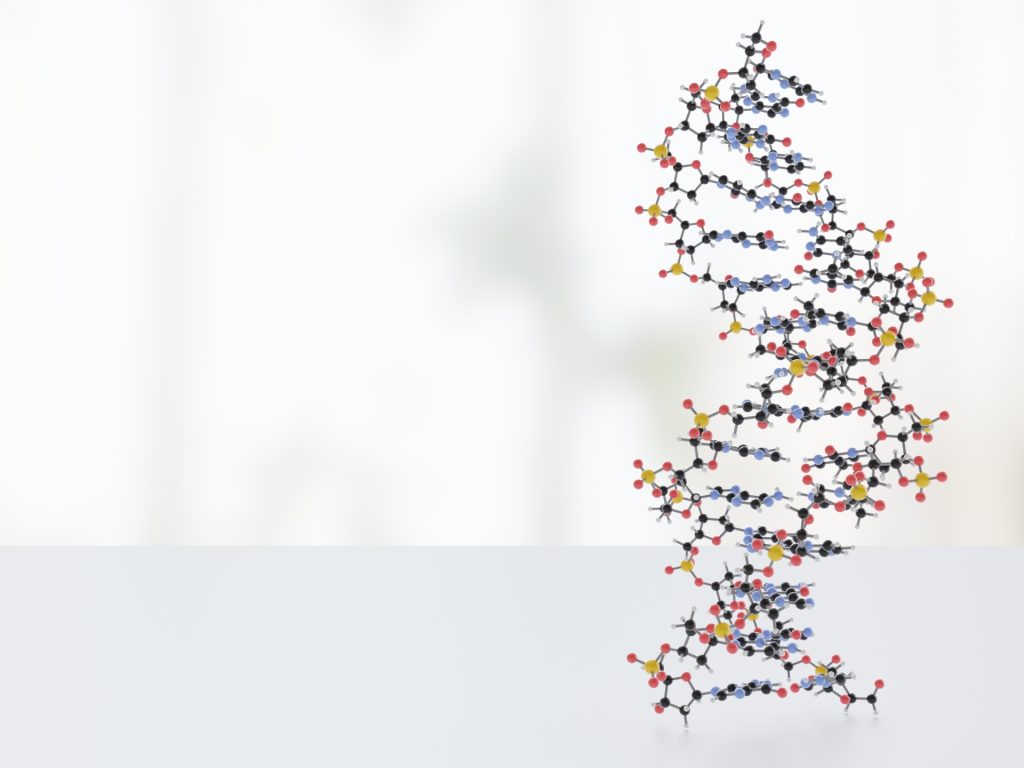
Advances in genetic testing have made it possible to genetically understand our physical constitutions and health risks. In particular, much research is being conducted into the relationship between the genes that determine ABO blood type and physical constitution. In this article, we will take a closer look at the relationship between blood type and physical constitution revealed by genetic testing.
The genetic basis of ABO blood groups
ABO blood types are classified according to differences in antigens present on the surface of red blood cells. Type A has A antigen, type B has B antigen, type AB has both antigens, and type O has neither antigen. The presence or absence of these antigens is determined by the ABO gene located on chromosome 9.
The ABO gene has three alleles, A, B, and O, and the combination of these determines blood type.
Blood Type A: AA or AO
Blood Type B: BB or BO
Blood Type AB: AB
Blood Type O: OO
It is believed that differences in blood type may affect constitution and risk of disease.
Recent studies have suggested a link between blood type and the risk of certain diseases. For example, the following associations have been pointed out:
1. Type O has a lower risk of blood clots
People with type O blood have a lower level of the blood clotting factor von Willebrand factor (vWF), and therefore are considered to have a lower risk of thrombosis (deep vein thrombosis, cerebral infarction, etc.), but may have a slightly higher tendency to bleed.
2. Type A has a higher risk of stomach cancer
People with blood type A are considered to have a high susceptibility to Helicobacter pylori and a high risk of stomach cancer. This is thought to be because blood type A antigens are involved in binding to the bacteria.
3. Blood types B and AB have a higher risk of diabetes
A study conducted in France has shown that people with blood types B and AB have a higher risk of type 2 diabetes compared to people with blood type O. This may be related to genetic factors that affect insulin secretion and metabolism.
The relationship between blood type and nutrition
There is a concept called the “blood type diet,” which says that different blood types have different foods that are easier to digest. For example, people with blood type A tend to eat a diet centered on plant-based foods, while people with blood type O are recommended to eat a lot of animal protein.
However, this theory has little scientific basis, and no large-scale studies have found a clear link between blood type and optimal diet.
In recent years, genetic testing has made it possible to analyze not only ABO blood types, but also mutations in blood coagulation factors, immune-related genes, and many disease risks. In particular, advances in next-generation sequencing (NGS) technology have made it possible to analyze an individual’s genetic characteristics in detail.
Genetic testing can provide information such as:
Association between blood type and health risks
Individual disease risk
Differences in immune responses
Genetically appropriate dietary and lifestyle trends
This information will allow for more personalized health management.
血液型とストレス耐性の関係
Recent research has also focused on the relationship between blood type and stress resistance. It has been suggested that the secretion of the stress hormone cortisol and the function of the autonomic nervous system may differ depending on blood type.
1. Type O has high stress resistance
It is believed that people with blood type O tend to have a high resistance to stress. This is said to be because people with blood type O have high sympathetic nervous activity and stable secretion of cortisol. Therefore, it is said that they may be able to calmly respond to stressful situations.
2. Type A is sensitive to stress
On the other hand, people with blood type A are said to be highly sensitive to stress and have a tendency to increase the secretion of cortisol. This makes them more susceptible to stress, and if they are exposed to stress for a long period of time, they tend to lose balance in the autonomic nervous system. It is important for people with blood type A to create a relaxing environment and be conscious of stress management.
3. Types B and AB have intermediate stress resistance
People with blood types B and AB are thought to have an intermediate tendency, not as stress resistant as type O, but not as sensitive to stress as type A. However, because there are large individual differences, it is not possible to determine stress resistance solely based on blood type.
The relationship between blood type and personality
There is a lot of interest in the relationship between blood type and personality, especially in Japan, but there is not enough scientific evidence. However, some research suggests that ABO blood type may affect the secretion of neurotransmitters and brain activity.
1. Type A personality traits
People with blood type A tend to be responsible and meticulous. This may be because they are sensitive to stress and therefore tend to act cautiously.
2. Type B personality tendencies
People with blood type B are said to have a free-spirited and creative personality. It has been reported that it may affect the secretion of the neurotransmitter dopamine, and they are said to be curious and have a tendency to try new things.
3. Type O personality tendencies
People with blood type O are said to have leadership skills and are highly decisive. This may be because blood type O people have high stress tolerance and strong sympathetic nervous activity, making it easier for them to make calm decisions.
4. AB type personality tendencies
People with blood type AB are said to have both a rational and cool side and an emotional side. Because blood type AB has the characteristics of both blood types A and B, it is believed that blood type AB has the flexibility to change its personality depending on the situation.
It has been suggested that blood type may also be related to athletic ability, such as endurance and muscle strength.
1. Type O has high endurance
People with blood type O are said to have active mitochondria and a high ability to use oxygen efficiently, which is why they are considered suitable for endurance sports such as marathons and soccer.
2. Type B is highly agile
People with blood type B are said to have fast muscle contraction speed and are more likely to demonstrate explosive power, which may make them suitable for sports such as sprinting and basketball.
3. Type A is balanced
Blood type A people are considered to have a good balance between endurance and explosive power. They tend to achieve stable results in both long-distance and short distance running.
4. Type AB is different depending on the situation
Since people with blood type AB have characteristics of both types A and B, their strengths and weaknesses may change depending on the sport.
Blood type and drug metabolism
It is said that blood type may also affect the rate at which drugs are metabolized, which may result in different effects depending on blood type even when taking the same drug.
1. Type O metabolizes caffeine quickly
People with blood type O metabolize caffeine quickly, so the effects of coffee tend to wear off relatively quickly.
2. Type A is sensitive to alcohol
People with blood type A tend to be less tolerant to alcohol because they have a lower level of the enzyme that breaks down alcohol.
3. Types B and AB have intermediate metabolic rates
People with blood types B and AB tend to metabolize drugs at rates intermediate between those of blood types O and A.
The relationship between blood type and longevity
Recent studies have pointed out that blood type may affect lifespan. In particular, it has been reported that people with type O blood tend to live longer. This may be related to the fact that people with type O blood have a lower risk of thrombosis and cardiovascular disease.
1. Type O blood has lower risk of cardiovascular disease and tends to live longer
People with type O blood have a lower risk of thrombosis due to their lower levels of the blood clotting factors von Willebrand factor (vWF) and fibrinogen. This means that they have a lower risk of developing stroke and myocardial infarction than other blood types, and as a result, people with type O blood are more likely to live longer.
2. Type A: Beware of stress and digestive disorders
It has been reported that people with blood type A have a higher risk of stomach cancer and stomach ulcers. This is thought to be related to the high rate of infection with Helicobacter pylori. In addition, people with blood type A have a lower stress tolerance, so they may be at higher risk of developing lifestyle-related diseases due to long-term stress.
3. Blood types B and AB are at higher risk of infectious diseases
It has been reported that people with blood types B and AB are at higher risk of infectious diseases. In particular, research has shown that people with blood types AB and B tend to be more susceptible to severe symptoms of COVID-19 infection than people with blood type O, which has been attracting attention during the pandemic. This may be due to differences in the immune system depending on blood type.
Relationship between blood type, cognitive function, and Alzheimer’s disease
Research is also progressing on the relationship between blood type and cognitive function, and it has been reported that people with blood types A and AB in particular are at a higher risk of developing dementia such as Alzheimer’s disease.
1. Blood type AB is at higher risk for Alzheimer’s
It has been pointed out that people with blood type AB may experience a faster decline in cognitive function than people with other blood types, which is thought to be related to the higher levels of certain inflammatory cytokines in people with blood type AB.
2. Type A also has a slightly higher risk of dementia
It has been pointed out that people with blood type A are also prone to inflammatory reactions in the brain, although not as easily as those with blood type AB. It has been reported that they are at a higher risk of Alzheimer’s disease and stroke in old age.
3. Type O has more gray matter in the brain and a lower risk of dementia
Research has shown that people with type O blood have more gray matter (the part of the brain responsible for information processing) than other blood types, suggesting that people with type O blood may be less susceptible to cognitive decline as they age.
The relationship between blood type and gut bacteria
It has been pointed out that blood type may also affect the composition of intestinal bacteria. This is thought to be because blood type affects the types of sugar chains (oligosaccharides) secreted in the intestine, creating an environment in which certain bacteria can easily proliferate.
1. Type O has more good bacteria in the intestines
It is said that people with type O blood have a lot of bifidobacteria and lactic acid bacteria, and tend to have a good intestinal environment. This is thought to be because the sugar chains secreted in the intestines of people with type O blood have the effect of promoting the growth of good bacteria.
2. Type A is susceptible to bad bacteria
It is said that people with blood type A tend to have an intestinal environment that is easily affected by stress and diet, making it easier for bad bacteria to grow. Therefore, it is important to improve your intestinal environment by actively consuming fermented foods and dietary fiber.
3. Types B and AB have diverse intestinal bacteria
People with blood types B and AB tend to have a relatively high diversity of gut bacteria, which suggests that they may be better able to adapt to a variety of diets.
Blood types and the potential for personalized medicine
In recent years, attention has been focused on personalized medicine (precision medicine) that utilizes blood type and genetic information, which makes it possible to select preventive medicine and treatments based on blood type and genetic factors.
1. Predicting disease risk through genetic testing
Genetic testing can identify a variety of disease risks, including blood type, blood clotting disorders and immune system differences.
2. Providing appropriate treatment through personalized medicine
In the future, it may be possible to provide optimal medicines and treatments based on blood type and genetic information. For example, it is expected that this will be applied to the selection of anti-cancer drugs and advice on lifestyle habits.
The relationship between blood type and sleep quality
In recent years, research has been conducted into the relationship between blood type and sleep quality. It is possible that genetic factors are involved in the depth and duration of sleep, as well as the risk of sleep disorders.
1. Blood type O tends to have better sleep quality
Research has shown that people with blood type O tend to have a stable sleep rhythm. This is thought to be because blood type O people have a high stress tolerance and are able to maintain a balance between the sympathetic and parasympathetic nervous systems. For this reason, it is said that people with blood type O tend to sleep relatively soundly.
2. Type A is prone to insomnia
People with blood type A are said to be more susceptible to stress and therefore more likely to suffer from insomnia and poor quality sleep. In addition, the secretion of the neurotransmitters serotonin and melatonin may be more easily affected, which may lead to disruptions to sleep rhythms.
3. Blood types B and AB tend to have more REM sleep
People with blood types B and AB have been reported to have a higher rate of REM sleep. This may be related to the brain’s functions that control creativity and intuition, and is thought to lead to more dreaming or lighter sleep.
The risk of developing allergic diseases is related to both genetic and environmental factors, but it is believed that blood type may also play a role.
1. Type A has a high risk of hay fever and atopic dermatitis
It has been reported that people with type A blood tend to have hypersensitive immune responses and are prone to developing allergic rhinitis (hay fever) and atopic dermatitis. This is thought to be because people with type A blood secrete a lot of certain cytokines (substances that regulate immune responses), making them prone to excessive inflammatory responses.
2. Type O is less likely to suffer from allergies
People with blood type O are said to have a relatively low incidence of allergic diseases. This may be related to the fact that people with blood type O have a higher ability to regulate their immune system and suppress inflammatory responses.
3. Beware of food allergies if you have blood types B or AB
It has been reported that people with blood types B and AB are more likely to develop food allergies, and are particularly susceptible to allergic reactions to dairy products and nuts.
Blood type and love/marriage compatibility
Although there is no fully established scientific evidence regarding the relationship between blood type and romantic tendencies, some psychological research suggests that personality differences based on blood type may affect compatibility in romance and marriage.
1. Type A and type O are compatible
Type A people tend to have a cautious and planned personality, so they are said to be compatible with bold and decisive type O people. It is said that the leadership of type O and the supportive power of type A tend to complement each other.
2. Type B and type AB tend to build free relationships
Type B people value freedom, so they are said to be compatible with the flexible type AB people. Type AB people can change their attitude depending on the situation, so they are thought to be able to easily deal with the free-spirited personality of type B.
3. Type A people tend to be overly cautious
It is said that couples with type A blood can be too cautious and slow to progress. They may end up worrying too much about each other and accumulating stress.
There is also a theory that blood type influences career choices and business aptitude, because personality differences based on blood type may be related to career suitability.
1. Type A people are suited to planned work
People with blood type A are said to be meticulous and organized, and therefore likely to excel in fields such as clerical work, research, and accounting.
2. Blood type O is more likely to demonstrate leadership
People with blood type O are decisive and tend to demonstrate leadership skills, so they are considered to be well suited for sales, management, and business positions.
3. Type B is suited to creative jobs
Type B people have free thinking and an excellent ability to generate original ideas, so they tend to excel in fields such as art, design, engineering, and music.
4. Type AB is suited to jobs that require flexibility
People with blood type AB have a good balance between logical thinking and intuition, making them suitable for fields such as counseling, education, and consulting.
Relationship between blood type and hormone balance
Blood type may also affect hormone balance, which plays a major role in our mood, energy levels, metabolism, and even how we respond to stress, so knowing the hormonal profiles of your blood type may help you take better care of your health.
1. Type O has high testosterone secretion
People with blood type O tend to secrete more testosterone (a male hormone) than other blood types. Testosterone is involved in increasing muscle mass, burning fat, and improving energy metabolism, and is an important hormone, especially for athletes and people who lead active lifestyles.
Due to the high secretion of testosterone, people with blood type O tend to be energetic and proactive, but at the same time, it has been pointed out that this can also lead to increased aggression. Therefore, it is important to consciously secure time to relax.
2. Type A has high levels of cortisol and is vulnerable to stress
People with blood type A are said to secrete a lot of the stress hormone cortisol, and tend to become more susceptible to illness when under stress for long periods of time.
Excessive secretion of cortisol can lead to a weakened immune system, increased anxiety, and poor sleep quality, so type A people would do well to adopt relaxation habits (such as yoga or meditation).
3. Type B people have a lot of dopamine and are curious
Blood type B people are said to have active secretion of dopamine, the pleasure hormone. Dopamine brings motivation and a sense of happiness, and increases the desire to try new things.
Therefore, type B people tend to be curious and inquisitive. However, if they seek too much stimulation, they tend to get bored easily, so it would be good for them to get into the habit of concentrating on one thing.
4. Type AB has a lot of serotonin and is more likely to balance their emotions
People with blood type AB tend to secrete a lot of serotonin, known as the happiness hormone, and are thought to be able to maintain emotional balance. Serotonin relieves anxiety, promotes relaxation, and brings mental stability.
However, people with blood type AB are easily influenced by their environment, and it is said that stress can lead to a decrease in serotonin secretion. It is important to be aware of stress management and live a regular life.
Blood type is also thought to influence the strength of immunity to certain pathogens and the risk of infectious diseases.
1. Type O is more resistant to malaria
Research has shown that people with blood type O are less likely to be infected with malaria parasites. This is because blood cells of blood type O are less susceptible to infection by malaria parasites.
Therefore, it has been reported that there tends to be a relatively high number of people with type O blood in areas where malaria is prevalent.
2. Type A is more susceptible to influenza and norovirus
People with type A blood are at higher risk of infection with influenza viruses and noroviruses. This is thought to be because type A antigens tend to bind to certain viruses.
3. Types B and AB are resistant to bacterial infections but vulnerable to viral infections
People with blood types B and AB tend to be more resistant to bacterial infections. However, they are relatively vulnerable to viral infections, and it has been pointed out that they may be at higher risk of infection with respiratory viruses (such as COVID-19 and RS virus).
The relationship between blood type and genes is wide-ranging, including health risks, immunity, hormone balance, personality, athletic ability, and diet. By utilizing genetic testing, you can gain a deeper understanding of your constitution and optimal health management. It is important to adopt lifestyle habits that make the most of the characteristics of your blood type, based on scientific evidence. Research on blood types and genetics will continue to advance and may be useful for personalized medicine and preventive medicine. Know your constitution and be conscious of living a healthy life. Research on blood types and genes may be useful for preventing diseases and selecting appropriate treatments, and is an important field in future medicine and health management. Understanding your blood type and genetic characteristics and adopting better lifestyle habits will lead to an extension of your healthy lifespan.