
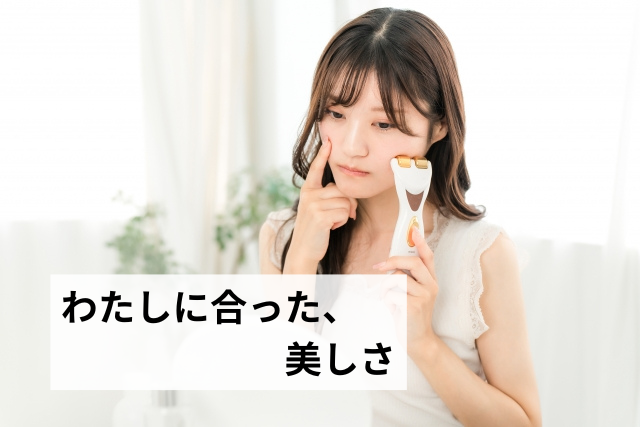
遺伝子情報と肌の老化:美容への応用

Posted on 2024年 11月 13日

この記事の概要

遺伝子検査を活用することで、肌の老化リスクや特性を把握し、個別化美容ケアを実現できます。乾燥、シワ、シミなどのリスクに合わせた適切なケアを行うことで、効果的なアンチエイジングが可能になります。遺伝子情報を活用して、自分に合った美容法で健康的で若々しい肌を保ちましょう。


序論:遺伝子と肌の老化の関係

肌の老化は、加齢に伴う自然なプロセスですが、そのスピードや症状の現れ方には個人差があります。この違いには、紫外線や生活習慣などの環境要因だけでなく、遺伝的要因も深く関与しています。近年の研究では、特定の遺伝子が肌の老化に影響を与えることが明らかになり、遺伝子検査を活用した個別化美容(パーソナライズド・スキンケア)が注目されています。

本記事では、肌の老化に関与する主要な遺伝子、遺伝子検査による美容アプローチ、エビデンスに基づいた対策について詳しく解説します。


1. 肌の老化に関わる主要な遺伝子

肌の老化は、コラーゲンやエラスチンの減少、酸化ストレス、DNA損傷などの生物学的プロセスによって進行します。これらのプロセスに関与する主な遺伝子を紹介します。

1.1 MMP1遺伝子:コラーゲン分解

MMP1(マトリックスメタロプロテイナーゼ1)遺伝子は、コラーゲンを分解する酵素をコードしています。特定の遺伝子多型を持つ人はMMP1の活性が高く、コラーゲンが早く分解されるため、シワができやすいとされています。

  • 対策:レチノールやビタミンCを含むスキンケアを使用し、コラーゲンの分解を抑制する。

1.2 COL1A1遺伝子:コラーゲンの生成能力

COL1A1遺伝子は、肌の弾力を維持するコラーゲンの生成を調節します。変異があると、コラーゲン合成が低下し、たるみやシワが発生しやすくなります。

  • 対策:コラーゲンペプチドの摂取、紫外線対策、適切な保湿ケアを実施する。

1.3 SOD2遺伝子:抗酸化防御

SOD2遺伝子は、スーパーオキシドジスムターゼ(SOD)という抗酸化酵素をコードし、活性酸素を分解する役割を担います。この遺伝子の機能が低下すると、酸化ストレスが蓄積し、肌老化が加速します。

  • 対策:抗酸化食品(ビタミンE、ポリフェノール)を積極的に摂取し、紫外線や大気汚染の影響を軽減する。

1.4 MC1R遺伝子:紫外線耐性とシミのリスク

MC1R遺伝子は、メラニン生成を制御し、紫外線によるDNA損傷から肌を守る働きをします。この遺伝子に変異があると、紫外線に対する耐性が低くなり、シミや色素沈着ができやすくなります。

  • 対策:日焼け止めの使用を徹底し、美白成分(ハイドロキノン、アルブチン)を活用する。

1.5 FOXO3遺伝子:細胞の老化抑制

FOXO3遺伝子は、細胞の修復や寿命に関わる重要な役割を果たします。変異があると、DNA修復能力が低下し、肌の老化が早まる可能性があります。

  • 対策:NMNやレスベラトロールなどのアンチエイジング成分を摂取し、DNA修復を促進する。

2. 遺伝子検査による個別化美容の可能性

若い日本人女性の美容イメージ

2.1 遺伝子検査でわかること

美容向けの遺伝子検査では、以下のような項目を分析できます。

  • シワのリスク(MMP1、COL1A1)
  • シミ・色素沈着のリスク(MC1R、TYR)
  • 抗酸化能力(SOD2、GPX1)
  • 紫外線耐性(MC1R、ASIP)
  • 保湿機能(FLG遺伝子)

2.2 遺伝子検査の活用方法

遺伝子検査の結果に基づいて、以下のような個別化スキンケアが可能になります。

  • 抗酸化能力が低い人 → ビタミンCやポリフェノールを含むスキンケアを強化
  • 紫外線に弱い人 → 高SPFの日焼け止めをこまめに塗る
  • コラーゲン分解が進みやすい人 → レチノールやペプチド成分を取り入れる

遺伝子検査は、一人ひとりの肌質に合った最適な美容対策を選択するための強力なツールとなります。


3. 科学的エビデンスと研究結果

近年、多くの研究が遺伝子と肌の老化の関係を明らかにしています。

  • MMP1遺伝子とシワ形成(Journal of Investigative Dermatology, 2015)
    • MMP1遺伝子の特定の多型を持つ人は、紫外線によるコラーゲン分解が促進され、シワができやすいことが報告されている。
    • 論文リンク
  • FOXO3遺伝子と老化の関係(Nature Communications, 2018)
    • FOXO3遺伝子の変異が、肌細胞の修復能力や寿命に影響を与えることが示唆されている。
    • 論文リンク
  • MC1R遺伝子とシミのリスク(Pigment Cell & Melanoma Research, 2017)
    • MC1R遺伝子の変異が、紫外線ダメージに対する肌の耐性を低下させることが確認されている。
    • 論文リンク

4. 肌の老化を遅らせるための遺伝子に基づいたスキンケア戦略

首の周りをケアする女性

4.1 シワ・たるみ対策:MMP1、COL1A1、ELN遺伝子に基づくケア

シワやたるみの主な原因は、コラーゲンやエラスチンの分解による肌の弾力低下です。これらの分解速度は、MMP1、COL1A1、ELN(エラスチン遺伝子)などの遺伝子の影響を受けます。

(1)MMP1遺伝子が活性化しやすい人の対策

MMP1遺伝子の特定のバリアントを持つ人は、紫外線やストレスによりコラーゲンの分解が早まり、シワができやすくなります。

  • 推奨成分:レチノール(ビタミンA誘導体)、ナイアシンアミド、ビタミンC
  • 生活習慣:紫外線対策を徹底し、抗酸化食品(ブルーベリー、緑茶など)を摂取する。

(2)COL1A1遺伝子の変異がある人の対策

COL1A1遺伝子が変異していると、コラーゲンの生成能力が低下し、たるみやハリの減少が起こりやすくなります。

  • 推奨成分:コラーゲンペプチド、ヒアルロン酸、ペプチド成分
  • 生活習慣:適度な運動で血流を促進し、コラーゲン生成をサポートする食品(魚、豆類)を摂取する。

(3)ELN遺伝子の変異とエラスチンの維持

エラスチンは肌の弾力を保つ重要なタンパク質で、ELN遺伝子によって生成されます。この遺伝子に変異があると、エラスチンの合成が低下し、たるみが起こりやすくなります。

  • 推奨成分:エラスチンペプチド、ビタミンC、ナイアシンアミド
  • 生活習慣:適度なマッサージや顔の筋肉を鍛えるエクササイズを行う。

4.2 シミ・くすみ対策:MC1R、TYR、SLC45A2遺伝子に基づくケア

シミやくすみの原因は、メラニン生成の過剰や紫外線ダメージによる色素沈着です。MC1R、TYR(チロシナーゼ遺伝子)、SLC45A2遺伝子がメラニン生成の調整に関与します。

(1)MC1R遺伝子と紫外線耐性の違い

MC1R遺伝子が変異していると、紫外線に対する肌の防御力が低下し、シミができやすくなります。

  • 推奨成分:ビタミンC、トラネキサム酸、アルブチン
  • 生活習慣:SPF50+の日焼け止めを使用し、UVカット効果のある衣類を活用する。

(2)TYR遺伝子の活性とメラニン生成

TYR遺伝子は、メラニン生成に関与するチロシナーゼ酵素をコードしています。活性が高いとメラニンが生成されやすく、シミのリスクが増加します。

  • 推奨成分:ハイドロキノン、ビタミンC誘導体、グルタチオン
  • 生活習慣:抗酸化作用のある食品(トマト、アボカド)を摂取する。

(3)SLC45A2遺伝子と肌の色素沈着

SLC45A2遺伝子の変異は、肌の色素沈着の度合いに影響を与えます。特定のバリアントを持つ人は、色素沈着が濃くなりやすいため、徹底的な美白ケアが必要です。

  • 推奨成分:ナイアシンアミド、アルブチン、プラセンタエキス
  • 生活習慣:ピーリングやレーザー治療を検討し、ターンオーバーを促進する。

4.3 保湿・バリア機能強化:FLG、AQP3、SPINK5遺伝子に基づくケア

肌の乾燥やバリア機能の低下は、シワや肌荒れの原因になります。FLG(フィラグリン遺伝子)、AQP3(アクアポリン遺伝子)、SPINK5(皮膚バリア関連遺伝子)が関与します。

(1)FLG遺伝子の変異と乾燥肌

FLG遺伝子が変異していると、皮膚のバリア機能が低下し、水分が蒸発しやすくなります。

  • 推奨成分:セラミド、ヒアルロン酸、シアバター
  • 生活習慣:過度な洗顔を避け、保湿クリームをこまめに使用する。

(2)AQP3遺伝子と水分保持能力

AQP3遺伝子は、水分を細胞に輸送するアクアポリン3タンパク質をコードしています。この遺伝子が変異すると、水分保持能力が低下し、肌の弾力が失われます。

  • 推奨成分:グリセリン、ヒアルロン酸、尿素
  • 生活習慣:加湿器を使用し、十分な水分補給を心がける。

(3)SPINK5遺伝子と敏感肌

SPINK5遺伝子が変異すると、肌の防御機能が低下し、外部刺激に敏感になります。

  • 推奨成分:アラントイン、パンテノール、ツボクサエキス
  • 生活習慣:低刺激のスキンケア製品を使用し、過度な摩擦を避ける。

5. 遺伝子情報に基づく美容医療の進化
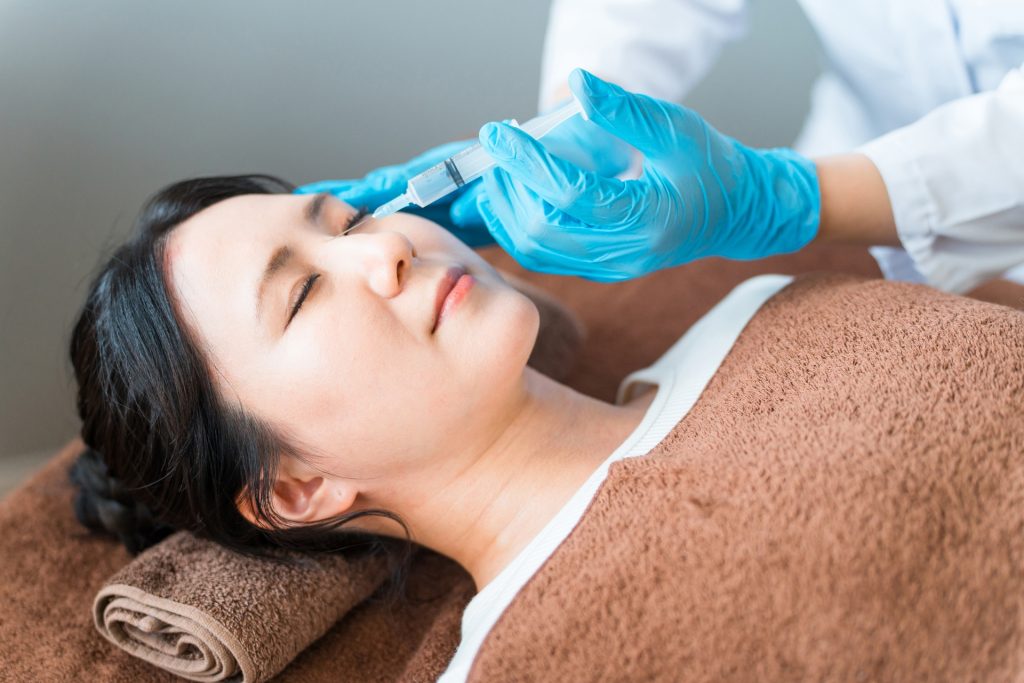
遺伝子解析の進歩により、美容医療の分野では個別化治療が可能になっています。特定の遺伝子情報を活用することで、従来の画一的なスキンケアや治療から、より効果的で副作用の少ない施術へと進化しています。

5.1 遺伝子検査を活用した美容施術の選択

遺伝子検査によって肌質や老化の進行度が把握できるため、以下のような美容施術の最適化が可能になります。

(1)レーザー治療の適応評価

  • MC1R遺伝子の変異がある人は、レーザー治療後の炎症後色素沈着(PIH)のリスクが高いため、低エネルギーのレーザーやIPL(光治療)が推奨される。
  • TYR遺伝子の活性が高い人は、メラニン生成が活発なため、レーザー治療後に美白ケアを強化する必要がある。

(2)ヒアルロン酸・ボトックスの効果の個人差

  • COL1A1遺伝子の変異がある人は、ヒアルロン酸注入の持続時間が短くなる傾向があり、通常よりも早めの追加施術が必要になる場合がある。
  • MMP1遺伝子の活性が高い人は、ボトックスの効果が短縮される可能性があり、適切な投与量の調整が求められる。

(3)PRP(多血小板血漿)療法の適応評価

  • FOXO3遺伝子の変異がある人は、細胞の修復能力が低いため、PRP療法の効果が高い可能性がある。
  • SOD2遺伝子の抗酸化能力が低い人は、PRPによる再生能力の向上が特に有効と考えられる。

5.2 遺伝子情報に基づくオーダーメイドスキンケア

遺伝子検査の結果をもとに、一人ひとりに最適なスキンケア製品を処方するサービスが増えています。

(1)パーソナライズド美容サプリメント

  • コラーゲン分解が進みやすい人 → コラーゲンペプチド+ビタミンC
  • 酸化ストレスが強い人 → アスタキサンチン+ビタミンE
  • 乾燥しやすい人 → セラミド+ヒアルロン酸

(2)遺伝子データを活用したスキンケア製品

  • 美容業界では、AIと遺伝子情報を組み合わせたカスタムスキンケアが登場している。
  • 例えば、ロレアルやプロクター&ギャンブル(P&G)は、消費者の遺伝子データを基にパーソナライズされた美容製品を開発している。

6. 遺伝子美容の未来と研究動向

遺伝子美容の分野は急速に発展しており、新たな技術が次々と登場しています。今後、さらなる研究が進むことで、より精密なスキンケアや美容医療が実現すると期待されています。

6.1 遺伝子編集技術と美容

  • CRISPR-Cas9技術を活用したアンチエイジング
    • 遺伝子編集技術が進化することで、老化に関わる遺伝子の修正が可能になる可能性がある。
    • 例えば、MMP1遺伝子の活性を抑制し、コラーゲン分解を遅らせる技術が開発されるかもしれない。
  • エピジェネティクスとスキンケア
    • エピジェネティクス(遺伝子の発現調節)は、生活習慣や環境要因によって変化する。
    • 例えば、ストレスや食生活の改善によって、抗酸化遺伝子(SOD2やGPX1)の発現を高めることができる。

6.2 AIと遺伝子美容の統合

  • AIを活用したパーソナライズド美容診断
    • AIが遺伝子データを解析し、最適なスキンケアや治療法を提案するシステムが開発されている。
    • 例えば、遺伝子検査の結果をスマートフォンアプリで管理し、肌の状態に応じて推奨成分をリアルタイムで調整できる技術が進んでいる。
  • バイオセンサー技術の発展
    • 肌の状態をリアルタイムで測定するウェアラブルデバイスが登場しつつある。
    • 遺伝子情報と連携し、最適なスキンケアや美容施術を自動的に提案するシステムが開発中。

7. 遺伝子情報を活用する際の倫理的課題

遺伝子美容の普及に伴い、いくつかの倫理的な問題も浮上しています。

7.1 遺伝情報のプライバシー保護

  • 遺伝情報は非常に機密性の高いデータであり、適切な管理が求められる。
  • 一部の遺伝子検査会社が、顧客の遺伝情報を第三者に販売しているケースもあり、データ保護の必要性が強調されている。

7.2 遺伝子差別のリスク

  • 遺伝子美容が一般化すると、特定の遺伝子を持つ人が美容市場で優位になる可能性がある。
  • 例えば、「コラーゲン生成が優れている遺伝子を持つ人が美しくなりやすい」といった偏見が生まれるリスクがある。

7.3 医療と美容の境界線

  • 遺伝子検査が医学的診断の代替となるべきではないという議論がある。
  • 美容目的の遺伝子検査と、医療目的の遺伝子検査の境界を明確にする必要がある。

8. 遺伝子解析を活用した化粧品の最前線
遺伝子情報を活用したスキンケア製品の開発が進んでおり、各種ブランドが科学的根拠に基づいた美容成分の最適化を行っています。

8.1 遺伝子スキャンを用いたスキンケア製品の開発

化粧品業界では、遺伝子スキャンを活用し、個人の肌質や老化リスクに合わせた化粧品を提供する取り組みが進んでいます。

  • 資生堂のパーソナライズド・スキンケア
    • 遺伝子解析に基づいて、肌の弾力やシワ、シミのリスクを評価し、最適な美容成分を処方するサービスを開発。
  • ロレアルの遺伝子分析によるカスタム美容液
    • ユーザーのDNAサンプルを解析し、抗酸化力や皮脂分泌量を考慮した美容液を調合する技術を発表。

8.2 遺伝子情報に基づくスキンケア成分の選択

遺伝子情報をもとに、以下のような成分の最適化が行われています。

  • 抗酸化遺伝子(SOD2, GPX1)の活性が低い人向け → アスタキサンチン、ビタミンE、レスベラトロール配合の美容液
  • コラーゲン分解が進みやすい(MMP1の活性が高い)人向け → ペプチド、ビタミンC、レチノールを強化したクリーム
  • 保湿機能が低い(FLG遺伝子に変異がある)人向け → セラミド、スクワラン、グリセリンを高濃度配合した保湿クリーム

8.3 遺伝子検査を活用したインナーケア製品の開発

遺伝子解析技術を活用し、肌の健康を内側からサポートするサプリメントの研究も進んでいます。

  • コラーゲン生成を促進するための栄養補助食品
    • COL1A1遺伝子の変異がある人向けに、ビタミンCと鉄を配合したコラーゲンサプリメントが推奨される。
  • メラニン生成を抑制するサプリメント
    • TYR遺伝子の活性が高い人向けに、グルタチオンやL-システインを配合した美白系サプリメントが提供されている。

9. 遺伝子美容とホルモンバランスの関係

遺伝子はホルモンバランスにも影響を与え、それが肌の健康状態に直結します。エストロゲンやアンドロゲンの分泌量を調節する遺伝子の違いによって、肌のトラブルの起こりやすさが変わります。

9.1 エストロゲンと肌の弾力:ESR1遺伝子

エストロゲンはコラーゲン生成を促進し、肌の弾力を維持する重要なホルモンです。

  • ESR1遺伝子の変異がある人は、エストロゲンの受容体感受性が低下し、閉経後に肌のハリが急激に低下する傾向がある。
  • 対策:イソフラボンを含む食品(大豆製品)を積極的に摂取し、ホルモンバランスをサポートする。

9.2 皮脂分泌とアンドロゲン:SRD5A2遺伝子

アンドロゲン(男性ホルモン)は皮脂分泌を活性化させ、ニキビや毛穴の開きに影響を与えます。

  • SRD5A2遺伝子の活性が高い人は、皮脂の分泌量が多く、脂性肌になりやすい。
  • 対策:ビタミンB6を含む食品を摂取し、皮脂の過剰分泌を抑制する。

9.3 ストレスホルモンと肌荒れ:NR3C1遺伝子

ストレスホルモン(コルチゾール)の分泌量も遺伝的に異なり、肌トラブルの原因となることがあります。

  • NR3C1遺伝子の変異がある人は、ストレスに対する感受性が高く、肌荒れが起こりやすい。
  • 対策:適度な運動、ヨガ、瞑想を取り入れ、ストレス管理を強化する。

10. 遺伝子解析と腸内フローラの関係:美肌と腸内環境

肌の健康は腸内環境と密接に関わっており、腸内フローラのバランスは遺伝的要因によっても影響を受けます。

10.1 腸内細菌と肌質の関連性

  • Prevotella菌が多い人 → 炭水化物の消化能力が高く、肌の保湿力が良好な傾向がある。
  • Bacteroides菌が優勢な人 → 肌のバリア機能が低下し、炎症を起こしやすい傾向がある。

10.2 腸内フローラを整える美容習慣

  • プロバイオティクス(乳酸菌・ビフィズス菌)の摂取 → 腸内の善玉菌を増やし、肌の炎症を抑える。
  • 食物繊維の摂取 → 腸内細菌のバランスを整え、肌のターンオーバーを正常化する。

10.3 遺伝子検査による腸内環境の最適化

  • FUT2遺伝子の変異がある人は、特定の腸内細菌が定着しにくいため、プロバイオティクスの補助が必要。
  • LCT遺伝子(乳糖分解酵素)に変異がある人は、乳糖を適切に分解できないため、乳製品の摂取を控えることが推奨される。

11. 遺伝子美容とエピジェネティクス:環境要因が肌の老化に与える影響

美顔ローラーを頬に使うシニア女性

遺伝子は固定されたものではなく、生活習慣や環境要因によってその働きが変化することが知られています。この「エピジェネティクス(後成遺伝学)」の概念は、美容分野にも応用されつつあります。

11.1 エピジェネティクスとスキンケア

紫外線、食事、ストレス、睡眠不足などの要因が、肌の老化に関与する遺伝子の発現を変化させることが明らかになっています。

  • 紫外線 → MMP1遺伝子の活性を上げ、コラーゲン分解を促進する。
  • 高糖質食 → 糖化ストレスによりCOL1A1遺伝子の働きを阻害し、肌のハリを失わせる。
  • 睡眠不足 → CLOCK遺伝子の働きが乱れ、肌のターンオーバーが低下する。

11.2 エピジェネティクスを活用した美容戦略

遺伝子の発現を調節することで、肌老化を抑制する方法が研究されています。

  • 抗酸化食品(ビタミンC・ポリフェノール)の摂取 → SOD2遺伝子の発現を高め、酸化ストレスを軽減。
  • ファスティング(断食) → FOXO3遺伝子の活性を高め、細胞修復機能を促進。
  • 規則正しい生活習慣 → CLOCK遺伝子のリズムを整え、肌のターンオーバーを正常化。

12. 遺伝子検査を活用した未来の美容トレンド

美容業界では、遺伝子情報を活用した最先端の技術が続々と登場しており、今後の美容トレンドにも大きな影響を与えると予測されています。

12.1 AI×遺伝子データによるパーソナライズド美容

AIと遺伝子解析技術を組み合わせることで、肌の状態をリアルタイムに分析し、最適な美容プランを提案するシステムが開発されています。

  • スマートミラー技術
    • 遺伝子情報と肌解析データを統合し、シワやシミのリスクに応じた美容成分を推奨。
  • AI診断アプリ
    • 遺伝子検査の結果をスマートフォンで管理し、スキンケアのタイミングや成分の選択を最適化。

12.2 遺伝子データを活用したカスタムメイド化粧品

消費者の遺伝子情報を基に、個別に調合された化粧品が提供される時代が到来しています。

  • ユーザーの遺伝子型に応じた美容成分の最適化
    • コラーゲン分解リスクが高い人にはペプチド配合の美容液
    • 皮脂分泌が多い人にはマット仕上げの保湿クリーム
  • DNAカプセル技術
    • 肌の状態に応じて、美容成分が最適なタイミングで放出されるカプセル化技術が開発中。

まとめ

遺伝子情報を活用した美容は、肌の老化メカニズムを科学的に解明し、個々に最適なスキンケアや美容医療を提供する画期的なアプローチです。MMP1やCOL1A1などの遺伝子がシワやたるみに関与し、SOD2やMC1Rが抗酸化作用や紫外線耐性に影響を与えることが明らかになっています。

遺伝子検査によって肌の特性を正確に把握し、レチノールやビタミンCなどの成分を適切に選択することで、より効果的なエイジングケアが可能になります。さらに、AI技術と組み合わせたパーソナライズド美容が進化し、カスタムメイド化粧品やDNAカプセル技術の開発が進んでいます。

今後、遺伝子美容はより精密で科学的なアプローチへと発展し、一人ひとりの肌質に最適なケアが提供される時代が到来するでしょう。

Posted on 2024年 11月 13日

この記事の概要

遺伝子検査を活用することで、肌の老化リスクや特性を把握し、個別化美容ケアを実現できます。乾燥、シワ、シミなどのリスクに合わせた適切なケアを行うことで、効果的なアンチエイジングが可能になります。遺伝子情報を活用して、自分に合った美容法で健康的で若々しい肌を保ちましょう。


引言:基因与皮肤衰老的关系

皮肤老化是随着年龄增长而出现的自然过程,但老化的速度和症状因人而异。这种差异不仅与紫外线、生活习惯等环境因素有很大关系,也与遗传因素有关。最近的研究表明某些基因会影响皮肤老化,利用基因检测进行个性化美容(个性化护肤)正受到关注。

在本文中,我们将仔细研究与皮肤老化有关的主要基因、使用基因检测的美容方法以及基于证据的对策。


1. 与皮肤衰老有关的主要基因

皮肤老化是由胶原蛋白和弹性蛋白的流失、氧化应激和 DNA 损伤等生物过程引起的。我们介绍了参与这些过程的主要基因。

1.1 MMP1基因:胶原蛋白降解

MMP1(基质金属蛋白酶1)基因编码一种分解胶原蛋白的酶。具有某些基因多态性的人MMP1活性更高,这会导致胶原蛋白分解得更快,使他们更容易出现皱纹。

  • 解决方案:使用含有视黄醇或维生素C的护肤品来抑制胶原蛋白的分解。

1.2 COL1A1基因:胶原蛋白生成能力

COL1A1 基因调节胶原蛋白的产生,从而保持皮肤弹性。突变会减少胶原蛋白的合成,使皮肤更容易松弛和出现皱纹。

  • 对策:服用胶原蛋白肽、预防紫外线、适当保湿护理。

1.3 SOD2基因:抗氧化防御

SOD2 基因编码抗氧化酶超氧化物歧化酶 (SOD),其在分解活性氧方面发挥作用。当该基因功能下降时,氧化应激就会积累并加速皮肤老化。

  • 对策:积极食用抗氧化食品(维生素E、多酚),减少紫外线和空气污染的影响。

1.4 MC1R基因:抗紫外线和斑点风险

MC1R基因控制黑色素的产生,保护皮肤免受紫外线造成的DNA损伤。如果该基因发生突变,皮肤对紫外线的抵抗力就会降低,更容易出现斑点和色素沉着。

  • 对策:一定要使用防晒霜,并使用美白成分(对苯二酚、熊果苷)。

1.5 FOXO3基因:抑制细胞衰老

FOXO3基因在细胞修复和长寿中发挥着重要作用。突变会降低 DNA 修复能力并导致皮肤过早老化。

  • 解决方案:服用NMN和白藜芦醇等抗衰老成分来促进DNA修复。

2. 通过基因检测实现个性化美容的潜力

若い日本人女性の美容イメージ

2.1 基因检测能告诉你什么

美容基因检测可以分析以下项目:

  • 皱纹风险(MMP1、COL1A1)
  • 出现斑点和色素沉着的风险(MC1R、TYR)
  • 抗氧化能力(SOD2、GPX1)
  • 抗紫外线(MC1R、ASIP)
  • 保湿功能(FLG基因)

2.2 如何使用基因检测

根据您的基因检测结果,您可以个性化您的皮肤护理程序,包括:

  • 抗氧化能力低的人→强化含维生素C和多酚的护肤品
  • 对紫外线敏感的人:经常涂抹高 SPF 防晒霜
  • 胶原蛋白容易分解的人→服用视黄醇和肽成分

基因检测可以成为一种强有力的工具,帮助每个人根据自己的皮肤类型选择最佳的美容治疗方法。


3. 科学证据和研究成果

近年来,许多研究揭示了基因与皮肤衰老之间的关系。

  • MMP1 基因与皱纹形成 (Journal of Investigative Dermatology, 2015
    • 据报道,具有MMP1基因某些多态性的人由于紫外线会加速胶原蛋白的分解,更容易出现皱纹。
    • 論文リンク
  • FOXO3基因与衰老的关系(Nature Communications,2018
    • 有研究表明,FOXO3 基因突变会影响皮肤细胞的修复能力和寿命。
    • 論文リンク
  • MC1R 基因与色素沉着风险(色素细胞与黑色素瘤研究,2017
    • 研究表明,MC1R 基因突变会降低皮肤对紫外线伤害的抵抗力。
    • 論文リンク

4.基于基因的皮肤护理策略,延缓皮肤衰老

首の周りをケアする女性

4.1 抗皱/松弛皮肤:基于 MMP1、COL1A1 和 ELN 基因的护理

皱纹和皮肤松弛的主要原因是胶原蛋白和弹性蛋白的分解导致皮肤失去弹性。这些降解的速度受 MMP1、COL1A1 和 ELN(弹性蛋白基因)等基因的影响。

(1)针对MMP1基因易激活人群的措施

携带某种 MMP1 基因变体的人更容易出现皱纹,因为胶原蛋白在紫外线和压力下会更快地分解。

  • 推荐成分:视黄醇(维生素A衍生物)、烟酰胺、维生素C
  • 生活习惯:采取彻底的措施防护紫外线,并食用抗氧化食物(蓝莓、绿茶等)。

(2)针对 COL1A1 基因突变患者的措施

如果 COL1A1 基因发生突变,产生胶原蛋白的能力就会下降,使皮肤更容易松弛和失去紧致。

  • 推荐成分:胶原蛋白肽、透明质酸、多肽成分
  • 生活方式:通过适度运动促进血液流动,并食用有助于胶原蛋白生成的食物(鱼、豆类)。

(3)ELN基因突变与弹性蛋白的维持

弹性蛋白是维持皮肤弹性的重要蛋白质,由ELN基因产生。如果该基因发生突变,弹性蛋白的合成就会减少,从而更容易出现皮肤下垂。

  • 推荐成分:弹性蛋白肽、维生素 C、烟酰胺
  • 生活习惯:进行适度的按摩和锻炼以增强面部肌肉。

4.2 消除斑点、暗沉:基于MC1R、TYR、SLC45A2基因的护理

斑点和暗沉的形成原因是黑色素生成过多造成的色素沉着以及紫外线的伤害。 MC1R、TYR(酪氨酸酶基因)和SLC45A2基因参与调节黑色素的产生。

(1)MC1R基因与抗紫外线能力的差异

如果 MC1R 基因发生突变,皮肤对紫外线的防御能力就会减弱,从而更容易出现瑕疵。

  • 推荐成分:维生素C、氨甲环酸、熊果苷
  • 生活习惯:使用 SPF50+ 防晒霜并穿着具有防紫外线功能的衣服。

(2)TYR基因活性与黑色素生成

TYR 基因编码酪氨酸酶,该酶参与黑色素的产生。高强度的活动会增加黑色素的产生,从而增加出现黑斑的风险。

  • 推荐成分:对苯二酚、维生素C衍生物、谷胱甘肽
  • 生活方式:食用具有抗氧化特性的食物(西红柿、鳄梨)。

(3)SLC45A2基因与皮肤色素沉着

SLC45A2基因的突变会影响皮肤色素沉着的程度。患有某些变异的人容易出现黑色素沉着,需要强化美白护理。

  • 推荐成分:烟酰胺、熊果苷、胎盘提取物
  • 生活方式:考虑通过去皮和激光治疗来促进细胞更新。

4.3 保湿和屏障功能强化:基于FLG、AQP3、SPINK5基因的护理

皮肤干燥和屏障功能减弱会导致皱纹和皮肤粗糙。 FLG(丝聚蛋白基因)、AQP3(水通道蛋白基因)和SPINK5(皮肤屏障相关基因)均参与其中。

(1)FLG基因突变与皮肤干燥

如果FLG基因发生突变,皮肤的屏障功能就会减弱,使水分更容易蒸发。

  • 推荐成分:神经酰胺、透明质酸、乳木果油
  • 生活习惯:避免过度洗脸,经常使用保湿霜。

(2)AQP3基因与保水能力

AQP3 基因编码水通道蛋白 3,负责将水运送到细胞内。当该基因发生突变时,皮肤保持水分的能力就会下降,并失去弹性。

  • 推荐成分:甘油、透明质酸、尿素
  • 生活习惯:使用加湿器并确保喝大量的水。

(3)SPINK5基因与敏感性肌肤

当SPINK5基因发生突变时,皮肤的防御功能就会减弱,对外界刺激变得更加敏感。

  • 推荐成分:尿囊素、泛醇、积雪草提取物
  • 生活习惯:使用温和的护肤品,避免过度摩擦。

5. 基于基因信息的美容医学的演变

基因分析的进步使得美容医学领域的个性化治疗成为可能。通过利用特定的遗传信息,我们正在从传统的千篇一律的皮肤护理和治疗方法发展到更有效、副作用更少的治疗方法。

5.1 通过基因检测选择美容手术

基因检测可以识别皮肤类型和衰老进程,从而优化美容治疗,例如:

(1)激光治疗适宜性评估

  • MC1R 基因突变的人在激光治疗后出现炎症后色素沉着 (PIH) 的风险更高,因此建议使用低能量激光或 IPL (光疗)。
  • TYR基因活性高的人,黑色素生成更活跃,因此在激光治疗后需要加强美白护理。

(2)玻尿酸和肉毒杆菌的效果存在个体差异

  • 患有 COL1A1 基因突变的人注射透明质酸的持续时间往往较短,并且可能比平时更早需要额外治疗。
  • MMP1 基因活性高的人可能会经历肉毒杆菌毒素的效果缩短,需要适当调整剂量。

(3)PRP(富血小板血浆)治疗适用性的评估

  • FOXO3 基因突变的人可能更容易接受 PRP 疗法,因为他们的细胞自我修复能力下降。
  • 人们认为,通过 PRP 提高再生能力对于因 SOD2 基因而抗氧化能力低下的人特别有效。

5.2 根据基因信息定制皮肤护理

越来越多的服务根据基因检测的结果为每个人推荐最合适的皮肤护理产品。

(1)个性化美容补品

  • 对于那些胶原蛋白容易分解的人:胶原蛋白肽+维生素C
  • 氧化应激较强的人:虾青素+维生素E
  • 对于那些容易干燥的皮肤:神经酰胺 + 透明质酸

(2)利用基因数据的护肤产品

  • 在美容行业,结合人工智能与基因信息的定制护肤正在兴起。
  • 例如,欧莱雅和宝洁正在根据消费者的基因数据开发个性化美容产品。

6. 基因美容的未来和研究趋势

基因美容领域发展迅速,新技术层出不穷。预计进一步的研究将带来更精准的皮肤护理和美容医疗。

6.1 基因编辑技术与美容

  • 利用 CRISPR-Cas9 技术抗衰老
    • 基因编辑技术的进步可能使得修改与衰老有关的基因成为可能。
    • 例如,可以开发技术来抑制 MMP1 基因的活性并减缓胶原蛋白的分解。
  • 表观遗传学与皮肤护理
    • 表观遗传学(基因表达的调控)随着生活方式和环境因素而变化。
    • 例如,改善压力和饮食可以增加抗氧化基因(SOD2和GPX1)的表达。

6.2 人工智能与基因美容的融合

  • 利用人工智能进行个性化美容诊断
    • 目前正在开发一种使用人工智能分析基因数据并建议最佳皮肤护理和治疗方案的系统。
    • 例如,技术正在取得进步,可以通过智能手机应用程序管理基因测试结果,并根据皮肤状况实时调整推荐成分。
  • 生物传感器技术的发展
    • 实时测量皮肤状况的可穿戴设备开始出现。
    • 目前正在开发一种系统,该系统将与遗传信息相结合,自动推荐最佳的皮肤护理和美容治疗方法。

7. 使用遗传信息的伦理问题

随着基因美容变得越来越普遍,一些伦理问题也浮出水面。

7.1 保护遗传信息隐私

  • 基因信息是高度机密的数据,需要适当的管理。
  • 一些基因检测公司还将客户的基因信息出售给第三方,凸显了数据保护的必要性。

7.2 基因歧视的风险

  • 如果基因美变得更加普遍,拥有某些基因的人可能会在美容市场上占有优势。
  • 比如,可能会出现“拥有善于产生胶原蛋白的基因的人往往更漂亮”这样的偏见的风险。

7.3 医学与美容的界限

  • 有一种观点认为,基因检测不能代替医学诊断。
  • 需要明确界定美容目的基因检测与医疗目的基因检测的界限。

8. 利用基因分析的化妆品的前沿

利用基因信息的护肤产品的开发正在不断进步,各品牌都在基于科学证据优化美容成分。

8.1 利用基因扫描开发护肤产品

化妆品行业正在利用基因扫描技术提供适合每个人的皮肤类型和衰老风险的化妆品。

  • 资生堂的个性化护肤品
    • 我们开发了一项服务,通过基因分析来评估皮肤弹性、皱纹和瑕疵风险,并开出最佳的美容成分。
  • 欧莱雅基因定制精华素
    • 该公司宣布了一项技术,可以分析用户的 DNA 样本并根据抗氧化能力和皮脂分泌水平来配制美容精华液。

8.2 基于基因的护肤成分选择

根据遗传信息,优化以下成分:

  • 针对抗氧化基因(SOD2、GPX1)活性较低的人→含虾青素、维生素E、白藜芦醇的精华液
  • 对于胶原蛋白容易分解(MMP1 活性高)的人→富含肽、维生素 C 和视黄醇的面霜
  • 保湿功能较差的人(FLG基因变异) →含有高浓度神经酰胺、角鲨烷、甘油的保湿霜

8.3 利用基因检测开发内在护理产品

利用基因分析技术从内部支持皮肤健康的补充剂的研究也正在进行中。

  • 膳食补充剂可促进胶原蛋白的产生
    • 建议患有 COL1A1 基因突变的人补充含有维生素 C 和铁的胶原蛋白。
  • 抑制黑色素生成的补充剂
    • 对于TYR基因活性较高的人,可以服用含谷胱甘肽和L-半胱氨酸的皮肤美白补充剂。

9. 遗传美貌与荷尔蒙平衡的关系

基因也会影响荷尔蒙平衡,这会直接影响皮肤的健康。调节雌激素和雄激素分泌的基因的差异会影响出现皮肤问题的可能性。

9.1 雌激素和皮肤弹性:ESR1 基因

雌激素是促进胶原蛋白生成和保持皮肤弹性的重要激素。

  • ESR1 基因发生突变的人对雌激素受体的敏感性降低,并且在更年期后皮肤紧致度会迅速丧失。
  • 对策:积极食用含异黄酮(大豆制品)的食物,以支持荷尔蒙平衡。

9.2 皮脂分泌和雄激素:SRD5A2基因

雄激素(男性激素)会激活皮脂分泌,从而导致痤疮和毛孔粗大。

  • SRD5A2基因活性高的人皮脂分泌较多,皮肤容易油腻。
  • 解决方法:吃含有维生素 B6 的食物来抑制过多的皮脂分泌。

9.3 压力激素和皮肤粗糙:NR3C1基因

压力荷尔蒙(皮质醇)的分泌量也会因遗传而异,并可能导致皮肤问题。

  • NR3C1基因发生突变的人对压力更加敏感,并且容易出现皮肤问题。
  • 解决方案:通过适度锻炼、瑜伽和冥想改善压力管理。

10. 基因分析与肠道菌群的关系:美丽肌肤与肠道环境

皮肤健康与肠道环境息息相关,而肠道菌群的平衡也受到遗传因素的影响。

10.1 肠道细菌与皮肤类型的关系

  • 体内普氏菌含量高的人往往具有较高的碳水化合物消化能力和良好的皮肤保湿性。
  • 以拟杆菌为主的人的皮肤屏障功能较弱,更容易出现炎症。

10.2 美容习惯调节肠道菌群

  • 服用益生菌(乳酸菌、双歧杆菌) →增加肠道内有益菌,抑制皮肤炎症。
  • 摄入膳食纤维→平衡肠道细菌并使皮肤更新正常化。

10.3 通过基因检测优化肠道环境

  • FUT2基因突变的人难以加速某些肠道细菌的发育,因此需要补充益生菌。
  • 患有 LCT 基因(乳糖酶)突变的人无法正确分解乳糖,因此建议限制乳制品的摄入量。

11. 基因化妆品和表观遗传学:环境因素对皮肤老化的影响

美顔ローラーを頬に使うシニア女性

众所周知,基因不是固定的,而是其功能会根据生活方式和环境因素而改变。 “表观遗传学”这一概念也开始运用到美容行业。

11.1 表观遗传学与皮肤护理

研究表明,紫外线、饮食、压力和睡眠不足等因素会改变与皮肤老化有关的基因的表达。

  • 紫外线→增加MMP1基因的活性,促进胶原蛋白的分解。
  • 高碳水饮食→糖化应激抑制COL1A1基因的功能,导致皮肤失去弹性。
  • 睡眠不足→CLOCK基因功能紊乱,皮肤更新减慢。

11.2 利用表观遗传学的美容策略

通过调节基因表达来抑制皮肤老化的方法正在研究中。

  • 摄入抗氧化食物(维生素C和多酚) →增加SOD2基因的表达并减少氧化应激。
  • 断食→增加FOXO3基因活性,促进细胞修复功能。
  • 规律的生活习惯→调节CLOCK基因节律,使皮肤更新正常化。

12. 利用基因检测的未来美容趋势

在美容行业,利用基因信息的尖端技术不断涌现,预计将对未来的美容趋势产生重大影响。

12.1 利用人工智能和基因数据实现个性化美容

通过将人工智能与基因分析技术相结合,正在开发一种可以实时分析皮肤状况并提出最佳美容方案的系统。

  • 智能镜技术
    • 通过整合基因信息和皮肤分析数据,它根据皱纹和瑕疵的风险推荐美容成分。
  • 人工智能诊断应用程序
    • 可以通过智能手机管理基因测试结果,以优化皮肤护理的时间和成分的选择。

12.2 利用基因数据定制化妆品

我们正在进入一个根据消费者基因信息为其提供个性化配制化妆品的时代。

  • 根据用户的基因型优化美容成分
    • 对于胶原蛋白分解风险较高的人,可以使用含肽的美容精华素
    • 适合皮脂分泌过多者的哑光保湿霜
  • DNA封装技术
    • 目前正在开发封装技术,该技术将根据皮肤状况在最佳时间释放美容成分。

概括

利用遗传信息的美容治疗是一种突破性的方法,它从科学上阐明皮肤老化的机制,并为每个人提供最佳的皮肤护理和美容医疗方法。研究显示MMP1和COL1A1等基因与皱纹和松弛有关,而SOD2和MC1R则影响抗氧化活性和抗紫外线能力。

基因检测可以准确识别皮肤特征并适当选择视黄醇和维生素C等成分,从而实现更有效的抗衰老护理。此外,与AI技术相结合的个性化美容正在不断发展,定制化妆品和DNA胶囊技术的发展日新月异。

未来,基因美容将发展得更加精准、科学,迎来针对每个人肤质进行个性化护理的时代。

Posted on 2024年 11月 13日

この記事の概要

遺伝子検査を活用することで、肌の老化リスクや特性を把握し、個別化美容ケアを実現できます。乾燥、シワ、シミなどのリスクに合わせた適切なケアを行うことで、効果的なアンチエイジングが可能になります。遺伝子情報を活用して、自分に合った美容法で健康的で若々しい肌を保ちましょう。


Introduction: The relationship between genes and skin aging

Skin aging is a natural process that accompanies aging, but the speed and symptoms of aging vary from person to person. These differences are deeply related to environmental factors such as ultraviolet rays and lifestyle habits, as well as genetic factors. Recent research has revealed that certain genes affect skin aging, and personalized beauty (personalized skin care) using genetic testing has attracted attention.

In this article, we take a closer look at the main genes involved in skin aging, cosmetic approaches using genetic testing, and evidence-based countermeasures.


1. Major genes involved in skin aging

Skin aging is driven by biological processes such as collagen and elastin loss, oxidative stress, and DNA damage. Here we introduce the main genes involved in these processes.

1.1 MMP1 gene: Collagen degradation

The MMP1 (matrix metalloproteinase 1) gene codes for an enzyme that breaks down collagen. People with certain gene polymorphisms have higher MMP1 activity, which leads to faster collagen breakdown and makes them more susceptible to wrinkles.

  • Solution: Use skin care products containing retinol or vitamin C to inhibit collagen breakdown.

1.2 COL1A1 gene: Collagen production ability

The COL1A1 gene regulates the production of collagen, which maintains skin elasticity. Mutations in the gene can lead to reduced collagen synthesis, making skin more susceptible to sagging and wrinkles.

  • Countermeasures: Take collagen peptides, protect yourself from UV rays, and take appropriate moisturizing care.

1.3 SOD2 gene: antioxidant defense

The SOD2 gene codes for an antioxidant enzyme called superoxide dismutase (SOD), which plays a role in breaking down active oxygen. When the function of this gene is reduced, oxidative stress accumulates, accelerating skin aging.

  • Countermeasures: Actively consume antioxidant foods (vitamin E, polyphenols) and reduce the effects of ultraviolet rays and air pollution.

1.4 MC1R gene: UV resistance and risk of spots

The MC1R gene controls melanin production and protects the skin from DNA damage caused by ultraviolet rays. Mutations in this gene reduce resistance to ultraviolet rays and make skin more susceptible to spots and pigmentation.

  • Countermeasures: Be sure to use sunscreen and make use of whitening ingredients (hydroquinone, arbutin).

1.5 FOXO3 gene: Suppression of cellular aging

The FOXO3 gene plays an important role in cell repair and longevity, and mutations in the gene may reduce DNA repair capabilities and lead to premature skin aging.

  • Solution: Take anti-aging ingredients such as NMN and resveratrol to promote DNA repair.

2. The potential for personalized beauty through genetic testing

若い日本人女性の美容イメージ

2.1 What genetic testing can tell you

Cosmetic genetic testing can analyze the following items:

  • Risk of wrinkles (MMP1, COL1A1)
  • Risk of spots and pigmentation (MC1R, TYR)
  • Antioxidant capacity (SOD2, GPX1)
  • UV resistance (MC1R, ASIP)
  • Moisturizing function (FLG gene)

2.2 How to use genetic testing

Based on the results of your genetic testing, you may be able to personalize your skin care routine, including:

  • People with low antioxidant capacity → Strengthen skin care products that contain vitamin C and polyphenols
  • People who are sensitive to UV rays : Apply high SPF sunscreen frequently
  • People who are prone to collagen breakdown → Take in retinol and peptide ingredients

Genetic testing can be a powerful tool for selecting the optimal beauty treatment for each individual’s skin type.


3. Scientific evidence and research results

In recent years, many studies have revealed the relationship between genes and skin aging.

  • MMP1 gene and wrinkle formation (Journal of Investigative Dermatology, 2015
    • It has been reported that people with certain polymorphisms in the MMP1 gene are more susceptible to wrinkles due to accelerated collagen breakdown caused by ultraviolet rays.
    • Article link
  • Relationship between the FOXO3 gene and aging (Nature Communications, 2018
    • It has been suggested that mutations in the FOXO3 gene affect the repair ability and lifespan of skin cells.
    • 論文リンク
  • MC1R gene and risk of pigmentation (Pigment Cell & Melanoma Research, 2017
    • Mutations in the MC1R gene have been shown to reduce skin resistance to UV damage.
    • 論文リンク

4. Gene-based skin care strategies to slow skin aging

首の周りをケアする女性

4.1 Anti-Wrinkle/Sagging Skin: Care Based on MMP1, COL1A1, and ELN Genes

The main cause of wrinkles and sagging skin is loss of elasticity due to the breakdown of collagen and elastin. The rate of breakdown of these is influenced by genes such as MMP1, COL1A1, and ELN (elastin gene).

(1) Measures for people who are prone to MMP1 gene activation

People with a certain variant of the MMP1 gene are more susceptible to wrinkles as collagen breaks down more quickly in response to ultraviolet rays and stress.

  • Recommended ingredients: Retinol (vitamin A derivative), niacinamide, vitamin C
  • Lifestyle habits: Take thorough measures to protect against UV rays and consume antioxidant foods (blueberries, green tea, etc.).

(2) Measures for people with COL1A1 gene mutations

If the COL1A1 gene is mutated, the ability to produce collagen decreases, making the skin more susceptible to sagging and loss of firmness.

  • Recommended ingredients: Collagen peptides, hyaluronic acid, peptide ingredients
  • Lifestyle: Promote blood flow through moderate exercise and consume foods that support collagen production (fish, legumes).

(3) ELN gene mutations and elastin maintenance

Elastin is an important protein that maintains skin elasticity and is produced by the ELN gene. Mutations in this gene decrease the synthesis of elastin, making skin more prone to sagging.

  • Recommended ingredients: Elastin Peptides, Vitamin C, Niacinamide
  • Lifestyle habits: Get a moderate massage and exercises to strengthen your facial muscles.

4.2 Measures against spots and dull skin: Care based on MC1R, TYR, and SLC45A2 genes

The causes of spots and dullness are pigmentation caused by excess melanin production and UV damage. MC1R, TYR (tyrosinase gene), and SLC45A2 genes are involved in regulating melanin production.

(1) Differences between the MC1R gene and UV resistance

If the MC1R gene is mutated, the skin’s defense against ultraviolet rays is weakened, making it more susceptible to the development of blemishes.

  • Recommended ingredients: Vitamin C, tranexamic acid, arbutin
  • Lifestyle habits: Use SPF50+ sunscreen and wear clothing with UV protection.

(2) TYR gene activity and melanin production

The TYR gene codes for the tyrosinase enzyme involved in melanin production. High activity increases the production of melanin and increases the risk of dark spots.

  • Recommended ingredients: Hydroquinone, Vitamin C derivatives, Glutathione
  • Lifestyle: Consume foods with antioxidant properties (tomatoes, avocados).

(3) SLC45A2 gene and skin pigmentation

Mutations in the SLC45A2 gene affect the degree of skin pigmentation. People with certain variants are more prone to darker pigmentation and therefore require more intensive skin whitening care.

  • Recommended ingredients: Niacinamide, Arbutin, Placenta Extract
  • Lifestyle : Consider peels and laser treatments to promote cell turnover.

4.3 Moisturizing and barrier function strengthening: Care based on FLG, AQP3, and SPINK5 genes

Dry skin and a weakened barrier function can cause wrinkles and rough skin. FLG (filaggrin gene), AQP3 (aquaporin gene), and SPINK5 (skin barrier-related gene) are involved.

(1) FLG gene mutations and dry skin

If the FLG gene is mutated, the skin’s barrier function is weakened, making it easier for moisture to evaporate.

  • Recommended ingredients: ceramides, hyaluronic acid, shea butter
  • Lifestyle habits: Avoid excessive washing of the face and use moisturizing cream frequently.

(2) AQP3 gene and water retention ability

The AQP3 gene codes for the aquaporin 3 protein, which transports water into cells. Mutations in this gene lead to a reduced ability to retain water and a loss of skin elasticity.

  • Recommended ingredients: glycerin, hyaluronic acid, urea
  • Lifestyle habits: Use a humidifier and make sure to drink plenty of fluids.

(3) SPINK5 gene and sensitive skin

When the SPINK5 gene is mutated, the skin’s defense function is weakened, and it becomes more sensitive to external stimuli.

  • Recommended ingredients: Allantoin, Panthenol, Centella Asiatica Extract
  • Lifestyle habits: Use mild skin care products and avoid excessive friction.

5. The evolution of aesthetic medicine based on genetic information

Advances in genetic analysis have made personalized treatments possible in the field of aesthetic medicine. By utilizing specific genetic information, traditional one-size-fits-all skin care and treatments are evolving into more effective procedures with fewer side effects.

5.1 Using genetic testing to select cosmetic procedures

Genetic testing can identify skin type and the progression of aging, allowing for the optimization of cosmetic treatments, such as:

(1) Evaluation of suitability for laser treatment

  • People with mutations in the MC1R gene are at higher risk of post-inflammatory hyperpigmentation (PIH) after laser treatment, so low-energy lasers or IPL (light therapy) are recommended.
  • People with high TYR gene activity have more active melanin production and therefore need to step up their whitening care after laser treatment.

(2) Individual differences in the effects of hyaluronic acid and Botox

  • People with a mutation in the COL1A1 gene tend to have shorter-lasting hyaluronic acid injections and may need additional treatments sooner than usual.
  • People with high activity of the MMP1 gene may experience a shortened effect of Botox, and appropriate dosage adjustments are required.

(3) Evaluation of the suitability of PRP (platelet-rich plasma) therapy

  • People with a mutation in the FOXO3 gene may be more susceptible to PRP therapy because their cells have a reduced ability to repair themselves.
  • It is believed that improving regenerative abilities through PRP is particularly effective for people with low antioxidant capacity due to the SOD2 gene .

5.2 Customized skin care based on genetic information

An increasing number of services are being offered that prescribe the most suitable skin care products for each individual based on the results of genetic testing.

(1) Personalized beauty supplements

  • For those who are prone to collagen breakdown: Collagen peptide + Vitamin C
  • People with strong oxidative stress: Astaxanthin + Vitamin E
  • For those prone to dry skin: Ceramide + Hyaluronic Acid

(2) Skin care products that utilize genetic data

  • In the beauty industry, custom skin care that combines AI and genetic information is emerging.
  • For example, L’Oreal and Procter & Gamble are developing personalized beauty products based on consumers’ genetic data.

6. The future of genetic beauty and research trends

The field of genetic beauty is developing rapidly, with new technologies appearing one after another. It is expected that further research will lead to more precise skin care and cosmetic medicine in the future.

6.1 Gene editing technology and beauty

  • Anti-aging using CRISPR-Cas9 technology
    • Advances in gene editing technology may make it possible to modify genes involved in aging.
    • For example, technology may be developed to suppress the activity of the MMP1 gene and slow down collagen breakdown.
  • Epigenetics and Skin Care
    • Epigenetics (the regulation of gene expression) changes depending on lifestyle and environmental factors.
    • For example, improving stress and diet can increase the expression of antioxidant genes (SOD2 and GPX1).

6.2 Integration of AI and genetic beauty

  • Personalized beauty diagnosis using AI
    • A system is being developed that uses AI to analyze genetic data and suggest optimal skin care and treatment options.
    • For example, advances are being made in technology that allows genetic test results to be managed via a smartphone app and recommended ingredients to be adjusted in real time based on skin condition.
  • Development of biosensor technology
    • Wearable devices that measure skin condition in real time are beginning to appear.
    • A system is currently under development that will link with genetic information to automatically suggest optimal skin care and beauty treatments.

7. Ethical issues in using genetic information

As genetic beauty becomes more widespread, some ethical issues have also come to light.

7.1 Protecting the privacy of genetic information

  • Genetic information is highly confidential data and requires appropriate management.
  • Some genetic testing companies have also sold customers’ genetic information to third parties, highlighting the need for data protection.

7.2 Risk of genetic discrimination

  • If genetic beauty becomes more common, people with certain genes may have an advantage in the beauty market.
  • For example, there is a risk that prejudice will arise, such as “people with genes that are good at producing collagen tend to be more beautiful.”

7.3 The boundary between medicine and beauty

  • There is an argument that genetic testing should not be a substitute for a medical diagnosis.
  • It is necessary to clearly define the boundary between genetic testing for cosmetic purposes and genetic testing for medical purposes.

8. The cutting edge of cosmetics using genetic analysis

The development of skin care products that utilize genetic information is progressing, and various brands are optimizing beauty ingredients based on scientific evidence.

8.1 Developing skin care products using gene scanning

The cosmetics industry is making progress in utilizing gene scanning to provide cosmetics tailored to each individual’s skin type and aging risk.

  • Shiseido’s personalized skincare
    • We have developed a service that uses genetic analysis to evaluate skin elasticity, wrinkles, and risk of blemishes, and prescribes optimal beauty ingredients.
  • L’Oreal’s genetically tailored serum
    • The company has announced a technology that analyzes users’ DNA samples and formulates beauty serums that take into account antioxidant power and sebum secretion levels.

8.2 Genetic-Based Selection of Skin Care Ingredients

Based on genetic information, the following ingredients are optimized:

  • For those with low activity of antioxidant genes (SOD2, GPX1) → Serum containing astaxanthin, vitamin E, and resveratrol
  • For people who are prone to collagen breakdown (high MMP1 activity) → Cream enriched with peptides, vitamin C, and retinol
  • For people with poor moisturizing function (FLG gene mutations) → Moisturizing cream with high concentrations of ceramide, squalane, and glycerin

8.3 Development of inner care products using genetic testing

Research is also underway into supplements that utilize genetic analysis technology to support skin health from the inside.

  • Dietary supplements to boost collagen production
    • Collagen supplements with vitamin C and iron are recommended for people with COL1A1 gene mutations.
  • Supplements that suppress melanin production
    • For people with high activity of the TYR gene, skin-whitening supplements containing glutathione and L-cysteine ​​are available.

9. The relationship between genetic beauty and hormone balance

Genes also affect hormone balance, which is directly linked to skin health. Differences in the genes that regulate the secretion of estrogen and androgen affect the susceptibility to skin problems.

9.1 Estrogen and skin elasticity: The ESR1 gene

Estrogen is an important hormone that promotes collagen production and maintains skin elasticity.

  • People with a mutation in the ESR1 gene have reduced sensitivity to estrogen receptors and tend to experience a rapid loss of skin firmness after menopause.
  • Countermeasures: Actively consume foods that contain isoflavones (soy products) to support hormone balance.

9.2 Sebum secretion and androgens: SRD5A2 gene

Androgens (male hormones) activate sebum secretion, which affects acne and enlarged pores.

  • People with high activity of the SRD5A2 gene secrete more sebum and are prone to oily skin.
  • Solution: Eat foods containing vitamin B6 to suppress excess sebum production.

9.3 Stress hormones and rough skin: NR3C1 gene

The amount of stress hormone (cortisol) secreted also varies genetically and can cause skin problems.

  • People with a mutation in the NR3C1 gene are more sensitive to stress and prone to skin problems.
  • Solution: Improve stress management through moderate exercise, yoga, and meditation.

10. Relationship between genetic analysis and intestinal flora: Beautiful skin and intestinal environment

Skin health is closely related to the intestinal environment, and the balance of intestinal flora is also influenced by genetic factors.

10.1 The relationship between intestinal bacteria and skin type

  • People with high levels of Prevotella tend to have a high carbohydrate digestive ability and good skin moisturization.
  • People with a predominance of Bacteroides bacteria have a weakened skin barrier function and tend to be more susceptible to inflammation.

10.2 Beauty habits to regulate your intestinal flora

  • Taking probiotics (lactic acid bacteria and bifidobacteria) → Increases the good bacteria in the intestines and suppresses skin inflammation.
  • Intake of dietary fiber → Balances intestinal bacteria and normalizes skin turnover.

10.3 Optimizing the intestinal environment through genetic testing

  • People with a mutation in the FUT2 gene have difficulty accelerating the development of certain intestinal bacteria, so they require the supplementation of probiotics.
  • People with mutations in the LCT gene (lactase) are unable to properly break down lactose and are therefore advised to limit their intake of dairy products.

11. Genetic Cosmetics and Epigenetics: The Impact of Environmental Factors on Skin Aging

美顔ローラーを頬に使うシニア女性

It is known that genes are not fixed, but that their function can change depending on lifestyle and environmental factors. This concept of “epigenetics” is also being applied to the beauty industry.

11.1 Epigenetics and Skin Care

It has been shown that factors such as ultraviolet rays, diet, stress, and lack of sleep change the expression of genes involved in skin aging.

  • Ultraviolet rays → Increases the activity of the MMP1 gene and promotes collagen breakdown.
  • High carbohydrate diet → Glycation stress inhibits the function of the COL1A1 gene, causing skin to lose elasticity.
  • Lack of sleep → The function of the CLOCK gene is disrupted, and skin turnover slows down.

11.2 Beauty strategies using epigenetics

Methods for suppressing skin aging by regulating gene expression are being researched.

  • Intake of antioxidant foods (vitamin C and polyphenols) → Increases expression of the SOD2 gene and reduces oxidative stress.
  • Fasting → Increases the activity of the FOXO3 gene and promotes cell repair function.
  • Regular lifestyle habits → Regulates the rhythm of the CLOCK gene and normalizes skin turnover.

12. Future beauty trends using genetic testing

In the beauty industry, cutting-edge technologies that utilize genetic information are emerging one after another, and they are predicted to have a major impact on future beauty trends.

12.1 Personalized beauty using AI and genetic data

By combining AI with genetic analysis technology, a system is being developed that can analyze skin conditions in real time and suggest optimal beauty plans.

  • Smart Mirror Technology
    • By integrating genetic information and skin analysis data, it recommends beauty ingredients based on the risk of wrinkles and blemishes.
  • AI diagnostic app
    • Genetic test results can be managed on a smartphone to optimize the timing of skin care and choice of ingredients.

12.2 Custom-made cosmetics using genetic data

We are entering an era in which consumers will be provided with individually formulated cosmetics based on their genetic information.

  • Optimizing beauty ingredients according to the user’s genotype
    • For those at high risk of collagen breakdown, a beauty serum containing peptides
    • A moisturizing cream with a matte finish for those with excessive sebum secretion
  • DNA Encapsulation Technology
    • Encapsulation technology is currently being developed that will release beauty ingredients at the optimal time depending on the skin condition.

summary

Cosmetic treatments that utilize genetic information are a groundbreaking approach that scientifically elucidates the mechanisms of skin aging and provides optimal skin care and cosmetic medicine for each individual. It has been revealed that genes such as MMP1 and COL1A1 are involved in wrinkles and sagging, while SOD2 and MC1R affect antioxidant activity and UV resistance.

More effective anti-aging care is possible by accurately understanding the characteristics of the skin through genetic testing and appropriately selecting ingredients such as retinol and vitamin C. Furthermore, personalized beauty combined with AI technology is evolving, and custom-made cosmetics and DNA capsule technology are being developed.

In the future, genetic beauty will develop into a more precise and scientific approach, ushering in an era in which care optimally tailored to each individual’s skin type can be provided.