

遺伝子検査とスポーツ遺伝学:あなたの適性を知る

Posted on 2024年 11月 13日

この記事の概要

スポーツ遺伝学は、遺伝子情報を活用して運動能力や身体特性を分析し、個人に最適なスポーツ選択やトレーニング方法を提案する分野です。遺伝子検査により筋力や持久力、柔軟性などの特性を把握するし、効率的なトレーニングや怪我のリスク軽減が可能です。ただし、環境軽減や生活習慣も考慮し、遺伝情報を総合的に活用することが重要です。


はじめに

スポーツの世界では、遺伝がパフォーマンスにどの程度影響を与えるのかが長年の研究対象となっています。近年、遺伝子検査技術の発展により、個々のアスリートが持つ遺伝的要因を分析し、適切なトレーニング方法を導き出す試みが進んでいます。

スポーツ遺伝学は、運動能力に関連する遺伝子を特定し、それがパフォーマンスにどのような影響を与えるのかを研究する分野です。特に、遺伝子検査を用いることで「持久力に向いているのか」「瞬発力に優れているのか」「怪我のリスクは高いのか」といった情報を得ることが可能になっています。

本記事では、スポーツ遺伝学の基本知識や主要な遺伝子、遺伝子検査の活用法、さらにはその限界や倫理的課題について詳しく解説します。


運動能力と遺伝の関係

遺伝と環境の影響

運動能力には、遺伝的要因と環境要因の両方が影響を与えます。双子研究では、「運動能力の約50~70%が遺伝によって決まる」とされていますが、環境やトレーニングによる影響も無視できません。

例えば、遺伝的に持久力が高いとされる人でも、適切なトレーニングを受けなければ高いパフォーマンスを発揮することはできません。一方で、遺伝的に不利な要素を持っていたとしても、努力次第で優れたアスリートになることは十分可能です。

持久力と瞬発力の違い

遺伝子の影響は、特に「持久力」と「瞬発力」に関して顕著に現れます。

  • 持久系スポーツ(マラソン、自転車競技など)
    遺伝的に酸素利用効率が高い人や、遅筋線維(タイプI筋線維)が多い人が有利です。
  • 瞬発系スポーツ(短距離走、ウエイトリフティングなど)
    瞬発力を発揮しやすい速筋線維(タイプII筋線維)が多い人が有利とされます。

スポーツ能力に関係する主な遺伝子

これまでの研究により、運動能力に関連するいくつかの主要な遺伝子が特定されています。

ACTN3遺伝子(αアクチニン3)

ACTN3遺伝子は、速筋線維(タイプII筋線維)に関与し、瞬発力に影響を与える遺伝子として知られています。

  • RR型・RX型:瞬発力が高く、短距離走やウエイトリフティングに向いている。
  • XX型:持久力に優れ、マラソンや長距離競技に適している。

ACE遺伝子(アンジオテンシン変換酵素)

ACE遺伝子は、血管収縮や血圧調整に関与し、持久力と関連しています。

  • I型(挿入型):持久力が高く、マラソンやサッカーに適している。
  • D型(欠失型):瞬発力に優れ、短距離走やパワー系スポーツに向いている。

遺伝子検査の活用方法

遺伝子検査を活用することで、自分の遺伝的特徴を知り、最適なトレーニング方法を選択することができます。

1. 個別化されたトレーニング計画

遺伝子検査の結果をもとに、個人の筋肉特性に適したトレーニングメニューを組むことができます。例えば、ACTN3遺伝子がXX型の人は、瞬発系のトレーニングよりも持久力を重視したプログラムを取り入れると効果的です。

2. 怪我のリスク管理

一部の遺伝子は、腱や靭帯の強度にも関係しており、怪我のリスクを予測する手がかりになります。例えば、COL5A1遺伝子は靭帯の強度に影響を与え、特定の変異を持つ人は捻挫やアキレス腱断裂のリスクが高くなることが報告されています。

3. 栄養と回復の最適化

遺伝的にカフェインの代謝が遅い人は、カフェイン摂取によるパフォーマンス向上効果が得られにくいことがわかっています。また、ビタミンDの吸収効率にも遺伝的な個人差があり、不足しやすい人は意識的に摂取する必要があります。


遺伝子検査の限界

遺伝子検査には多くのメリットがありますが、いくつかの限界も存在します。

  1. 運動能力は遺伝だけで決まるわけではない
    環境要因やトレーニング、メンタルの強さなども重要な要素です。
  2. 単一の遺伝子だけで運動能力を決めることはできない
    運動能力に関与する遺伝子は数百種類以上存在すると考えられており、単一の遺伝子の影響だけを見て判断するのは危険です。
  3. 研究結果には個人差がある
    同じ遺伝子型を持つ人でも、生活習慣やトレーニング方法によってパフォーマンスは異なります。

遺伝子検査の倫理的問題

真剣にパソコンを見ている男性

遺伝子検査の普及に伴い、いくつかの倫理的な問題も指摘されています。

  1. 遺伝子差別のリスク
    企業や学校が遺伝子情報をもとに採用や選抜を行うことは倫理的に問題があります。
  2. 心理的負担の可能性
    「自分はこの競技に向いていない」と思い込んでしまうことで、モチベーションが低下する可能性があります。
  3. データのプライバシー
    遺伝子情報は非常にセンシティブな個人情報であり、不適切に利用されないよう厳重な管理が求められます。

遺伝子検査を活用したトレーニングの実例

近年、プロアスリートやスポーツ科学の専門家は、遺伝子情報を活用した個別最適化トレーニングを実践しています。ここでは、遺伝子検査を用いた具体的なトレーニングアプローチについて詳しく解説します。

1. スプリンターのトレーニング最適化

短距離走選手は、高い瞬発力を必要とするため、速筋線維(タイプII筋線維)の発達が重要です。ACTN3遺伝子がRR型またはRX型の選手は、速筋線維が豊富である可能性が高く、ウエイトトレーニングやプライオメトリック(爆発的な動きを含むトレーニング)を重点的に行うことで、最大限の能力を引き出すことができます。

  • 推奨されるトレーニングメニュー
    • クリーン&ジャーク、スナッチ(オリンピックリフティング)
    • ボックスジャンプ、メディシンボールスロー
    • 高強度インターバルトレーニング(HIIT)

一方、ACTN3遺伝子がXX型の場合、速筋線維が発達しにくいため、最大筋力を向上させるためにウェイトトレーニングの量を増やし、神経系を活性化するためのトレーニングを組み込むことが重要です。

2. 持久系アスリートのトレーニング最適化

長距離走やトライアスロンなどの持久系競技では、酸素運搬能力の向上がパフォーマンスに直結します。ACE遺伝子のI型を持つアスリートは、持久力向上に適した遺伝的特徴を持つ可能性が高く、心肺機能を高めるトレーニングを中心に行うと効果的です。

  • 推奨されるトレーニングメニュー
    • 低強度・長時間の有酸素運動(LSDトレーニング)
    • 高地トレーニング(赤血球増加を促す)
    • インターバルトレーニング(乳酸閾値の向上)

逆に、ACE遺伝子のD型を持つ選手は筋力向上に適しているため、適度に筋力トレーニングを加えることで持久力とパワーのバランスを取ることができます。


遺伝子検査が示すスポーツ適性と競技選択

ランニングする男性の足元

スポーツ遺伝学は、個人の競技適性を判断するためのツールとしても活用されています。いくつかの研究では、特定の遺伝子が特定の競技への適性と関連していることが報告されています。

1. スプリント向きの遺伝子型

  • ACTN3(RR型・RX型):短距離走、陸上競技(100m、200m)、ウエイトリフティング、アメリカンフットボール
  • ACE(D型):爆発的なパワーが求められる競技(サッカー、ラグビー、スプリント自転車競技)

2. 持久力系スポーツに適した遺伝子型

  • ACTN3(XX型):マラソン、トライアスロン、長距離走
  • ACE(I型):持久力を活かすスポーツ(サイクリング、水泳、クロスカントリースキー)

3. 筋力・柔軟性に関与する遺伝子

  • COL5A1(靭帯の柔軟性):ヨガ、体操、フィギュアスケートに関連
  • PPARGC1A(ミトコンドリアの発達):エンデュランススポーツ全般に関与

これらの情報を活用することで、遺伝的に適したスポーツを選びやすくなります。


遺伝子検査の社会的・倫理的課題

1. 遺伝子情報の悪用リスク

遺伝子検査の普及に伴い、プライバシーの問題が懸念されています。例えば、企業やスポーツ団体が採用や選考の基準として遺伝子検査を利用することは倫理的に問題視されています。

  • スポーツ界における懸念
    • 遺伝子型によって選手の起用を決定するリスク
    • 遺伝的適性が低いと判断された選手が機会を奪われる可能性

現在、多くの国では「遺伝子情報を差別の基準にしてはならない」というガイドラインが設けられています。

2. 心理的影響

遺伝子検査の結果を知ることで、選手のメンタル面に影響を与える可能性もあります。例えば、「ACTN3遺伝子がXX型だったから、短距離走には向いていない」と思い込むことで、自信を喪失するケースも考えられます。

そのため、遺伝子検査の結果をどのように活用するかが重要です。遺伝子の影響はあくまで一因に過ぎず、環境や努力次第で結果は変わるという認識を持つことが大切です。

3. データの管理とプライバシー

遺伝子情報は極めて個人的なデータであり、厳格な管理が求められます。検査を受ける場合は、信頼できる機関を選び、データの取り扱い方針を確認することが重要です。


遺伝子検査の今後の展望

スポーツ遺伝学の研究は日々進歩しており、今後さらなる精度向上が期待されています。

1. 遺伝子編集技術の進展

CRISPR-Cas9などの遺伝子編集技術の発展により、将来的には特定の遺伝子を操作することで運動能力を向上させる可能性が議論されています。しかし、倫理的な問題が多く、実用化には慎重な議論が必要です。

2. AIを活用した遺伝子解析

AIを活用することで、遺伝子情報とトレーニングデータを組み合わせた高度な分析が可能になります。これにより、個別最適化されたトレーニングプログラムの開発がさらに進むと考えられています。

3. 遺伝子×環境の研究

遺伝子だけでなく、環境や生活習慣との相互作用を分析する研究が増えています。例えば、同じ遺伝子型を持つアスリートでも、異なる食生活やトレーニング環境がパフォーマンスに与える影響を明らかにすることが求められています。


遺伝子とリカバリー(回復能力)の関係

スポーツにおいて、トレーニングと同じくらい重要なのが「回復」です。遺伝子が回復速度に与える影響についての研究も進んでおり、特定の遺伝子型によって疲労回復のスピードが異なることがわかっています。

1. IL-6遺伝子と炎症反応

**IL-6(インターロイキン6)**は、炎症や免疫応答に関与するサイトカインの一種であり、運動後の回復に影響を及ぼします。

  • IL-6 GG型:炎症反応が強く、運動後の筋肉損傷が長引く傾向がある。
  • IL-6 GC型・CC型:炎症の抑制が速く、回復力が高い。

IL-6 GG型を持つ人は、激しいトレーニングの後に十分な休息を取ることが推奨されます。栄養補給やアイシングを適切に行うことで、回復を促進できます。

2. SOD2遺伝子と酸化ストレス耐性

**SOD2(スーパーオキシドジスムターゼ2)**遺伝子は、活性酸素を除去する酵素をコードしています。運動による酸化ストレスの影響を軽減する役割を担っています。

  • AA型:抗酸化能力が高く、疲労回復が早い。
  • VV型:酸化ストレスに弱く、回復に時間がかかる。

SOD2のVV型を持つ選手は、抗酸化作用の高い食品(ビタミンCやEを含む果物や野菜)を積極的に摂取することで、疲労回復をサポートできます。

3. CLOCK遺伝子と睡眠の質

CLOCK遺伝子は、概日リズム(体内時計)に関与する遺伝子であり、睡眠の質と密接な関係があります。

  • 遺伝的に朝型(TT型):早寝早起きが得意で、朝のトレーニングの効果が高い。
  • 遺伝的に夜型(CC型):夜の方がパフォーマンスが上がりやすいが、睡眠不足の影響を受けやすい。

スポーツ選手にとっては、遺伝的な体内リズムを考慮し、適切なトレーニング時間を設定することが重要です。


遺伝子とスポーツ傷害リスク
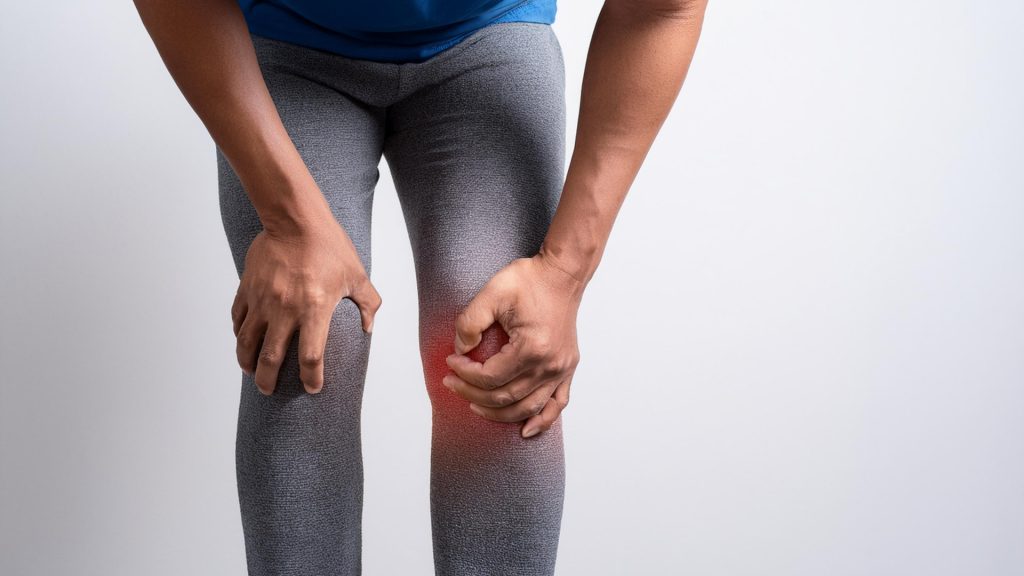
:膝を痛そうに押さえる男性

遺伝子は、スポーツによる怪我のリスクにも影響を与えます。特定の遺伝子変異があると、靭帯損傷や疲労骨折のリスクが高まることが報告されています。

1. COL1A1・COL5A1遺伝子と靭帯の強度

COL1A1およびCOL5A1遺伝子は、コラーゲンの生成に関与し、靭帯や腱の強度を決定します。

  • COL1A1 TT型・COL5A1 CC型:靭帯が強く、怪我のリスクが低い。
  • COL1A1 GG型・COL5A1 TT型:靭帯が弱く、前十字靭帯(ACL)損傷やアキレス腱断裂のリスクが高い。

靭帯が弱いタイプの人は、ウォーミングアップやストレッチを入念に行うことが推奨されます。また、関節の安定性を高めるトレーニングを取り入れることで、怪我の予防が可能です。

2. GDF5遺伝子と関節の柔軟性

**GDF5(成長分化因子5)**遺伝子は、関節や靭帯の発達に関与します。

  • TT型:関節が柔軟で、ヨガや体操競技に向いている。
  • CC型:関節が硬く、捻挫や骨折のリスクが高い。

GDF5のCC型を持つ人は、関節の可動域を広げるストレッチを習慣化することで、怪我のリスクを軽減できます。


遺伝子と食事・栄養戦略

遺伝子型によって、栄養の吸収効率や代謝能力が異なることが明らかになっています。スポーツ選手にとって、遺伝子に基づいた栄養戦略を立てることは、パフォーマンス向上に直結します。

1. FTO遺伝子と脂肪蓄積

**FTO(脂肪質量関連遺伝子)**は、体脂肪の蓄積に関与する遺伝子であり、エネルギー消費効率に影響を与えます。

  • AA型:脂肪が蓄積しやすく、高タンパク低脂肪の食事が推奨される。
  • TT型:代謝が良く、炭水化物の摂取量を増やしても太りにくい。

FTOのAA型の選手は、炭水化物の摂取をコントロールしつつ、高タンパク質の食事を心がけると良いでしょう。

2. CYP1A2遺伝子とカフェイン感受性

CYP1A2遺伝子は、カフェインの代謝に関与し、カフェインの影響を受けやすいかどうかを決定します。

  • AA型(高速代謝型):カフェイン摂取によるパフォーマンス向上効果が得られやすい。
  • CC型(低速代謝型):カフェインを摂取すると心拍数が上がりすぎる可能性がある。

カフェインの影響を受けやすい人は、試合前の摂取量に注意が必要です。

3. LCT遺伝子と乳糖不耐症

LCT(ラクターゼ)遺伝子は、乳糖の消化能力に関与します。

  • CC型(乳糖不耐症のリスクが高い):乳製品を摂取すると消化不良を起こしやすい。
  • TT型(乳糖を消化しやすい):乳製品を問題なく摂取できる。

乳糖不耐症の人は、乳製品の代わりに植物性のタンパク質(大豆、アーモンドミルクなど)を選ぶと良いでしょう。


遺伝子検査の発展と未来の可能性

視覚的表現で事業の成長を分析する

遺伝子研究は進化を続けており、今後さらに個別化トレーニングや栄養戦略が発展していくと考えられます。

1. 遺伝子×マイクロバイオームの研究

腸内細菌(マイクロバイオーム)と遺伝子の相互作用を研究することで、より精密な栄養戦略が可能になります。

2. 遺伝子×AIの解析

AI技術を用いることで、大規模な遺伝子データを分析し、個人に最適なトレーニングプログラムや食事指導を提供できるようになるでしょう。

3. 遺伝子治療とスポーツ

未来には、特定の遺伝子を編集して運動能力を向上させる「遺伝子治療」の研究も進むかもしれません。しかし、倫理的な課題が多いため、慎重な議論が求められます。


遺伝子とメンタルパフォーマンスの関係

スポーツでは身体能力だけでなく、メンタルの強さも重要な要素です。近年、遺伝子がメンタル面にも影響を与えることが明らかになってきています。特定の遺伝子型を持つ人は、ストレス耐性が高かったり、プレッシャーに強かったりすることが研究で示されています。

1. COMT遺伝子とストレス耐性

COMT(カテコール-O-メチルトランスフェラーゼ) 遺伝子は、ドーパミンの分解に関与し、ストレスや集中力に影響を与えます。

  • Val/Val型:ドーパミンの分解が早く、ストレス耐性が高い。競技中でも冷静に判断できる。
  • Met/Met型:ドーパミンの分解が遅く、高い集中力を発揮できるが、ストレスに弱い傾向がある。
  • Val/Met型:バランス型で、適度なストレス耐性と集中力を持つ。

メンタルが弱いと感じる場合、トレーニングと並行してメンタルケアや認知行動療法を取り入れることで、心理的な強さを補うことができます。

2. BDNF遺伝子と学習能力

BDNF(脳由来神経栄養因子) は、神経細胞の成長や可塑性(適応能力)を促進し、新しい技術を習得する能力に関与します。

  • Val/Val型:記憶力が良く、新しいスキルを素早く習得できる。
  • Met/Met型:学習速度はやや遅いが、一度覚えたことを長く保持できる。

スポーツの技術向上を目指す場合、自分の学習スタイルに合わせたトレーニング方法を採用することが重要です。

3. DRD4遺伝子とリスク管理

DRD4(ドーパミン受容体D4) 遺伝子は、リスクを取る傾向や冒険心に関与します。

  • 7R+型(リスク志向型):挑戦的な行動を好み、新しい戦略を試す傾向がある。格闘技やモータースポーツに向いている。
  • 7R-型(安定志向型):慎重に計画を立てる傾向があり、戦略的なスポーツ(ゴルフやチェス)に適している。

自分の遺伝的な特性を理解することで、どのように試合や競技に臨むべきかを考える手がかりになります。


遺伝子とトレーニング効果の個人差

ゴムチューブで筋トレをする男性

同じトレーニングをしていても、人によって効果が異なるのはなぜでしょうか?その答えの一部は遺伝子にあります。筋力向上や持久力向上に関与する遺伝子を理解することで、効率的なトレーニング計画を立てることが可能になります。

1. MSTN遺伝子と筋肉の成長

MSTN(ミオスタチン) 遺伝子は、筋肉の成長を抑制するタンパク質をコードしています。この遺伝子の変異があると、筋肥大が起こりやすくなります。

  • 機能低下型:筋肉が発達しやすく、ボディビルやパワーリフティング向き。
  • 通常型:一般的な筋力発達パターン。

MSTN遺伝子の機能低下型を持つ人は、比較的短期間で筋力を向上させることができます。

2. PPARA遺伝子と持久力

PPARA(ペルオキシソーム増殖因子活性化受容体アルファ) は、脂肪代謝に関与し、持久力の向上に影響を与えます。

  • G型:持久系能力が高く、マラソンやトライアスロン向き。
  • C型:瞬発系能力が高く、短距離走や筋力スポーツ向き。

持久力が伸び悩んでいる場合、PPARA遺伝子型に合わせたトレーニングを取り入れることで、より効果的なパフォーマンス向上が期待できます。


遺伝子検査を活用したパーソナライズド・スポーツ戦略

最新のスポーツ科学では、遺伝子情報を活用した個別最適化トレーニングや栄養戦略が進んでいます。遺伝子検査をどのように活用できるのか、実例を紹介します。

1. 個別最適化されたフィットネスプラン

遺伝子検査の結果を基に、個々の特性に最適なトレーニングプログラムを設計することが可能です。

  • 瞬発系の遺伝的特徴を持つ人(ACTN3 RR型):短距離ダッシュ、高重量トレーニング
  • 持久系の遺伝的特徴を持つ人(ACE I型):低強度・長時間の有酸素運動

自分の遺伝的な特性を知ることで、無駄なトレーニングを減らし、効果的な方法を選択することができます。

2. 遺伝子型に基づいた栄養プラン

  • FTO遺伝子による体脂肪管理
    体脂肪を蓄積しやすい遺伝型の人は、低炭水化物ダイエットが有効。
  • LCT遺伝子による乳製品の選択
    乳糖不耐症の遺伝型を持つ人は、乳製品の代替食品を選ぶことで消化不良を防ぐ。

遺伝子情報に基づいて食事を調整することで、健康管理がより効果的になります。


遺伝子検査の将来とスポーツ科学の進化

遺伝子

1. 遺伝子編集技術とスポーツの未来

CRISPR-Cas9 などの遺伝子編集技術が進化することで、将来的にスポーツ選手の遺伝子を「強化」することが可能になるかもしれません。しかし、これは倫理的な問題をはらんでおり、スポーツの公平性を損なう可能性があるため、慎重な議論が求められます。

2. AIによる遺伝子データの解析

人工知能(AI)を活用することで、大量の遺伝子データを解析し、個別に最適化されたトレーニングや栄養計画を提供することが可能になります。AIと遺伝子データの組み合わせにより、より精密なスポーツ科学が実現するでしょう。

3. 遺伝子×環境の複合研究

遺伝子情報だけでなく、環境やトレーニング履歴との相互作用を分析する研究が進められています。これにより、選手ごとの「最適な環境条件」や「怪我のリスク管理方法」が明らかになると期待されています。


まとめ

スポーツ遺伝学の研究が進むにつれ、遺伝子検査を活用した個別最適化トレーニングや栄養管理が可能になってきました。ACTN3やACEなどの遺伝子が運動能力に影響を与える一方、IL-6やSOD2は回復力に関与し、COMTやBDNFはメンタルパフォーマンスにも影響を及ぼします。しかし、遺伝子はあくまで要因の一つであり、環境や努力がパフォーマンス向上に大きく寄与することを忘れてはなりません。科学的知見を活かしつつ、総合的な視点でスポーツに取り組むことが重要です。

詳しくは ヒロクリニック全国のクリニック一覧 をご覧ください。

Posted on 2024年 11月 13日

この記事の概要

スポーツ遺伝学は、遺伝子情報を活用して運動能力や身体特性を分析し、個人に最適なスポーツ選択やトレーニング方法を提案する分野です。遺伝子検査により筋力や持久力、柔軟性などの特性を把握するし、効率的なトレーニングや怪我のリスク軽減が可能です。ただし、環境軽減や生活習慣も考慮し、遺伝情報を総合的に活用することが重要です。


介绍

在体育界,基因对运动表现的影响程度多年来一直是研究的课题。近年来,基因检测技术的进步促使人们致力于分析个体运动员的遗传因素并确定适当的训练方法。

运动遗传学是研究与运动能力相关的基因以及它们如何影响运动表现的学科。特别是通过基因检测,可以获得“你适合耐力运动吗”、“你的爆发力强吗”、“你受伤的风险高吗?”等信息。

本文详细讲解了运动遗传学的基础知识、主要基因、基因检测的用途及其局限性和伦理问题。


运动能力与遗传的关系

遗传和环境影响

运动表现受遗传和环境因素的影响。双胞胎研究表明“大约50-70%的运动能力是由遗传决定的”,但环境和训练的影响也不容忽视。

例如,即使某人在遗传上具有很强的耐力,但如果没有接受适当的训练,他们也无法表现出高水平。另一方面,即使你有不利的遗传因素,只要你足够努力,也完全有可能成为一名优秀的运动员。

耐力和爆发力的区别

基因对耐力和爆发力的影响尤为明显。

  • 在耐力运动(马拉松、自行车等)中,
    基因上利用氧气效率更高且拥有大量慢肌纤维(I 型肌纤维)的人更具有优势。
  • 在爆发力型运动(短跑、举重等)中,
    快肌纤维(II 型肌纤维)较多的人,更容易发挥爆发力,被认为具有优势。

运动能力相关主要基因

先前的研究已经确定了几个与运动表现相关的关键基因。

ACTN3 基因(α-肌动蛋白 3)

已知 ACTN3 基因与快肌纤维(II 型肌纤维)有关,并影响爆发力。

  • RR型/RX型:爆发力强,适合短距离跑、举重。
  • XX类型:耐力优秀,适合马拉松、长跑比赛。

ACE 基因(血管紧张素转换酶)

ACE基因参与血管收缩和血压调节并与耐力有关。

  • I型(插入型):高耐力,适合马拉松和足球。
  • D型(缺乏型):爆发力极佳,适合短距离跑、力量型运动。

如何使用基因检测

通过基因检测,您可以了解自己的基因特征,选择最适合自己的训练方法。

1.个性化训练计划

根据您的基因测试结果,我们可以制定适合您个人肌肉特征的训练菜单。例如,具有 XX ACTN3 基因变体的人将受益于强调耐力而非爆发力训练的项目。

2. 伤害风险管理

一些基因还与肌腱和韧带的强度有关,为受伤风险提供了线索。例如,COL5A1 基因会影响韧带强度,据报道,具有某些突变的人发生扭伤和跟腱断裂的风险更高。

3. 优化营养和恢复

研究发现,基因上代谢咖啡因较慢的人不太可能感受到摄入咖啡因带来的提高运动表现的效果。此外,个体之间对维生素D的吸收效率存在遗传差异,因此容易缺乏维生素D的人需要有意识地补充。


基因检测的局限性

虽然基因检测有很多好处,但它也有一些局限性。

  1. 运动能力不仅仅由遗传决定
    ;环境因素、训练和心理素质也是重要因素。
  2. 运动能力并非由单一基因决定
    据信,与运动能力有关的基因多达几百种,因此,仅依据单一基因的影响来进行判断是危险的。
  3. 研究结果因人而异
    即使是具有相同基因型的人,也会根据其生活方式和训练方式而表现不同。

基因检测中的伦理问题

真剣にパソコンを見ている男性

随着基因检测变得越来越普及,一些伦理问题也随之出现。

  1. 基因歧视的风险
    公司和学校根据基因信息来雇用或选择人才在道德上是值得怀疑的。
  2. 心理压力的可能性
    :如果运动员认为自己不适合这项运动,他们的积极性可能会下降。
  3. 数据隐私
    基因信息是高度敏感的个人信息,需要严格管理以防止被不当使用。

使用基因测试进行培训的示例

近年来,职业运动员和运动科学专家一直在利用基因信息来实施个性化优化训练。这里我们将详细讲解利用基因测试的具体训练方法。

1. 优化短跑运动员的训练

短跑运动员需要很强的爆发力,因此快肌纤维(II 型肌纤维)的发展非常重要。具有 RR 或 RX ACTN3 基因的运动员更有可能拥有丰富的快肌纤维,并且可以通过专注于重量训练和增强式训练来发挥最佳表现。

  • 建议的培训
    • 挺举、抓举(奥运会举重)
    • 跳箱、投掷健身球
    • 高强度间歇训练(HIIT)

另一方面,如果你的ACTN3基因是XX,快肌纤维就很难发育,因此增加重量训练量,提高最大力量,并结合训练来激活神经系统是很重要的。

2. 优化耐力运动员的训练

在长跑和铁人三项等耐力项目中,提高氧气输送能力与表现直接相关。拥有 I 型 ACE 基因的运动员更有可能拥有适合提高耐力的遗传特征,并且可以通过集中训练来改善心肺功能。

  • 建议的培训
    • 低强度、长时间的有氧运动(LSD训练)
    • 高原训练(增加红细胞)
    • 间歇训练(提高乳酸阈值)

相反,拥有D型ACE基因的运动员非常适合提高肌肉力量,因此增加适度的力量训练可以帮助他们平衡耐力和力量。


基因检测揭示运动天赋和运动选择

ランニングする男性の足元

运动遗传学也被用作确定个人运动天赋的工具。多项研究已将某些基因与某些运动的天赋联系起来。

1. 短跑基因型

  • ACTN3(RR型/RX型):短跑、田径(100米、200米)、举重、美式足球
  • ACE(D型):需要爆发力的运动(足球、橄榄球、短跑自行车)

ACE(D型):需要爆发力的运动(足球、橄榄球、短跑自行车)

  • ACTN3(XX型):马拉松、铁人三项、长跑
  • ACE(I 型):耐力运动(自行车、游泳、越野滑雪)

3. 与肌肉力量和柔韧性有关的基因

  • COL5A1(韧带柔韧性):与瑜伽、体操和花样滑冰有关
  • PPARGC1A(线粒体发育):一般参与耐力运动

利用这些信息可以帮助您选择适合您基因的运动。


基因检测的社会和伦理问题

1. 基因信息滥用的风险

随着基因测试变得越来越普及,隐私问题越来越令人担忧。例如,公司或体育组织将基因检测作为雇用或选拔的标准在道德上是值得怀疑的。

  • 体育界的担忧
    • 根据基因型使用球员的风险
    • 被认为基因适应性较差的球员可能会被剥夺机会

目前,许多国家都有指导方针,规定基因信息不应成为歧视的依据。

2. 心理影响

了解基因测试的结果也可能对运动员的心理健康产生影响。例如,某人可能会失去信心,因为他们认为“因为我的 ACTN3 基因是 XX,所以我不适合短跑”。

因此,如何利用基因检测的结果非常重要。重要的是认识到遗传影响只是一个因素,结果可能因环境和努力而异。

3. 数据管理和隐私

基因信息是高度个人信息,需要严格管理。如果您选择接受测试,请务必选择一家信誉良好的机构并检查其数据处理政策。


基因检测的未来前景

运动遗传学的研究每天都在进步,预计未来准确性将进一步提高。

1. 基因编辑技术的进展

随着CRISPR-Cas9等基因编辑技术的发展,人们正在讨论未来可能可以通过操纵特定基因来提高运动成绩。但它涉及诸多伦理问题,在实际应用之前还需要进行仔细的讨论。

2.基于人工智能的基因分析

通过利用人工智能,可以结合遗传信息和训练数据进行高级分析。相信这将促进进一步开发个性化优化的培训计划。

3. 基因 x 环境研究

越来越多的研究正在分析不仅与基因而且与环境和生活方式的相互作用。例如,需要阐明不同的饮食和训练环境如何影响表现,即使是在具有相同基因型的运动员之间。


基因与康复的关系

在运动中,恢复与训练同样重要。关于基因对恢复速度的影响的研究也在进行中,研究发现某些基因型会影响疲劳恢复的速度。

1. IL-6基因与炎症反应

**IL-6(白细胞介素 6)**是一种参与炎症和免疫反应的细胞因子,影响运动后的恢复。

  • IL-6 GG 型:具有强烈的炎症反应,并且倾向于延长运动后的肌肉损伤。
  • IL-6 GC型/CC型: 快速抑制炎症,恢复能力强。

建议 IL-6 GG 患者在剧烈训练后充分休息。适当的营养和冰敷可以帮助加快恢复。

2. SOD2基因与抗氧化应激

SOD2(超氧化物歧化酶2)基因编码一种去除活性氧的酶。它在减少运动引起的氧化应激的影响方面发挥着作用。

  • AA型:抗氧化能力强,快速恢复疲劳。
  • VV型:易受到氧化应激,需要较长时间才能恢复。

患有VV SOD2型的运动员可以通过积极食用具有高抗氧化特性的食物(含维生素C和E的水果和蔬菜)来帮助恢复疲劳。

3. CLOCK 基因与睡眠质量

CLOCK基因是一种与昼夜节律(生物钟)有关的基因,与睡眠质量密切相关。

  • 遗传上是晨型(TT型):你擅长早睡早起,早晨训练最有效。
  • 遗传性夜行性(CC 型):您在晚上的表现往往更好,但很容易受到睡眠不足的影响。

对于运动员来说,考虑自己的遗传身体节律并设定适当的训练时间非常重要。


遗传学和运动损伤风险

:膝を痛そうに押さえる男性

遗传因素也会影响运动损伤的风险。据报道,某些基因突变会增加韧带损伤和应力性骨折的风险。

1. COL1A1 和 COL5A1 基因与韧带强度

COL1A1COL5A1基因参与胶原蛋白的产生,决定了韧带和肌腱的强度。

  • COL1A1 TT 型、COL5A1 CC 型:韧带强健,受伤风险低。
  • COL1A1 GG 型和 COL5A1 TT 型:韧带较弱意味着前交叉韧带 (ACL) 损伤和跟腱断裂的风险很高。

如果您的韧带较弱,建议您彻底热身并伸展。此外,结合训练来提高关节稳定性可以帮助预防受伤。

2. GDF5基因与关节灵活性

GDF5(生长分化因子5)基因参与关节和韧带的发育。

  • TT型:关节灵活,适合瑜伽、体操。
  • CC型:关节僵硬,扭伤和骨折的风险高。

GDF5 CC 类型的人可以通过养成伸展习惯来增加关节活动范围,从而降低受伤风险。


基因和饮食/营养策略

研究表明,营养吸收效率和代谢能力因基因型不同而不同。对于运动员来说,根据基因制定营养策略直接意味着提高运动表现。

1. FTO基因与脂肪堆积

**FTO(脂肪量相关基因)**是一种与体内脂肪堆积有关并影响能量消耗效率的基因。

  • AA 型:脂肪堆积较常见,因此建议采用高蛋白、低脂肪饮食。
  • TT型:新陈代谢良好,即使增加碳水化合物的摄入量,也不容易增加体重。

AA 型 FTO 运动员应以高蛋白饮食为目标,同时控制碳水化合物的摄入量。

2. CYP1A2遺伝子とカフェイン感受性

CYP1A2 基因参与咖啡因的代谢,并决定您对咖啡因影响的敏感程度。

  • AA 型(快速代谢者):更有可能感受到摄入咖啡因带来的提高体能的效果。
  • CC 型(慢代谢者):咖啡因可能会使您的心率过度增加。

对咖啡因敏感的人应该注意比赛前的咖啡因摄入量。

3. LCT基因与乳糖不耐症

LCT(乳糖酶)基因负责消化乳糖的能力。

  • CC型(乳糖不耐症高风险):食用乳制品时人们容易消化不良。
  • TT型(易消化乳糖):可以无问题地食用乳制品。

如果您有乳糖不耐症,请选择植物蛋白(如豆奶或杏仁奶)而不是乳制品。


基因检测的发展和未来的可能性

視覚的表現で事業の成長を分析する

随着基因研究的不断发展,未来可能会开发出更加个性化的训练和营养策略。

1. 基因 x 微生物组研究

研究肠道细菌(微生物组)和基因之间的相互作用可以制定更精确的营养策略。

2. 基因 x AI 分析

利用AI技术,可以分析大量的基因数据,为个人提供最佳的训练方案和饮食建议。

3. 基因治疗与体育运动

未来,“基因疗法”的研究可能会取得进展,即通过编辑特定基因来提高运动成绩。然而,还有很多伦理问题需要仔细讨论。


基因与心理表现之间的关系

在体育运动中,不仅身体能力,心理素质也是一个重要因素。近年来,基因也会影响心理健康,这一点已变得愈发明显。研究表明,具有某些基因类型的人对压力的耐受力更强,能够更好地应对压力。

1. COMT 基因与抗逆性

COMT(儿茶酚-O-甲基转移酶)基因参与多巴胺的分解并影响压力和注意力。

  • Val/Val型:多巴胺分解快,抗压力能力强。即使在比赛期间他也能够冷静地做出决定。
  • Met/Met 型:多巴胺分解较慢,因此注意力集中度较高,但容易受到压力的影响。
  • Val/Met类型:平衡型,具有中等的压力承受能力和注意力。

如果您感到心理脆弱,您可以通过在训练的同时结合心理护理和认知行为疗法来增强心理力量。

2. BDNF基因与学习能力

BDNF(脑源性神经营养因子)促进神经元生长和可塑性(适应能力)并参与学习新技能的能力。

  • Val/Val 类型:他们记忆力很好,可以快速学习新技能。
  • Met/Met 类型:他们的学习速度有点慢,但可以长时间保留所学到的知识。

当想要提高运动技能时,采用适合您的学习风格的训练方法非常重要。

3. DRD4基因与风险管理

DRD4(多巴胺受体 D4)基因与冒险精神有关。

  • 7R+(风险追求者):他们喜欢冒险并尝试新策略。适合武术和赛车运动。
  • 7R 型(安全导向):倾向于谨慎规划,适合战略性运动(高尔夫、国际象棋)。

了解你的基因特征可以为你提供如何参加游戏或比赛的线索。


训练效果的遗传和个体差异

ゴムチューブで筋トレをする男性

为什么同样的训练,不同的人会得到不同的结果?部分答案在于基因。了解提高肌肉力量和耐力的基因可以制定有效的训练计划。

1. MSTN 基因与肌肉生长

MSTN(肌生长抑制素)基因编码一种抑制肌肉生长的蛋白质。该基因的突变使得肌肉肥大更容易发生。

  • 功能低下型:肌肉容易发育,适合健身和举重。
  • 正常:肌肉力量发展的典型模式。

患有 MSTN 基因功能低下的人可以在相对较短的时间内提高肌肉力量。

2. PPARA基因与耐力

PPARA(过氧化物酶体增殖激活受体α)参与脂肪代谢并影响耐力表现。

  • G型:耐力较强,适合马拉松、铁人三项。
  • C型:爆发力强,适合短距离跑、力量型运动。

如果您的耐力难以提高,那么结合您的 PPARA 基因型进行定制训练可以帮助您更有效地提高表现。


利用基因检测制定个性化运动策略

体育科学的最新进展是利用遗传信息来个性化优化训练和营养策略。以下是基因检测应用的一些示例。

1.个性化健身计划

根据基因检测的结果,可以设计出最适合每个人特点的训练计划。

  • 具有爆发力基因特征的人(ACTN3 RR型):短距离冲刺、重量训练
  • 具有耐力遗传特征的人(ACE I型):低强度、长时间的有氧运动

了解你的基因可以帮助你减少不必要的训练并选择有效的方法。

2.基于基因型的营养计划

  • 通过 FTO 基因进行身体脂肪管理
    具有易于堆积体内脂肪的遗传模式的人可以从低碳水化合物饮食中受益。
  • 根据 LCT 基因选择乳制品
    患有遗传性乳糖不耐症的人可以通过选择乳制品替代品来避免消化不良。

根据您的基因信息制定饮食计划将使健康管理更加有效。


基因检测的未来和运动科学的发展

遺伝子

1. 基因编辑技术与体育的未来

随着CRISPR-Cas9等基因编辑技术的改进,未来或许能够“增强”运动员的基因。然而,这引发了道德问题,并可能破坏这项运动的公平性,因此需要仔细讨论。

2. 基于人工智能的基因数据分析

通过使用人工智能(AI),可以分析大量的基因数据并提供个性化优化的训练和营养计划。人工智能与基因数据的结合将使运动科学更加精准。

3. 基因x环境结合研究

目前正在进行的研究不仅分析遗传信息,还分析与环境和训练历史的相互作用。希望这能够揭示每位运动员的“最佳环境条件”和“管理伤病风险的方法”。


概括

随着运动遗传学研究的进展,通过基因检测来个性化优化训练和营养管理已成为可能。 ACTN3 和 ACE 等基因影响运动表现,而 IL-6 和 SOD2 与恢复力有关,COMT 和 BDNF 也会影响心理表现。然而,我们不应忘记,基因只是一个因素,环境和努力也对提高表现有很大帮助。运用科学知识的同时,以全面的视角来对待体育运动非常重要。

Posted on 2024年 11月 13日

この記事の概要

スポーツ遺伝学は、遺伝子情報を活用して運動能力や身体特性を分析し、個人に最適なスポーツ選択やトレーニング方法を提案する分野です。遺伝子検査により筋力や持久力、柔軟性などの特性を把握するし、効率的なトレーニングや怪我のリスク軽減が可能です。ただし、環境軽減や生活習慣も考慮し、遺伝情報を総合的に活用することが重要です。


Introduction

In the world of sports, the extent to which genetics influence performance has been a subject of research for many years. In recent years, advances in genetic testing technology have led to efforts to analyze the genetic factors of individual athletes and derive appropriate training methods.

Sports genetics is a field that identifies genes related to athletic ability and studies how they affect performance. In particular, genetic testing can provide information such as “whether someone is suited to endurance,” “whether they have good explosive power,” or “whether they are at high risk of injury.”

This article provides a detailed explanation of the basics of sports genetics, the main genes, how genetic testing can be used, and its limitations and ethical issues.


The relationship between athletic ability and genetics

Genetic and environmental influences

Athletic ability is influenced by both genetic and environmental factors. Twin studies have shown that “approximately 50-70% of athletic ability is determined by genetics,” but the influence of the environment and training cannot be ignored.

For example, even if someone is genetically predisposed to have high endurance, they will not be able to perform well without the right training. On the other hand, even if someone has a genetic disadvantage, they can still become a great athlete if they put in the effort.

The difference between endurance and explosiveness

The influence of genes is particularly evident with regard to endurance and explosive power.

  • In endurance sports (marathons, cycling, etc.)
    , people who are genetically more efficient at using oxygen and who have a lot of slow-twitch muscle fibers (type I muscle fibers) have an advantage.
  • In explosive sports (sprinting, weightlifting, etc.),
    people with a lot of fast-twitch muscle fibers (type II muscle fibers), which are more likely to exert explosive power, are considered to have an advantage.

Major genes related to athletic ability

Previous studies have identified several key genes associated with athletic performance.

ACTN3 gene (alpha actinin 3)

The ACTN3 gene is known to be involved in fast-twitch muscle fibers (type II muscle fibers) and to affect explosive power.

  • RR type/RX type : High explosive power, suitable for short distance running and weightlifting.
  • XX type : Excellent endurance, suitable for marathons and long-distance competitions.

ACE gene (angiotensin-converting enzyme)

The ACE gene is involved in vasoconstriction and blood pressure regulation and is associated with endurance.

  • Type I (insertion type) : High endurance, suitable for marathons and soccer.
  • Type D (deficiency type) : Excellent explosive power, suitable for short distance running and power sports.

How to use genetic testing

By utilizing genetic testing, you can learn about your genetic characteristics and choose the training method that best suits you.

1. Personalized training plans

Based on the results of the genetic test, a training menu can be created that is suited to the individual’s muscle characteristics. For example, if you have XX ACTN3 gene, it would be more effective to incorporate a program that emphasizes endurance rather than explosive training.

2. Injury risk management

Some genes are also related to the strength of tendons and ligaments, providing clues for predicting injury risk: for example, the COL5A1 gene influences ligament strength, and people with certain mutations have been shown to be at higher risk of sprains and Achilles tendon ruptures.

3. Optimize your nutrition and recovery

It is known that people who are genetically slow to metabolize caffeine are less likely to benefit from the performance-enhancing effects of caffeine intake. There are also genetic individual differences in the efficiency of vitamin D absorption, so people who are prone to vitamin D deficiency need to consciously take it.


Limitations of genetic testing

Although genetic testing has many benefits, it also has some limitations.

  1. Athletic ability is not determined solely by genetics
    environmental factors, training, and mental strength are also important factors.
  2. Athletic ability cannot be determined by a single gene
    It is believed that there are more than several hundred genes that are involved in athletic ability, so it is dangerous to make judgments based only on the influence of a single gene.
  3. Research results vary from person to person
    Even people with the same genotype will perform differently depending on their lifestyle and training methods.

Ethical issues in genetic testing

真剣にパソコンを見ている男性

As genetic testing becomes more widespread, several ethical issues have also been raised.

  1. Risk of genetic discrimination
    It is ethically questionable for companies and schools to hire or select people based on genetic information.
  2. Possibility of psychological stress
    If an athlete believes that they are not suited to this sport, their motivation may decrease.
  3. Data Privacy
    Genetic information is highly sensitive personal information and requires strict management to prevent it from being used inappropriately.

Examples of training using genetic testing

In recent years, professional athletes and sports science experts have been using genetic information to implement personalized optimization training. Here, we will explain in detail the specific training approach using genetic testing.

1. Optimizing training for sprinters

Sprinters need high explosive power, so the development of fast-twitch muscle fibers (type II muscle fibers) is important. Athletes with the RR or RX ACTN3 gene are more likely to have an abundance of fast-twitch muscle fibers, and can maximize their performance by focusing on weight training and plyometrics (training that involves explosive movements).

  • Suggested training :
    • Clean and Jerk, Snatch (Olympic Lifting)
    • Box jumps, medicine ball throws
    • High-Intensity Interval Training (HIIT)

On the other hand, if your ACTN3 gene is XX, it is difficult for fast-twitch muscle fibers to develop, so it is important to increase the amount of weight training you do to improve your maximum muscle strength and incorporate training to activate your nervous system.

2. Optimizing training for endurance athletes

In endurance sports such as long-distance running and triathlons, improving oxygen transport capacity is directly linked to performance. Athletes with type I ACE gene are more likely to have genetic characteristics suited to improving endurance, so it would be effective to focus on training to improve cardiopulmonary function.

  • Suggested training :
    • Low-intensity, long-term aerobic exercise (LSD training)
    • High altitude training (to increase red blood cells)
    • Interval training (improving lactate threshold)

Conversely, athletes with the D type of the ACE gene are well suited to improving muscle strength, so adding moderate strength training can help them balance endurance and power.


Genetic testing reveals sports aptitude and sport selection

ランニングする男性の足元

Sports genetics is also being used as a tool to determine an individual’s athletic aptitude, and several studies have shown that certain genes are associated with aptitude for certain sports.

1. Genotypes for sprinting

  • ACTN3 (RR type/RX type) : Sprinting, track and field (100m, 200m), weightlifting, American football
  • ACE (D type) : Sports that require explosive power (soccer, rugby, sprint cycling)

2. Genotypes suitable for endurance sports

  • ACTN3 (XX type) : Marathon, triathlon, long distance running
  • ACE (Type I) : Endurance sports (cycling, swimming, cross-country skiing)

3. Genes involved in muscle strength and flexibility

  • COL5A1 (ligament flexibility) : Related to yoga, gymnastics, and figure skating
  • PPARGC1A (mitochondrial development) : Involved in endurance sports in general

Using this information can help you choose a sport that is genetically suited to you.


Social and ethical issues of genetic testing

1. Risk of misuse of genetic information

As genetic testing becomes more widespread, privacy issues are becoming a concern. For example, there are ethical concerns about companies and sports organizations using genetic testing as a criterion for hiring and selection.

  • Concerns in the sports world
    • The risks of using players based on their genotype
    • Potential for players deemed to have poor genetic suitability to be denied opportunities

Currently, many countries have guidelines stating that genetic information should not be used as a basis for discrimination.

2. Psychological effects

Knowing the results of a genetic test may affect the mental state of an athlete. For example, an athlete may lose confidence by believing that “because my ACTN3 gene is XX, I’m not suited to sprinting.”

Therefore, it is important to know how to utilize the results of genetic testing. It is important to understand that the influence of genes is only one factor, and that results can change depending on the environment and efforts.

3. Data Management and Privacy

Genetic information is highly personal data and requires strict management. If you are going to undergo testing, it is important to choose a trustworthy institution and check their data handling policy.


The future outlook for genetic testing

Research into sports genetics is progressing every day, and further improvements in accuracy are expected in the future.

1. Advances in gene editing technology

With the development of gene editing technologies such as CRISPR-Cas9, it is possible that in the future it may be possible to improve athletic performance by manipulating specific genes. However, there are many ethical issues, and careful discussion is required before this can be put into practical use.

2. AI-based genetic analysis

The use of AI will enable advanced analysis that combines genetic information and training data, which is expected to lead to further development of individually optimized training programs.

3. Gene x environment research

There is an increasing number of studies analyzing interactions between genes, environment, and lifestyle. For example, there is a need to clarify the effects of different diets and training environments on performance, even for athletes with the same genotype.


The relationship between genes and recovery

In sports, recovery is just as important as training. Research is also progressing on the effect of genes on recovery speed, and it has been found that the speed of fatigue recovery varies depending on certain genotypes.

1. IL-6 gene and inflammatory response

“IL-6 (Interleukin 6)” is a cytokine involved in inflammation and immune response and affects post-exercise recovery.

  • IL-6 GG type : Has a strong inflammatory response and tends to prolong muscle damage after exercise.
  • IL-6 GC type/CC type : Quickly suppresses inflammation and has high recovery ability.

People with IL-6 GG are advised to get plenty of rest after strenuous training, and proper nutrition and icing can promote recovery.

2. SOD2 gene and oxidative stress resistance

The “SOD2 (superoxide dismutase 2)” gene encodes an enzyme that removes reactive oxygen species. It plays a role in reducing the effects of exercise-induced oxidative stress.

  • Type AA : High antioxidant capacity and quick recovery from fatigue.
  • VV type : Vulnerable to oxidative stress and takes a long time to recover.

Athletes with type VV SOD2 can help recover from fatigue by actively consuming foods with high antioxidant properties (fruits and vegetables containing vitamins C and E).

3. CLOCK gene and sleep quality

The CLOCK gene is a gene involved in circadian rhythm (body clock) and is closely related to sleep quality.

  • Genetically morning type (TT type) : You are good at going to bed early and getting up early, and morning training is most effective.
  • Genetically nocturnal (CC type) : You tend to perform better at night, but are easily affected by lack of sleep.

For athletes, it is important to take into account their genetic body rhythms and set appropriate training times.


Genetics and the risk of sports injuries

:膝を痛そうに押さえる男性

Genetics also influences the risk of sports injuries, with certain gene mutations associated with an increased risk of ligament injuries and stress fractures.

1. COL1A1 and COL5A1 genes and ligament strength

The COL1A1 and COL5A1 genes are involved in collagen production, which determines the strength of ligaments and tendons.

  • COL1A1 TT type, COL5A1 CC type : Strong ligaments, low risk of injury.
  • COL1A1 GG type and COL5A1 TT type : Weak ligaments mean a high risk of anterior cruciate ligament (ACL) injury and Achilles tendon rupture.

People with weak ligaments are advised to warm up and stretch thoroughly, and incorporating training to improve joint stability can help prevent injury.

2. GDF5 gene and joint flexibility

The GDF5 (growth differentiation factor 5) gene is involved in the development of joints and ligaments.

  • TT type : Flexible joints, suitable for yoga and gymnastics.
  • CC type : Stiff joints and high risk of sprains and fractures.

People with GDF5 CC type can reduce the risk of injury by making stretching a habit to increase the range of motion of their joints.


Genes and diet/nutritional strategies

It is clear that nutrient absorption efficiency and metabolic ability differ depending on genotype. For athletes, creating a nutritional strategy based on genes directly leads to improved performance.

1. FTO gene and fat accumulation

“FTO (fat mass associated gene)” is a gene involved in the accumulation of body fat and affects the efficiency of energy consumption.

  • Type AA : Fat accumulation is common, so a high-protein, low-fat diet is recommended.
  • TT type : Good metabolism, less likely to gain weight even if carbohydrate intake is increased.

AA type FTO athletes should aim for a high protein diet while controlling their carbohydrate intake.

2. CYP1A2 gene and caffeine sensitivity

The CYP1A2 gene is involved in the metabolism of caffeine and determines how sensitive you are to the effects of caffeine.

  • Type AA (rapid metabolizer) : More likely to experience the performance-enhancing effects of caffeine intake.
  • Type AA (rapid metabolizer) : More likely to experience the performance-enhancing effects of caffeine intake.

People who are sensitive to the effects of caffeine should be careful about the amount they consume before a match.

3. LCT gene and lactose intolerance

The LCT (lactase) gene is responsible for the ability to digest lactose.

  • Type CC (high risk of lactose intolerance) : People are prone to indigestion when consuming dairy products.
  • TT type (easy to digest lactose) : Can consume dairy products without problems.

If you are lactose intolerant, choose plant-based proteins (such as soy or almond milk) instead of dairy products.


Developments in genetic testing and future possibilities

視覚的表現で事業の成長を分析する

As genetic research continues to evolve, it is likely that more personalized training and nutrition strategies will be developed in the future.

1. Gene x Microbiome Research

Studying the interactions between gut bacteria (microbiome) and genes can enable more precise nutritional strategies。

2. Gene x AI analysis

Using AI technology, it will be possible to analyze large amounts of genetic data and provide optimal training programs and dietary advice to individuals。

3. Gene therapy and sports

In the future, research into “gene therapy” that improves athletic performance by editing specific genes may progress, but careful discussion is required due to the many ethical issues involved。


The relationship between genes and mental performance

In sports, not only physical ability but also mental strength is an important factor. In recent years, it has become clear that genes also affect mental aspects. Research has shown that people with certain genetic types have high stress tolerance and are resistant to pressure.

1. COMT gene and stress resistance

The COMT (catechol-O-methyltransferase) gene is involved in the breakdown of dopamine and affects stress and concentration.

  • Val/Val type : Dopamine is broken down quickly and stress resistance is high. They can make calm decisions even during competitions.
  • Met/Met type : Dopamine is broken down slowly, allowing for high concentration, but they tend to be vulnerable to stress.
  • Val/Met type : Balanced type with moderate stress tolerance and concentration.

If you feel mentally weak, you can build up your psychological strength by incorporating mental care and cognitive behavioral therapy in parallel with your training.

2. BDNF gene and learning ability

BDNF (Brain-Derived Neurotrophic Factor) promotes neuronal growth and plasticity (ability to adapt) and is involved in the ability to learn new skills.

  • Val/Val type : They have a good memory and can learn new skills quickly.
  • Met/Met type : They have a somewhat slow learning speed, but can retain what they have learned for a long time.

When looking to improve your sports skills, it’s important to adopt a training method that suits your learning style.

3. DRD4 gene and risk management

The DRD4 (dopamine receptor D4) gene is involved in risk-taking and adventurousness.

  • 7R+ (Risk Seeker): They like to take on new challenges and try new strategies. They are good at martial arts and motor sports.
  • 7R- type (Security-oriented): Tends to be careful with planning and is suited to strategic sports (golf, chess).

Understanding your genetic characteristics can give you clues about how you should approach a game or competition.


Genetics and individual differences in training effects

ゴムチューブで筋トレをする男性

Why do different people get different results from the same training? Part of the answer lies in genes. Understanding the genes involved in strength and endurance development can help you create an efficient training plan.

1. MSTN gene and muscle growth

The MSTN (myostatin) gene codes for a protein that inhibits muscle growth, and mutations in this gene predispose people to muscle hypertrophy.

  • Hypofunctional type: Muscles are easily developed, making it suitable for bodybuilding and powerlifting.
  • Normal: A typical pattern of muscle strength development.

People with a hypofunctional form of the MSTN gene can improve their muscle strength in a relatively short period of time.

2. PPARA Gene and Endurance

PPARA (peroxisome proliferator-activated receptor alpha) is involved in fat metabolism and influences endurance performance.

  • Type G: High endurance ability, suitable for marathons and triathlons.
  • Type C: High explosive ability, suitable for short distance running and strength sports.

If your endurance is struggling to improve, incorporating training tailored to your PPARA genotype can help improve your performance more effectively.


Personalized sports strategies using genetic testing

In the latest sports science, genetic information is being used to develop individualized training and nutrition strategies. We will introduce some examples of how genetic testing can be used.

1. Personalized fitness plan

Based on the results of genetic testing, it is possible to design a training program that is optimal for each individual’s characteristics.

  • People with explosive genetic traits (ACTN3 RR type): short distance sprints, heavy weight training
  • People with endurance genetic characteristics (ACE type I): Low-intensity, long-term aerobic exercise

Knowing your genetics can help you reduce unnecessary training and choose effective methods.

2. Genotype-Based Nutrition Plan

  • Body fat management through the FTO gene
    People with a genetic pattern that makes them prone to accumulating body fat can benefit from a low-carb diet.
  • Dairy Selection Based on LCT Gene
    People with a genetic form of lactose intolerance can avoid digestive upset by choosing dairy alternatives.

Tailoring your diet based on your genetic information will make health management more effective.


The future of genetic testing and the evolution of sports science

遺伝子

1. Gene editing technology and the future of sports

As gene editing technologies such as CRISPR-Cas9 advance, it may be possible to “enhance” the genes of athletes in the future. However, this is fraught with ethical issues and could undermine the fairness of sports, so careful discussion is required.

2. AI-based analysis of genetic data

Artificial intelligence (AI) can be used to analyze large amounts of genetic data and provide individually optimized training and nutrition plans. The combination of AI and genetic data will lead to more precise sports science.

3. Gene x environment combined research

Research is currently being conducted to analyze interactions between genetic information, the environment, and training history. This will hopefully reveal the optimal environmental conditions and injury risk management methods for each athlete.


Summary

As research into sports genetics progresses, it has become possible to utilize genetic testing to optimize individual training and nutritional management. While genes such as ACTN3 and ACE affect athletic performance, IL-6 and SOD2 are involved in recovery, and COMT and BDNF also affect mental performance. However, genes are only one factor, and we must not forget that environment and effort also contribute greatly to improving performance. It is important to approach sports from a comprehensive perspective while making use of scientific knowledge.