
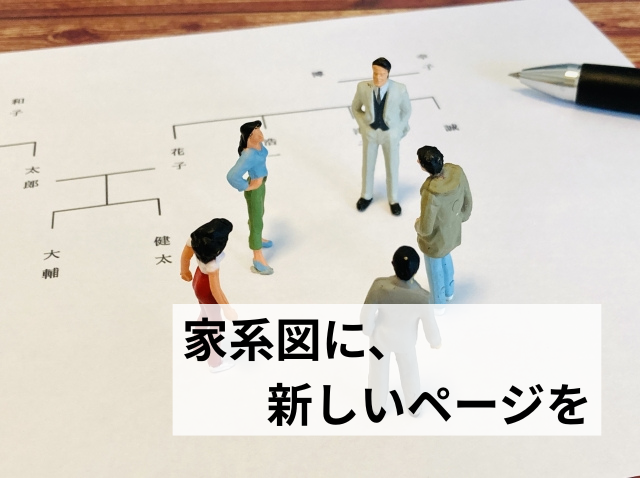
遺伝子検査で見つかる家族の意外なつながり

Posted on 2024年 11月 13日

この記事の概要

遺伝子検査は、個人の健康リスクや体質を把握し、病気予防や生活改善に役立つ重要なツールです。ヒロクリニックでは、専門的なサポートを通じて、正確で信頼性の高い遺伝子検査を提供します。


1. はじめに

遺伝子検査技術の進化により、個人の健康リスクや祖先のルーツを知ることが容易になりました。しかし、遺伝子検査を通じて判明するのは、健康に関する情報だけではありません。知らなかった家族のつながりが浮かび上がることも少なくなく、予期せぬ発見が家族の歴史を一変させることがあります。

親子関係の再確認、兄弟姉妹の発見、遠い親戚とのつながりの判明など、DNA解析を通じて見つかる家族の意外なつながりについて、本記事では詳しく解説します。


2. 遺伝子検査と家族関係の発見

2-1. 遺伝子検査で親子関係が明らかになるケース

親子関係の確認は、遺伝子検査の中でも最も多く利用される用途の一つです。

具体的な事例

  • 養子が生物学的な親を発見:生まれてから養子に出された人が、自分のルーツを探るためにDNA検査を行い、生物学的な親を特定したケース。
  • 親子関係の予期せぬ発覚:家族内で疑念が生じ、DNA検査を実施した結果、父親と思われていた人物が実際には生物学的な親ではなかったことが判明。
  • 医療目的で行われたDNA検査で親子関係が発覚:骨髄移植や臓器提供の適合性を調べる過程で、親子関係が疑われるケースが発生することもある。

関連研究
親子関係のDNA解析とその社会的影響


2-2. 兄弟姉妹との意外な発見

兄弟姉妹の関係は、家族の歴史に大きな影響を与えることがあります。

発見されるケース

  • DNA検査で異母兄弟・異父兄弟の存在が判明:両親の過去の関係が明らかになり、家族の認識が変わることがある。
  • 双子の分離:出生直後に別々の家庭で育てられた双子が、DNA検査によって再会するケースも存在する。
  • 里子や養子の背景が判明:過去に別の家庭で育った兄弟姉妹の存在がDNA検査を通じて発覚。

関連研究
兄弟姉妹の遺伝的類似性に関する研究


2-3. 祖先解析で遠い親戚とのつながりが判明

祖先解析のためのDNA検査は、家族のルーツを探るための有効な手段ですが、意外な親戚を発見することもあります。

発見されるケース

  • 家系図にない親戚の存在:家族の記録にはなかった遠縁の親族が、遺伝子検査を通じて発見されることがある。
  • 異なる民族的背景が判明:自身のルーツを調べた結果、予想していなかった民族の血統が含まれていることが判明する。
  • 王族や歴史上の有名人との関係が明らかに:祖先解析の結果、自分の家系が歴史的に著名な人物とつながっていることが発覚することもある。

関連研究
祖先解析と民族的ルーツの遺伝的特性


3. 遺伝子検査がもたらす家族関係の変化

頭を抱える女性

3-1. 予期せぬ結果がもたらす心理的影響

DNA検査の結果が家族の歴史を一変させることもあります。

主な心理的影響

  • アイデンティティの混乱:自身の血統に関する思い込みが崩れ、家族関係を再評価する必要が生じる。
  • 驚きとショック:期待していなかった家族の存在が発覚し、戸惑いを感じることがある。
  • 家族の関係性の変化:新たに見つかった親族との関係を築く過程で、既存の家族関係にも影響が出る可能性がある。

対策として有効な方法
結果を受け止める時間を確保する
家族とオープンに話し合う機会を設ける
必要に応じて遺伝カウンセリングを利用する

関連研究
遺伝子検査がもたらす心理的影響に関する調査


3-2. 家族との関係をどのように築くべきか

新たに発見された家族との関係を築くかどうかは、個人の判断によります。

考慮すべき点
相手が関係を望んでいるか確認する
新しい家族との距離感を慎重に調整する
家族全員の気持ちを尊重しながら、慎重に行動する


3-3. DNAデータのプライバシーと倫理的問題

遺伝子データは非常に個人的な情報であり、その取り扱いには慎重さが求められます。

注意点
データがどのように保管されるか確認する
第三者提供の可否を事前に確認する
DNA検査会社のプライバシーポリシーをしっかり読む

関連研究
遺伝子データのプライバシー保護に関するガイドライン


4. 参考文献


5. DNA鑑定と歴史的・社会的背景

DNA鑑定が普及するにつれて、個人だけでなく、歴史的な視点や社会的なつながりにも影響を与える事例が増えています


5-1. 歴史的な系譜研究とDNAの活用

歴史上の系譜研究において、DNA解析が大きな役割を果たしています。

DNA鑑定による歴史的発見の例

  • ヨーロッパ王族の血統確認:イギリスのリチャード3世の遺骨はDNA鑑定により特定された。
  • バイキングの遺伝的影響:スカンジナビアからの移住者がヨーロッパ各地に与えた遺伝的影響が明らかになっている。
  • ネアンデルタール人の遺伝的痕跡:現代人のDNAの一部にはネアンデルタール人の遺伝子が含まれており、人類の進化における交雑が確認されている。

関連研究
リチャード3世のDNA解析
バイキングの遺伝子解析


5-2. 民族間の遺伝的つながりの発見

遺伝子解析を通じて、これまで知られていなかった民族間のつながりが明らかになるケースが増えています。

発見される主な事例

  • ヨーロッパとアジアの古代交流:ユーラシア大陸をまたぐ遺伝的混合が確認されている。
  • アフリカとカリブ地域のつながり:大西洋奴隷貿易による遺伝的影響が明らかになっている。
  • 南米先住民の移動経路の特定:アマゾン地域の遺伝子解析により、古代の移住ルートが特定された。

関連研究
古代ユーラシアの遺伝的混合
アフリカとカリブ地域の遺伝的影響


5-3. 人類の移動とDNAの関係

DNA解析は、人類の移動の歴史を解明する重要な手段となっています。

主な発見

  • 最初の人類がアフリカから移動した経路の特定
  • オーストラリア先住民の遺伝的ルーツの確認
  • 北米先住民の祖先がシベリアに由来することの証明

関連研究
アフリカからの人類移動の遺伝的証拠


6. DNA鑑定の倫理的課題と法的問題

六法全書の前で手を組む女性弁護士

DNA鑑定の進化には、多くの倫理的・法的課題が伴います。


6-1. プライバシー問題と遺伝情報の取り扱い

DNAデータは個人の最もセンシティブな情報の一つであり、その取り扱いには慎重さが求められます

主なリスク

  • 個人の遺伝情報が企業や政府に流出する可能性
  • DNAデータを利用した差別の可能性(保険や雇用の不利益)
  • 犯罪捜査におけるDNAデータの使用と誤認逮捕のリスク

関連研究
DNAプライバシー問題と倫理的課題


6-2. DNA鑑定と法律の整備

各国ではDNA鑑定の利用を規制する法律が制定されています。

主な法規制

法規制内容
アメリカGINA法(遺伝情報差別禁止法)遺伝情報を理由とした雇用・保険の差別を禁止
EUGDPR(一般データ保護規則)DNAデータの厳格な管理と個人情報保護を義務化
日本個人情報保護法DNAデータの適切な取り扱いに関するガイドラインを策定

関連研究
遺伝情報の法的保護に関する研究


7. DNA鑑定と将来の技術革新

未来の医療

DNA解析技術は急速に進化しており、今後さらに新しい可能性が広がると予測されています


7-1. 超高速DNA解析技術の進化

次世代のDNA解析技術により、数分で遺伝情報を取得できる時代が到来しつつあります

主な技術革新
ナノポアシーケンシングによるリアルタイムDNA解析
AIを活用したゲノムデータの自動解析
個人向けウェアラブルデバイスとの統合

関連研究
超高速DNA解析技術の進化


7-2. 遺伝子編集技術とDNA解析の融合

CRISPR技術の進化により、DNA解析と遺伝子編集が組み合わさることで、新たな医療の可能性が広がっています

遺伝性疾患の予防・治療
がん治療のターゲット療法
個別化医療の発展

関連研究
CRISPR技術とDNA解析の未来


7-3. 遺伝子情報を活用したスマートヘルスケア

DNAデータを活用したスマートヘルスケアの研究が進んでおり、個別化医療が日常的に利用される未来が近づいています

個人の遺伝情報に基づく栄養指導
遺伝的リスクに応じた運動プログラムの提案
リアルタイム健康管理アプリとの連携

関連研究
遺伝子情報とデジタルヘルスの融合


8. DNA鑑定がもたらす社会的・文化的影響

DNA鑑定は個人や家族のレベルを超えて、社会全体の価値観や文化にも大きな影響を及ぼしています


8-1. 国際結婚とDNA検査の役割

国際結婚が増加する中で、DNA検査がさまざまな形で利用されています。

主な活用例

  • 婚前検査:遺伝病のリスクを確認するために、結婚前にDNA検査を実施するカップルが増えている。
  • 親子関係の確認:国際結婚による子供の国籍取得の際、親子関係を証明するためにDNA鑑定が求められることがある。
  • 文化的背景の確認:DNA検査を利用して、自分のルーツを知りたいと考える国際結婚カップルが増えている。

課題と懸念
遺伝的な相性を理由に結婚を判断する倫理的問題
国によってDNA検査の法的要件が異なるため、慎重な対応が必要

関連研究
国際結婚とDNA検査の影響


8-2. 移民政策とDNA検査の利用

DNA検査は移民申請や国籍取得の手続きでも重要な役割を果たしています。

主な利用ケース

  • 家族再統合プログラム:難民や移民が家族を呼び寄せる際、親子関係を証明するためにDNA検査が求められる。
  • 偽装結婚の防止:移民審査において、DNA検査が利用されることがある。
  • 国籍取得の証拠:出生証明書がない場合、DNA検査を補助的な証拠として利用する国もある。

課題と懸念
DNA検査を義務化することの人権問題
移民申請者に過度な負担を課す可能性

関連研究
移民政策とDNA鑑定


8-3. 遺伝情報と雇用市場の変化

近年、企業が従業員の健康管理や能力開発のためにDNA検査を導入する動きも見られます。

DNA検査を活用する企業の例
遺伝的な病気リスクを考慮した健康プランの提供
仕事の適性診断(ストレス耐性や集中力に関わる遺伝子の解析)
スポーツチームでのDNA検査を活用したトレーニングプログラムの開発

懸念点
遺伝子による職業差別の可能性
従業員のプライバシー侵害リスク

関連研究
遺伝情報と雇用市場の倫理問題


9. DNA鑑定の未来と技術革新

DNA解析技術の進歩は、今後さらに多くの分野で応用されると予測されています。


9-1. AIとDNA解析の統合

人工知能(AI)を活用することで、DNA解析の精度とスピードが飛躍的に向上しています。

主な活用例
がんの遺伝的リスクをAIが解析し、早期診断を支援
遺伝子型に応じた最適な食事や運動プランの提供
個別化医療における最適な治療法の予測

関連研究
AIとゲノム解析の融合


9-2. 遺伝子編集技術とDNA鑑定の連携

CRISPR技術の発展により、DNA解析の結果をもとに遺伝子を編集することが可能になりつつあります。

遺伝性疾患の治療(病気の原因となる遺伝子変異を修正)
遺伝的な体質改善(運動能力や代謝機能の最適化)
生殖医療における遺伝子選択(出生前診断と組み合わせた応用)

懸念点
遺伝子操作が倫理的に許される範囲の線引きが必要
遺伝子編集による「デザイナーベビー」の誕生に対する懸念

関連研究
遺伝子編集技術の最新動向


9-3. パーソナライズドヘルスケアとDNA情報の活用

個人の遺伝子情報を活用した健康管理が進化し、スマートデバイスとの連携が進んでいます。

DNA情報をもとにした栄養指導アプリの開発
遺伝子型に応じたフィットネスプランの最適化
スマートウォッチと連携したリアルタイム健康モニタリング

関連研究
DNA情報とデジタルヘルスケアの統合


10. DNAデータの安全管理とプライバシー保護

評判の医者

DNAデータの活用が進む中で、個人情報の保護がより重要になっています。


10-1. DNAデータの保存と管理のリスク

主なリスク
✔ データ漏洩によるプライバシー侵害
✔ DNAデータの不正利用(保険や雇用の不利益)
✔ 政府機関によるDNA情報の過剰な監視

対策
✔ データを匿名化し、個人情報と紐付けない仕組みを導入
✔ 厳格なプライバシーポリシーを持つ企業を選ぶ
✔ 個人がDNAデータの利用を管理できる仕組みを整備する

関連研究
遺伝情報のセキュリティと倫理


11. DNA鑑定と法的問題:倫理と社会の間で

DNA鑑定技術が発展するにつれ、その法的・倫理的な問題も浮き彫りになっています。


11-1. DNA鑑定と親子関係の法的トラブル

DNA鑑定が親子関係を証明する重要な手段として活用される一方で、法律と社会的規範の間でトラブルが発生するケースが増えています

主な法的問題

  • 認知問題:DNA鑑定により父親でないことが判明した場合、養育費の支払い義務がどうなるかという法的議論がある。
  • 親権の争い:親子関係が覆された場合、親権の取り扱いが変更される可能性がある。
  • 国際法との整合性:国によってDNA鑑定の法的効力が異なるため、国際結婚や移民のケースでは混乱が生じることがある。

関連研究
DNA鑑定と家族法の変化


11-2. DNAデータの商業利用と倫理問題

多くの遺伝子検査企業がDNAデータを商業的に利用する可能性があるため、個人情報保護の観点からの法規制が必要とされています

DNAデータの商業利用の例
製薬企業との提携:遺伝情報を基にした新薬開発に貢献。
健康保険のリスク評価:生命保険会社がDNAデータを活用する可能性。
マーケティングのターゲティング:個人の体質に基づく商品提案が増加。

懸念点
消費者が自身のデータの用途を完全に把握できていない可能性
保険加入や雇用時の不利益を受けるリスク

関連研究
DNAデータの商業利用に関する倫理的課題


12. DNA解析技術の限界と課題
研究室 女性

DNA解析技術は進化しているものの、まだ解決されていない問題や技術的限界も存在します


12-1. DNA解析の精度の限界

DNA解析における技術的な課題

  • 偽陽性・偽陰性のリスク:解析精度が向上しているものの、誤判定の可能性はゼロではない。
  • サンプルの品質:採取方法によっては結果が不正確になる可能性がある。
  • 遺伝的多様性の影響:既存のデータベースが特定の人種に偏っているため、正確な結果が得られないことがある。

関連研究
DNA解析の精度と誤判定リスク


12-2. 遺伝子情報の多義性と解釈の問題

DNA検査で得られる情報は、必ずしも単純明快なものではありません

解釈の難しさ
ある遺伝子変異が必ずしも病気を引き起こすとは限らない
環境要因との相互作用が未解明な部分が多い
複数の遺伝子の組み合わせによる影響が複雑である

関連研究
遺伝子情報の解釈における課題


13. DNA鑑定と犯罪捜査:技術と倫理の狭間で

探偵イメージ_AS00005

DNA鑑定は犯罪捜査において極めて有用なツールですが、その利用には倫理的な問題も伴います


13-1. 過去の未解決事件とDNAデータベース

近年、DNAデータベースを活用した未解決事件の捜査が進められています。

成功例
ゴールデン・ステート・キラー事件の解決:遺伝子データベースを用いて数十年前の犯人を特定。
性犯罪者データベースの構築:再犯防止のため、DNA情報を活用。

課題と懸念
無関係な親族が捜査対象となる可能性
DNAのみを証拠として有罪とすることのリスク

関連研究
犯罪捜査とDNAデータの倫理問題


13-2. 冤罪とDNA証拠の限界

DNA鑑定が誤認逮捕を引き起こすケースも報告されています。

DNA証拠が冤罪を生む可能性

  • DNAの二次移動:犯罪現場に無関係なDNAが残る可能性。
  • データベースの誤登録:記録ミスにより無関係の人が容疑者になる可能性。
  • 捜査当局のバイアス:DNA証拠に過度に依存し、他の証拠を軽視するリスク。

関連研究
DNA証拠の誤用と冤罪問題


14. 遺伝子情報の未来:どこへ向かうのか?

デジタルと未来のイメージ

DNA解析技術の発展により、今後さらに多くの分野で活用が進むと考えられています


14-1. 個別化医療の進化

がんの遺伝子治療の最適化
遺伝子情報を活用した疾患リスク管理
パーソナライズド栄養学の発展

関連研究
ゲノム医療の未来


14-2. 遺伝子情報とデジタルヘルスの統合

スマートウォッチとの連携
AIによる遺伝子データ解析
デジタルツイン(仮想人体モデル)との統合

関連研究
デジタルヘルスと遺伝子データの活用


14-3. 遺伝情報と人類の未来

遺伝子編集技術と社会の倫理的課題
遺伝的適応と新たな進化の可能性
未来のヒトゲノムマッピング計画

関連研究
遺伝子編集と倫理の未来


15. DNA鑑定が未来の社会にもたらす変化

サイエンスとハート

DNA鑑定技術が進化し、より多くの人が遺伝情報を利用する時代が到来すると、社会のあらゆる側面に影響を与える可能性があります。


15-1. 遺伝子データとパーソナライズドマーケティング

遺伝情報を基にした化粧品・サプリメントの開発
DNA解析による個別化された健康管理プランの提案
食品業界での「遺伝子型に応じた食事プラン」の普及

例えば、一部の企業では遺伝子検査の結果に基づいて、最適なスキンケア製品や栄養補助食品を提案するサービスを開始しており、DNAマーケティングの新時代が訪れています。

関連研究
遺伝情報を活用したパーソナライズドマーケティング


15-2. 遺伝子情報と金融・保険業界の関係

生命保険のリスク評価の精度向上
遺伝的疾患リスクに応じた保険商品の開発
遺伝子データを基にした金融商品の提供

現在、一部の保険会社では個人の遺伝子データを参考にして、特定の疾患リスクが高い人には保険料を引き上げることを検討しており、今後の法的議論が求められています。

関連研究
遺伝子情報と保険業界の倫理的問題


15-3. 遺伝子データを活用した教育とキャリア形成

遺伝子による学習能力の特性分析
適性診断としての遺伝子検査の導入
DNA解析による才能発掘と教育プログラムの最適化

最近の研究では、特定の遺伝子が学習能力や記憶力に影響を与えることが明らかになっており、将来的には遺伝子検査を活用した個別学習プログラムが普及する可能性があります。

関連研究
遺伝子と学習能力の関係


16. 遺伝子技術の倫理的境界と規制の重要性

DNA技術が進化するにつれ、倫理的な問題や規制の必要性も強く求められるようになっています


16-1. 遺伝子データの売買とそのリスク

違法なDNAデータ売買の危険性
個人の遺伝子情報がマーケットで取引されるリスク
データ漏洩によるプライバシー侵害の可能性

遺伝情報が価値を持つ時代になると、違法に収集・販売されるケースも出てくる可能性があり、これを防ぐための法整備が必要になります。

関連研究
DNAデータ取引のリスクと規制


16-2. 遺伝子編集とデザイナーベビーの問題

遺伝子編集技術が「優れた遺伝子」を求める社会を生み出す危険性
社会的な格差が遺伝子レベルで固定化するリスク
遺伝子編集の倫理的ガイドラインの策定が急務

一部の研究者は、遺伝子編集が普及すると「デザイナーベビー(親が望む形で遺伝子を操作された子供)」が生まれる可能性があると警告しており、倫理的な規制が求められています。

関連研究
遺伝子編集の未来と倫理的問題


16-3. 遺伝子情報を利用した政府の監視システム

政府がDNAデータを大量収集する可能性
遺伝子データを活用した社会信用スコアの導入リスク
DNAデータを利用した国民管理システムの誕生

中国ではすでに国民のDNA情報を政府が収集する動きが進んでおり、遺伝子データを活用した監視社会の懸念が浮上しています。

関連研究
DNAデータと監視社会のリスク


まとめ

DNA鑑定技術の進化により、家族のつながりの発見、健康管理、犯罪捜査、個別化医療など、さまざまな分野での活用が広がっています。一方で、遺伝子データのプライバシー保護、倫理的問題、法的課題など、社会的な懸念も増しています。

今後、DNA技術がさらに発展することで、個人の生活や社会全体に与える影響はより大きくなると予測されるため、適切な法規制や倫理的なガイドラインを整備しながら、安全に活用していくことが求められます。

Posted on 2024年 11月 13日

この記事の概要

遺伝子検査は、個人の健康リスクや体質を把握し、病気予防や生活改善に役立つ重要なツールです。ヒロクリニックでは、専門的なサポートを通じて、正確で信頼性の高い遺伝子検査を提供します。


1. 简介

基因检测技术的进步使得了解个人健康风险和祖先根源变得更加容易。但基因检测揭示的不仅仅是健康信息。未知的家庭关系常常会被揭露,意外的发现可能会彻底改变您的家族历史。

本文将详细介绍通过 DNA 分析可以发现的令人惊讶的家庭关系,例如重申亲子关系、发现兄弟姐妹以及揭示与远亲的联系。


2. 基因检测和家族发现

2-1。通过基因检测明确亲子关系的情况

确定亲子关系是基因检测最常见的用途之一。

具体示例

  • 被收养的孩子找到亲生父母:出生时被收养的人接受 DNA 测试以发现其根源并确定其亲生父母。
  • 意外发现亲子关系:家庭内部产生了怀疑,DNA 测试显示,被认为是父亲的男子实际上并不是亲生父母。
  • 通过医疗目的的 DNA 测试揭示的亲子关系:在检查骨髓移植或器官捐赠的兼容性时,可能会出现亲子关系变得可疑的情况。

相关研究:亲子DNA分析及其社会影响


2-2。与兄弟姐妹的意外发现

兄弟姐妹关系会对家族历史产生重大影响。

发现病例

  • DNA 测试可以揭示同父异母兄弟姐妹的存在:揭示你父母过去的关系可以改变你对家庭的看法。
  • 双胞胎分离:在某些情况下,出生后立即分离的双胞胎通过 DNA 测试重新团聚。
  • 揭露寄养和收养儿童的背景:DNA 测试可以揭示过去在不同家庭长大的兄弟姐妹的存在。

相关研究:兄弟姐妹间基因相似性研究


2-3。祖先分析揭示与远亲的联系

DNA 祖先测试是追溯家族根源的好方法,但它也可以帮助您发现您可能意想不到的亲戚。

发现病例

  • 您的家谱中未列出的亲属:通过基因检测可能会发现您的家庭记录中未列出的远亲。
  • 发现不同的民族背景:在研究了你的根源之后,你发现它们包括你从未预料到的民族血统。
  • 揭示与皇室和著名历史人物的联系:祖先分析可以揭示您的家族与杰出的历史人物有联系。

相关研究: 族裔血统分析和遗传特征


3. 基因检测带来的家庭关系变化

頭を抱える女性

3-1。意外结果的心理影响

DNA 测试结果可能会永远改变您的家族历史。

主要心理影响

  • 身份混乱:关于一个人的血统的假设被打乱,家庭关系可能需要重新评估。
  • 惊讶和震惊:当您发现意想不到的家庭成员的存在时,您可能会感到困惑。
  • 家庭关系的变化:与新发现的亲戚建立关系的过程可能会影响现有的家庭关系。

有效对策
留出时间接受结果
提供与家庭公开讨论的机会
必要时进行遗传咨询

相关研究:基因检测对心理影响的调查


3-2。如何与家人建立关系

是否决定与新家庭建立关系是一个个人决定。

需要考虑的要点
确保对方希望建立关系
小心调整与新家庭的距离
谨慎行事,尊重所有家庭成员的感受


3-3。 DNA数据隐私和伦理问题

基因数据是高度个人信息,必须谨慎处理。

重点
检查数据的存储方式。
事先确认是否允许第三方提供信息。
仔细阅读 DNA 检测公司的隐私政策。

相关研究: 基因数据隐私保护指南


4. 参考文献


5. DNA 检测与历史和社会背景

随着DNA检测变得越来越普遍,越来越多的案例表明它不仅影响个人,还影响历史观点和社会联系


5-1。历史系谱研究和 DNA 的使用

DNA分析在历史系谱研究中发挥着重要作用。

通过 DNA 检测取得历史性发现的例子

  • 确认欧洲皇室血统:英国国王理查三世的遗体已通过 DNA 检测得到确认。
  • 维京人的遗传影响:斯堪的纳维亚移民对整个欧洲的遗传影响正变得清晰起来。
  • 尼安德特人的遗传痕迹:现代人类的部分DNA中含有尼安德特人的基因,证实了人类进化过程中的杂交。

相关研究:理查三世的 DNA 分析维京人的基因分析


5-2。发现种族间的遗传联系

基因分析正日益揭示出不同种族之间先前未知的联系。

发现重大案件

  • 欧洲和亚洲之间的古代交流:整个欧亚大陆的基因混合已得到证实。
  • 非洲-加勒比海的联系:揭示大西洋奴隶贸易的基因影响。
  • 确定南美洲土著人的迁徙路线:对亚马逊地区的基因分析确定了古老的迁徙路线。

相关研究:古代欧亚大陆的基因混合,来自非洲和加勒比地区的基因影响


5-3。人类迁徙与DNA的关系

DNA分析已经成为阐明人类迁徙历史的重要工具。

主要发现

  • 确定第一批人类走出非洲的路线
  • 查明澳大利亚原住民的基因根源
  • 美洲原住民起源于西伯利亚的证据

相关研究

人类走出非洲的遗传证据


6. DNA 检测中的伦理和法律问题

六法全書の前で手を組む女性弁護士

DNA检测的发展带来了许多伦理和法律挑战。


6-1。隐私问题和遗传信息的处理

DNA数据是个人掌握的最敏感的信息之一,必须小心处理

主要风险

  • 个人基因信息可能泄露给公司和政府
  • 基于 DNA 数据的潜在歧视(保险和就业劣势)
  • DNA 数据在刑事调查中的应用以及错误逮捕的风险

相关研究:DNA隐私问题和伦理挑战


6-2。 DNA 检测和法律安排

每个国家都颁布了法律来规范 DNA 检测的使用。

主要法律法规

国家法律法规内容
美国GINA(遗传信息反歧视法案)禁止基于基因信息的就业和保险歧视
欧盟GDPR(通用数据保护条例)需要严格管理 DNA 数据并保护个人信息
日本个人信息保护法已经制定了正确处理 DNA 数据的指南。

相关研究:遗传信息的法律保护


7. DNA 检测和未来的技术创新

未来の医療

DNA分析技术正在迅速发展,预测未来还会出现更多新的可能性


7-2。基因编辑技术与DNA分析的结合

CRISPR 技术的进步,结合 DNA 分析和基因编辑,正在开辟新医学的可能性

重大技术创新
通过纳米孔测序进行实时 DNA 分析。
利用人工智能自动分析基因组数据。
与个人可穿戴设备集成

相关研究:超高速DNA分析技术的演变


7-2. 遺伝子編集技術とDNA解析の融合

CRISPR 技术的进步,结合 DNA 分析和基因编辑,正在开辟新医学的可能性

遗传病的预防和治疗。
癌症靶向治疗。
个性化医疗的发展

相关研究:
CRISPR 技术和 DNA 分析的未来


7-3。利用基因信息的智能医疗

利用DNA数据的智能医疗研究正在不断进步,个性化医疗走进日常生活的未来即将到来

基于个人基因信息的营养指导。
根据遗传风险建议运动计划。
与实时健康管理应用程序连接

相关研究:
遗传信息与数字健康的整合


8. DNA 检测的社会和文化影响

DNA检测超越了个人和家庭的层面,对整个社会的价值观和文化产生重大影响


8-1。跨国婚姻和 DNA 检测的作用

随着跨国婚姻的增多,DNA检测的用途也越来越广泛。

主要用例

  • 婚前检测:越来越多的夫妇在结婚前进行 DNA 测试,以检查患上遗传病的风险。
  • 确认亲子关系:当国际婚姻所生的孩子寻求公民身份时,可能需要进行 DNA 测试来证明亲子关系。
  • 核实文化背景:越来越多的国际夫妇正在使用 DNA 测试来发现他们的根源。

问题和关切
根据基因兼容性决定婚姻的伦理问题。。
不同国家对 DNA 检测有不同的法律要求,需要谨慎处理

相关研究:移民政策和 DNA 检测


8-2。移民政策和 DNA 检测的使用

DNA 检测在移民和公民身份处理过程中也发挥着重要作用。

主要用例

  • 家庭团聚计划:当难民和移民将他们的家人聚集在一起时,需要进行 DNA 测试来证明亲子关系。
  • 防止虚假婚姻:DNA检测有时会用于移民程序中。
  • 公民身份证明:在没有出生证明的情况下,一些国家使用 DNA 检测作为支持证据。

问题和关切
强制 DNA 检测的人权问题。
可能给移民申请人带来过重负担。

相关研究:移民政策和 DNA 检测


8-3。遗传信息和就业市场的变化

近年来,企业引入DNA检测以管理员工的健康以及进行技能开发已成为一种趋势。

使用 DNA 检测的公司实例
提供考虑到遗传疾病风险的医疗计划。
工作能力诊断(分析与压力耐受性和注意力有关的基因)
在运动队中利用 DNA 检测制定培训计划

关注点
基于基因的可能职业歧视。
员工隐私泄露的风险。

相关研究:
就业市场和基因信息的伦理问题


9. DNA 检测和技术创新的未来

预计未来DNA分析技术的进步将应用于更多的领域。


9-1. AI与DNA分析的融合

通过利用人工智能(AI),DNA分析的准确性和速度得到了显著提高。

主要使用实例
人工智能分析癌症遗传风险,为早期诊断提供支持
根据基因型提供最佳饮食和运动计划。
预测个性化医疗的最佳治疗方案。

相关研究:
人工智能与基因组分析的融合


9-2. 将基因编辑技术与DNA检测相结合

随着 CRISPR 技术的发展,根据 DNA 分析的结果编辑基因成为可能。

治疗遗传性疾病(纠正致病基因突变)
基因处置(优化运动和代谢功能)
生殖医学中的基因选择(结合产前诊断应用)。

关注点
需要划清伦理上允许基因操纵的范围。
对通过基因编辑制造 “设计婴儿 ”的担忧。

相关研究:基因编辑技术最新趋势


9-3. 个性化医疗和 DNA 信息的使用

利用个人基因信息的健康管理正在不断发展,并越来越多地与智能设备相结合。

开发基于 DNA 信息的营养指导应用程序。
根据基因型优化健身计划。
与智能手表相连的实时健康监测

相关研究:
DNA信息与数字医疗的整合


10. DNA数据安全与隐私保护

評判の医者

随着 DNA 数据的使用增加,保护个人信息变得越来越重要。


10-1. DNA 数据的保存和管理风险

主要风险:
✔ 数据泄露导致的隐私侵犯
✔ DNA 数据的未经授权使用(对保险或就业不利)
✔ 政府机构对 DNA 信息的过度监控

措施
✔ 实施数据匿名化系统,不将其与个人信息联系起来
✔ 选择具有严格隐私政策的公司
✔ 建立允许个人管理其 DNA 数据使用的系统

相关研究:基因信息的安全和伦理


11. DNA 检测与法律问题:伦理与社会之间

随着DNA检测技术的发展,法律和伦理问题也日渐凸显。


11-1. DNA 鉴定和亲子关系相关法律问题

DNA检测作为证明亲子关系的重要手段,但法律与社会规范发生冲突的案例日益增多

主要法律问题

  • 承认问题:如果 DNA 测试证明某人不是孩子的父亲,那么对于如何处理子女抚养费存在法律争议。
  • 监护权纠纷:如果亲子关系被颠覆,监护权安排可能会改变。
  • 与国际法的一致性:DNA检测的法律效力在不同国家有所不同,这可能会在国际婚姻和移民案件中造成混乱。

相关研究:DNA检测和家庭法的变化


11-2. DNA数据的商业化使用和伦理问题

由于许多基因检测公司可能将DNA数据用于商业用途,因此需要法律法规来保护个人信息

DNA 数据的商业用途实例:
与制药公司的合作:为基于遗传信息的新药物的开发做出贡献。
健康保险风险评估:人寿保险公司使用 DNA 数据的潜力。
营销定位:基于个人身体特征的产品推荐正在兴起。

关注点
消费者可能并不完全了解自己数据的用途。
投保或就业时处于不利地位的风险。

相关研究:DNA 数据商业使用的伦理问题


12. DNA 分析技术的局限性和挑战

研究室 女性

尽管DNA分析技术正在发展,但仍然存在未解决的问题和技术限制


12-1. DNA分析精度的局限性

DNA分析的技术挑战

  • 假阳性和假阴性的风险:虽然分析准确度有所提高,但假阳性的可能性并不是零。
  • 样本质量:收集方法可能导致不准确的结果。
  • 遗传多样性的影响:现有数据库可能对某些种族存在偏见,从而导致不准确的结果。

相关研究:
DNA 分析的准确性和假阳性风险


12-2. 遗传信息的模糊性和解释问题

DNA 检测提供的信息并不总是那么简单

难以解释:
基因突变不一定会导致疾病
与环境因素相互作用的许多方面仍不清楚
多个基因组合的影响很复杂

相关研究
解读遗传信息的挑战


13. DNA 鉴定与刑事调查:技术与伦理之间

探偵イメージ_AS00005

DNA 检测是刑事调查中极其有用的工具,但其使用也引发了道德问题


13-1. 过去未侦破案件和DNA数据库

近年来,DNA数据库已被用于调查悬案。

成功故事
侦破金州杀手案:利用基因数据库查明数十年前的杀手身份。
建立性犯罪者数据库:利用 DNA 信息预防累犯。

问题和关切
无关亲属成为调查对象的可能性
仅凭 DNA 作为证据定罪的风险

相关研究:刑事调查和 DNA 数据的伦理问题


13-2. 诬告与DNA证据的局限性

据报道,也有因 DNA 检测而导致错误逮捕的案例。

DNA 证据可能导致错误定罪

  • 二次 DNA 迁移:在犯罪现场留下无关 DNA 的可能性。
  • 数据库登记错误:记录错误可能导致无辜的人成为嫌疑人。
  • 执法偏见:过度依赖 DNA 证据而忽视其他证据的风险。

相关研究:DNA证据滥用与错误定罪


14. 遗传信息的未来:我们走向何方?

デジタルと未来のイメージ

随着DNA分析技术的进步,预计未来它将被应用于更多的领域


14-1. 个性化医疗的演变

优化癌症基因疗法
利用基因信息进行疾病风险管理
个性化营养的发展

相关研究:基因组医学的未来


14-2. 基因信息与数字健康的融合

与智能手表配合使用
基于人工智能的基因数据分析
与数字孪生(虚拟人体模型)集成

相关研究:
数字健康和基因数据的利用


14-3. 遗传信息与人类的未来

基因编辑技术与社会伦理问题。
基因适应和新的进化可能性。
未来人类基因组测绘计划。

相关研究:基因编辑和伦理的未来


15. DNA 检测未来将给社会带来的变化

サイエンスとハート

随着DNA检测技术的发展以及更多人可以获得基因信息的时代的到来,它有可能影响社会的各个方面。


15-1. 基因数据与个性化营销

根据基因信息开发化妆品和保健品。
基于 DNA 分析的个性化健康管理计划。
在食品行业推广 “基于基因型的膳食计划”。

例如,一些公司开始提供根据基因检测结果推荐最佳皮肤护理产品或营养补充剂的服务,开创了DNA营销的新时代

相关研究:利用基因信息的个性化营销


15-2. 基因信息与金融保险业的关系

提高人寿保险风险评估的准确性。
开发基于遗传疾病风险的保险产品。
提供基于基因数据的金融产品。

目前,一些保险公司正在考虑使用个人的基因数据来提高患某些疾病风险较高的人的保费,这一举措需要未来的法律讨论

相关研究:保险行业的基因信息和伦理问题


15-3. 利用基因数据进行教育和职业发展

学习能力特点的遗传分析。
引入基因测试作为能力测试。
通过 DNA 分析发现人才,优化教育计划。

最近的研究表明,某些基因会影响学习能力和记忆力,利用基因测试的个性化学习计划在未来可能会变得普及。

相关研究:基因与学习能力的关系


16. 基因技术的伦理界限和监管的重要性

随着 DNA 技术的发展,伦理问题和监管需求变得更加紧迫


16-1. 基因数据交易及其风险

非法贩卖 DNA 数据的危险。
个人基因信息在市场上交易的风险。
数据泄露导致隐私泄露的可能性。

在基因信息具有价值的时候,基因信息有可能被非法收集和出售,因此有必要采取法律措施来防止这种情况发生。

相关研究:DNA数据交易的风险与监管


16-2. 基因编辑和设计婴儿的问题

基因编辑技术造成一个要求 “优良基因 ”的社会的危险。
社会不平等在基因层面固定下来的风险。
目前迫切需要制定基因编辑的伦理准则。

一些研究人员警告称,大规模的基因编辑可能会导致“设计婴儿”的出现,即儿童的基因按照父母的意愿被改变,并呼吁进行道德监管。。

相关研究:
基因编辑的未来和伦理问题


16-3. 政府利用基因信息进行监测的系统

政府收集大量 DNA 数据的可能性。
利用基因数据引入社会信用评分的风险。
利用 DNA 数据建立国家管理系统。

在中国,政府已经开始收集公民的 DNA 信息,这引发了人们对基于基因数据进行监控的社会可能性的担忧。

相关研究:DNA 数据与监控社会的风险


概括

随着DNA检测技术的发展,其用途正在扩展到发现家庭关系、健康管理、刑事调查和个性化医疗等各个领域。与此同时,社会担忧也日益加剧,包括需要保护基因数据隐私、伦理问题和法律挑战。

随着DNA技术的不断发展,预计它将对个人生活和整个社会产生更大的影响。因此,有必要在建立适当的法律法规和道德准则的同时安全使用它。

Posted on 2024年 11月 13日

この記事の概要

遺伝子検査は、個人の健康リスクや体質を把握し、病気予防や生活改善に役立つ重要なツールです。ヒロクリニックでは、専門的なサポートを通じて、正確で信頼性の高い遺伝子検査を提供します。


1. Introduction

Advances in genetic testing technology have made it easier to learn about personal health risks and ancestral roots. However, genetic testing does not only reveal health information. It often uncovers unknown family connections, and unexpected discoveries can completely change your family history.

This article will take a detailed look at the surprising family connections that can be discovered through DNA analysis, such as reaffirming parent-child relationships, discovering siblings, and uncovering connections to distant relatives.


2. Genetic testing and family discovery

2-1. Cases where parent-child relationships are clarified through genetic testing

Determining parentage is one of the most common uses of genetic testing.

Specific examples

  • Adopted child discovers biological parents: A person who was adopted at birth took a DNA test to discover their roots and identified their biological parents.
  • Unexpected parentage discovery: Suspicions arise within the family, and a DNA test reveals that the man believed to be the father is not actually the biological parent.
  • Parent-child relationships revealed through DNA testing for medical purposes: When checking compatibility for bone marrow transplants or organ donations, cases may arise in which parent-child relationships become questionable.

Related research: DNA analysis of parentage and its social impact


2-2. Unexpected discoveries with siblings

Sibling relationships can have a big impact on family history.

Cases discovered

  • DNA testing can reveal the existence of half-siblings: Revealing your parents’ past relationship can change your perception of your family.
  • Separation of twins: In some cases, twins who were separated from one another immediately after birth have been reunited through DNA testing.
  • Revealing the background of foster and adopted children: DNA testing can reveal the existence of siblings who grew up in different homes in the past.

Related Research: Research on genetic similarity between siblings


2-3. Ancestry analysis reveals connections to distant relatives

DNA ancestry testing is a great way to trace your family roots, but it can also help you discover relatives you might not have expected.

Cases discovered

  • Relatives not listed in your family tree: Distant relatives not listed in your family records may be discovered through genetic testing.
  • Discover a Different Ethnic Background: After researching your roots, you discover that they include ethnic ancestry you never expected.
  • Reveal ties to royalty and famous historical figures: An ancestry analysis can reveal that your family is connected to prominent historical figures.

Related studies Ancestry analysis and genetic traits of ethnic origins


3. Changes in family relationships brought about by genetic testing

頭を抱える女性

3-1. The psychological impact of unexpected outcomes

DNA test results can change your family history forever.

Main psychological effects

  • Identity confusion: Assumptions about one’s lineage are disrupted, and family relationships may need to be reevaluated.
  • Surprise and shock: You may feel confused when you discover the existence of family members that you were not expecting.
  • Changes in family relationships: The process of building relationships with newly discovered relatives may affect existing family relationships.

Effective countermeasures
✔ Allow time to accept the results
✔ Provide opportunities for open discussions with families
✔ Use genetic counseling if necessary

Related research:
Survey on the psychological impact of genetic testing


3-2. How to build relationships with family members

Whether or not you decide to form a relationship with your newfound family is a personal decision.

Things to consider
Make sure the other person wants a relationship
Carefully manage the distance between you and the new family
Respect the feelings of all family members and proceed with caution


3-3. DNA data privacy and ethical issues

Genetic data is highly personal information and must be handled with care.

Points to note
Check how your data will be stored
Check in advance whether it will be provided to a third party
Carefully read the privacy policy of the DNA testing company.

Related Research Guidelines for Protecting the Privacy of Genetic Data


4. References


5. DNA testing and historical and social background

As DNA testing becomes more widespread, there are more and more cases where it affects not only individuals, but also historical perspectives and social connections.


5-1. Historical genealogy research and the use of DNA

DNA analysis plays a major role in historical genealogy research.

Examples of Historic Discoveries Made Through DNA Testing

  • Confirming the lineage of European royalty: The remains of England’s King Richard III have been identified through DNA testing.
  • Viking genetic influence: The genetic influence of Scandinavian migrants across Europe is becoming clear.
  • Genetic traces of Neanderthals: Some of the DNA of modern humans contains Neanderthal genes, confirming interbreeding during human evolution.

Related research: DNA analysis of Richard III Genetic analysis of Vikings


5-2. Discovery of genetic ties between ethnic groups

Genetic analysis is increasingly revealing previously unknown connections between ethnic groups.

Major cases discovered

  • Ancient exchange between Europe and Asia: Genetic mixing across the Eurasian continent has been confirmed.
  • Africa-Caribbean connections: Genetic influences of the Atlantic slave trade revealed.
  • Identifying migration routes of indigenous South Americans: Genetic analysis of the Amazon region has identified ancient migration routes.

Related research: Genetic admixture in ancient Eurasia, genetic influences from Africa and the Caribbean


5-3. The relationship between human migration and DNA

DNA analysis has become an important tool for elucidating the history of human migration .

Key findings

  • Identifying the route taken by the first humans out of Africa
  • Identifying the genetic roots of Indigenous Australians
  • Proof that Native Americans originated from Siberia

Related Research
Genetic evidence of human migration out of Africa


6. Ethical and legal issues in DNA testing

六法全書の前で手を組む女性弁護士

The evolution of DNA testing brings with it many ethical and legal challenges.


6-1. Privacy issues and handling of genetic information

DNA data is one of the most sensitive pieces of information an individual possesses and must be handled with care.

Main risks

  • Potential for personal genetic information to be leaked to companies and governments
  • Potential discrimination based on DNA data (insurance and employment disadvantages)
  • The use of DNA data in criminal investigations and the risk of false arrests

Related research: DNA privacy issues and ethical challenges


6-2. DNA testing and legal arrangements

Each country has enacted laws regulating the use of DNA testing.

Major laws and regulations

countryLaws and Regulations
Contents
AmericaGINA (Genetic Information Nondiscrimination Act)Prohibit employment and insurance discrimination based on genetic information
EUGDPR (General Data Protection Regulation)Strict management of DNA data and protection of personal information required
Japan

Personal Information Protection ActGuidelines for the proper handling of DNA data have been established.

Related research: Legal protection of genetic information


7. DNA testing and future technological innovations

未来の医療

DNA analysis technology is evolving rapidly, and it is predicted that even more new possibilities will emerge in the future.


7-1. Evolution of ultrafast DNA analysis technology

Next-generation DNA analysis technology is ushering in an era in which genetic information can be obtained within minutes .

Key technological innovations
Real-time DNA analysis using nanopore sequencing
Automated analysis of genomic data using AI
Integration with wearable devices for individuals

Related research: Evolution of ultrafast DNA analysis technology


7-2. Combination of gene editing technology and DNA analysis

Advances in CRISPR technology are opening up new medical possibilities through the combination of DNA analysis and gene editing.

Prevention and treatment of hereditary diseases
Targeted Therapy for Cancer Treatment
Development of personalized medicine

Related research:
CRISPR Technology and the Future of DNA Analysis


7-3. Smart healthcare using genetic information

Research into smart healthcare using DNA data is progressing, and a future in which personalized medicine is used on a daily basis is drawing near.

Nutritional guidance based on individual genetic information
Proposal of exercise programs according to genetic risk
Linkage with real-time health management apps

Related research:
Integration of genetic information and digital health


8. Social and Cultural Impact of DNA Testing

DNA testing goes beyond the level of individuals and families and has a major impact on the values ​​and culture of society as a whole.


8-1. International marriage and the role of DNA testing

With the rise in international marriages, DNA testing is being used in a variety of ways.

Main use cases

  • Premarital testing: More and more couples are taking DNA tests before getting married to check for their risk of genetic diseases.
  • Confirmation of parent-child relationship: When a child of an international marriage seeks citizenship, a DNA test may be required to prove the parent-child relationship.
  • Verifying cultural background: An increasing number of international couples are using DNA testing to discover their roots.

Challenges and Concerns
Ethical issues with deciding to marry based on genetic compatibility
Legal requirements for DNA testing vary from country to country, so care must be taken

Related research: International marriage and the impact of DNA testing


8-2. Immigration policy and the use of DNA testing

DNA testing also plays an important role in immigration and citizenship processes.

Main use cases

  • Family reunification programs: When refugees and immigrants bring their families together, DNA tests are required to prove parentage.
  • Preventing fraudulent marriages: DNA testing is sometimes used in immigration proceedings.
  • Proof of citizenship: In the absence of a birth certificate, some countries use DNA testing as supporting evidence.

Challenges and Concerns
Human rights issues with mandatory DNA testing
Potential for excessive burdens on immigration applicants

Related Research: Immigration Policy and DNA Testing


8-3. Genetic information and changes in the job market

In recent years, there has been a trend for companies to introduce DNA testing for employee health management and skill development purposes.

Examples of companies that use DNA testing
Providing health plans that take into account genetic disease risks
Job aptitude test (analysis of genes related to stress tolerance and concentration)
Development of training programs using DNA testing for sports teams

Concerns
Possibility of job discrimination based on genes
Risk of violating employee privacy

Related research:
Ethical issues in the employment market and genetic information


9. The Future of DNA Testing and Technological Innovation

Advances in DNA analysis technology are predicted to be applied to even more fields in the future.


9-1. Integration of AI and DNA analysis

By utilizing artificial intelligence (AI), the accuracy and speed of DNA analysis have improved dramatically.

Main use cases
AI analyzes genetic risk of cancer and supports early diagnosis
Providing optimal diet and exercise plans according to genotype
Predicting optimal treatment methods in personalized medicine

Related research:
Integration of AI and genome analysis


9-2. Linking gene editing technology with DNA testing

With the development of CRISPR technology, it is becoming possible to edit genes based on the results of DNA analysis.

Treatment of genetic diseases (correction of genetic mutations that cause disease)
Genetic improvement of physical constitution (optimization of athletic ability and metabolic function)
Gene selection in reproductive medicine (application in combination with prenatal diagnosis)

Concerns
It is necessary to draw the line at the ethical limits of genetic manipulation.
Concerns over the birth of “designer babies” through gene editing.

Related research: Latest trends in gene editing technology


9-3. Personalized healthcare and the use of DNA information

Health management using personal genetic information is evolving and is increasingly being integrated with smart devices.

Development of a nutritional guidance app based on DNA information
Optimization of fitness plans according to genotype
Real-time health monitoring linked to smart watches

Related research:
Integration of DNA information and digital healthcare


10. DNA data security and privacy protection

評判の医者

As the use of DNA data increases, protecting personal information is becoming more important.


10-1. Risks of storing and managing DNA data

Main risks:
✔ Privacy violation due to data leaks
✔ Unauthorized use of DNA data (disadvantages to insurance or employment) )
✔ Excessive monitoring of DNA information by government agencies

Measures
✔ Implement a system to anonymize data and not link it to personal information.
✔ Select companies with strict privacy policies.
✔ Establish a system that allows individuals to manage the use of their DNA data.

Related research: Security and ethics of genetic information


11. DNA testing and legal issues: between ethics and society

As DNA testing technology develops, legal and ethical issues are also becoming apparent.


11-1. Legal issues regarding DNA testing and parentage

While DNA testing is used as an important means of proving parent-child relationships, there are increasing cases of conflict between the law and social norms.

Main legal issues

  • Recognition issues: If a DNA test proves that a person is not the father, there are legal arguments as to what will happen to child support payments.
  • Custody disputes: If a parent-child relationship is overturned, custody arrangements may change.
  • Consistency with international law: The legal effect of DNA testing varies from country to country, which can cause confusion in cases of international marriages and immigration.

Related Research: DNA Testing and Changes in Family Law


11-2. Commercial use of DNA data and ethical issues

Because many genetic testing companies may commercially use DNA data, legal regulations are needed to protect personal information.

Examples of commercial use of DNA data
Partnerships with pharmaceutical companies: Contributing to new drug development based on genetic information。
Health insurance risk assessment: Life insurance companies may utilize DNA data
Marketing targeting : Product proposals based on individual physical characteristics are on the rise.

Concerns 
Consumers may not be fully aware of how their data is being used
Risk of being disadvantaged when applying for insurance or employment

Related research: Ethical issues surrounding the commercial use of DNA data


12. Limitations and challenges of DNA analysis technology

研究室 女性

Although DNA analysis technology is evolving, there are still unresolved issues and technical limitations.


12-1. Limitations of accuracy of DNA analysis

Technical challenges in DNA analysis

  • Risk of false positives and false negatives: Although analytical accuracy has improved, the possibility of false positives is not zero.
  • Sample quality: Collection methods can lead to inaccurate results.
  • Impact of genetic diversity: Existing databases may be biased towards certain races, resulting in inaccurate results.

Related research:
Accuracy of DNA analysis and risk of false positives


12-2. Ambiguity of genetic information and problems with interpretation

The information that DNA testing provides is not always straightforward .

Difficulty of Interpretation
Certain genetic mutations do not always cause disease.
Many unexplored interactions with environmental factors
The effects of multiple gene combinations are complex.

Related Research Challenges in Interpreting Genetic Information


13. DNA Identification and Criminal Investigation: Between Technology and Ethics

探偵イメージ_AS00005

DNA testing is an extremely useful tool in criminal investigations, but its use also raises ethical issues .


13-1. Past unsolved cases and DNA databases

In recent years, DNA databases have been used to investigate unsolved cases.

Success Stories
Solving the Golden State Killer Case: Using a Genetic Database to Identify a Decades-Old Perpetrator。
Establishment of a sex offender database: DNA information is used to prevent recidivism.

Challenges and concerns
Possibility of unrelated relatives being investigated
Risk of convicting someone on DNA alone

Related research: Ethical issues in criminal investigations and DNA data


13-2. False accusations and the limitations of DNA evidence

There have also been reported cases where DNA testing has led to false arrests.

DNA evidence could lead to wrongful convictions

  • Secondary DNA migration: The possibility of leaving extraneous DNA at a crime scene.
  • Misregistration in databases: Recording errors can lead to innocent people becoming suspects.
  • Law enforcement bias: the risk of over-reliance on DNA evidence and disregarding other evidence.

Related research: Misuse of DNA evidence and false accusations


14. The future of genetic information: where are we headed?

デジタルと未来のイメージ

As DNA analysis technology advances, it is expected that it will be used in even more fields in the future.


14-1. The evolution of personalized medicine

Optimization of cancer gene therapy
Disease risk management using genetic information
Development of personalized nutrition

Related research: The future of genomic medicine


14-2. Integration of genetic information and digital health

Linkage with smart watches
Analysis of genetic data using AI
Integration with digital twins (virtual human models)

Related research:
Digital health and utilization of genetic data


14-3. Genetic information and the future of humanity

Gene editing technology and ethical issues in society
Genetic adaptation and new evolutionary possibilities
Future human genome mapping projects

Related Research: The Future of Gene Editing and Ethics


15. Changes that DNA testing will bring to society in the future

サイエンスとハート

As DNA testing technology evolves and an era arrives in which more people have access to genetic information, it has the potential to impact every aspect of society.


15-1. Genetic data and personalized marketing

Development of cosmetics and supplements based on genetic information
Proposal of individualized health management plans based on DNA analysis
Popularization of “diet plans according to genotype” in the food industry

For example, some companies are beginning to offer services that suggest optimal skin care products or nutritional supplements based on the results of genetic testing, ushering in a new era of DNA marketing.

Related research: Personalized marketing using genetic information


15-2. Relationship between genetic information and the financial and insurance industries

Improving the accuracy of risk assessment for life insurance
Developing insurance products according to genetic disease risks
Providing financial products based on genetic data

Currently, some insurance companies are considering using an individual’s genetic data to raise premiums for people who are at higher risk of certain diseases, a move that calls for future legal discussions.

Related research: Genetic information and ethical issues in the insurance industry


15-3. Education and career development using genetic data

Analysis of learning ability characteristics by genes
Introduction of genetic testing as aptitude diagnosis 
Talent discovery and optimization of educational programs by DNA analysis

Recent research has shown that certain genes affect learning ability and memory, and it is possible that individual learning programs utilizing genetic testing will become widespread in the future .

Related research: Relationship between genes and learning ability


16. The importance of ethical boundaries and regulation of genetic technology

As DNA technology evolves, ethical issues and the need for regulation become more pressing .


16-1. Trading of genetic data and its risks

The danger of illegal DNA data trading
The risk of personal genetic information being traded on the market
The possibility of privacy being violated due to data leaks

In an age when genetic information has value, there is a possibility that it may be collected and sold illegally, and legal measures to prevent this will be necessary.

Related Research: Risks and Regulations of DNA Data Trading


16-2. Issues with gene editing and designer babies

The danger of gene editing technology creating a society that seeks “superior genes” 
The risk of social inequality becoming fixed at the genetic level
The formulation of ethical guidelines for gene editing is urgently needed

Some researchers have warned that widespread gene editing could lead to “designer babies” – children whose genes have been altered in ways desired by their parents – and have called for ethical regulation.

Related research:
The future of gene editing and ethical issues


16-3. Government surveillance system using genetic information

The possibility of governments collecting large amounts of DNA data
The risks of introducing a social credit score using genetic data
The birth of a national management system using DNA data

In China, the government is already moving to collect DNA information from its citizens , raising concerns about the potential for a surveillance society based on genetic data.

Related research: DNA data and the risks of a surveillance society


Summary

Advances in DNA testing technology are expanding its use in a variety of fields, including discovering family ties, health management, criminal investigation, and personalized medicine. At the same time, social concerns are also increasing, including the protection of privacy of genetic data, ethical issues, and legal challenges.

As DNA technology continues to develop, it is expected that it will have a greater impact on individual lives and society as a whole. Therefore, it will be necessary to use it safely while establishing appropriate legal regulations and ethical guidelines.