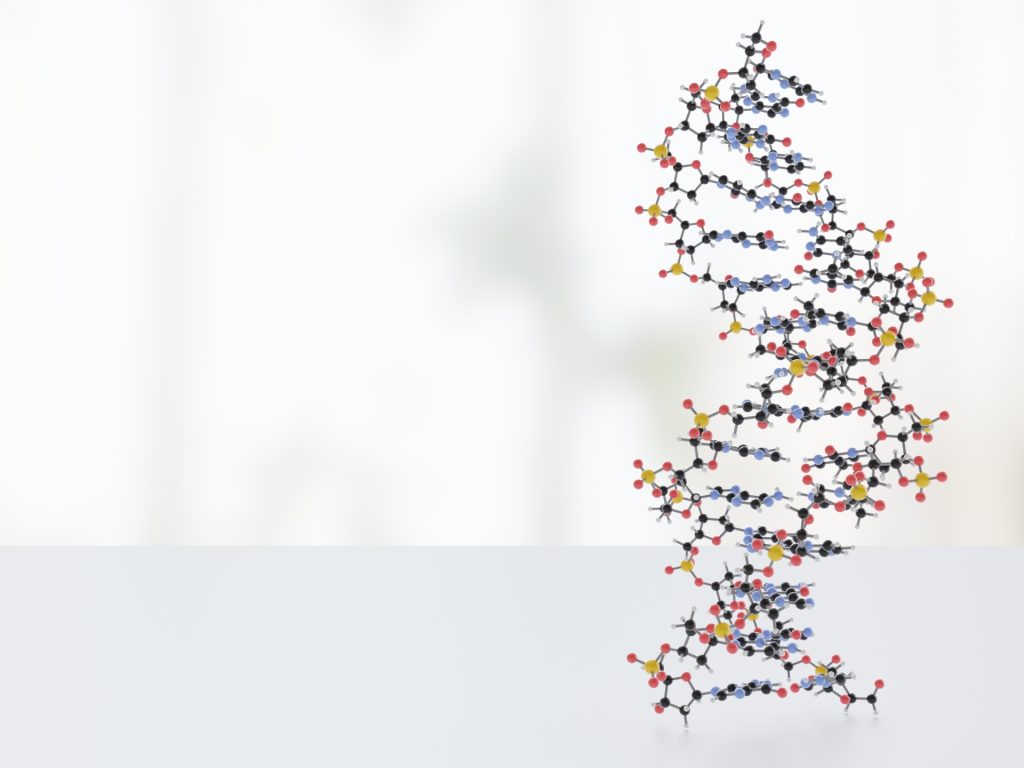

遺伝子検査で見る脳卒中リスクと予防策

Posted on 2024年 11月 15日

この記事の概要

遺伝子検査により、脳卒中リスクを把握して早期予防が可能です。ACEやAPOEなどの遺伝子の影響を分析し、生活習慣の改善や血圧管理、抗酸化ケアを行うことでリスクを低減。遺伝情報を活用し、個別化された健康対策を実現します。


はじめに

脳卒中は、日本における主要な死因の一つであり、要介護の原因ともなる深刻な疾患です。近年、遺伝子研究の進展により、個人の遺伝的背景が脳卒中のリスクに影響を与えることが明らかになってきました。本記事では、遺伝子検査を活用した脳卒中リスクの評価と、その予防策について詳しく解説します。


脳卒中とは

脳卒中は、脳の血管が詰まる「脳梗塞」、血管が破れる「脳出血」、および「くも膜下出血」の総称です。特に脳梗塞は、脳卒中全体の約60%を占め、手足の麻痺や言語障害など、さまざまな後遺症を引き起こす可能性があります。


遺伝子と脳卒中の関係

RNF213遺伝子と脳梗塞

日本人を対象とした研究により、RNF213遺伝子のp.R4810K多型(通称:本多型)が、アテローム血栓性脳梗塞のリスクを高めることが明らかになっています。この変異を持つ人は、持たない人に比べて脳梗塞の発症リスクが約3.58倍高く、特に女性でそのリスクが顕著です。

国立がん研究センター

ゲノム情報に基づくリスク予測

岩手医科大学の研究では、約35万7千の遺伝子座の情報を用いて、脳梗塞発症のリスクを予測する手法(iPGM)が開発されました。この手法により、遺伝的スコアが高い群は低い群に比べて、脳梗塞発症のリスクが2.4倍高いことが示されています。

厚生労働省


遺伝子検査の活用

遺伝子検査サービス「ジーンクエストALL」では、脳梗塞を含む350以上の健康リスクや体質の遺伝的傾向を調べることができます。この検査により、自身の遺伝的リスクを把握し、適切な予防策を講じることが可能です。

GeneQuest


予防策

生活習慣の見直し

遺伝的リスクが高い場合でも、生活習慣の改善により脳卒中の発症リスクを低減できます。具体的には、以下の点に注意が必要です。

  • 高血圧の管理:塩分摂取を控え、適度な運動を心がける。
  • 糖尿病の予防:バランスの良い食事と定期的な運動を行う。
  • 禁煙:喫煙は脳卒中のリスクを高めるため、禁煙を推奨。

定期的な健康診断

早期発見と適切な対策のために、定期的な健康診断を受けることが重要です。特に、家族歴や遺伝的リスクがある場合は、専門医による詳細な検査を検討してください。


遺伝子検査の活用

遺伝子検査サービス「ジーンクエストALL」では、脳梗塞を含む350以上の健康リスクや体質の遺伝的傾向を調べることができます。この検査では、RNF213遺伝子の変異の有無だけでなく、他の脳卒中に関係する遺伝子マーカーも解析可能です。個人の遺伝的リスクを把握することで、適切な予防策を講じることが可能になります。

また、「マイコード」や「ヘルスデータ・ラボ」などの遺伝子検査サービスも、脳卒中のリスク評価を提供しており、手軽に自宅で検査キットを使用して遺伝情報を解析できます。これらのサービスを利用することで、将来的なリスクを予測し、早期の対策を講じることができます。

遺伝的リスクを持つ人へのアドバイス

遺伝子検査によって脳卒中のリスクが高いことが分かった場合、以下のような生活習慣の改善が推奨されます。

  1. 食生活の見直し
    • 塩分の摂取を控え、血圧を管理する。
    • 野菜や果物、魚を多く含む地中海式食事を取り入れる。
    • 飽和脂肪酸の摂取を減らし、動脈硬化を防ぐ。
  2. 適度な運動
    • 有酸素運動(ウォーキング、ジョギングなど)を習慣化し、血流を改善する。
    • 筋力トレーニングを取り入れ、心血管機能を向上させる。
  3. 禁煙・節酒
    • 喫煙は動脈硬化を促進し、脳卒中リスクを大幅に高めるため、禁煙を徹底する。
    • 過度の飲酒は高血圧を引き起こすため、適量を守る。
  4. ストレス管理
    • 瞑想や深呼吸などのリラクゼーション法を取り入れる。
    • 睡眠を十分に確保し、自律神経のバランスを保つ。
  5. 定期的な健康診断
    • 血圧、血糖値、コレステロール値を定期的にチェックし、異常があれば早めに対処する。

脳卒中を予防する最新の研究

近年の研究により、遺伝的リスクが高くても、適切な生活習慣を維持することで脳卒中の発症を防ぐことが可能であることが示されています。ここでは、最新の研究結果を紹介します。

1. 食生活の影響

ハーバード大学の研究によると、ナッツ類や魚、オリーブオイルを多く含む食事を取ることで、脳卒中リスクが約30%低下することが分かっています。特にオメガ3脂肪酸が豊富な魚(サーモン、マグロ、イワシなど)は、血管の健康を維持するのに役立ちます。

2. 遺伝子と運動の関係

オックスフォード大学の研究では、遺伝的に脳卒中のリスクが高い人でも、定期的な運動を行うことでそのリスクを50%以上低下させることができることが示されました。特に、1日30分以上のウォーキングやサイクリングが推奨されています。

3. 禁煙の効果

米国心臓協会(AHA)の研究によると、遺伝的リスクを持つ喫煙者は、禁煙することで脳卒中リスクを約40%減少させることができると報告されています。特に、喫煙開始年齢が早いほどリスクが高くなるため、若いうちに禁煙をすることが重要です。


日本人に特有の脳卒中リスク要因

日本人は欧米人に比べて脳卒中の発症リスクが高い傾向にあります。これは遺伝的要因だけでなく、食生活や生活習慣とも関連があります。

1. 高血圧の影響

日本人は塩分摂取量が多いため、高血圧を発症しやすく、それが脳卒中の主要なリスク要因となっています。世界保健機関(WHO)は、1日の塩分摂取量を5g以下に抑えることを推奨していますが、日本人の平均摂取量は10gを超えています。

2. 遺伝子多型の影響

日本人に特有の遺伝子多型(例えば、CYP2C19遺伝子の変異)が、脳卒中の発症リスクを高めることが報告されています。特に、この遺伝子変異を持つ人は、抗血小板薬(アスピリンやクロピドグレル)の効果が弱くなりやすいため、医師と相談しながら適切な治療を行う必要があります。

3. 生活習慣とストレス

日本の社会環境では、長時間労働や過度のストレスが一般的であり、これが脳卒中リスクを高める要因となっています。ストレス管理を意識し、心身の健康を維持することが予防において重要です。


遺伝子検査の今後の可能性

デジタルと未来のイメージ

遺伝子研究が進むにつれて、脳卒中のリスク予測精度は向上しつつあります。特に、次世代シークエンシング技術の発展により、より多くの遺伝子情報を解析し、個別化医療の実現が期待されています。

1. 遺伝子編集技術の応用

CRISPR-Cas9などの遺伝子編集技術の発展により、将来的には脳卒中リスクを低減するための遺伝子治療が可能になるかもしれません。現在のところ、遺伝子編集は倫理的な課題も多く、臨床応用には時間がかかると考えられています。

2. AIを活用したリスク予測

人工知能(AI)を活用したリスク評価システムが開発されており、遺伝子データと健康診断データを組み合わせて、より正確な脳卒中リスク予測が可能になっています。例えば、ディープラーニングを活用したリスク予測モデルでは、従来の方法よりも高い精度で脳卒中の発症を予測できることが示されています。

3. 個別化医療と予防戦略

将来的には、遺伝子情報をもとに個人ごとに最適な予防策や治療法を提案する「個別化医療」が主流になると考えられています。すでに、欧米では遺伝子情報を活用した個別化健康管理プログラムが導入され始めており、日本でも今後の発展が期待されています。


参考文献・研究リンク


脳卒中リスクの低減に向けた遺伝子検査の具体的な活用法

1. 予防医療としての遺伝子検査の活用

遺伝子検査を受けることで、脳卒中の発症リスクを事前に把握し、早期からの予防策を講じることが可能になります。現在、日本国内では以下のような遺伝子検査サービスが提供されており、個人のリスクに応じた健康管理が推奨されています。

  • ジーンクエスト(GeneQuest):脳卒中の発症リスクを含む多様な疾患リスクを解析
  • マイコード(MYCODE):生活習慣病や遺伝的疾患のリスク評価
  • ヘルスデータ・ラボ:健康管理に特化した遺伝子検査

これらのサービスでは、検査結果をもとに医師や専門家と相談しながら、適切な生活習慣の改善策を立案することが可能です。

2. 医療機関での遺伝子検査の活用

遺伝子検査は、一般の健康診断では把握しきれないリスク要因を特定するため、医療機関でも積極的に活用されています。特に、以下のようなケースでは遺伝子検査が推奨されています。

  • 家族歴がある場合:親や兄弟が脳卒中を発症している場合、遺伝的なリスクを評価するために遺伝子検査を受けることが有効です。
  • 若年で脳卒中を発症した場合:通常、脳卒中は高齢者に多い疾患ですが、若年で発症した場合、遺伝的要因が関与している可能性が高いため、精密な遺伝子検査が推奨されます。
  • 高血圧や糖尿病がある場合:遺伝的な影響を受けやすい疾患を持つ人は、脳卒中リスクが高まるため、遺伝子検査を通じたリスク評価が重要です。

3. 遺伝子検査結果に基づくカスタマイズ医療

個々の遺伝的リスクに応じて、最適な治療法や予防策を提供する「カスタマイズ医療(個別化医療)」の重要性が高まっています。遺伝子検査の結果に基づき、医師が以下のような対応を行うことが可能になります。

  • 抗血小板薬の選択
    • 遺伝的にCYP2C19遺伝子の変異を持つ場合、一部の抗血小板薬(クロピドグレル)が効きにくいことが報告されています。そのため、代替薬としてチカグレロルやプラスグレルが選択されることがあります。
  • 降圧薬の選択
    • 遺伝子多型により、ARB(アンジオテンシン受容体拮抗薬)やACE阻害薬の効果が異なることが報告されており、個人に最適な降圧薬を選択することが可能です。
  • 食事療法のカスタマイズ
    • APOE遺伝子のタイプによって、脂質代謝の傾向が異なり、脳卒中リスクが変化するため、脂質摂取量の調整が推奨されます。

脳卒中の遺伝子研究の最新動向
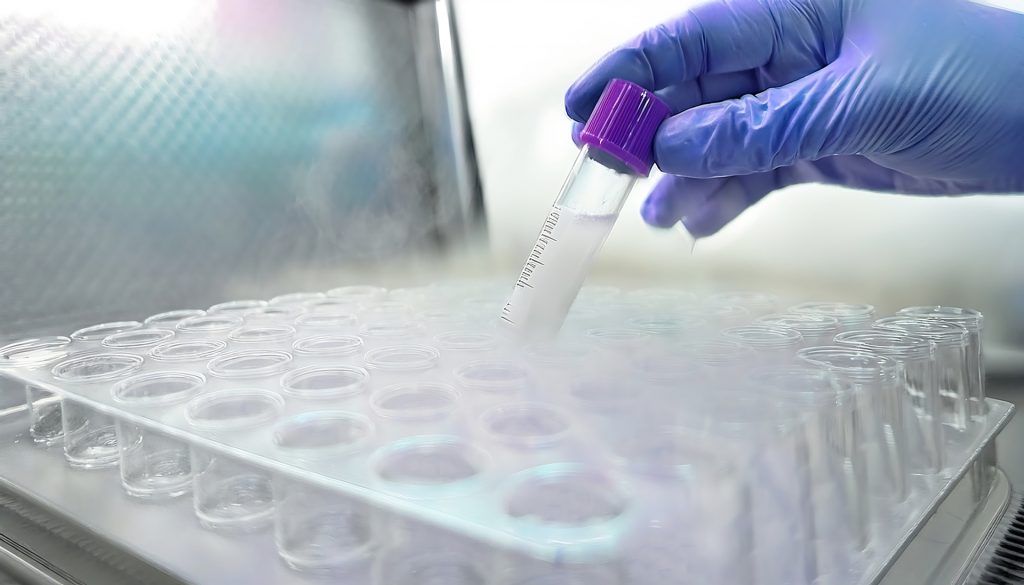
凍結保存の遺伝子入り試験管1

1. ゲノムワイド関連解析(GWAS)による新たなリスク因子の発見

最新のゲノムワイド関連解析(GWAS)により、脳卒中の発症に関連する新たな遺伝子マーカーが次々と発見されています。

  • 2022年の大規模研究
    • 欧州とアジアの研究者が共同で実施した大規模GWAS研究では、脳卒中リスクに関与する35の新しい遺伝子座が特定されました。
    • これらの遺伝子座は、血圧調節、脂質代謝、血管機能に関連しており、将来的に個別化治療のターゲットとなる可能性があります。
  • 遺伝子編集技術と脳卒中治療
    • CRISPR-Cas9を用いた遺伝子編集技術が、脳卒中リスクを低減するための新たな治療法として研究されています。
    • 現在は動物実験の段階ですが、将来的に高リスク群に対する予防的治療としての応用が期待されています。

2. AIと遺伝子データを活用したリスク予測

人工知能(AI)を活用した脳卒中リスク予測モデルが開発されており、従来のリスク評価よりも高精度な予測が可能になっています。

  • ディープラーニングを活用した解析
    • 大規模な遺伝子データと生活習慣データを組み合わせ、脳卒中リスクを個別に予測するアルゴリズムが開発されています。
    • AIを活用することで、従来の統計モデルでは見逃されていた複雑な遺伝子・環境要因の相互作用を解析できるようになりました。
  • スマートフォンアプリによるリスク管理
    • 遺伝子検査の結果を基に、個人ごとのリスク評価と健康管理アドバイスを提供するアプリが登場しています。
    • 例えば、「GenomicsAI」や「HealthDNA」などのアプリでは、ユーザーの遺伝子情報と日常の健康データを連携させ、リアルタイムで予防策を提案します。

遺伝子検査を活用した社会全体の健康管理

たくさんの新鮮な野菜

1. 企業の健康管理プログラムへの導入

近年、多くの企業が社員の健康管理の一環として、遺伝子検査を取り入れ始めています。例えば、以下のような取り組みが行われています。

  • 社員の健康診断に遺伝子検査を追加
    • 一部の企業では、従業員の健康診断のオプションとして、脳卒中リスクを含む遺伝子検査を提供しています。
  • 職場のストレス管理と予防策
    • 遺伝的にストレス耐性が低いと判断された従業員には、特別なメンタルヘルスサポートプログラムが提供されるケースもあります。

2. 公衆衛生政策への応用

政府レベルでも、遺伝子情報を活用した健康増進プログラムの導入が進められています。

  • 日本のゲノム医療推進計画
    • 厚生労働省は、個別化医療の実現に向けて、ゲノム医療を推進する方針を発表しています。
    • 将来的には、国民全体の遺伝子データを活用し、脳卒中を含む生活習慣病の予防策を強化することが目指されています。

脳卒中のリスク軽減に向けた個別化医療の進展

1. 遺伝子と環境要因の相互作用

脳卒中の発症には、遺伝的要因だけでなく、生活習慣や環境要因が大きく関与しています。近年の研究では、遺伝子と環境の相互作用を解析することで、より効果的な予防策を導き出すことが可能になっています。

(1) 食生活と遺伝子の影響

ある研究では、APOE遺伝子のE4型を持つ人は、高脂肪食を摂取すると脳卒中リスクが2倍に上昇することが報告されています。この遺伝子変異を持つ人は、オメガ3脂肪酸を豊富に含む魚やナッツ類を積極的に摂取し、飽和脂肪酸の摂取を控えることで、リスクを軽減できる可能性があります。

一方で、MTHFR遺伝子の変異を持つ人は、葉酸の摂取量が不足すると血管が脆くなり、脳卒中のリスクが上昇することが知られています。そのため、葉酸を多く含む緑黄色野菜(ホウレンソウ、ブロッコリーなど)を積極的に摂取することが推奨されます。

(2) 遺伝子型に基づく運動プログラムの最適化

運動の効果も遺伝的要因によって異なります。例えば、ACE遺伝子のI型を持つ人は、有酸素運動の効果が高く、定期的なウォーキングやジョギングを行うことで脳卒中リスクを30%以上低減できる可能性があります。一方で、D型を持つ人は筋力トレーニングの効果が高いため、レジスタンストレーニングを組み合わせることで血圧管理に役立つと考えられています。

(3) ストレス耐性と脳卒中リスク

COMT遺伝子の変異がある人は、ストレスに対する耐性が低く、慢性的なストレスが脳卒中リスクを高めることが示されています。これらの人々には、瞑想やヨガ、マインドフルネスなどのリラクゼーション法が有効とされ、ストレス管理を徹底することでリスクを軽減できる可能性があります。


最新の脳卒中予防戦略とテクノロジーの活用

2. ウェアラブルデバイスによる早期発見と管理

遺伝的リスクを持つ人が脳卒中の発症を予防するためには、リアルタイムで健康状態を監視できるウェアラブルデバイスの活用が有効です。

(1) スマートウォッチを活用した血圧管理

Apple WatchやFitbitなどのスマートウォッチは、心拍数の変動を記録し、不整脈の早期発見に役立ちます。近年の研究では、これらのデバイスを使用することで、脳卒中の予兆となる心房細動を約80%の精度で検出できることが示されています。

(2) 血糖値モニタリングと脳卒中リスク

糖尿病は脳卒中のリスクを大幅に上昇させるため、血糖値を管理することが重要です。最近では、非侵襲的な血糖値測定機能を備えたウェアラブルデバイスが開発されており、食後の血糖値の急上昇をリアルタイムで監視し、食事内容を調整することでリスクを管理できる可能性があります。


3. 遺伝子検査とAIの融合による個別化医療

AI技術の進歩により、遺伝子データとライフスタイルデータを統合し、個別化された脳卒中予防プランを作成することが可能になっています。

(1) 遺伝子データを活用したAI診断システム

最新のAIアルゴリズムでは、何千もの遺伝子データと臨床データを解析し、脳卒中リスクを予測することができるようになっています。例えば、IBM Watsonは、医療ビッグデータを活用して、個人の遺伝的リスクに基づいた最適な治療法や生活習慣を提案するシステムを開発中です。

(2) 遺伝子×ライフスタイルデータの組み合わせ

Google Healthは、遺伝子データとフィットネストラッカーからのライフスタイルデータを組み合わせ、ユーザーごとの脳卒中予防プランをリアルタイムで調整するシステムを構築しています。たとえば、血圧が高くなりやすい遺伝子変異を持つ人には、「1日の塩分摂取量を減らす」「適度な運動を取り入れる」といった具体的なアドバイスが提示されます。


遺伝子検査の倫理的課題と今後の展望

4. 遺伝子情報のプライバシーと倫理的問題

遺伝子情報は非常に個人的なデータであり、その取り扱いには慎重な配慮が求められます。遺伝子検査の普及に伴い、以下のような倫理的課題が浮上しています。

(1) 遺伝子差別のリスク

一部の国では、遺伝子検査の結果に基づいて生命保険の加入制限が行われるケースが報告されています。このため、日本でも遺伝子データの悪用を防ぐための法整備が進められています。

(2) 遺伝子情報の安全管理

遺伝子データを保管する企業がサイバー攻撃を受けた場合、個人の遺伝情報が流出するリスクがあります。これを防ぐために、データの暗号化やアクセス制限が厳格に行われることが求められます。

(3) 遺伝子編集技術の倫理的問題

CRISPR技術を用いた遺伝子編集は、遺伝的リスクを低減する可能性がありますが、「どこまでが許容されるのか?」という倫理的な問題が議論されています。特に、胚の遺伝子改変が将来的に認められるかどうかについては、賛否が分かれています。


遺伝子検査とパーソナライズド医療の未来

5. 未来の医療システム

脳卒中予防のための遺伝子検査と個別化医療は、今後さらに発展すると予想されています。

(1) 遺伝子データを活用した国家プロジェクト

日本では、「ゲノム医療推進プロジェクト」が進行中であり、国民全体の遺伝子データを活用した公衆衛生対策が計画されています。

(2) 次世代医療の展望

将来的には、個人の遺伝情報に基づいたオーダーメイドの治療や予防策が一般的になると考えられています。

6. 遺伝子検査の今後の可能性と課題

(1) 遺伝子検査のさらなる普及

近年、遺伝子検査のコストが大幅に低下し、より多くの人が手軽に自分の遺伝的リスクを知ることができるようになっています。将来的には、健康診断の一環として遺伝子検査が標準化される可能性もあり、個々の体質に合わせた医療がより実現しやすくなるでしょう。

(2) AIとゲノム解析の融合

人工知能(AI)を活用したゲノム解析技術は急速に進歩しており、脳卒中だけでなく、がんや心疾患などのリスク評価にも応用が期待されています。AIを用いることで、従来の手法では発見できなかった遺伝的要因を特定し、より精度の高い個別化医療を提供することが可能になります。

(3) 一般向け遺伝子検査の課題

一方で、遺伝子検査の結果を正しく理解し、適切に活用するためには、専門家によるカウンセリングやアフターサポートの充実が不可欠です。特に、日本では遺伝情報に対する社会的な理解がまだ十分とは言えないため、教育や啓発活動も重要な課題となるでしょう。

まとめ

遺伝子検査を活用することで、個々の脳卒中リスクを科学的に評価し、より効果的な予防策を講じることが可能になります。食生活や運動習慣、ストレス管理を遺伝的特性に応じて最適化することで、発症リスクを大幅に低減できるでしょう。さらに、AIやウェアラブルデバイスを活用した個別化医療の発展により、より精度の高いリスク予測と健康管理が実現しつつあります。今後、遺伝子検査の普及と社会的理解の向上が、脳卒中予防の鍵となるでしょう。


Posted on 2024年 11月 15日

この記事の概要

遺伝子検査により、脳卒中リスクを把握して早期予防が可能です。ACEやAPOEなどの遺伝子の影響を分析し、生活習慣の改善や血圧管理、抗酸化ケアを行うことでリスクを低減。遺伝情報を活用し、個別化された健康対策を実現します。


介绍

中风是日本的主要死亡原因之一,是一种需要护理的严重疾病。近年来,遗传学研究的进展表明,个人的遗传背景会影响其患中风的风险。本文提供了有关使用基因检测评估中风风险和预防措施的详细信息。


什么是中风?

中风是脑梗塞的总称,是指脑血管被堵塞而发生的疾病;脑出血,即血管破裂时发生的疾病;和蛛网膜下腔出血。尤其是脑梗塞,约占所有中风的60%,并可引起肢体瘫痪、言语障碍等各种后遗症。


基因与中风的关系

RNF213基因与脑梗死

针对日本人的一项研究显示,RNF213基因中的p.R4810K多态性(俗称“主要多态性”)会增加动脉粥样硬化血栓性脑梗死的风险。具有这种突变的人罹患脑梗塞的风险比没有这种突变的人高3.58倍,而且这种风险在女性中尤为明显。

国家癌症中心

基于基因组的风险预测

岩手医科大学的研究开发出了一种利用约357,000个基因位点的信息来预测罹患脑梗塞风险的方法(iPGM)。该方法显示,与基因评分低的人相比,基因评分高的人患脑梗塞的风险高出 2.4 倍。

厚生劳动省


基因检测的使用

基因检测服务“GeneQuest ALL”可以检查包括中风在内的350多种健康风险和体质的遗传倾向。通过这项测试,您可以了解您的遗传风险并采取适当的预防措施。

基因探索


预防措施

回顾生活习惯

即使您具有很高的遗传风险,改变生活方式也可以帮助降低患中风的风险。具体来说,应注意以下几点:

  • 控制高血压:限制盐的摄入量并进行适度运动。
  • 预防糖尿病:均衡饮食并定期锻炼。
  • 戒烟:吸烟会增加中风的风险,因此建议戒烟。

定期健康检查

定期进行健康检查以确保早期发现和适当治疗非常重要。考虑由专家进行全面的体检,特别是如果您有家族病史或遗传风险。


基因检测的使用

基因检测服务“GeneQuest ALL”可以检查包括中风在内的350多种健康风险和体质的遗传倾向。该检测不仅可以分析RNF213基因是否存在突变,还可以分析与中风相关的其他遗传标记。了解一个人的遗传风险使得采取适当的预防措施成为可能。

此外,MyCode 和 Health Data Lab 等基因检测服务还提供中风风险评估,并允许用户使用测试套件在家中轻松分析他们的基因信息。通过使用这些服务,您可以预测未来的风险并尽早采取行动。

对有遗传风险人群的建议

如果基因检测表明中风风险增加,可能建议改变生活方式,包括以下内容:

  1. 回顾你的饮食
    • 限制盐的摄入量并控制血压。
    • 采用富含蔬菜、水果和鱼类的地中海饮食。
    • 减少饱和脂肪酸的摄入,预防动脉硬化。
  2. 适度运动
    • 养成有氧运动(散步、慢跑等)的习惯,以改善血液流动。
    • 结合力量训练来改善心血管健康。
  3. 禁止吸烟和适量饮酒
    • 吸烟会促进动脉硬化,大大增加中风的风险,所以一定要戒烟。
    • 建议适量饮酒,因为过量饮酒会导致高血压。
  4. 压力管理
    • 结合冥想和深呼吸等放松技巧。
    • 保证充足的睡眠,保持自主神经系统的平衡。
  5. 定期健康检查
    • 定期检查血压、血糖和胆固醇水平,如发现异常,请尽早采取行动。

中风预防的最新研究

最近的研究表明,即使是具有高遗传风险的人也可以通过保持健康的生活方式来预防中风。这里我们展示最新的研究成果。

1.饮食的影响

哈佛大学的一项研究发现,食用富含坚果、鱼类和橄榄油的饮食可使中风风险降低约 30%。鱼类,尤其是富含 Omega-3 脂肪酸的鱼类(如鲑鱼、金枪鱼和沙丁鱼),有助于维持血管健康。

2. 基因与运动的关系

牛津大学的一项研究表明,具有中风遗传高风险的人可以通过定期锻炼将中风风险降低50%以上。特别是建议每天步行或骑自行车至少30分钟。

3.戒烟的好处

根据美国心脏协会(AHA)的研究,有遗传风险的吸烟者通过戒烟可以降低中风风险约40%。尤其是吸烟越早,风险就越高,因此尽早戒烟非常重要。


日本人特有的中风风险因素

日本人患中风的风险比西方人更高。这不仅与遗传因素有关,还与饮食和生活习惯有关。

1.高血压的影响

由于日本人摄入大量盐,因此容易患高血压,而高血压是导致中风的主要危险因素。世界卫生组织(WHO)建议将每日盐摄入量限制在5克以下,但日本人平均摄入量超过10克。

2. 基因多态性的影响

据报道,日本人特有的基因多态性(例如CYP2C19基因突变)会增加中风的风险。特别是患有这种基因突变的人,抗血小板药物(阿司匹林和氯吡格雷)的疗效更容易降低,因此他们应该咨询医生并接受适当的治疗。

3. 生活方式和压力

日本的社会环境下,长时间工作、压力过大较为普遍,增加了中风的风险。意识到压力管理并保持身心健康对于预防至关重要。


基因检测的未来可能性

デジタルと未来のイメージ

随着基因研究的进步,中风风险预测的准确性正在提高。特别是随着下一代测序技术的发展,预计将分析更多的基因信息,实现个性化医疗。

1.基因编辑技术的应用

CRISPR-Cas9 等基因编辑技术的发展可能在未来使开发降低中风风险的基因疗法成为可能。目前,基因编辑涉及诸多伦理问题,被认为距离临床应用尚需时日。

2. 使用人工智能进行风险预测

利用人工智能 (AI) 的风险评估系统正在开发中,将基因数据与健康检查数据相结合,以更准确地预测中风风险。例如,使用深度学习的风险预测模型已被证明能够比传统方法更准确地预测中风的发生。

3. 个性化医疗和预防策略

未来,人们相信,根据基因信息为每个人提出最佳预防措施和治疗方法的“个性化医疗”将成为主流。利用基因信息的个性化健康管理计划已开始在欧美国家推行,预计在日本也将得到进一步发展。


参考文献和研究链接


利用基因检测降低中风风险的具体方法

1. 基因检测作为预防医学的应用

通过基因检测,可以提前识别罹患中风的风险并尽早采取预防措施。目前,日本提供以下基因检测服务,并建议根据个人风险进行健康管理。

  • GeneQuest:分析中风等各种疾病的风险
  • MYCODE:生活方式相关疾病和遗传疾病的风险评估
  • 健康数据实验室:专门用于健康管理的基因检测

通过这些服务,可以根据测试结果咨询医生和专家并制定适当的生活方式改善措施。

2. 基因检测在医疗机构的应用

医疗机构正在积极利用基因检测来识别通过一般健康检查无法完全掌握的风险因素。尤其建议在以下情况下进行基因检测:

  • 家族史:如果父母或兄弟姐妹患有中风,则可能需要进行基因检测以评估您的遗传风险。
  • 如果您在年轻时患有中风:中风通常是老年人中常见的疾病,但如果您在年轻时患有中风,则很有可能涉及遗传因素,因此建议进行详细的基因检测。
  • 如果您患有高血压或糖尿病:具有疾病遗传倾向的人患中风的风险更高,因此通过基因检测进行风险评估非常重要。

3. 根据基因检测结果定制医疗

根据个人遗传风险提供最佳治疗和预防措施的“定制医疗”变得越来越重要。根据您的基因检测结果,您的医生可能能够:

  • 抗血小板药物的选择
    • 据报道,一些抗血小板药物(氯吡格雷)对 CYP2C19 基因发生基因突变的人群效果较差。因此,可选择替格瑞洛或普拉格雷作为替代药物。
  • 抗高血压药物的选择
    • 据报道,ARB(血管紧张素受体阻滞剂)和ACE抑制剂的效果因基因多态性而异,因此可以选择最适合每个人的抗高血压药物。
  • 定制饮食
    • 不同的 APOE 基因类型具有不同的脂质代谢趋势和改变的中风风险,因此建议调整脂质摄入量。

中风遗传学研究的最新趋势

凍結保存の遺伝子入り試験管1

1. 通过全基因组关联研究(GWAS)发现新的风险因素

最新のゲノムワイド関連解析(GWAS)により、脳卒中の発症に関連する新たな遺伝子マーカーが次々と発見されています。

  • 2022年进行大规模研究
    • 欧洲和亚洲研究人员联合开展的一项大规模 GWAS 研究发现了 35 个与中风风险有关的新基因位点。
    • 这些基因位点与血压调节、脂质代谢和血管功能有关,可能成为未来个性化治疗的目标。
  • 基因编辑与中风治疗
    • 人们正在研究使用 CRISPR-Cas9 进行基因编辑作为降低中风风险的新疗法。
    • 虽然目前还处于动物试验阶段,但希望未来能作为高危人群的预防性治疗。

2. 利用人工智能和基因数据进行风险预测

一种使用人工智能(AI)的中风风险预测模型已经开发出来,可以比传统的风险评估做出更准确的预测。

  • 使用深度学习进行分析
    • 目前正在开发的算法结合大规模遗传和生活方式数据来预测个人中风风险。
    • 通过利用人工智能,现在可以分析基因和环境因素之间的复杂相互作用,而使用传统的统计模型则可能会忽略这些相互作用。
  • 使用智能手机应用程序进行风险管理
    • 现在有一些应用程序可以根据基因测试的结果提供个性化的风险评估和健康管理建议。
    • 例如,“GenomicsAI”和“HealthDNA”等应用程序将用户的基因信息与日常健康数据联系起来,实时提出预防措施。

利用基因检测进行全社会健康管理

たくさんの新鮮な野菜

1. 企业健康管理项目介绍

近年来,许多公司开始引入基因检测作为员工健康管理的一部分。例如,正在实施以下举措:

  • 在员工健康体检中增加基因检测
    • 一些公司提供基因检测,包括中风风险检测,作为员工健康筛查的一种选择。
  • 工作场所压力管理和预防
    • 在某些情况下,被认定为具有遗传性抗压能力受损的员工可能会获得特殊的心理健康支持计划。

2. 公共卫生政策的应用

在政府层面,也在努力推出利用基因信息的健康促进计划。

  • 日本基因组医学推进计划
    • 日本厚生劳动省宣布了推动基因组医学的政策,以实现个性化医疗。
    • 未来的目标是利用全民基因数据,加强对中风等生活方式疾病的预防措施。

个性化医疗在降低中风风险方面的进展

1. 基因-环境相互作用

中风的发生不仅受遗传因素的影响,还受到生活方式和环境因素的影响。最近的研究使得通过分析基因和环境之间的相互作用可以得出更有效的预防措施。

(1)饮食和基因的影响

一项研究报告称,携带 APOE 基因 E4 的人在食用高脂肪饮食时患中风的风险会增加两倍。具有这种基因突变的人可以通过多吃富含 omega-3 脂肪酸的鱼类和坚果并限制饱和脂肪的摄入来降低风险。

另一方面,已知MTHFR 基因突变的人如果摄入的叶酸不足,血管就会变得脆弱,中风的风险也会增加。因此建议积极食用富含叶酸的绿色和黄色蔬菜(菠菜,西兰花等)。

(2)基于基因型的锻炼计划优化

运动的效果也因遗传因素而异。例如,携带 ACE 基因 I 型的人从有氧运动中受益更多,通过定期散步或慢跑可以将中风风险降低 30% 以上。另一方面,D 型血的人对力量训练的反应更好,因此将其与阻力训练相结合被认为有助于控制血压。

(3)压力耐受力与中风风险

研究表明,COMT 基因突变的人对压力的耐受力较低,而慢性压力会增加中风的风险。这些人可能会受益于冥想、瑜伽和正念等放松技巧,而彻底的压力管理可能有助于降低他们的风险


利用最新的中风预防策略和技术

2. 使用可穿戴设备进行早期检测和管理

为了预防具有遗传风险的人群中风,使用可以实时监测健康状况的可穿戴设备是有效的。

(1)使用智能手表进行血压管理

Apple Watch 和 Fitbit 等智能手表可以记录心率变异性并帮助及早发现心律失常。最近的研究表明,这些设备可以检测出心房颤动(中风的前兆),准确率约为 80% 。

(2)血糖监测与中风风险

糖尿病会显著增加中风的风险,因此控制血糖水平非常重要。最近,已经开发出具有非侵入性血糖监测功能的可穿戴设备,可以让人们实时监测餐后血糖峰值,并通过调整饮食来管理风险。


3. 通过基因检测和人工智能相结合实现个性化医疗

人工智能技术的进步使得结合基因和生活方式数据来制定个性化的中风预防计划成为可能。

(1)利用基因数据的AI诊断系统

现代人工智能算法现在可以分析数千个基因和临床数据集来预测中风风险。例如,IBM Watson 正在开发一个系统,利用医疗大数据根据个人的遗传风险建议最佳治疗和生活方式选择

(2)基因和生活方式数据的结合

Google Health正在构建一个系统,将基因数据与健身追踪器的生活方式数据相结合,为每个用户实时定制中风预防计划。例如,对于因基因突变而易患高血压的人,我们会给他们一些具体的建议,例如“减少每日盐的摄入量”和“进行适度运动”。


基因检测的伦理问题和未来前景

4. 基因信息隐私与伦理问题

基因信息是高度个人信息,需要谨慎处理。随着基因检测变得越来越普遍,伦理问题也随之出现,例如:

(1)基因歧视的风险

据报道,一些国家根据基因检测结果对人寿保险覆盖范围进行了限制。为此,日本也在致力于制定法律,防止基因数据被滥用。

(二)基因信息安全管理

如果存储基因数据的公司遭受网络攻击,则存在个人基因信息泄露的风险。为了防止这种情况,必须严格实施数据加密和访问限制。

(3)基因编辑技术的伦理问题

使用 CRISPR 技术进行基因编辑有可能降低遗传风险,但伦理问题正在引起争论:这在多大程度上是可以接受的?尤其是对于未来是否允许对胚胎进行基因改造存在分歧。


基因检测和个性化医疗的未来

5.医疗系统的未来

预计未来中风预防的基因检测和个性化医疗将继续发展。

(1)国家遗传数据利用项目

日本正在实施基因组医学推进项目,并计划利用全民基因数据采取公共卫生措施。

(2)下一代医疗保健的展望

人们相信,未来根据个人基因信息制定个性化治疗和预防措施将变得十分普遍。

6. 基因检测未来的可能性与挑战

(1)基因检测进一步普及

近年来,基因检测费用大幅下降,让更多人能够轻松了解自己的基因风险。未来,基因检测可能成为健康检查的标准组成部分,从而更容易根据个人体质提供个性化医疗服务。

(2)人工智能与基因组分析的融合

利用人工智能(AI)的基因组分析技术正在迅速发展,预计不仅可以应用于中风的风险评估,还可以应用于癌症、心脏病和其他疾病。通过使用人工智能,可以识别传统方法无法检测到的遗传因素,并提供更精确的个性化医疗服务。

(3)面向公众的基因检测问题

另一方面,为了正确理解和恰当地使用基因检测结果,专家的全面咨询和售后支持至关重要。特别是在日本,社会对遗传信息的理解仍然不足,因此教育和提高认识活动将是重要课题。

概括

通过基因检测,可以科学地评估每个人的中风风险并实施更有效的预防措施。通过根据您的基因特征优化饮食、运动习惯和压力管理,您可以显著降低患病风险。此外,利用人工智能和可穿戴设备的个性化医疗的进步使得风险预测和健康管理更加准确。未来,广泛开展基因检测和提高社会认识将成为预防中风的关键。

Posted on 2024年 11月 15日

この記事の概要

遺伝子検査により、脳卒中リスクを把握して早期予防が可能です。ACEやAPOEなどの遺伝子の影響を分析し、生活習慣の改善や血圧管理、抗酸化ケアを行うことでリスクを低減。遺伝情報を活用し、個別化された健康対策を実現します。


Introduction

Stroke is one of the leading causes of death in Japan and is a serious disease that can lead to the need for nursing care. In recent years, advances in genetic research have revealed that an individual’s genetic background affects the risk of stroke. This article provides a detailed explanation of how to assess stroke risk using genetic testing and preventive measures.


What is a stroke?

Stroke is a general term for “cerebral infarction” when blood vessels in the brain become blocked, “cerebral hemorrhage” when blood vessels rupture, and “subarachnoid hemorrhage.” Cerebral infarction in particular accounts for approximately 60% of all strokes, and can cause a variety of aftereffects, such as paralysis of the limbs and speech disorders.


The relationship between genes and stroke

RNF213 gene and cerebral infarction

A study of Japanese subjects has revealed that the p.R4810K polymorphism (commonly known as the “main polymorphism”) of the RNF213 gene increases the risk of atherothrombotic cerebral infarction. People with this mutation have a 3.58 times higher risk of developing cerebral infarction than those without the mutation, and this risk is particularly prominent in women.

National Cancer Center

Genomic-based risk prediction

A study at Iwate Medical University developed a method to predict the risk of developing cerebral infarction (iPGM) using information from approximately 357,000 gene loci. This method showed that the risk of developing cerebral infarction was 2.4 times higher in those with a high genetic score than in those with a low genetic score.

Ministry of Health, Labour and Welfare


Use of genetic testing

The genetic testing service “GeneQuest ALL” can check for genetic tendencies for more than 350 health risks and constitutions, including cerebral infarction. This test allows you to understand your own genetic risks and take appropriate preventive measures.

GeneQuest


Prevention measures

Reviewing lifestyle habits

Even if you have a high genetic risk, you can reduce your risk of stroke by making lifestyle changes. Specifically, you should pay attention to the following points:

  • Managing high blood pressure: Limit salt intake and get moderate exercise.
  • Preventing diabetes: Eat a balanced diet and exercise regularly.
  • Quitting smoking: Smoking increases the risk of stroke, so it is recommended to quit smoking.

Regular health check-ups

For early detection and appropriate measures, it is important to undergo regular health checkups. If you have a family history or genetic risk, consider having a detailed examination by a specialist.


Use of genetic testing

The genetic testing service “GeneQuest ALL” can check for genetic tendencies for over 350 health risks and constitutions, including cerebral infarction. This test can analyze not only the presence or absence of mutations in the RNF213 gene, but also other genetic markers related to stroke. Understanding an individual’s genetic risk makes it possible to take appropriate preventive measures.

In addition, genetic testing services such as “MyCode” and “Health Data Lab” also provide stroke risk assessments and allow users to easily analyze their genetic information at home using a test kit. By using these services, users can predict future risks and take early measures.

Advice for people at genetic risk

If genetic testing indicates an increased risk of stroke, lifestyle changes may be recommended, including the following:

  1. Reviewing your diet
    • Limit your salt intake and keep your blood pressure under control.
    • Adopt a Mediterranean diet that’s rich in vegetables, fruit and fish.
    • Reduce your intake of saturated fatty acids to prevent arteriosclerosis.
  2. Moderate exercise
    • Make aerobic exercise (walking, jogging, etc.) a habit to improve blood flow.
    • Incorporate strength training to improve cardiovascular fitness.
  3. No smoking and drinking in moderation
    • Smoking promotes arteriosclerosis and significantly increases the risk of stroke, so be sure to quit smoking.
    • Drinking in moderation is recommended as excessive alcohol can cause high blood pressure.
  4. Stress Management
    • Incorporate relaxation techniques such as meditation and deep breathing.
    • Get enough sleep and maintain balance of the autonomic nervous system.
  5. Regular health check-ups
    • Check your blood pressure, blood sugar, and cholesterol levels regularly, and take action early if any abnormalities are found.

Latest research into stroke prevention

Recent research has shown that even if you have a high genetic risk, it is possible to prevent stroke by maintaining a proper lifestyle. Here we will introduce the latest research results.

1. The influence of diet

A Harvard University study found that a diet high in nuts, fish, and olive oil reduced the risk of stroke by about 30%. Fish, especially those rich in omega-3 fatty acids (such as salmon, tuna, and sardines), help maintain vascular health.

2. The relationship between genes and exercise

A study from Oxford University showed that people with a genetically high risk of stroke could reduce their risk by more than 50% by engaging in regular exercise, particularly walking or cycling for at least 30 minutes a day.

3. Benefits of quitting smoking

According to a study by the American Heart Association (AHA), smokers with genetic risk can reduce their stroke risk by about 40% by quitting smoking. In particular, the earlier one starts smoking, the higher the risk, so it is important to quit smoking at a young age.


Stroke risk factors specific to Japanese people

Japanese people tend to have a higher risk of stroke than Westerners. This is related not only to genetic factors, but also to diet and lifestyle.

1. Effects of High Blood Pressure

Japanese people are prone to developing high blood pressure due to their high salt intake, which is a major risk factor for stroke. The World Health Organization (WHO) recommends limiting daily salt intake to 5g or less, but the average Japanese intake exceeds 10g.

2. Effects of genetic polymorphisms

It has been reported that genetic polymorphisms specific to Japanese people (for example, mutations in the CYP2C19 gene) increase the risk of stroke. In particular, people with this genetic mutation tend to be less effective at treating antiplatelet drugs (aspirin and clopidogrel), so it is necessary to consult with a doctor and receive appropriate treatment.

3. Lifestyle and stress

In Japan’s social environment, long working hours and excessive stress are common, which are factors that increase the risk of stroke. Being conscious of stress management and maintaining physical and mental health are important for prevention.


Future possibilities of genetic testing

デジタルと未来のイメージ

As genetic research advances, the accuracy of stroke risk prediction is improving. In particular, the development of next-generation sequencing technology is expected to enable the analysis of more genetic information and the realization of personalized medicine.

1. Application of gene editing technology

With the development of gene editing technologies such as CRISPR-Cas9, gene therapy to reduce stroke risk may become possible in the future. Currently, gene editing has many ethical challenges, and it is thought that it will take time before it can be applied clinically.

2. Risk Prediction Using AI

Artificial intelligence (AI)-based risk assessment systems are being developed that combine genetic data with health check data to enable more accurate stroke risk prediction. For example, risk prediction models using deep learning have been shown to predict the onset of stroke with greater accuracy than traditional methods.

3. Personalized medicine and prevention strategies

It is believed that in the future, “personalized medicine,” which proposes optimal preventive measures and treatments for each individual based on genetic information, will become mainstream. Personalized health management programs that utilize genetic information have already begun to be introduced in Europe and the United States, and future developments are expected in Japan as well.


References and Research Links


Specific ways to use genetic testing to reduce stroke risk

1. Use of genetic testing as preventive medicine

By undergoing genetic testing, it is possible to grasp the risk of developing a stroke in advance and take preventive measures early on. Currently, the following genetic testing services are offered in Japan, and health management according to individual risks is recommended.

  • GeneQuest : Analyzing the risk of various diseases, including stroke
  • MYCODE: Risk assessment for lifestyle-related and genetic diseases
  • Health Data Lab: Genetic testing specialized for health management

With these services, it is possible to consult with doctors and specialists based on the test results and develop appropriate lifestyle improvement measures

2. Use of genetic testing in medical institutions

Genetic testing is actively used by medical institutions to identify risk factors that cannot be fully identified through general health checkups. Genetic testing is especially recommended in the following cases:

  • Family history: If a parent or sibling has had a stroke, genetic testing may be warranted to assess your inherited risk.
  • If you have a stroke at a young age: Stroke is usually a disease that is common in the elderly, but if you have a stroke at a young age, there is a high possibility that genetic factors are involved, so detailed genetic testing is recommended.
  • If you have high blood pressure or diabetes: People with genetic predisposition to diseases are at increased risk of stroke, so risk assessment through genetic testing is important.

3. Customized medical care based on genetic test results

The importance of “customized medicine,” which provides optimal treatment and prevention measures according to individual genetic risks, is increasing. Based on the results of genetic testing, doctors will be able to take the following measures:

  • Choice of antiplatelet drug
    • It has been reported that some antiplatelet drugs (clopidogrel) are less effective in people with genetic mutations in the CYP2C19 gene. Therefore, ticagrelor or prasugrel may be chosen as alternative drugs.
  • Choice of antihypertensive drug
    • It has been reported that the effects of ARBs (angiotensin receptor blockers) and ACE inhibitors vary depending on genetic polymorphisms, making it possible to select the antihypertensive drug that is most suitable for each individual.
  • Customized diet
    • Different APOE gene types have different lipid metabolism tendencies and altered stroke risk, so adjustments to lipid intake are recommended.

Latest trends in stroke genetic research

凍結保存の遺伝子入り試験管1

1. Discovery of new risk factors through genome-wide association studies (GWAS)

Recent genome-wide association studies (GWAS) are discovering new genetic markers related to the onset of stroke.

  • Large-scale study in 2022
    • A large-scale GWAS study conducted jointly by European and Asian researchers identified 35 new loci involved in stroke risk.
    • These loci are associated with blood pressure regulation, lipid metabolism, and vascular function and may represent targets for personalized therapy in the future.
  • Gene editing and stroke treatment
    • Gene editing using CRISPR-Cas9 is being investigated as a new treatment for reducing the risk of stroke.
    • Although it is currently in the animal testing stage, it is hoped that it will be used as a preventive treatment for high-risk groups in the future.

2. Risk prediction using AI and genetic data

A stroke risk prediction model using artificial intelligence (AI) has been developed, making it possible to make more accurate predictions than conventional risk assessments.

  • Deep learning-based analysis
    • Algorithms are being developed that combine large-scale genetic and lifestyle data to predict individual stroke risk.
    • By utilizing AI, it is now possible to analyze complex interactions between genes and environmental factors that would have been overlooked using conventional statistical models.
  • Risk management using smartphone apps
    • Apps are now available that provide personalized risk assessments and health management advice based on the results of genetic tests.
    • For example, apps such as “GenomicsAI” and “HealthDNA” link users’ genetic information with their everyday health data to suggest preventive measures in real time.

Health management for the whole society using genetic testing

たくさんの新鮮な野菜

1. Introduction to corporate health management programs

In recent years, many companies have begun to introduce genetic testing as part of their employee health management. For example, the following initiatives are being implemented:

  • Adding genetic testing to employee health checkups
    • Some companies are offering genetic testing, including stroke risk, as an option in employee health screenings.
  • Workplace stress management and prevention
    • In some cases, employees who are identified as having a genetically impaired tolerance for stress may be offered special mental health support programs.

2. Application to public health policy

At the government level, efforts are also underway to introduce health promotion programs that utilize genetic information.

  • Japan’s Genomic Medicine Promotion Plan
    • The Ministry of Health, Labour and Welfare has announced its policy to promote genomic medicine in order to realize personalized medicine.
    • In the future, the goal is to utilize genetic data from the entire population to strengthen preventive measures against lifestyle-related diseases, including stroke.

Advances in personalized medicine to reduce stroke risk

1. Gene-environment interactions

The onset of stroke is closely related to not only genetic factors, but also lifestyle and environmental factors. Recent research has made it possible to derive more effective preventive measures by analyzing the interactions between genes and the environment.

(1) Influence of diet and genes

One study reported that people with the E4 form of the APOE gene have a two-fold increased risk of stroke when they eat a high-fat diet . People with this genetic mutation may be able to reduce their risk by increasing their intake of fish and nuts rich in omega-3 fatty acids and limiting their intake of saturated fats.

On the other hand, it is known that people with MTHFR gene mutations have a higher risk of stroke due to their blood vessels becoming fragile if they do not consume enough folic acid . Therefore, it is recommended that they actively consume green and yellow vegetables that are rich in folic acid (spinach, broccoli, etc.).

(2) Optimization of exercise programs based on genotype

The effect of exercise also varies depending on genetic factors. For example, people with type I of the ACE gene benefit more from aerobic exercise, and regular walking or jogging may reduce the risk of stroke by more than 30%. On the other hand, people with type D benefit more from strength training, so combining it with resistance training is thought to help manage blood pressure .

(3) Stress tolerance and stroke risk

It has been shown that people with COMT gene mutations have a low tolerance to stress, and that chronic stress increases the risk of stroke. For these people, relaxation techniques such as meditation, yoga, and mindfulness are effective, and thorough stress management may reduce the risk .


Leveraging the latest stroke prevention strategies and technologies

2. Early detection and management using wearable devices

To prevent stroke in people with genetic risk, it is effective to use wearable devices that can monitor health conditions in real time .

(1) Blood pressure management using smartwatches

Smartwatches like the Apple Watch and Fitbit can track heart rate variability and help detect arrhythmias early. Recent studies have shown that these devices can detect atrial fibrillation, a precursor to stroke, with about 80% accuracy.

(2) Blood glucose monitoring and stroke risk

Diabetes significantly increases the risk of stroke, so it is important to control blood sugar levels. Recently, wearable devices with non-invasive blood sugar monitoring capabilities have been developed, which may allow real-time monitoring of postprandial blood sugar spikes and allow risk management by adjusting diet .


3. Personalized medicine through the combination of genetic testing and AI

Advances in AI technology are making it possible to combine genetic and lifestyle data to create personalized stroke prevention plans.

(1) AI diagnostic system using genetic data

The latest AI algorithms can analyze thousands of genetic and clinical data sets to predict stroke risk . For example, IBM Watson is developing a system that uses medical big data to recommend optimal treatment and lifestyle choices based on an individual’s genetic risk .

(2) Combination of genetic and lifestyle data

Google Health is building a system that combines genetic data with lifestyle data from fitness trackers to tailor a user’s stroke prevention plan in real time . For example, someone with a genetic mutation that makes them more susceptible to high blood pressure will be given specific advice such as “reducing their daily salt intake” and “incorporating moderate exercise.”


Ethical issues and future prospects for genetic testing

4. Genetic Information Privacy and Ethical Issues

Genetic information is highly personal data and requires careful consideration when handling it. As genetic testing becomes more widespread, the following ethical issues have arisen:

(1) Risk of genetic discrimination

In some countries, there have been reported cases where restrictions on life insurance coverage have been imposed based on the results of genetic testing . For this reason, Japan is also working on establishing laws to prevent the misuse of genetic data.

(2) Safety management of genetic information

If a company that stores genetic data is subjected to a cyber attack, there is a risk that personal genetic information will be leaked . To prevent this, data encryption and access restrictions must be strictly implemented.

(3) Ethical issues regarding gene editing technology

Gene editing using CRISPR technology has the potential to reduce genetic risks, but ethical issues remain under debate: “To what extent is this acceptable?” In particular, there is disagreement over whether genetic modification of embryos will be permitted in the future.


The Future of Genetic Testing and Personalized Medicine

5. The Future of Medical Systems

Genetic testing and personalized medicine for stroke prevention are expected to continue to develop in the future.

(1) National projects using genetic data

In Japan, the Genomic Medicine Promotion Project is underway, and public health measures are being planned that utilize the genetic data of the entire population.

(2) Prospects for next-generation medical care

In the future, it is believed that tailored treatments and preventive measures based on an individual’s genetic information will become commonplace .

6. Future possibilities and challenges of genetic testing

(1) Further spread of genetic testing

In recent years, the cost of genetic testing has fallen significantly, making it easy for more people to find out their genetic risks. In the future, genetic testing may become a standard part of health checkups , making it easier to realize medical care tailored to individual constitutions.

(2) Integration of AI and genome analysis

Genome analysis technology using artificial intelligence (AI) is rapidly advancing, and is expected to be applied not only to stroke but also to risk assessment of cancer, heart disease, etc. By using AI, it is possible to identify genetic factors that could not be detected by conventional methods and provide more precise personalized medicine .

(3) Issues with genetic testing for the general public

On the other hand, to correctly understand and properly use the results of genetic testing, it is essential to provide counseling by experts and comprehensive after-sales support . In particular, in Japan, where social understanding of genetic information is still insufficient, education and awareness-raising activities will also be important issues.

Summary

By utilizing genetic testing, it will be possible to scientifically evaluate each individual’s stroke risk and take more effective preventive measures. By optimizing diet, exercise habits, and stress management according to genetic characteristics, the risk of developing stroke will be significantly reduced. Furthermore, the development of personalized medicine using AI and wearable devices is enabling more accurate risk prediction and health management. In the future, the spread of genetic testing and improved social understanding will be the key to preventing stroke.