遺伝子情報を活用することで、**最適な食事(減塩やカリウム摂取)、運動(有酸素運動 vs. 筋トレ)、降圧薬の選択(ACE阻害薬、β遮断薬など)**が個々にカスタマイズできるようになります。また、AIやウェアラブルデバイスと連携し、リアルタイムで血圧をモニタリングしながら、個人に最適な生活習慣を提案する技術も発展中です。
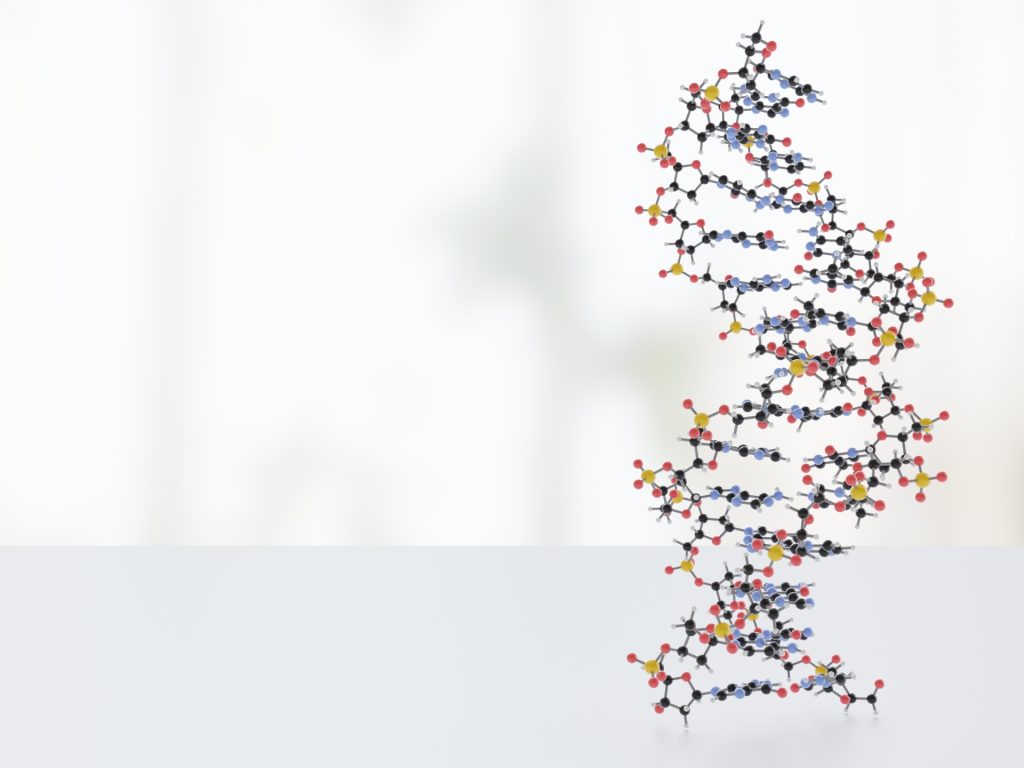
High blood pressure is known to increase serious health risks such as cardiovascular disease and stroke. Recent research has revealed that genetic factors play a major role in the onset and progression of high blood pressure. This article provides a detailed explanation of the latest findings on blood pressure management using genetic information and how to put it into practice.
High Blood Pressure and Genetic Factors
Hypertension is a multifactorial disease caused by a complex interaction of environmental and genetic factors. Epidemiological studies have estimated that genetic factors account for 30-60% of hypertension.
Large-scale genome analysis studies have identified several genes related to hypertension. For example, the ATP2B1 gene is known as a hypertension susceptibility gene and is involved in increasing blood pressure through the regulation of intracellular calcium concentration.
Personalized medicine based on genetic information
Personalized medicine that utilizes genetic information makes it possible to provide prevention and treatment tailored to each patient’s genetic background. For example, it has been shown that advice to reduce salt intake is particularly effective for hypertensive patients with salt-sensitive genotypes.
Such an approach may lead to more effective blood pressure control.
Implementing salt reduction guidance using genetic information
One specific initiative that has attracted attention is the use of AI health apps to provide advice on reducing salt intake. In a joint study conducted by Kyoto University, Toshiba, and Wellmira, the AI app “Karomama Plus” provides individual advice to people with salt-sensitive genotypes who are prone to high blood pressure, aiming to reduce salt intake and improve blood pressure management.
Genetic testing can provide information about your own risk of hypertension and provide guidance on appropriate lifestyle choices. However, genetic information is only a part of risk assessment, and environmental factors and lifestyle choices also play important roles. Therefore, it is important to work with medical professionals to manage your blood pressure from a comprehensive perspective.
Interaction of genetic and environmental factors
High blood pressure is closely related to environmental factors as well as genetic factors. For example, it is known that even twins with the same genotype can have different blood pressure if they have different dietary and exercise habits. This shows that it is important to optimize lifestyle while taking genetic information into account.
Main impact of environmental factors
Diet
High sodium (salt) intake can cause high blood pressure.
High potassium intake is likely to lower blood pressure (possibly influenced by AGT gene mutations).
A diet rich in omega-3 fatty acids is effective in controlling blood pressure.
Exercise habits
Even people who are genetically at high risk for high blood pressure can reduce their risk by engaging in regular exercise.
Aerobic exercise in particular is effective in lowering blood pressure.
Stress Management
Sympathetic nervous overactivity is influenced by genetic factors as well as psychological stress.
Practices such as meditation, yoga and mindfulness can help stabilize blood pressure.
Alcohol and smoking
Excessive alcohol consumption can easily cause high blood pressure.
Smoking accelerates the hardening of the arteries and is especially dangerous for people who are genetically predisposed to high blood pressure.
Dietary management according to genotype
The effect of diet varies depending on genotype. In particular, the following gene polymorphisms are known to be involved in blood pressure management:
ACE gene (angiotensin-converting enzyme)
People with type D (deletion type) of the ACE gene are more susceptible to the effects of increased blood pressure caused by sodium intake.
The effects can be reduced by eating high-potassium foods (such as bananas and spinach).
AGT gene (angiotensinogen)
People with mutations in the AGT gene may be more sensitive to salt.
It is recommended to reduce salt intake and actively consume fish rich in omega-3 fatty acids.
CYP1A2 gene (related to caffeine metabolism)
People with poor metabolizers of the CYP1A2 gene are more likely to experience an increase in blood pressure when consuming caffeine.
Limiting your coffee and tea intake can help control your blood pressure.
Examples of personalized approaches through genetic testing
1. Salt reduction guidance using genetic testing
Recent studies have shown that individualized nutritional guidance based on salt sensitivity assessment through genetic testing is effective in improving high blood pressure.
Research results : According to a paper published in 2023, when hypertensive patients with salt-sensitive genes (SCNN1B, AGT) were instructed to restrict salt intake, their blood pressure significantly decreased compared to patients who received regular salt reduction advice. (Source: JAMA Internal Medicine)
2. The Effects of Exercise Therapy
Efforts are also underway to identify genotypes that are susceptible to the effects of exercise and to suggest individually optimal exercise programs.
Research findings : One study found that the PPARGC1A genotype influences exercise-induced blood pressure reduction. People with this genotype were shown to experience greater blood pressure reduction effects when they engaged in aerobic exercise three or more times a week. (Source: Nature Communications )
3. Effects of caffeine intake
It has been shown that caffeine intake has a significant effect on blood pressure in people with the CYP1A2 genotype, which is related to caffeine metabolism.
Research findings : A 2022 study showed that people with poor metabolizers of the CYP1A2 gene experienced 1.5 times the normal increase in blood pressure after consuming caffeine. (Source: European Journal of Clinical Nutrition )
Future prospects for blood pressure management using genetic information
Utilizing AI and big data
AI analysis that integrates genetic information and health data will enable more precise blood pressure management.
This will enable personalized health guidance based on genotype, allowing us to provide each patient with the optimal treatment plan.
The potential of new gene therapy
Research is progressing on treatments targeting risk genes for hypertension through gene editing using CRISPR-Cas9 technology.
For example, genetic modification that suppresses the production of angiotensin II may be useful in treating hypertension.
Precision medicine and insurance coverage
Personalized medicine that uses genetic information may become covered by health insurance.
It is expected that blood pressure management programs using genetic testing will become more widespread in Japan as well.
Deepening the relationship between genetic information and blood pressure
Genetic risk assessment for hypertension
Recent research has made progress in using genetic information to assess the risk of hypertension. Many genes affect blood pressure, and analyzing the mutations in these genes makes it possible to identify an individual’s risk.
For example, the following genes are of particular interest:
NOS3 gene (endothelial nitric oxide synthase)
It is involved in the production of nitric oxide (NO), which has a vasodilatory effect.
Mutations inhibit blood vessels from relaxing, increasing the risk of high blood pressure.
ADD1 gene (alpha-adductin)
Involved in sodium reabsorption in the kidneys.
People with the mutation are more salt sensitive and their blood pressure is more likely to fluctuate depending on their salt intake.
CYP11B2 gene (aldosterone synthase)
It is involved in the production of aldosterone and regulates sodium and potassium balance.
High genetic activity leads to increased sodium retention and increased blood pressure.
Analysis of these genes allows for a more precise assessment of individual risk.
Utilizing genome-wide association studies (GWAS)
Genome-Wide Association Study (GWAS) is a research method that comprehensively analyzes millions of gene variants (SNPs) to examine associations with disease.
GWAS studies on hypertension have revealed that more than 200 genetic loci are involved in blood pressure (Reference: Nature Genetics ). Utilizing this information will enable prevention and treatment according to genotype.
Application of genetic information in personalized medicine
Examples of personalized medicine
Personalized medicine based on genetic information has already been put to practical use in several fields.
1. Selection of antihypertensive drugs
There are many different types of antihypertensive drugs, but it is known that their effectiveness varies depending on the genotype.
Beta-blockers (such as metoprolol)
People with mutations in the ADRB1 gene may find that beta-blockers are less effective.
In those cases, ACE inhibitors or calcium channel blockers may be more appropriate.
ACE inhibitors (such as enalapril)
In people with type D (deletion type) of the ACE gene, ACE inhibitors are more effective and tend to lower blood pressure more effectively.
Calcium channel blockers (such as amlodipine)
Mutations in the CACNA1C gene may alter the efficacy of calcium antagonists.
2. Individual optimization of lifestyle improvements
Efforts are being made to individually tailor lifestyle improvements based on genetic information.
Dietary therapy
AGT gene mutation → Salt reduction is particularly effective
CYP1A2 poor metabolizer → caffeine restriction is recommended
NOS3 mutant type → Taking in a lot of antioxidants (vitamins C and E) stabilizes blood pressure
Exercise Program
Mutation in the PPARGC1A gene → High-intensity exercise is effective in lowering blood pressure
Influence of the ADRB2 gene → In some cases, strength training is more appropriate than aerobic exercise
A practical approach to utilizing genetic testing
1. Genetic testing process
The general steps for genetic testing are as follows:
Obtaining a test kit
Purchase a test kit from a medical institution or a genetic testing service company.
Sample collection
Saliva or oral mucosa is collected and sent to a testing institution.
Genetic analysis
Analysis results will be available in approximately 2 to 4 weeks.
Feedback of results
In consultation with a genetic counselor and doctor, a lifestyle improvement plan is developed.
2. Key points for utilizing genetic information
Use scientific evidence-based information
Refer to research papers and information from medical institutions.
Collaborate with doctors and specialists
It is important to receive a comprehensive health evaluation, not just genetic information.
Protect your data privacy
Genetic information is part of personal information, so it is important to choose a safe service.
Future outlook: Combining AI and genetic information
With the development of AI technology, new health management systems are being developed that integrate genetic information and personal health data.
Advances in predictive models using AI
Hypertension risk prediction using big data analysis
AI combines genetic information, lifestyle habits, and medical records to provide an individualized risk assessment.
Personalized health advice
We suggest exercise, diet, and medication options based on your genotype.
Collaboration with wearable devices
It works in conjunction with smartwatches and blood pressure monitors to analyze blood pressure fluctuations in real time.
Combined with genetic information, it will automate suggestions for optimal lifestyle habits.
Examples of blood pressure management using genetic information
1. Examples of practices by companies and research institutes
(1) Health management programs using genetic information in Japan
In recent years, companies and research institutes in Japan have been developing health management programs that utilize genetic information.
Toshiba’s “Genetic x AI Health Management Program”
Toshiba has developed an AI-based health management system that combines genetic information and lifestyle data to develop a program that suggests optimal methods for managing blood pressure.
In particular, it provides individualized dietary advice to people with salt-sensitivity genes.
Joint research between Kyoto University and Sompo Holdings
It has been reported that by providing individual lifestyle advice based on genetic information, subjects’ average blood pressure decreased by 5 to 10 mmHg over a period of six months.
(2) Latest research examples from overseas
Precision Medicine Initiative of the National Institutes of Health (NIH)
A national project that aims to collect genetic data from one million people and realize personalized medicine.
Studies on hypertension management are also included, with recommendations on the selection of antihypertensive drugs according to genotype.
UK Biobank study
Based on genetic information and health data from over 500,000 people, progress is being made in identifying high blood pressure risk genes.
Analyses are underway to determine which lifestyle factors people with specific gene mutations are more susceptible to and to develop individualized intervention programs.
Latest genetic research and new approaches
1. Discovery of new gene targets for the treatment of hypertension
Advances in genetic research are leading to the discovery of new targets.
(1) Role of the NPR3 gene
The NPR3 gene (natriuretic peptide receptor 3) is involved in sodium excretion and blood pressure regulation.
It has been found that people with this gene mutation have a reduced ability to excrete sodium and are more likely to experience an increase in blood pressure due to salt intake.
(2) GUCY1A3 gene and vascular relaxation
The GUCY1A3 gene encodes an enzyme that controls the relaxation of blood vessels, and mutations therein predispose arteriosclerosis to progression.
New drugs that target this are currently being developed.
New lifestyle management using genetic information
1. Ideal exercise program for each genotype
(1) Relationship between the ACE gene and exercise
For people with type D (deletion type) of the ACE gene, strength training is more effective than aerobic exercise for managing blood pressure.
For people with type I (insertion type), the effect of lowering blood pressure can be increased by actively engaging in aerobic exercise.
(2) PPARGC1A gene and endurance training
Interval training has been shown to be more effective at lowering blood pressure in people with certain mutations in this gene.
2. The evolution of genetically-based dietary therapy
(1) Individualized dietary advice based on salt sensitivity genes
SCNN1B gene mutation → Salt reduction is particularly effective
AGT gene mutation → Intake of high potassium foods is recommended
(2) Caffeine intake guidelines based on metabolic ability
Extensive metabolizer of the CYP1A2 gene → Low risk of blood pressure rise due to coffee intake
Poor metabolizer of the CYP1A2 gene → High risk of increased blood pressure due to caffeine intake
Fusion of the latest technology and genetic information
1. Blood pressure prediction and personalized treatment using AI
Using big data analysis, a blood pressure prediction model that integrates genotypes and lifestyle habits has been developed.
A new system has been developed that uses a smartphone app to suggest optimal lifestyle habits based on genetic data.
2. New treatment for hypertension using gene editing technology
Attempts are being made to correct genetic mutations that cause high blood pressure through gene editing using CRISPR-Cas9.
Although it has not yet reached clinical application, it may become possible to provide a fundamental treatment in the future.
Ethical and social issues
1. Protecting the privacy of genetic information
Genetic information is one of the most sensitive pieces of data an individual possesses and must be managed appropriately.
In Japan, the handling of genetic information is strictly regulated under the Personal Information Protection Act.
2. Genomic discrimination
There are concerns about the risk of discrimination in health insurance and employment based on genetic information.
In the United States, discrimination on the basis of genetic information is prohibited by the Genetic Information Nondiscrimination Act (GINA), but Japan has yet to establish clear legislation.
Gene-environment interactions: a new perspective on blood pressure management
1. Genetics x Lifestyle Customization Approach
By utilizing genetic information, it will become possible to go beyond simple “general health management” and provide “personalized blood pressure management” according to each individual’s genetic risk. For example, the following approaches could be considered:
(1) Customized nutritional advice based on genotype
Genotype with high sodium sensitivity (SCNN1B mutation) → Strictly control salt intake and actively consume foods rich in potassium (bananas, tomatoes).
Genotype with high lipid sensitivity (FTO gene mutation) → Reduce intake of animal fats and increase intake of seafood rich in omega-3 fatty acids.
(2) Genotype-specific stress management plans
Low activity type of COMT gene (type that is vulnerable to stress) → Introduction of meditation and yoga, and use of adaptogens (herbs effective in reducing stress).
Low activity of the BDNF gene (low stress tolerance) → Incorporate aerobic exercise into your daily routine to improve sleep quality.
Latest research trends and future prospects
1. The relationship between genes and gut bacteria: A new perspective on blood pressure regulation
Recent research has revealed the impact of interactions between genes and gut bacteria on blood pressure.
(1) The relationship between intestinal bacteria and blood pressure
An imbalance in the gut bacteria can lead to increased blood pressure.
People who have an abundance of bacteria that produce short-chain fatty acids (SCFAs) (e.g., Faecalibacterium) are more likely to have stable blood pressure.
(2) Methods for improving intestinal flora according to genotype
Actively consume foods that increase SCFAs (foods rich in dietary fiber, fermented foods).
By combining prebiotics (oligosaccharides, etc.) and probiotics (lactic acid bacteria, bifidobacteria) , we help lower blood pressure by improving the intestinal environment.
2. Advances in gene-based smart healthcare
(1) Integration of smartwatches and genetic data
Technology is under development that will allow devices such as the Apple Watch and Fitbit to link with genetic information to provide personalized blood pressure management programs.
Based on real-time blood pressure data , it is possible to suggest actions based on an individual’s genetic risk.
(2) The potential of gene editing technology (CRISPR)
Research is being conducted into modifying hypertension-related genes using CRISPR-Cas9 , which may make it possible to develop a fundamental treatment in the future.
At this stage, there are still many ethical and safety issues to be addressed, so it is expected that it will take some time before this technology can be applied clinically.
Next-generation blood pressure management: Combining technology and genetics
1. Advances in genetic data and AI diagnosis
In recent years, medical diagnosis using AI (artificial intelligence) has evolved, and it is becoming possible to manage blood pressure by integrating genetic information with real-time health data.
(1) Calculation of genetic risk scores using AI
A system is currently being developed that analyzes hundreds of genes that are related to blood pressure and calculates an individual’s risk score.
This will enable AI to automatically suggest “optimal diet, exercise, and sleep.”
(2) 24-hour monitoring and identification of optimal timing of intervention
By linking wearable devices with genetic information , it is possible to analyze an individual’s blood pressure fluctuations in real time.
For example, technology has been developed that can identify “times when blood pressure is genetically likely to rise” and suggest exercise or rest at those times.
Summary
Hypertension is a disease caused by a complex interaction of genetic and environmental factors. Recent research has revealed that genes such as ACE, AGT, and SCNN1B are involved in blood pressure regulation , expanding the possibilities for personalized medicine.
By utilizing genetic information, it will be possible to customize the optimal diet (reduced salt and potassium intake), exercise (aerobic exercise vs. strength training), and choice of antihypertensive medication (ACE inhibitors, beta blockers, etc.) for each individual. In addition, technology is being developed that works in conjunction with AI and wearable devices to monitor blood pressure in real time and suggest optimal lifestyle habits for individuals.
In the future, it is expected that more effective blood pressure management will become possible with the advancement of gene editing using CRISPR and risk assessment using big data analysis. The day may soon come when personalized health management utilizing genetic information will become the standard for future medical care. Advances in genetics and technology will make it possible to provide individually optimal blood pressure management.