

遺伝子検査が教える生活習慣病の予防策

Posted on 2024年 12月 6日 不健康

近年、遺伝子検査の進化により、個人の遺伝的な特徴を知ることで生活習慣病のリスクを事前に把握し、効果的な予防策を立てることが可能になりました。本記事では、遺伝子検査の仕組みや、生活習慣病予防における活用方法について詳しく解説します。


1. 遺伝子検査とは?

1-1. 遺伝子と疾患の関係

遺伝子は、私たちの体の設計図を担う重要な情報を持っています。一部の遺伝子変異や多型(一塩基多型:SNP)は、特定の疾患の発症リスクを高めることが研究で明らかになっています。

例えば、糖尿病、高血圧、脂質異常症、肥満などの生活習慣病は、遺伝的要因と環境要因の両方が影響します。遺伝子検査を行うことで、これらの疾患に対する個々のリスクを評価することができます。

1-2. 遺伝子検査の種類

遺伝子検査にはいくつかの種類がありますが、生活習慣病の予防を目的とした検査は以下のようなものがあります。

  • SNP検査(多型解析):一塩基多型を調べ、特定の疾患リスクを評価
  • エピジェネティクス検査:DNAのメチル化状態を調べ、遺伝子発現の変化を分析
  • 全ゲノム解析:全体の遺伝情報を解読し、疾患リスクや体質を包括的に把握

これらの検査によって、自分の遺伝的な特性を知り、それに適した予防策を講じることができます。


2. 遺伝子検査で分かる生活習慣病リスク

遺伝子検査によって、以下の生活習慣病に関するリスクを特定することが可能です。

2-1. 糖尿病のリスク

2型糖尿病は、遺伝的要因と生活習慣が複雑に関与する疾患です。
遺伝子検査では、TCF7L2 などの遺伝子に関連するSNPを解析し、糖尿病のリスクを評価します。研究によると、TCF7L2遺伝子の変異を持つ人は、糖尿病発症リスクが約1.4倍高まることが示されています(参考:PMID: 17463246)。

予防策:

  • 高炭水化物・高GI食品の摂取を控える
  • 定期的な運動習慣を取り入れる
  • 定期的な血糖値のモニタリング

2-2. 高血圧のリスク

高血圧は、遺伝要因と塩分摂取量が大きく影響する疾患です。AGT(アンジオテンシノーゲン)遺伝子の多型が高血圧の発症リスクと関連していることが報告されています(参考:PMID: 19091278)。

予防策:

  • 塩分摂取量を1日6g未満に抑える
  • カリウムが豊富な野菜や果物を摂取する
  • 有酸素運動(ウォーキングやジョギング)を習慣化

2-3. 脂質異常症のリスク

APOE遺伝子の特定のバリアント(E4型)は、LDL(悪玉コレステロール)の増加に関連しており、心血管疾患リスクを高めることが示唆されています(参考:PMID: 25324552)。

予防策:

  • 飽和脂肪酸の摂取を減らし、不飽和脂肪酸を多く含む食品(青魚、ナッツ類)を摂る
  • 定期的なコレステロール検査を受ける
  • 適度な運動でHDL(善玉コレステロール)を増やす

2-4. 肥満のリスク

肥満に関与する遺伝子のひとつにFTO遺伝子があります。この遺伝子の特定の変異を持つ人は、BMIが高くなりやすいことが示されています(参考:PMID: 17658951)。

予防策:

  • 摂取カロリーを適正に管理する
  • 筋力トレーニングと有酸素運動を組み合わせる
  • 遺伝的に炭水化物代謝が苦手な場合は、糖質制限を検討

3. 遺伝子検査の活用方法
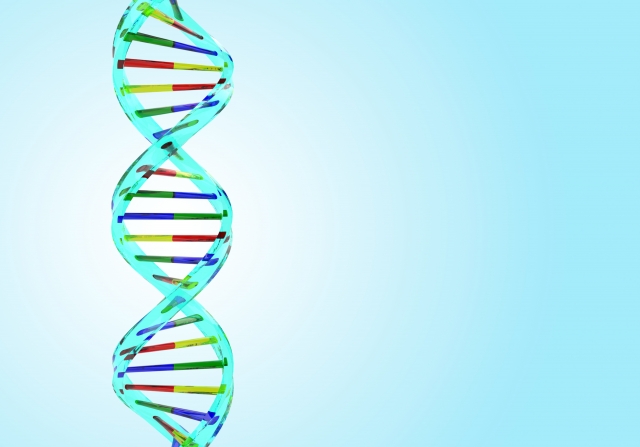
DNA

遺伝子検査の結果を活用するためには、以下のポイントを押さえておくとよいでしょう。

3-1. 遺伝情報をもとにした個別最適化

遺伝子検査の結果は、あくまで「リスク」を示すものであり、発症を確定するものではありません。したがって、遺伝的リスクに基づき、ライフスタイルを適切に調整することが重要です。

3-2. 定期的な健康診断との併用

遺伝子検査だけでなく、血液検査や健康診断を併用することで、より正確な健康リスク評価が可能になります。

3-3. 遺伝カウンセリングの活用

専門家のアドバイスを受けることで、適切な生活習慣の見直しや具体的な予防策を立てることができます。


4. 遺伝子検査の具体的な活用事例

4-1. 遺伝子検査を受けた人の生活改善例

ケース1:糖尿病リスクが高いと診断されたAさん(40代・男性)

Aさんは、家族に糖尿病患者が多いため、自身のリスクを把握するために遺伝子検査を受けました。その結果、TCF7L2遺伝子の変異を持ち、糖尿病のリスクが高いことが判明しました。

実施した生活改善:

  • 朝食に食物繊維を多く含む食品(オートミール、玄米)を取り入れ、血糖値の急上昇を防ぐ
  • 1日30分のウォーキングを習慣化し、インスリン感受性を向上
  • 間食を減らし、GI値の低い食品を選択

これにより、3か月後の血糖値が安定し、健康診断でも正常値を維持できるようになりました。

ケース2:高血圧リスクを持つBさん(50代・女性)

Bさんは、遺伝子検査でAGT遺伝子の特定の変異を持っていることが判明しました。この変異は高血圧リスクを高める可能性があるため、早めの対策を講じることにしました。

実施した生活改善:

  • 1日の塩分摂取量を6g以下に制限
  • カリウムを多く含む食品(バナナ、ほうれん草)を積極的に摂取
  • ストレスを軽減するため、ヨガと深呼吸を日常に取り入れる

この結果、血圧が安定し、以前よりも健康的な生活を送れるようになりました。


5. 遺伝子検査によるパーソナライズド医療の可能性

日本人科学者が研究している様子

5-1. 遺伝子検査と個別化医療

近年、医療は「画一的な治療」から「個別化医療」へと進化しています。遺伝子検査は、その流れの中で重要な役割を果たしています。

例えば、同じ病気でも、遺伝的要因によって治療法が異なることがわかってきました。ある人は生活習慣の改善だけでリスクを管理できる一方で、別の人は薬物療法が必要になることもあります。

個別化医療のメリット:

  • 効率的な予防策の実施:必要な対策を優先的に行える
  • 適切な治療法の選択:薬の効果や副作用のリスクを考慮した治療が可能
  • 医療コストの削減:無駄な治療を避け、適切な医療を受けられる

5-2. 遺伝子情報を活用した健康管理アプリ

最近では、遺伝子検査の結果をスマートフォンで管理し、日々の生活に活かせるアプリも登場しています。

主な機能:

  • 遺伝子リスクに基づいた食事・運動アドバイス
  • リアルタイムで健康データを記録し、改善点を提案
  • 医師との連携が可能な遠隔診療サービス

このような技術の進化により、より手軽に遺伝子情報を活用できる時代が到来しています。


6. 遺伝子検査を受ける際の注意点

6-1. 遺伝子情報のプライバシー管理

遺伝子検査は非常に個人的な情報を扱うため、プライバシー管理が重要です。検査を受ける前に、提供会社のデータ管理方針情報の取り扱いについて確認しましょう。

安全な検査サービスを選ぶポイント:

  • 個人情報の取り扱いについて明確なポリシーを持っているか
  • データの第三者提供を行わないか
  • 厚生労働省や関連機関の認可を受けているか

6-2. 遺伝的リスクは確定ではない

遺伝子検査は「リスク」を示すものであり、「確定診断」ではありません。例えば、糖尿病のリスクが高いと結果が出ても、必ずしも発症するわけではありません。

重要なのは、遺伝情報をもとに適切な対策を講じることです。リスクが高いからといって不安になるのではなく、自分に合った健康管理を実践することが求められます。


7. 遺伝子検査の未来と展望

7-1. 遺伝子編集技術の進化

遺伝子検査技術が発展するにつれ、**遺伝子編集技術(CRISPRなど)**の研究も進んでいます。将来的には、特定の遺伝的リスクを持つ人に対して、病気を発症する前に遺伝子を修正する治療が可能になるかもしれません。

7-2. 遺伝子検査の低コスト化と普及

以前は高額だった遺伝子検査も、技術の進歩により低コストで受けられる時代になっています。数万円程度で簡単に検査ができ、結果もスマートフォンで確認できるため、今後さらに普及することが予想されます。

今後の展望:

  • より詳細な遺伝子情報の解析が可能に
  • 一般的な健康診断と遺伝子検査の組み合わせが当たり前に
  • AIを活用した個別最適化医療が実現

8. 遺伝子検査の社会的影響と倫理的課題

遺伝子検査が普及することで、個々の健康管理や医療の在り方は大きく変わりつつあります。しかし、その一方で、社会的な影響や倫理的な課題も浮上しています。ここでは、遺伝子検査の普及に伴う問題点と、それに対する対応策について考えます。

8-1. 遺伝情報の差別とプライバシー問題

遺伝子検査の結果をもとに、就職や保険加入時に差別が生じる可能性が指摘されています。例えば、遺伝的に特定の病気になりやすいと判断された場合、生命保険の加入が制限されたり、雇用時に不利な扱いを受けたりするリスクが考えられます。

この問題を防ぐために、一部の国では**「遺伝情報差別禁止法」**が制定されており、遺伝情報を理由に差別することを禁止しています。日本でも、個人情報保護の観点から、遺伝情報の取り扱いに関するガイドラインが整備されています。しかし、まだ法整備が十分ではないため、今後さらなる議論が求められます。

8-2. 遺伝情報の悪用リスク

遺伝子検査データが第三者に流出した場合、犯罪に利用される可能性も考えられます。例えば、特定の遺伝的特徴を持つ個人を標的にしたマーケティングや、遺伝情報を基にした詐欺行為などが懸念されています。

対策としては、

  • 遺伝子検査を提供する企業のセキュリティポリシーを確認する
  • 個人情報の管理が適切に行われているか事前に調査する
  • 不要な場合はデータを削除できるサービスを選ぶ

といった対応が重要です。

8-3. 遺伝情報の心理的影響

遺伝子検査の結果が、自分の健康に関する不安を増幅させることもあります。例えば、「将来、がんになる可能性が高い」と診断された場合、それが強いストレスとなり、逆に健康を損ねることもあります。

こうした心理的負担を軽減するためには、

  • 遺伝カウンセリングを併用する
  • 「リスク=確定ではない」と理解する
  • 生活習慣の改善に焦点を当てる

といった方法が有効です。


9. 遺伝子検査と栄養学の関係

チキンソテー

近年、遺伝子検査を活用した「遺伝栄養学(Nutrigenomics)」が注目されています。これは、遺伝情報をもとに、個々の体質に最適な栄養バランスを見つけ出す新しいアプローチです。

9-1. 遺伝子検査で分かる栄養の適性

遺伝子によって、私たちの体が栄養素をどのように吸収・代謝するかが異なります。例えば、

  • カフェイン代謝遺伝子(CYP1A2):カフェインを分解しやすいかどうかが分かる
  • 乳糖不耐症遺伝子(LCT):乳製品を消化できるかどうかが分かる
  • ビタミンD代謝遺伝子(GC):体内でのビタミンDの利用効率が分かる

こうした情報を活用することで、「自分に合った食事」を科学的に選択できるようになります。

9-2. 遺伝子に基づく食事指導の実践例

例1:カフェインの影響を受けやすい人
CYP1A2遺伝子の特定の変異を持つ人は、カフェインを分解する速度が遅いため、コーヒーを飲むと動悸や不眠になりやすい傾向があります。そのため、カフェイン摂取を控えたり、デカフェ(カフェインレス)飲料を選択したりすることで、健康リスクを下げることができます。

例2:ビタミンD不足になりやすい人
GC遺伝子の変異によって、ビタミンDを効率よく活用できない人は、骨密度が低下しやすくなることが分かっています。そのため、積極的に日光を浴びたり、ビタミンDを含む食品(サーモン、きのこ類)を摂取したりすることが推奨されます。


10. 遺伝子検査の普及による未来の健康管理

10-1. 個別最適化された健康プログラムの普及

遺伝子検査の発展により、将来的には「個別最適化された健康プログラム」が普及すると考えられます。現在でも、一部のスポーツジムやクリニックでは、遺伝子情報をもとにしたトレーニングや栄養指導を提供するサービスが登場しています。

今後は、さらに精密なデータを活用し、一人ひとりにカスタマイズされた健康管理が可能になると予想されます。

10-2. 遺伝子編集技術との融合

将来的には、遺伝子検査だけでなく、「遺伝子編集」による疾患予防も現実化する可能性があります。例えば、CRISPR技術を用いることで、特定の病気のリスクを持つ遺伝子を修正する治療法が開発されるかもしれません。

ただし、遺伝子編集には倫理的な問題が伴うため、慎重な議論が必要です。


11. これからの遺伝子検査の活用方法

最後に、今後の遺伝子検査の活用方法をまとめます。

11-1. 健康管理に役立てる

遺伝子検査は、単なるリスク判定ではなく、具体的な健康管理に役立てることが重要です。

例えば、

  • 遺伝的リスクが高い場合は、定期的な健康診断を受ける
  • 食事や運動を、遺伝的な体質に合わせて調整する
  • 必要に応じて医師や専門家と相談する

といった形で活用するのが理想的です。

11-2. 科学的根拠に基づいた情報を選ぶ

遺伝子検査に関する情報は多く出回っていますが、中には科学的根拠の乏しいものもあります。信頼できる研究データや専門家の意見を参考にしながら、正しい知識を身につけることが大切です。

11-3. 未来の医療の可能性を探る

遺伝子検査の進化により、将来的には病気の「予防」だけでなく、「治療」や「最適な健康管理」までサポートできる技術が登場するかもしれません。今後の研究の進展に注目しながら、最新の情報を活用していきましょう。


12. 遺伝子検査とスポーツパフォーマンスの関係

ランニングする男性の足元

遺伝子検査は生活習慣病の予防だけでなく、スポーツやフィットネスの分野でも活用されています。遺伝的に筋肉のタイプや持久力の傾向が異なるため、スポーツ選手や一般のトレーニング愛好者にとって、最適なトレーニング方法を知る手がかりとなります。

12-1. 筋肉のタイプと遺伝子の関係

筋肉には主に2種類の筋線維があります。

  1. 速筋線維(タイプII):瞬発力が高く、短時間の爆発的な動作に適している(例:短距離走、ウエイトリフティング)
  2. 遅筋線維(タイプI):持久力に優れ、長時間の運動に適している(例:マラソン、サイクリング)

遺伝子検査では、ACTN3という遺伝子の変異を調べることで、どちらの筋肉タイプが優位に発達しているかを知ることができます。

  • RR型(速筋優位):短距離走やパワー系スポーツに向いている
  • RX型(バランス型):スピードと持久力の両方を備えている
  • XX型(遅筋優位):長距離走や持久系スポーツに向いている

12-2. 遺伝子を活用したトレーニング戦略

自分の遺伝的な筋肉タイプを知ることで、最適なトレーニング方法を選ぶことができます。

  • 速筋優位の人(RR型):スプリントやウェイトトレーニングなど、短時間で高強度の運動を中心に
  • 遅筋優位の人(XX型):有酸素運動や長時間の低強度トレーニングを重視
  • バランス型の人(RX型):筋力トレーニングと持久系トレーニングを組み合わせる

スポーツ選手だけでなく、一般の人でも自分に合った運動スタイルを見つけるために、遺伝子検査を活用することができます。


13. 遺伝子検査とメンタルヘルスの関係

遺伝子は体の健康だけでなく、メンタルヘルスにも大きく影響を与えます。

13-1. セロトニン遺伝子とストレス耐性

5-HTTLPRという遺伝子は、セロトニン(幸福ホルモン)の分泌に関与し、ストレス耐性に影響を与えます。この遺伝子には以下の3つのタイプがあります。

  • LL型(高ストレス耐性):ストレスに強く、ポジティブな思考をしやすい
  • SL型(中程度のストレス耐性):ストレスを感じやすいが、適応可能
  • SS型(低ストレス耐性):ストレスを強く感じやすく、不安やうつになりやすい

この結果を基に、適切なストレス管理法を選ぶことができます。

  • LL型の人:チャレンジングな環境でも適応しやすい
  • SS型の人:瞑想やマインドフルネス、認知行動療法(CBT)などを取り入れる

13-2. ドーパミン遺伝子とモチベーション

DRD4という遺伝子は、ドーパミンの分泌に関与し、モチベーションや冒険心に影響を与えます。この遺伝子に特定の変異があると、新しい刺激を求めやすく、リスクを取る傾向が強くなります。

  • リスクを取る傾向が強いタイプ:新しい挑戦を好むが、衝動的になりやすい
  • 慎重なタイプ:安定を好み、計画的に行動する傾向がある

この情報を活かして、仕事のスタイルやライフスタイルを調整することができます。


14. 遺伝子検査と睡眠の関係

遺伝子は睡眠の質やリズムにも影響を与えます。

14-1. 睡眠タイプと遺伝子

PER3遺伝子は、体内時計を調整し、「朝型」か「夜型」かを決定する要因の一つです。

  • 長いタイプ(朝型):早寝早起きが得意で、朝に集中力が高まる
  • 短いタイプ(夜型):夜に活発になりやすく、夜更かししがち

14-2. 遺伝子に基づく睡眠改善法

遺伝子検査で自分の睡眠タイプを知ることで、生活リズムを調整することが可能です。

  • 朝型の人:早朝に仕事や勉強を行い、夜はリラックス時間を確保
  • 夜型の人:朝は軽めの仕事や運動から始め、夜に集中力を高める活動をする

また、ADORA2A遺伝子はカフェインの影響を受けやすいかどうかを決定する遺伝子の一つです。この遺伝子に特定の変異がある人は、カフェインを摂取すると寝つきが悪くなるため、午後のコーヒーを避けると良いでしょう。


15. 遺伝子検査の未来と技術革新

遺伝子検査技術は急速に進化しており、今後さらに多くの分野で応用されることが期待されています。

15-1. AIと遺伝子解析の融合

人工知能(AI)の進化により、遺伝子情報をより精密に解析し、個々に最適な健康管理を提案するシステムが登場しています。

  • AIが遺伝子データと生活習慣データを組み合わせ、最適な食事や運動を提案
  • 個人ごとにカスタマイズされたサプリメントや医薬品が開発される可能性

15-2. 遺伝子検査の低コスト化

かつて数十万円かかった遺伝子解析も、現在では数千円〜数万円で受けられるようになりました。今後さらにコストが下がり、誰でも気軽に遺伝子検査を受けられる時代が訪れるでしょう。

15-3. 遺伝子とエピジェネティクスの研究の進展

エピジェネティクス(後成遺伝学)の研究が進むことで、「遺伝的にリスクがあるから発症する」のではなく、「環境や生活習慣によって遺伝子の発現が変わる」ことが明らかになっています。

つまり、遺伝子検査の結果がどうであれ、生活習慣を改善することで病気のリスクを抑え、より健康的に生きることが可能なのです。


16. 遺伝子検査とアンチエイジング

鏡を見る 女性

遺伝子検査は、加齢に伴う体の変化を予測し、老化を遅らせるための具体的な対策を立てるのにも役立ちます。近年では「パーソナライズド・アンチエイジング」として、遺伝子情報に基づいた美容や健康管理が注目されています。

16-1. 老化に関与する遺伝子

加齢にはさまざまな遺伝子が関与していますが、特に重要なのが以下の3つです。

  • FOXO3遺伝子:長寿遺伝子と呼ばれ、抗酸化作用や細胞修復能力に関与する
  • SIRT1遺伝子:サーチュイン遺伝子の一種で、細胞の老化を抑制し、長寿を促進する
  • MTHFR遺伝子:葉酸の代謝に関与し、動脈硬化や認知症のリスクに影響を与える

16-2. 遺伝子に基づいたアンチエイジング対策

遺伝子検査の結果をもとに、以下のような対策を講じることで、老化の進行を遅らせることができます。

  • FOXO3遺伝子が活性化しやすいタイプの人 → オメガ3脂肪酸や抗酸化食品(ベリー類、緑茶)を積極的に摂取
  • SIRT1遺伝子の発現が低いタイプの人 → カロリー制限やポリフェノールを含む食品(赤ワイン、ダークチョコレート)を摂る
  • MTHFR遺伝子の変異がある人 → 葉酸やビタミンB群を多く含む食品(ほうれん草、レバー)を摂取し、血管の健康を保つ

これらの対策を実践することで、遺伝的リスクを軽減し、健康的に年齢を重ねることが可能になります。


17. 遺伝子検査を活用する際の注意点

DNA

17-1. 一般向け遺伝子検査の限界

現在、市販されている遺伝子検査キットは、簡単に健康リスクや体質を知ることができますが、その精度には限界があります。

  • 一般的な遺伝子検査では、特定のSNP(一塩基多型)のみを解析するため、複雑な疾患のリスクを完全には予測できない
  • 環境要因や生活習慣が病気の発症に大きく影響するため、遺伝子情報だけではすべてを判断できない

そのため、遺伝子検査の結果を過信せず、医師や専門家の意見を参考にしながら健康管理を行うことが大切です。

17-2. 信頼できる検査機関を選ぶ

遺伝子検査の需要が高まるにつれ、さまざまな企業が検査サービスを提供していますが、すべての企業が信頼できるわけではありません。

信頼できる検査機関の選び方:

  • 科学的根拠に基づいた解析を行っているか
  • 遺伝情報のプライバシー保護が徹底されているか
  • 厚生労働省や関連機関の認可を受けているか

このようなポイントを確認しながら、適切なサービスを選ぶことが重要です。


まとめ

遺伝子検査は、個人の遺伝的特性を明らかにし、生活習慣病の予防や健康管理、スポーツ、メンタルヘルス、アンチエイジングなど幅広い分野で活用されています。自分の体質やリスクを知ることで、より効果的な生活習慣の改善が可能になります。ただし、遺伝子情報はあくまで「傾向」を示すものであり、環境要因や生活習慣も重要です。検査結果を過信せず、医師や専門家の意見を参考にしながら、適切な健康管理を行うことが大切です。


Posted on 2024年 12月 6日 不健康

近年来,随着基因检测技术的进步,人们可以通过了解个人的基因特征,提前识别生活习惯病的风险,并制定有效的预防措施。本文将详细介绍基因检测的原理以及如何利用基因检测来预防生活习惯病。


1.什么是基因检测?

1-1. 基因与疾病的关系

基因蕴含着构成人体蓝图的重要信息。研究表明,某些基因突变和多态性(单核苷酸多态性:SNP)会增加罹患某些疾病的风险。

例如,糖尿病、高血压、血脂异常、肥胖等生活方式疾病,受遗传和环境因素共同影响,可以通过基因检测评估个人罹患这些疾病的风险。

1-2. 基因检测的种类

基因检测有多种类型,但以下检测旨在预防生活方式疾病:

  • SNP检测(多态性分析):检查单核苷酸多态性以评估某些疾病的风险
  • 表观遗传学检测:检查DNA甲基化状态并分析基因表达的变化
  • 全基因组分析:解读全部遗传信息,全面了解疾病风险和易感性

这些测试可以让您了解您的遗传倾向并采取适当的预防措施。


2. 通过基因检测发现生活习惯病的风险

基因检测可以识别以下与生活方式相关的疾病的风险:

2-1. 糖尿病风险

2 型糖尿病是一种涉及多种遗传因素和生活习惯的疾病。

基因检测通过分析与TCF7L2等基因相关的 SNP来评估糖尿病风险。研究表明,TCF7L2 基因突变患者罹患糖尿病的风险增加 1.4 倍(参考文献:PMID:17463246)。

防范措施:

  • 避免高碳水化合物和高GI食物
  • 养成规律的运动习惯
  • 定期监测血糖水平

2-2. 高血压的风险

高血压是一种受遗传因素和盐摄入量影响很大的疾病。有报道称, AGT(血管紧张素原)基因的多态性与患高血压的风险相关(参考文献:PMID: 19091278)。

防范措施:

  • 限制盐摄入量每天少于6克
  • 吃富含钾的蔬菜和水果
  • 养成有氧运动(散步或慢跑)的习惯

2-3. 血脂异常的风险

APOE 基因的特定变体(E4 型)与 LDL(坏胆固醇)增加有关,并被认为会增加患心血管疾病的风险(参考:PMID:25324552)。

防范措施:

  • 减少饱和脂肪酸的摄入,多吃富含不饱和脂肪酸的食物(含油的鱼、坚果等)
  • 定期进行胆固醇测试
  • 通过适度运动增加高密度脂蛋白(好胆固醇)

2-4. 肥胖风险

与肥胖有关的基因之一是FTO基因。研究表明,携带该基因某些突变的人更容易出现较高的BMI(参考文献: PMID: 17658951)。

防范措施:

  • 适当管理卡路里摄入量
  • 将力量训练与有氧运动相结合
  • 如果您天生不擅长代谢碳水化合物,请考虑限制碳水化合物的摄入量。
No categories found for this post.

3. 如何使用基因检测

DNA

为了充分利用您的基因检测结果,最好牢记以下几点:

3-1. 基于遗传信息的个体优化

基因检测结果仅能提示您的“风险”,并不能确定您是否会患上该疾病。因此,根据您的遗传风险,调整生活方式至关重要

3-2. 与定期健康检查配合使用

将基因检测与血液检测和健康检查相结合,将能够更准确地评估健康风险。

3-3. 遗传咨询的利用

通过专家建议,您可以重新审视自己的生活习惯并制定具体的预防措施。


4. 基因检测的具体示例

4-1. 接受基因检测者的生活习惯改善事例

病例1:A先生(男性,40多岁)被诊断患有糖尿病高风险

A先生的家族中有很多成员患有糖尿病,因此他接受了基因检测以了解自身的风险。结果发现,他携带TCF7L2基因突变,患糖尿病的风险很高。

实施的生活方式改善:

  • 早餐要吃富含膳食纤维的食物(燕麦片、糙米),以防止血糖水平突然升高。
  • 养成每天步行 30 分钟的习惯,提高胰岛素敏感性
  • 减少零食,选择低 GI 的食物

结果,三个月后我的血糖水平就稳定下来了,并且在健康检查期间能够保持正常水平。

案例2:B女士(女性,50多岁)有高血压风险

基因检测显示,B先生的AGT基因存在特定突变,这可能会增加他患高血压的风险,因此他决定尽早采取行动。

实施的生活方式改善:

  • 限制每日盐摄入量为6克或更少
  • 吃富含钾的食物(香蕉、菠菜)
  • 将瑜伽和深呼吸融入日常生活,以减轻压力

结果,我的血压稳定了,我的生活方式也比以前更健康了。

No categories found for this post.

5. 通过基因检测实现个性化医疗的潜力

日本人科学者が研究している様子

5-1. 基因检测与个性化医疗

近年来,医学已从“一刀切”治疗演变为“个性化医疗”,基因检测在这一趋势中发挥着重要作用。

例如,我们现在知道,同一种疾病可以根据遗传因素采用不同的治疗方法:一个人可能只需改变生活方式就能控制风险,而另一个人可能需要药物治疗。

个性化医疗的好处:

  • 有效实施预防措施:可以优先采取必要的措施
  • 选择适当的治疗方法:可以根据药物的有效性和副作用的风险进行治疗。
  • 降低医疗费用:避免不必要的治疗并获得适当的医疗护理

5-2. 利用基因信息的健康管理应用程序

最近,一些应用程序已经推出,允许用户在智能手机上管理基因检测结果并在日常生活中使用。

主要特点:

  • 基于遗传风险的饮食和运动建议
  • 实时记录健康数据并提出改进建议
  • 允许与医生合作的远程医疗服务

这些技术进步开创了遗传信息更容易被利用的时代。


6. 基因检测注意事项

6-1. 基因信息的隐私管理

由于基因检测涉及非常个人信息,隐私管理至关重要。在进行检测之前,请务必查看检测机构的数据管理政策以及他们如何处理您的信息。

选择安全测试服务的提示:

  • 您是否有明确的处理个人信息的政策?
  • 数据会被提供给第三方吗?
  • 是否获得厚生劳动省或相关机构的认可?

6-2. 遗传风险不确定

基因检测表明存在“风险”,但并非“确诊”。例如,即使检测结果显示您患糖尿病的风险很高,也并不一定意味着您一定会患上这种疾病。

重要的是根据基因信息采取适当的措施。不要因为自己处于高风险而感到焦虑,而应该进行适合自己的健康管理。

No categories found for this post.

7. 遺伝子検査の未来と展望

7-1. 基因编辑技术的演变

随着基因检测技术的进步,基因编辑技术(例如 CRISPR)的研究也在不断进步。未来,或许可以通过在患病前纠正基因来治疗某些具有遗传风险的疾病患者。

7-2. 降低成本,普及基因检测

过去昂贵的基因检测,如今随着科技进步,可以低成本进行。只需几万日元就可以轻松完成检测,而且可以通过智能手机查看结果,因此预计未来将会更加普及。

未来展望:

  • 实现更详细的基因分析
  • 将一般健康检查与基因检测结合起来已经变得很普遍
  • 基于人工智能的个性化医疗

8. 基因检测的社会影响和伦理问题

基因检测的广泛应用正在显著改变个人健康管理和医疗保健的方式。然而,与此同时,社会影响和伦理问题也随之出现。本文将探讨基因检测广泛应用所带来的问题及其应对措施。

8-1. 基因信息相关的歧视和隐私问题

有人指出,基因检测结果可能会导致求职或保险申请时遭受歧视。例如,如果被判定为患有某种疾病的遗传易感性,则可能会被限制申请人寿保险,或在招聘时受到不公平的待遇。

为了防止此类问题,一些国家制定了“禁止基因信息歧视法”,禁止基于基因信息的歧视。日本也从保护个人信息的角度,制定了基因信息处理指南。但由于法律规定尚不完善,未来仍需进一步探讨。

8-2. 基因信息滥用的风险

如果基因测试数据泄露给第三方,则可能被用于犯罪目的,例如针对具有某些基因特征的个人进行定向营销或基于基因信息进行欺诈活动。

作为应对措施,

  • 检查提供基因检测的公司的安全政策
  • 提前调查个人信息是否得到妥善管理
  • 选择允许您在不需要时删除数据的服务

以这种方式回应很重要。

8-3. 遗传信息的心理效应

基因检测结果可能会增加您对健康的焦虑。例如,如果您被诊断出未来患癌症的可能性很高,这可能会成为您巨大压力的来源,甚至损害您的健康。

为了减轻这种心理负担,

  • 结合遗传咨询
  • 理解“风险不等于确定性”
  • 关注生活方式的改变

这种方法是有效的。

No categories found for this post.

9. 基因检测与营养的关系

チキンソテー

近年来,利用基因检测的“营养基因组学”备受关注。这是一种基于基因信息,寻找适合每个人体质的最佳营养平衡的新方法。

9-1. 通过基因检测确定营养适宜性

我们的基因影响着身体吸收和代谢营养的方式。例如,

  • 咖啡因代谢基因(CYP1A2):决定你分解咖啡因的难易程度
  • 乳糖不耐症基因(LCT):决定您是否可以消化乳制品
  • 维生素D代谢基因(GC):决定体内维生素D的利用效率

通过利用这些信息,您将能够科学地选择适合您的饮食。

9-2. 遺伝子に基づく食事指導の実践例

例1:对咖啡因敏感的人群。CYP1A2

基因发生某些突变的人,由于分解咖啡因的速度较慢,喝咖啡时容易出现心悸和失眠。因此,限制咖啡因摄入量或选择不含咖啡因的饮料可以降低健康风险。

例2:易缺乏维生素D的人。
已知因GC基因突变而无法有效利用维生素D的人容易出现骨密度降低。因此,建议您积极晒太阳,并食用富含维生素D的食物(鲑鱼、蘑菇) 。


10. 未来通过广泛应用基因检测进行健康管理

10-1. 普及个性化健康方案

随着基因检测技术的发展,预计未来“个性化健康方案”将会普及。目前,一些健身房和诊所已经开始提供基于基因信息进行训练和营养建议的服务。

未来,有望通过利用更加精确的数据,为每个人提供定制的健康管理。

10-2. 与基因编辑技术的整合

未来,我们不仅可以通过基因检测来预防疾病,还可以通过“基因编辑”来预防。例如,CRISPR技术可用于开发修改某些疾病风险基因的治疗方法。

然而,基因编辑涉及伦理问题,需要仔细讨论。


11. 未来基因检测将如何应用

最后,我们将总结未来基因检测将如何被利用。

11-1. 有助于健康管理

重要的是,基因检测不仅仅用于评估风险,而且还可以协助进行特定的健康管理

例如,

  • 如果您有较高的遗传风险,请定期进行健康检查
  • 根据你的基因构成调整你的饮食和运动
  • 必要时咨询医生或专家

这样使用才最理想。

11-2. 根据科学证据选择信息

关于基因检测的信息很多,但有些信息缺乏科学依据。参考可靠的研究数据和专家意见,获取正确的知识至关重要。

11-3. 探索未来医疗的可能性

随着基因检测技术的进步,未来或许会出现不仅能支持疾病“预防”,还能支持“治疗”和“最佳健康管理”的技术。敬请关注未来的研究进展,并充分利用最新信息。

No categories found for this post.

12. 基因检测与运动表现的关系

ランニングする男性の足元

基因检测不仅用于预防生活方式疾病,还应用于体育和健身领域。由于肌肉类型和耐力倾向因基因而异,基因检测可以为运动员和普通训练爱好者提供线索,帮助他们找到最佳的训练方法。

12-1. 肌肉类型与基因的关系

肌肉纤维主要有两种类型。

  1. 快肌纤维(II 型):非常适合短时间爆发性运动(例如短跑、举重)
  2. 慢肌纤维(I 型):耐力极佳,适合长期运动(例如马拉松、骑自行车)

通过检查ACTN3基因的突变,基因检测可以确定哪种肌肉类型占主导地位。

  • RR型(快肌纤维占主导地位):适合短跑和力量型运动
  • RX型(平衡型):兼具速度与耐力
  • XX型(慢肌为主):适合长跑和耐力运动

12-2.基于基因的训练策略

了解您的遗传肌肉类型可以帮助您选择最适合您的训练方法。

  • 快肌主导型(RR 型):专注于短时间、高强度的运动,例如短跑和力量训练
  • 慢肌纤维人群(XX型):注重有氧运动和长期低强度训练
  • 平衡型(RX型):结合力量和耐力训练

不仅运动员,普通大众也可以通过基因检测来找到最适合自己的运动方式。


13. 基因检测与心理健康的关系

基因不仅对您的身体健康有重大影响,而且对您的心理健康也有重大影响。

13-1. 血清素基因与抗压力

5-HTTLPR基因参与血清素(快乐激素)的分泌,并影响抗压能力。该基因有三种类型:

  • LL型(高抗压能力):抗压能力强,容易积极思考
  • SL 型(中等抗压能力):容易受到压力影响,但能够适应
  • SS型(低抗压能力):容易对压力敏感,容易焦虑和抑郁

根据结果​​,您可以选择适当的压力管理方法。

  • LL 型人:他们可以轻松适应具有挑战性的环境
  • SS类型:冥想、正念、认知行为疗法(CBT)等。

13-2. 多巴胺基因和动机

DRD4基因参与多巴胺的分泌,并影响动机和冒险精神。该基因的特定突变会增加寻求新刺激和冒险的倾向。

  • 敢于冒险的人:他们喜欢新的挑战,但容易冲动。
  • 谨慎型:喜欢稳定,倾向于按计划行事。

您可以利用这些信息来调整您的工作方式和生活方式。

No categories found for this post.

14. 基因检测与睡眠的关系

基因也会影响睡眠的质量和节奏。

14-1. 睡眠类型和基因

PER3 基因调节生物钟,是决定您是“早起型”还是“夜猫子型”的因素之一。

  • 长型(晨型):擅长早睡早起,早晨的注意力比较集中
  • 矮型(夜猫子):倾向于夜间活动并熬夜

14-2. 基于基因的改善睡眠的方法

通过基因测试了解您的睡眠类型,您可以调整您的日常节奏。

  • 早起的人:早上很早工作或学习,晚上放松
  • 夜猫子:以轻松的工作或锻炼开始新的一天,然后在晚上进行一些有助于集中注意力的活动。

此外,ADORA2A 基因是决定您对咖啡因的敏感程度的基因之一,因此,如果您的该基因发生某些突变,咖啡因会使您更难入睡,所以请避免下午喝咖啡。


15. 基因检测和技术创新的未来

基因检测技术正在快速发展,预计未来将应用到更多的领域。

15-1. AI与基因分析的结合

人工智能 (AI) 的进步导致了可以更精确地分析遗传信息并为每个人提出最佳健康管理建议的系统的出现。

  • 人工智能结合基因和生活方式数据来建议最佳饮食和运动
  • 开发针对每个人的定制补充剂和药物的可能性

15-2. 降低基因检测成本

过去需要花费数十万日元的基因检测,现在只需几千日元到几万日元即可完成。未来,费用有望进一步降低,人人都可以轻松进行基因检测的时代即将到来。

15-3. 基因和表观遗传学研究进展

随着表观遗传学研究的进展,人们已经清楚地认识到,疾病并不是因为遗传风险而产生的,而是因为基因表达会根据环境和生活方式而改变。

换句话说,无论您的基因检测结果如何,您都可以通过改善生活方式来降低患病风险并过上更健康的生活。


16. 基因检测与抗衰老

鏡を見る 女性

基因检测还能预测身体随着年龄增长而发生的变化,并制定延缓衰老的具体措施。近年来,基于基因信息的美容健康管理作为“个性化抗衰老”备受关注。

16-1. 与衰老有关的基因

许多不同的基因与衰老有关,但有三个基因尤为重要:

  • FOXO3基因:被称为长寿基因,它参与抗氧化活性和细胞修复能力。
  • SIRT1基因:一种抑制细胞衰老、促进长寿的sirtuin基因
  • MTHFR基因:参与叶酸代谢,影响动脉硬化和痴呆的风险

16-2. 基于基因的抗衰老措施

根据您的基因检测结果,您可以采取措施减缓衰老过程。

  • 容易激活FOXO3基因的人→积极摄入omega-3脂肪酸和抗氧化食物(浆果、绿茶)
  • SIRT1基因表达低的人→限制卡路里并食用含多酚的食物(红酒,黑巧克力)
  • 患有 MTHFR 基因突变的人:吃富含叶酸和 B 族维生素的食物(菠菜、肝脏)以维持血管健康。

采取这些措施可以帮助您降低遗传风险并健康地老去。

No categories found for this post.

17. 使用基因检测时的注意事项

DNA

17-1. 基因检测对公众的局限性

目前,市售的基因检测试剂盒可以轻松识别健康风险和身体倾向,但其准确性有限。

  • 传统的基因检测仅分析特定的SNP(单核苷酸多态性),因此无法完全预测复杂疾病的风险。
  • 环境因素和生活习惯对疾病的发生有显著的影响,因此单凭基因信息无法提供完整的诊断。

因此,不要过分相信基因检测的结果,而要参考医生和其他专家的建议来管理自己的健康。

17-2. 选择可靠的测试机构

随着对基因检测的需求不断增长,许多不同的公司都提供检测服务,但并非所有公司都值得信赖。

如何选择可靠的检测实验室:

  • 该分析是否基于科学证据?
  • 基因信息隐私是否得到彻底保护?
  • 是否获得厚生劳动省或相关机构的认可?

在选择正确的服务时检查这些要点很重要。


概括

基因检测可以揭示个体的基因特征,广泛应用于预防生活习惯病、健康管理、运动、心理健康、抗衰老等各个领域。了解自身体质和风险因素,有助于更有效地改善生活方式。然而,基因信息仅能反映“倾向性”,环境因素和生活习惯也同样重要。切勿过度相信检测结果,而应参考医生和专家的建议,妥善管理自身健康。

No categories found for this post.
Posted on 2024年 12月 6日 不健康

In recent years, advances in genetic testing have made it possible to identify the risk of lifestyle-related diseases in advance by knowing an individual’s genetic characteristics, and to develop effective preventive measures. This article provides a detailed explanation of how genetic testing works and how it can be used to prevent lifestyle-related diseases.


1. What is genetic testing?

1-1. Relationship between genes and diseases

Genes contain important information that is responsible for the blueprint of our bodies. Research has shown that some gene mutations and polymorphisms (single nucleotide polymorphisms: SNPs) increase the risk of developing certain diseases.

For example, lifestyle-related diseases such as diabetes, hypertension, dyslipidemia, and obesity are influenced by both genetic and environmental factors. Genetic testing can be used to assess an individual’s risk for these diseases.

1-2. Types of genetic testing

There are several types of genetic tests, but the following are tests aimed at preventing lifestyle-related diseases:

  • SNP testing (polymorphism analysis): Examining single nucleotide polymorphisms to assess the risk of certain diseases
  • Epigenetics testing: Examining DNA methylation status and analyzing changes in gene expression
  • Whole genome analysis: Deciphering the entire genetic information to comprehensively understand disease risk and predisposition

These tests allow you to learn about your genetic predisposition and take appropriate preventative measures.


2. Risk of lifestyle-related diseases identified through genetic testing

Genetic testing can identify risks for the following lifestyle-related diseases:

2-1. Risk of diabetes

Type 2 diabetes is a disease that involves a complex mix of genetic factors and lifestyle habits.

Genetic testing analyzes SNPs related to genes such as TCF7L2 to assess the risk of diabetes. Research has shown that people with mutations in the TCF7L2 gene have a 1.4-fold increased risk of developing diabetes (Reference: PMID: 17463246 ).

Precautions:

  • Avoid high carbohydrate and high GI foods
  • Adopt a regular exercise habit
  • Regular monitoring of blood glucose levels

2-2. Risk of high blood pressure

Hypertension is a disease that is greatly influenced by genetic factors and salt intake. It has been reported that polymorphisms in the AGT (angiotensinogen) gene are associated with the risk of developing hypertension (Reference: PMID: 19091278 ).

Precautions:

  • Limit salt intake to less than 6g per day
  • Eat potassium-rich vegetables and fruits
  • Make aerobic exercise (walking or jogging) a habit

2-3. Risk of dyslipidemia

A specific variant of the APOE gene (E4 type) has been associated with increased LDL (bad cholesterol) and has been suggested to increase the risk of cardiovascular disease (Reference: PMID: 25324552 ).

Precautions:

  • Reduce intake of saturated fatty acids and eat foods rich in unsaturated fatty acids (oil-filled fish, nuts, etc.)
  • Get regular cholesterol tests
  • Increase HDL (good cholesterol) with moderate exercise

2-4. Risk of obesity

One of the genes involved in obesity is the FTO gene . It has been shown that people with certain mutations in this gene are more likely to have a high BMI (Reference: PMID: 17658951 ).

Precautions:

  • Manage your calorie intake properly
  • Combine strength training with cardio
  • If you are genetically bad at metabolizing carbohydrates, consider limiting your carbohydrate intake.

3. How to use genetic testing

DNA

To make the most of your genetic test results, it is a good idea to keep the following points in mind:

3-1. Individual optimization based on genetic information

The results of a genetic test only indicate your “risk” and do not confirm whether or not you will develop the disease. Therefore, it is important to make appropriate lifestyle adjustments based on your genetic risk .

3-2. Use in conjunction with regular health checkups

Combining genetic testing with blood tests and health checkups will enable more accurate assessment of health risks.

3-3. Use of genetic counseling

By receiving expert advice, you can review your lifestyle habits and develop specific preventive measures.


4. Specific examples of genetic testing

4-1. Examples of lifestyle improvements in people who underwent genetic testing

Case 1: Mr. A (male, 40s) diagnosed with high risk of diabetes

Mr. A had many family members with diabetes, so he underwent genetic testing to understand his own risk. As a result, he was found to have a mutation in the TCF7L2 gene, which puts him at high risk of developing diabetes .

Lifestyle improvements implemented:

  • Include foods high in dietary fiber (oatmeal, brown rice) for breakfast to prevent a sudden rise in blood sugar levels.
  • Improve your insulin sensitivity by making 30 minutes of walking a day a habit
  • Reduce snacking and choose foods with a low GI

As a result, my blood sugar levels stabilized three months later, and I was able to maintain normal levels during health checkups.

Case 2: Ms. B (female, in her 50s) at risk of hypertension

A genetic test revealed that Mr. B has a specific mutation in the AGT gene , which may increase his risk of hypertension, so he decided to take early action.

Lifestyle improvements implemented:

  • Limit salt intake to 6g or less per day
  • Eat foods high in potassium (bananas, spinach)
  • Incorporate yoga and deep breathing into your daily routine to reduce stress

As a result, my blood pressure has stabilized and I am living a healthier lifestyle than before.


5. The Potential for Personalized Medicine through Genetic Testing

日本人科学者が研究している様子

5-1. Genetic testing and personalized medicine

In recent years, medicine has evolved from “one-size-fits-all treatment” to “personalized medicine.” Genetic testing plays an important role in this trend.

For example, we now know that the same disease can be treated differently depending on genetic factors : one person may be able to manage their risk simply by modifying their lifestyle, while another may require drug therapy.

Benefits of personalized medicine:

  • Efficient implementation of preventive measures : Necessary measures can be prioritized
  • Selection of appropriate treatment : Treatment can be performed taking into account the effectiveness of medication and the risk of side effects.
  • Reduce medical costs : Avoid unnecessary treatment and receive appropriate medical care

5-2. Health management apps using genetic information

Recently, apps have been introduced that allow users to manage genetic test results on their smartphones and use them in their daily lives.

Key features:

  • Diet and exercise advice based on genetic risk
  • Records health data in real time and suggests areas for improvement
  • Remote medical care service that allows collaboration with doctors

These technological advances have ushered in an era in which genetic information can be utilized more easily .


6. Precautions when undergoing genetic testing

6-1. Privacy management of genetic information

Because genetic testing involves very personal information, privacy management is important. Before taking the test, be sure to check the provider’s data management policy and how they handle your information .

Tips for choosing a safe testing service:

  • Do you have a clear policy on handling personal information?
  • Will data be provided to third parties?
  • Is it approved by the Ministry of Health, Labor and Welfare or related organizations?

6-2. Genetic risk is not certain

Genetic testing indicates “risk,” but is not a “definitive diagnosis.” For example, even if the test shows that you are at high risk for diabetes, it does not necessarily mean that you will develop the disease.

What’s important is to take appropriate measures based on genetic information . Rather than becoming anxious just because you’re at high risk, you should practice health management that suits you .


7. The future and prospects of genetic testing

7-1. Evolution of gene editing technology

As genetic testing technology improves, so does research into gene editing techniques (such as CRISPR). In the future, it may be possible to treat certain genetic risk individuals with a disease by correcting their genes before they develop the disease .

7-2. Reducing the cost and popularizing genetic testing

Genetic testing, which was previously expensive, can now be performed at low cost thanks to technological advances . Testing can be done easily for just a few tens of thousands of yen, and the results can be checked on a smartphone, so it is expected to become even more widespread in the future.

Future Outlook:

  • Enabling more detailed genetic analysis
  • Combining general health checkups with genetic testing has become commonplace
  • AI-based personalized medicine

8. Social impacts and ethical issues of genetic testing

The widespread use of genetic testing is dramatically changing the way individual health management and medical care are carried out. However, at the same time, social impacts and ethical issues have also emerged. Here, we consider the problems that come with the widespread use of genetic testing and how to deal with them.

8-1. Discrimination and privacy issues regarding genetic information

It has been pointed out that the results of genetic testing may lead to discrimination when applying for employment or insurance. For example, if it is determined that you have a genetic predisposition to a certain disease, there is a risk that you may be restricted from applying for life insurance or be treated less favorably when hiring.

To prevent this problem, some countries have enacted “Genetic Information Discrimination Prohibition Acts” that prohibit discrimination on the basis of genetic information. Japan has also established guidelines for the handling of genetic information from the perspective of protecting personal information. However, as legal provisions are still insufficient, further discussion is required in the future.

8-2. Risk of misuse of genetic information

If genetic test data were to be leaked to a third party, it could be used for criminal purposes, such as for targeted marketing to individuals with certain genetic characteristics or for fraudulent activities based on genetic information.

As a countermeasure,

  • Check the security policies of companies that provide genetic testing
  • Investigate in advance whether personal information is being managed appropriately
  • Choose a service that allows you to delete data if you don’t need it

It is important to respond in this way.

8-3. Psychological effects of genetic information

The results of a genetic test can increase anxiety about your health. For example, if you are diagnosed with a high probability of developing cancer in the future, this can become a source of strong stress and even damage your health.

To ease this psychological burden,

  • Use genetic counseling in combination
  • Understand that “risk does not equal certainty”
  • Focus on lifestyle changes

Such methods are effective.


9. The relationship between genetic testing and nutrition

チキンソテー

In recent years, “Nutrigenomics,” which utilizes genetic testing, has been attracting attention. This is a new approach to finding the optimal nutritional balance for each individual’s constitution based on genetic information.

9-1. Nutritional suitability determined by genetic testing

Our genes affect how our bodies absorb and metabolize nutrients. For example,

  • Caffeine metabolism gene (CYP1A2) : Determines how easily you break down caffeine
  • Lactose intolerance gene (LCT) : Determines whether you can digest dairy products
  • Vitamin D metabolism gene (GC) : Determines the efficiency of vitamin D utilization in the body

By utilizing this information, you will be able to scientifically choose the diet that is right for you.

9-2. Examples of gene-based dietary advice

Example 1: People who are sensitive to caffeine

People with certain mutations in the CYP1A2 gene tend to have palpitations and insomnia when they drink coffee because they break down caffeine at a slower rate . Therefore, limiting caffeine intake or choosing decaffeinated beverages can reduce the health risk.

Example 2: People prone to vitamin D deficiency

It is known that people who cannot efficiently utilize vitamin D due to a mutation in the GC gene are prone to reduced bone density. Therefore, it is recommended that you actively get sunlight and consume foods that contain vitamin D (salmon, mushrooms) .


10. Future health management through widespread use of genetic testing

10-1. Popularization of individually optimized health programs

With the development of genetic testing, it is expected that “individually optimized health programs” will become widespread in the future. Even now, some sports gyms and clinics are offering services that provide training and nutritional advice based on genetic information .

In the future, it is expected that by utilizing even more precise data, it will be possible to provide health management that is customized for each individual .

10-2. Integration with gene editing technology

In the future, it may become possible to prevent disease not only through genetic testing, but also through “gene editing.” For example, CRISPR technology may be used to develop treatments that modify genes that are at risk for certain diseases .

However, gene editing entails ethical issues and requires careful discussion.


11. How genetic testing will be utilized in the future

Finally, we will summarize how genetic testing will be utilized in the future.

11-1. Useful for health management

It is important that genetic testing is used not simply to assess risk, but to help with specific health management .

For example,

  • If you have a high genetic risk, get regular health checks
  • Tailor your diet and exercise to your genetic makeup
  • Consult a doctor or specialist if necessary

It is ideal to use it like this.

11-2. Choose information based on scientific evidence

There is a lot of information available about genetic testing, but some of it lacks scientific evidence. It is important to acquire correct knowledge by referring to reliable research data and expert opinions.

11-3. Exploring the possibilities of future medical care

With the evolution of genetic testing, in the future we may see the emergence of technology that can support not only disease “prevention,” but also “treatment” and “optimal health management.” Let’s keep an eye on future research developments and make use of the latest information.


12. The relationship between genetic testing and sports performance

ランニングする男性の足元

Genetic testing is used not only to prevent lifestyle-related diseases, but also in the fields of sports and fitness. Because muscle types and endurance tendencies vary genetically, genetic testing can provide clues for athletes and general training enthusiasts to find the optimal training method.

12-1. Relationship between muscle type and genes

There are two main types of muscle fibers.

  1. Fast-twitch muscle fibers (Type II) : Great for explosive movements of short duration (e.g. sprinting, weightlifting)
  2. Slow-twitch muscle fibers (Type I) : Excellent endurance and suitable for long-term exercise (e.g. marathons, cycling)

Genetic testing can determine which muscle type is dominant by examining mutations in the ACTN3 gene.

  • RR type (fast-twitch dominant) : Suitable for sprinting and power sports
  • RX type (balanced type) : Has both speed and endurance
  • XX type (slow-twitch predominant) : Suitable for long-distance running and endurance sports

12-2. Gene-based training strategies

Knowing your genetic muscle type can help you choose the best training method for you.

  • Fast-twitch muscle dominant (RR type): Focus on short, high-intensity exercise, such as sprints and weight training
  • People with slow-twitch muscle fibers (XX type): Emphasis on aerobic exercise and long-term low-intensity training
  • Balanced type (RX type): Combine strength and endurance training

Not only athletes, but also the general public can use genetic testing to find the exercise style that suits them best.


13. The relationship between genetic testing and mental health

Genes have a major impact not only on your physical health but also on your mental health.

13-1. Serotonin gene and stress resistance

The 5-HTTLPR gene is involved in the secretion of serotonin (the happiness hormone) and affects stress resistance. There are three types of this gene:

  • LL type (high stress resistance) : Resistant to stress and prone to positive thinking
  • SL type (moderate stress tolerance) : Easily susceptible to stress, but able to adapt
  • SS type (low stress tolerance) : Easily sensitive to stress and prone to anxiety and depression

Based on the results, you can choose the appropriate stress management method.

  • LL type people : They can easily adapt to challenging environments
  • SS type : Meditation, mindfulness, cognitive behavioral therapy (CBT), etc.

13-2. Dopamine genes and motivation

The DRD4 gene is involved in the secretion of dopamine and influences motivation and adventurousness. If there is a specific mutation in this gene, people are more likely to seek new stimuli and take risks.

  • Risk takers : They like new challenges but tend to be impulsive.
  • Cautious type : Prefers stability and tends to act in a planned manner.

You can use this information to adjust your work style and lifestyle.


14. The relationship between genetic testing and sleep

Genes also influence the quality and rhythm of your sleep.

14-1. Sleep types and genes

The PER3 gene regulates the body clock and is one of the factors that determine whether you are a “morning type” or a “night type.”

  • Long type (morning type) : Good at going to bed early and getting up early, and has better concentration in the morning
  • Short type (night owl) : Tends to be active at night and stay up late

14-2. Genetic-based methods for improving sleep

By learning your sleep type through genetic testing, you can adjust your daily rhythm.

  • Morning people : Work or study early in the morning and relax in the evening
  • Night owls : Start the day with light work or exercise, then do activities that help you concentrate in the evening.

Additionally, the ADORA2A gene is one of the genes that determines how susceptible you are to caffeine, so if you have certain mutations in this gene, caffeine can make it harder for you to fall asleep, so avoid your afternoon coffee.


15. The future of genetic testing and technological innovation

Genetic testing technology is evolving rapidly and is expected to be applied to even more fields in the future.

15-1. Combination of AI and genetic analysis

Advances in artificial intelligence (AI) have led to the emergence of systems that can analyze genetic information more precisely and suggest optimal health management for each individual.

  • AI combines genetic and lifestyle data to suggest optimal diet and exercise
  • The possibility of developing supplements and medicines customized for each individual

15-2. Reducing the cost of genetic testing

Genetic analysis, which once cost hundreds of thousands of yen, can now be performed for a few thousand to a few tens of thousands of yen. In the future, costs will likely fall even further, and we will soon see an era in which anyone can easily undergo genetic testing .

15-3. Advances in research into genes and epigenetics

As research into epigenetics progresses, it has become clear that diseases do not develop because of a genetic risk, but rather that gene expression changes depending on the environment and lifestyle.

In other words, regardless of the results of your genetic test, you can reduce your risk of disease and live a healthier life by improving your lifestyle .


16. Genetic testing and anti-aging

鏡を見る 女性

Genetic testing can also help predict age-related changes in the body and develop specific measures to slow down the aging process. In recent years, beauty and health management based on genetic information has been attracting attention as “personalized anti-aging.”

16-1. Genes involved in aging

Many different genes are involved in aging, but three are particularly important:

  • FOXO3 gene : Known as the longevity gene, it is involved in antioxidant activity and cell repair ability.
  • SIRT1 gene : A type of sirtuin gene that suppresses cellular aging and promotes longevity
  • MTHFR gene : Involved in folic acid metabolism and affects the risk of arteriosclerosis and dementia

16-2. Gene-based anti-aging measures

Based on the results of your genetic testing, you can take measures to slow down the aging process.

  • People who are prone to FOXO3 gene activation → Actively consume omega-3 fatty acids and antioxidant foods (berries, green tea)
  • People with low expression of the SIRT1 gene → restrict calories and eat foods containing polyphenols (red wine, dark chocolate)
  • People with MTHFR gene mutations : Eat foods rich in folic acid and B vitamins (spinach, liver) to maintain healthy blood vessels.

Taking these steps can help reduce your genetic risks and age healthily.


17. Precautions when using genetic testing

DNA

17-1. Limitations of genetic testing for the general public

Currently, commercially available genetic testing kits can easily identify health risks and physical predispositions, but their accuracy is limited.

  • Conventional genetic tests only analyze specific SNPs (single nucleotide polymorphisms), and therefore cannot fully predict the risk of complex diseases.
  • Environmental factors and lifestyle habits have a significant impact on the onset of disease, so genetic information alone cannot provide a complete diagnosis.

Therefore, it is important not to place too much faith in the results of genetic tests, but to manage your health while taking the advice of doctors and other experts into consideration.

17-2. Choose a reliable testing agency

As demand for genetic testing grows, many different companies are offering testing services, but not all of them can be trusted.

How to choose a reliable testing laboratory:

  • Is the analysis based on scientific evidence?
  • Is the privacy of genetic information being protected thoroughly?
  • Is it approved by the Ministry of Health, Labor and Welfare or related organizations?

It is important to check these points when choosing the right service.


Summary

Genetic testing reveals an individual’s genetic characteristics and is used in a wide range of fields, including the prevention of lifestyle-related diseases, health management, sports, mental health, and anti-aging. Knowing your own constitution and risks allows you to make more effective lifestyle improvements. However, genetic information only indicates “tendencies,” and environmental factors and lifestyle habits are also important. It is important not to place too much trust in the test results, but to take the advice of doctors and experts into consideration when managing your health appropriately.