

遺伝子情報と持久力に基づいたトレーニング法

Posted on 2024年 12月 6日 マラソン

近年、スポーツ科学と遺伝学の融合が進み、個々の遺伝子情報を基にしたトレーニング方法の研究が盛んになっています。持久力は遺伝的要因と環境要因の両方によって決定されますが、遺伝子解析技術の発展により、持久力に影響を与える特定の遺伝子が明らかになりつつあります。本記事では、持久力向上に関与する主要な遺伝子と、それに基づく最適なトレーニング法について解説します。


1. 持久力と遺伝の関係

持久力とは、長時間にわたって運動を続ける能力のことであり、有酸素能力や筋持久力が関係します。持久力の指標として最もよく用いられるのが**最大酸素摂取量(VO2max)**です。研究によると、VO2maxの約50%は遺伝的要因によって決まるとされています(Bouchard et al., 1999)。また、トレーニングに対する適応の度合いにも遺伝的な違いがあり、同じトレーニングを行っても個人差が生じることが分かっています。

遺伝子解析の結果、持久力に関連する遺伝子がいくつか特定されています。特にACTN3、ACE、PPARGC1Aといった遺伝子が持久力向上に関与していることが分かっています。


2. 持久力に関連する主要な遺伝子

(1) ACTN3遺伝子 – 速筋・遅筋の特性に影響

ACTN3(α-アクチニン-3)は、速筋線維に多く含まれるタンパク質をコードする遺伝子です。この遺伝子には「RR型」「RX型」「XX型」の3種類があり、特にXX型の人は速筋線維が発達しにくく、持久系スポーツに適しているとされています(Yang et al., 2003)。

ACTN3遺伝子型別の特徴:

  • RR型・RX型:速筋線維が発達しやすく、短距離走やパワー系競技に向いている
  • XX型:持久力向上に適した筋線維構成を持ち、長距離走やマラソンなどに向いている

ACTN3に基づくトレーニング法

  • XX型の人:長時間の低強度有酸素運動(LSDトレーニング)、インターバルトレーニング
  • RR型・RX型の人:短時間高強度トレーニング(HIIT)、スプリントインターバル

(2) ACE遺伝子 – 血圧調節と持久力の関係

**ACE(アンジオテンシン変換酵素)は血圧調節に関与し、筋持久力にも影響を与える遺伝子です。この遺伝子にはI型(挿入型)とD型(欠失型)**があり、持久力向上に関してはI型のほうが有利であることが分かっています(Montgomery et al., 1998)。

ACE遺伝子型別の特徴:

  • II型(I/I):持久力向上に適し、長距離走や登山などに向いている
  • ID型(I/D):持久力とパワーのバランス型
  • DD型(D/D):短距離走やパワー系競技に適している

ACEに基づくトレーニング法

  • II型の人:低強度・長時間の有酸素運動
  • DD型の人:無酸素運動や短距離スプリントを含めたトレーニング
  • ID型の人:バランスの取れたトレーニングプログラム

(3) PPARGC1A遺伝子 – ミトコンドリアの働きと持久力

**PPARGC1A(PGC-1α)**は、ミトコンドリアの生成を促進し、エネルギー代謝を向上させる遺伝子です。持久系アスリートのPPARGC1A遺伝子には特定のバリアントが多く見られることが報告されています(Eynon et al., 2011)。

PPARGC1Aの特徴:

  • ミトコンドリアの増加を促し、持久力の向上に寄与
  • 有酸素代謝を強化し、疲労の蓄積を抑える

PPARGC1Aに基づくトレーニング法

  • ミトコンドリアを増やすための低強度長時間トレーニング(ゾーン2トレーニング)
  • インターバルトレーニングによる持久力強化

3. 遺伝子情報を活用した個別最適化トレーニング

筋トレ

これらの遺伝子情報を活用することで、個々の特性に適したトレーニングプログラムを設計することが可能になります。一般的な持久力向上トレーニングと、遺伝子に基づいたトレーニング方法を比較すると、以下のようになります。

遺伝子推奨トレーニング法
ACTN3XX長距離ランニング、低強度有酸素運動
ACTN3RR/RXHIIT、スプリントトレーニング
ACEII長時間の有酸素運動(マラソン、登山)
ACEDD短時間高強度運動(スプリント、ウェイトトレーニング)
PPARGC1A高活性ミトコンドリア強化のためのゾーン2トレーニング
PPARGC1A低活性インターバルトレーニングを活用

4. 遺伝子検査を活用するメリット

最近では、遺伝子検査キットを用いて自分の遺伝的傾向を知ることが可能になりました。これにより、以下のようなメリットが得られます。

  • 最適なトレーニング方法を選択できる
  • トレーニングの効率を最大化し、無駄を省ける
  • ケガのリスクを低減できる

遺伝子情報を活用することで、より科学的に効果的なトレーニングを行うことが可能になります。今後、持久力スポーツにおける個別最適化トレーニングがさらに進化することが期待されます。

5. 遺伝子情報を活用した栄養戦略

持久力向上には、適切なトレーニングと並行して、栄養戦略も重要です。遺伝子によってエネルギー代謝の効率や特定の栄養素の必要量が異なるため、個々の遺伝的特性に応じた栄養計画を立てることで、より効果的な持久力向上が期待できます。


(1) エネルギー代謝と遺伝子の関係

エネルギーを効率的に利用する能力には、PPARGC1A遺伝子やFABP2遺伝子が関与しています。

  • PPARGC1A遺伝子(ミトコンドリアの生成に関与)
    • 高活性型の人は脂肪をエネルギー源として利用する能力が高く、持久運動向き
    • 低活性型の人は炭水化物の代謝を優先するため、トレーニング前後の糖質摂取が重要
  • FABP2遺伝子(脂肪酸の輸送に関与)
    • 変異型を持つ人は脂肪の消化・吸収が効率的ではないため、炭水化物を中心にエネルギーを摂取する方が適している

(2) タンパク質代謝と遺伝子

筋持久力を向上させるためには、適切なタンパク質摂取も重要です。FTO遺伝子は体脂肪率に関係しており、高リスク型を持つ人はタンパク質の摂取量を増やすことで、体脂肪の増加を抑えることができるとされています(Sonestedt et al., 2011)。

  • FTO遺伝子 高リスク型の人
    • 高タンパク質食(体重1kgあたり1.6~2.2gのタンパク質摂取)が推奨される
    • 低脂肪・高タンパクの食事を心がける
  • FTO遺伝子 低リスク型の人
    • 標準的なタンパク質摂取(1.2~1.6g/kg)で十分

(3) 炭水化物の利用と遺伝子

持久力スポーツでは炭水化物の代謝能力が重要になりますが、AMY1遺伝子のコピー数によって、炭水化物の消化・吸収能力が異なります(Perry et al., 2007)。

  • AMY1遺伝子が多い人(コピー数が多い)
    • 炭水化物の消化能力が高く、糖質を効率的にエネルギーへ変換できる
    • マラソンや長距離走に適応しやすい
  • AMY1遺伝子が少ない人(コピー数が少ない)
    • 糖質の代謝効率が低いため、持久運動時のパフォーマンスが低下しやすい
    • 低GI食品や脂質をエネルギー源とした食事戦略を採用するのが有効

6. 持久力スポーツと遺伝子による回復力の違い
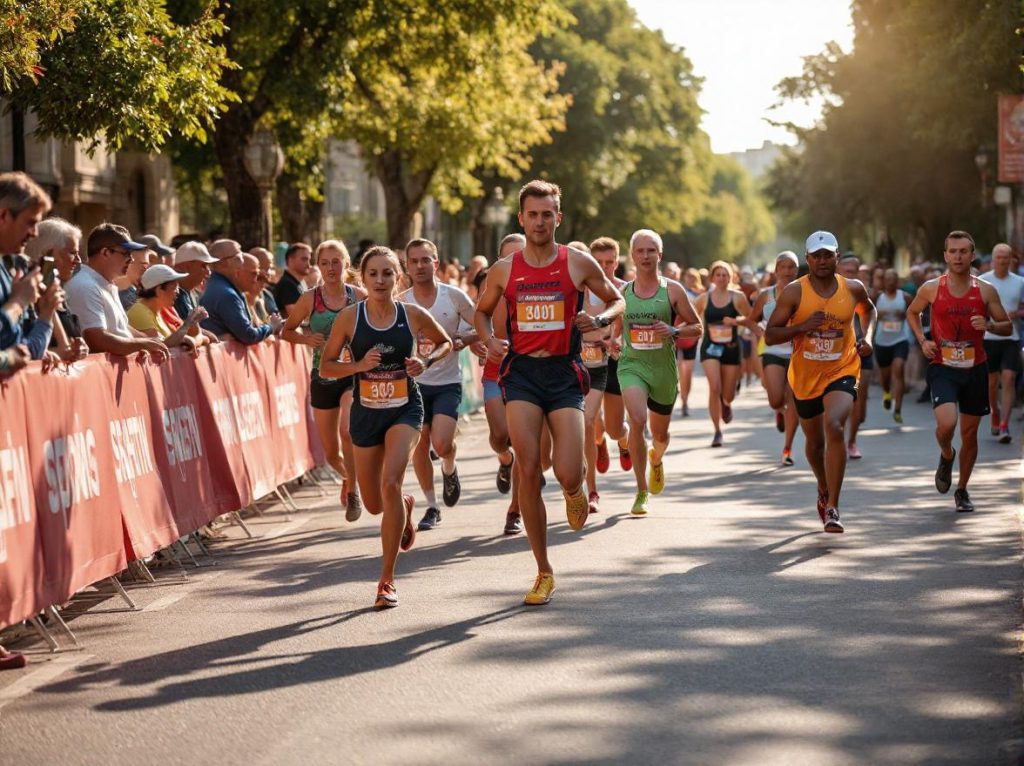
マラソン

持久力スポーツでは、トレーニング後の回復が重要になります。回復能力にはIL6遺伝子やCOL5A1遺伝子が関与しています。

(1) IL6遺伝子 – 炎症反応と回復能力

**IL6(インターロイキン-6)**は、運動後の炎症や筋損傷に関与するサイトカインをコードする遺伝子です。

  • IL6の高発現型
    • 炎症が長引きやすく、回復に時間がかかる
    • 抗炎症作用のある食品(オメガ3脂肪酸、クルクミン)を積極的に摂取すると良い
  • IL6の低発現型
    • 炎症が起こりにくく、回復が早い
    • 回復時間を短縮し、高頻度のトレーニングが可能

(2) COL5A1遺伝子 – けがのリスク

**COL5A1(コラーゲン遺伝子)**は、腱や靭帯の強度に関与し、持久系アスリートの怪我リスクを決定する重要な因子です(Collins & Raleigh, 2009)。

  • 変異型を持つ人
    • 靭帯の柔軟性が低く、アキレス腱炎や膝の靭帯損傷のリスクが高い
    • ストレッチやフォームローラーを活用し、ケアを徹底することが推奨される
  • 標準型を持つ人
    • 靭帯の強度が高く、怪我のリスクが低い

7. 遺伝子とトレーニングの実践例

実際に遺伝子検査を活用し、最適なトレーニングプログラムを設計した例を紹介します。

ケーススタディ 1: 長距離ランナーの例

  • ACTN3: XX型(持久力型)
  • ACE: II型(持久力向上)
  • PPARGC1A: 高発現型(ミトコンドリア生成能力が高い)

トレーニング計画:

  • 週5回の低強度有酸素運動(LSD)
  • 週1~2回のインターバルトレーニング
  • 食事は低脂肪・高炭水化物中心

ケーススタディ 2: トライアスリートの例

  • ACTN3: RX型(バランス型)
  • ACE: ID型(持久力とパワーのバランス)
  • IL6: 高発現型(炎症が長引きやすい)

トレーニング計画:

  • 週3回の高強度インターバルトレーニング(HIIT)
  • 週2回のスプリントトレーニング
  • 抗炎症作用のある食品(青魚、ターメリック)を積極的に摂取

8. まとめ

遺伝子情報を活用することで、持久力向上に最適なトレーニングと栄養戦略を設計できます。今後、スポーツ科学と遺伝学がさらに発展すれば、より精密な個別最適化トレーニングが実現するでしょう。


9. 遺伝子情報を活用したトレーニングの実践的アプローチ

クリアガラスDNAリング

遺伝子に基づいたトレーニング法を実際に活用するには、以下のステップを踏むことで、より効率的なプログラムを設計できます。

(1) 遺伝子検査の実施

まずは、持久力に関わる主要な遺伝子(ACTN3、ACE、PPARGC1A、IL6、COL5A1など)を調べることが重要です。近年では、遺伝子検査サービスを提供する企業が増えており、手軽に自分の遺伝的特徴を知ることができます。

(2) 遺伝子型に基づくトレーニングプランの設計

遺伝子検査の結果をもとに、最適なトレーニング方法を組み合わせます。例えば、ACTN3がXX型でACEがII型の人は持久力向上のために長時間の低強度トレーニングを優先し、逆にACTN3がRR型でACEがDD型の人は高強度のインターバルトレーニングを取り入れると良いでしょう。

(3) 栄養戦略の最適化

トレーニングと並行して、遺伝的特徴に適した栄養計画を立てることが重要です。例えば、AMY1のコピー数が少ない人は、脂質を主要なエネルギー源とするケトジェニックダイエットが有効かもしれません。一方、FABP2遺伝子の変異型を持つ人は、脂質よりも炭水化物を中心とした食事の方がパフォーマンス向上につながります。

(4) トレーニングの効果をモニタリング

遺伝子情報を活用したトレーニング法が実際に効果を発揮しているかどうかを確認するため、VO2maxや乳酸閾値(LT値)などのフィジカルデータを定期的に測定し、必要に応じてトレーニング内容を調整します。


10. 遺伝子情報を活用したトレーニングの最新研究

近年、遺伝子とスポーツパフォーマンスに関する研究が急速に進んでいます。特に、持久力スポーツに関わる遺伝子の解析が進んでおり、個別最適化トレーニングの実用化に向けた取り組みが活発になっています。

(1) 遺伝子と高地トレーニングの関係

持久系アスリートが行う高地トレーニングは、低酸素環境に適応し、持久力を向上させるための有効な手段です。最近の研究では、EPAS1遺伝子が高地適応に関与しており、この遺伝子の変異を持つ人は低酸素環境下でのパフォーマンス向上が期待できるとされています(Beall et al., 2010)。

  • EPAS1遺伝子の変異型を持つ人:高地トレーニングの効果が大きく、酸素運搬能力が向上しやすい
  • EPAS1遺伝子の変異がない人:低地トレーニングと組み合わせて調整が必要

(2) 遺伝子と疲労耐性の関係

持久力スポーツでは、筋肉の疲労をいかに軽減するかが重要です。NRF2遺伝子は、抗酸化作用を持つタンパク質の合成に関与し、疲労回復をサポートする役割を果たします(Piacentini et al., 2013)。

  • NRF2の高活性型:活性酸素を速やかに除去し、回復が早い
  • NRF2の低活性型:酸化ストレスの影響を受けやすく、抗酸化食品(ビタミンC、ポリフェノールなど)を積極的に摂取することが推奨される

(3) 遺伝子と心理的耐久力の関係

持久系スポーツでは、メンタルの強さも大きく影響します。BDNF(脳由来神経栄養因子)遺伝子は、ストレス耐性や集中力に関与しており、特定のバリアントを持つ人はメンタル面での持久力が高いとされています(Roth et al., 2018)。

  • BDNFの高活性型:ストレス耐性が強く、長時間のトレーニングでも集中を維持しやすい
  • BDNFの低活性型:メンタル面でのサポート(瞑想、マインドフルネス)が効果的

11. 遺伝子情報とパーソナライズドスポーツの未来

陸上1

今後、遺伝子解析技術がさらに進化することで、持久力スポーツにおけるパーソナライズドトレーニングがより高度化することが予想されます。

(1) AIと遺伝子情報を組み合わせたトレーニング設計

現在、AIを活用したトレーニングプログラムの開発が進んでいます。AIは、遺伝子情報、トレーニング履歴、食事データなどを解析し、最適なトレーニングプランを自動的に提案することが可能になります。

(2) 遺伝子編集技術の発展

CRISPR-Cas9技術の進歩により、将来的には持久力を向上させる特定の遺伝子を操作できる可能性も議論されています。しかし、倫理的な問題も多いため、今後の規制やガイドラインの整備が必要です。

(3) 遺伝子ドーピングの問題

遺伝子を改変して持久力を向上させる「遺伝子ドーピング」がスポーツ界で懸念されています。世界アンチ・ドーピング機関(WADA)は、遺伝子ドーピングの監視を強化しており、今後のスポーツ倫理の観点からも注目されています。


12. まとめ

遺伝子情報を活用することで、持久力向上に最適なトレーニングや栄養戦略を設計できることが明らかになってきました。今後のスポーツ科学の進歩により、さらに精密な個別最適化トレーニングが実現することが期待されます。


13. 遺伝子情報と環境要因の相互作用

持久力は遺伝的要因だけでなく、環境要因の影響も大きく受けます。遺伝子情報を活用したトレーニングが注目される一方で、環境要因との相互作用を考慮することが重要です。


(1) 遺伝子 × トレーニング環境

トレーニング環境は、遺伝的に持久力に適した特性を持つ人のパフォーマンスに大きな影響を与えます。例えば、高地出身のエリートランナーの多くは、低酸素環境に適応する遺伝子を持っていますが、それに加えて幼少期からの高地での生活やトレーニング経験が持久力向上に寄与しています。

  • 例:エチオピアやケニアのランナー
    • EPAS1遺伝子が高活性な個体が多く、低酸素環境への適応能力が高い
    • 幼少期から標高2000m以上の高地で生活し、自然に低酸素環境に適応
  • 例:低地育ちのアスリートが高地トレーニングを実施する場合
    • 高地での赤血球増加がパフォーマンス向上につながるが、EPAS1の活性が低い人は適応に時間がかかる
    • 徐々に高地でのトレーニング時間を増やし、過度な疲労を避けることが重要

このように、持久力に適した遺伝子を持っていたとしても、環境要因が適切でなければ最大限のパフォーマンスを発揮することは難しいのです。


(2) 遺伝子 × 栄養摂取

食事や栄養戦略も、遺伝子と相互作用して持久力に影響を与えます。例えば、糖質や脂質の代謝効率は個人差があり、遺伝子検査によってどのエネルギー源が最も効果的かを知ることができます。

  • AMY1遺伝子(炭水化物代謝に関与)
    • AMY1コピー数が多い人:炭水化物をエネルギー源として効率的に利用できる
    • AMY1コピー数が少ない人:血糖値の急上昇を防ぐため、低GI食品や脂質エネルギーを活用する方が適している
  • FTO遺伝子(体脂肪と食欲に関与)
    • 高リスク型の人は、高炭水化物食では脂肪蓄積が進みやすいため、低炭水化物・高タンパク食が推奨される
    • 低リスク型の人は、標準的なバランス食で問題なし

このように、個々の遺伝的特性に基づいて栄養計画を立てることで、持久力トレーニングの効果を最大化することができます。


14. 遺伝子情報を活用した持久力スポーツの未来

輝かしい未来

持久力スポーツの分野では、遺伝子情報を活用した新しいアプローチが登場しつつあります。


(1) パーソナライズド・スポーツサイエンスの進化

最新の研究では、遺伝子情報だけでなく、心拍変動(HRV)、血液検査、筋肉酸素飽和度などの生理学的データを組み合わせることで、より正確なトレーニング計画を作成できることが示されています。

  • AIを活用したデータ分析
    • 遺伝子情報 × トレーニングデータ × 栄養データを統合し、個別最適化されたトレーニングプログラムを自動生成
    • 持久力向上だけでなく、怪我のリスク低減や疲労管理にも応用可能

(2) 遺伝子編集とスポーツ倫理

近年、CRISPR-Cas9などの遺伝子編集技術の進化により、遺伝子レベルでスポーツ能力を向上させる可能性が議論されています。

  • 遺伝子ドーピングの懸念
    • 2021年の東京オリンピックでは、WADA(世界アンチ・ドーピング機関)が「遺伝子ドーピング」の可能性を監視
    • EPO遺伝子の改変による赤血球増加など、持久力向上を目的とした遺伝子操作が問題視されている

遺伝子編集が進化すれば、未来のアスリートは持久力を高めるために遺伝子を操作する時代が来るかもしれません。しかし、スポーツの公平性や倫理の問題もあるため、今後の規制やルール整備が求められています。


15. 遺伝子解析技術の発展と一般アスリートへの応用

陸上3

現在、遺伝子解析技術はプロアスリートだけでなく、一般のフィットネス愛好者にも応用されつつあります。

(1) 遺伝子検査キットの普及

近年、個人向けの遺伝子検査キットが増え、手軽に自分の遺伝的特性を知ることが可能になっています。

  • 提供企業の例
    • 23andMe(アメリカ):スポーツ能力や持久力遺伝子の解析
    • DNAfit(イギリス):個別のトレーニング&栄養アドバイス
    • GeneLife(日本):日本人向けの遺伝子検査サービス

このようなサービスを利用することで、自分の遺伝的な持久力の特性を知り、トレーニングや食事の最適化を図ることができます。


16. これからの持久力トレーニングの方向性

今後、持久力トレーニングはさらに科学的アプローチが進み、遺伝子情報を活用した「精密スポーツ科学」が主流になると考えられます。

  • AIとビッグデータを活用したパーソナライズドトレーニング
  • 遺伝子解析と栄養科学を統合したオーダーメイド食事プラン
  • 遺伝子改変を防ぐためのスポーツ倫理とルール整備

持久力トレーニングの未来は、遺伝子情報を活用しながら、科学的根拠に基づいた最適な方法を追求する時代へと進化していくでしょう。

17. 遺伝子情報を活用したパフォーマンス向上の実践例

実際に遺伝子情報を活用して持久力を向上させたアスリートの事例を紹介します。

(1) マラソン選手の例

  • ACTN3: XX型(持久力型)
  • ACE: II型(持久力向上に有利)
  • PPARGC1A: 高発現型(ミトコンドリア生成能力が高い)

トレーニング計画:

  • 週5回の低強度有酸素運動(LSDトレーニング)
  • 週1~2回のインターバルトレーニング
  • 栄養戦略として、高炭水化物食とオメガ3脂肪酸の摂取を推奨

このように、遺伝子情報をもとに個別最適化したトレーニングを行うことで、効率的に持久力を向上させることが可能になります。

今後、スポーツ科学の発展とともに、遺伝子情報を活用した持久力トレーニングが一般アスリートにも広く普及していくことが期待されます。

まとめ

遺伝子情報を活用した持久力トレーニングは、個々の特性に応じた最適なプログラムを設計し、効率的にパフォーマンスを向上させる可能性を秘めています。ACTN3、ACE、PPARGC1Aなどの遺伝子が持久力に影響を与え、栄養戦略やトレーニング方法を個別化することで、効果的な持久力向上が期待できます。今後、スポーツ科学と遺伝学の進化により、遺伝子情報を活用した精密トレーニングが一般アスリートにも広く普及するでしょう。

詳しくは ヒロクリニック全国のクリニック一覧 をご覧ください。

Posted on 2024年 12月 6日 マラソン

近年来,运动科学与遗传学的融合不断推进,基于个体基因信息的训练方法研究也日趋活跃。耐力由遗传和环境因素共同决定,但随着基因分析技术的发展,影响耐力的具体基因正逐渐清晰。本文将阐述提高耐力的主要基因,以及基于这些基因的最佳训练方法。


1. 耐力与遗传的关系

耐力是指持续长时间运动的能力,与有氧能力和肌肉耐力相关。最常用的耐力指标是**最大摄氧量 (VO2max)**。研究表明,VO2max 约 50% 受遗传因素影响 (Bouchard et al., 1999)。此外,众所周知,个体对训练的适应程度存在遗传差异,即使进行相同的训练,也存在个体差异。

基因分析已经发现了几种与耐力相关的基因,包括 ACTN3、ACE 和 PPARGC1A,已知它们与提高耐力有关。

No categories found for this post.

2. 与耐力相关的主要基因

(1) ACTN3 基因——影响快肌和慢肌的特性

ACTN3(α-辅肌动蛋白-3)是一种编码快肌纤维中大量存在的蛋白质的基因。该基因有三种类型:RR、RX和XX。XX型的人尤其难以发育快肌纤维,被认为适合耐力运动(Yang等人,2003)。

ACTN3基因型的特征:

  • RR型/RX型:快肌纤维容易发育,适合短距离跑和力量型运动。
  • XX型:具有适合提高耐力的肌肉纤维组成,适合长跑和马拉松。

基于ACTN3的训练方法

  • XX型:长期低强度有氧运动(LSD训练)、间歇训练
  • RR/RX 类型:高强度短期训练 (HIIT)、冲刺间歇训练

(2)ACE基因——与血压调节和耐力的关系

**ACE(血管紧张素转换酶)是一种参与血压调节并影响肌肉耐力的基因。该基因有两种类型:I型(插入型)和D型(缺失型)。** 研究发现,I型在提高耐力方面更具优势(Montgomery等人,1998)。

ACE基因型的特征:

  • II型(I/I):适合提高耐力,长跑,登山等。
  • ID类型(I/D):平衡耐力和力量
  • DD型(D/D):适合短距离跑步和力量型运动

基于ACE的训练方法

  • 第二类:低强度、长时间的有氧运动
  • DD 型:包括无氧运动和短跑的训练
  • ID:平衡的训练计划

(3)PPARGC1A基因——线粒体功能和耐力

PPARGC1A (PGC-1α) 是一种促进线粒体生成并改善能量代谢的基因。据报道,PPARGC1A 基因的某些变异在耐力运动员中很常见 (Eynon 等人,2011)

PPARGC1A的特点:

  • 促进线粒体的增加,有助于提高耐力
  • 加强有氧代谢,减少疲劳积累

基于PPARGC1A的训练方法

  • 低强度、长期训练以促进线粒体(2 区训练)
  • 间歇训练以提高耐力
No categories found for this post.

3. 利用遗传信息进行个性化优化训练

筋トレ

利用这些基因信息,可以设计出适合每个人特征的训练计划。以下是一般耐力训练和基于基因的训练方法的比较。

基因类型推荐的训练方法

促肾上腺皮质激素3二十長距離ランニング、低強度有酸素運動
促肾上腺皮质激素3接收/接收HIIT、スプリントトレーニング
高手長時間の有酸素運動(マラソン、登山)
高手DD短时间、高强度运动(短跑、重量训练)
过氧化物酶体增殖物激活受体1A高活性

强化线粒体的2区训练
过氧化物酶体增殖物激活受体1A低活性

使用间歇训练

4. 使用基因检测的好处

最近,人们已经可以通过基因检测试剂盒了解一个人的遗传倾向,这具有以下好处:

  • 选择最佳训练方法
  • 最大限度地提高培训效率并减少浪费
  • 降低受伤风险

通过利用基因信息,将可以进行更加科学有效的训练,预计未来耐力运动的个体优化训练将得到进一步发展。

5. 利用遗传信息制定营养策略

除了适当的训练,营养策略对于提高耐力也至关重要。由于能量代谢效率和特定营养素的需求因基因而异,因此根据个体基因特征制定营养计划,有望更有效地提高耐力。


(1)能量代谢与基因的关系

有效利用能量的能力受到 PPARGC1A 和 FABP2 基因的影响。

  • PPARGC1A基因(参与线粒体的生物合成)
    • 活动量大的人利用脂肪作为能量来源的能力强,适合耐力运动。
    • 活动量低的人优先考虑碳水化合物代谢,因此训练前后摄入碳水化合物很重要
  • FABP2基因(参与脂肪酸运输)
    • 患有这种突变的人消化和吸收脂肪的效率较低,因此他们需要碳水化合物作为主要能量来源。
No categories found for this post.

(2)蛋白质代谢与基因

充足的蛋白质摄入对于提高肌肉耐力也至关重要。FTO基因与体脂百分比相关,携带高风险变异的人或许可以通过增加蛋白质摄入来预防体脂增加 (Sonestedt et al., 2011)。

  • FTO基因 高危人群
    • 建议高蛋白饮食(每公斤体重1.6-2.2克蛋白质)
    • 保持低脂肪、高蛋白饮食
  • 携带低风险FTO基因的人
    • 正常的蛋白质摄入量(1.2-1.6g/kg)就足够了

(3)碳水化合物利用与基因

代谢碳水化合物的能力在耐力运动中非常重要,碳水化合物的消化和吸收能力因AMY1基因拷贝数的不同而不同(Perry et al., 2007)。

  • 拥有更多 AMY1 基因拷贝的人
    • 碳水化合物消化率高,糖分高效转化为能量
    • 轻松适应马拉松和长跑
  • AMY1 基因拷贝数较少的人
    • 由于碳水化合物代谢效率低下,耐力训练期间的表现可能会下降
    • 采用低 GI 食物和脂质作为能量来源的饮食策略是有效的。

6.耐力运动和基因导致的恢复能力差异

マラソン

在耐力运动中,训练后的恢复非常重要,而IL6基因和COL5A1基因与恢复能力有关。

(1)IL6基因——炎症反应与恢复能力

**IL6(白细胞介素 6)** 是一种编码与运动后炎症和肌肉损伤有关的细胞因子的基因。

  • IL6 高表达
    • 炎症往往持续时间较长,恢复也需要更长时间
    • 积极食用具有抗炎特性的食物(ω-3 脂肪酸、姜黄素)是个好主意
  • IL6表达低
    • 炎症减少,恢复更快
    • 减少恢复时间并增加训练频率

(2)COL5A1基因——受伤风险

**COL5A1(胶原蛋白基因)**与肌腱和韧带强度有关,是决定耐力运动员受伤风险的重要因素(Collins & Raleigh,2009)。

  • 患有基因突变的人
    • 韧带灵活性降低,增加了跟腱炎和膝关节韧带损伤的风险
    • 建议通过使用伸展运动和泡沫轴来好好照顾自己。
  • 具有标准类型的人
    • 韧带强度高,受伤风险低
No categories found for this post.

7. 遗传学与训练实践的例子

我们将介绍一个利用基因检测来设计最佳训练计划的实际案例。

案例研究1:长跑运动员

  • ACTN3: XX型(持久力型)
  • ACE:II 型(提高耐力)
  • PPARGC1A:高表达型(高线粒体生产能力)

训练计划:

  • 每周5次低强度有氧运动(LSD)
  • 每周进行一到两次间歇训练
  • 饮食低脂肪、高碳水化合物

案例研究2:铁人三项运动员

  • ACTN3:RX类型(平衡型)
  • ACE:ID型(耐力与力量平衡)
  • IL6:高表达型(容易延长炎症)

训练计划:

  • 每周进行3次高强度间歇训练(HIIT)
  • 每周两次短跑训练
  • 积极食用具有抗炎特性的食物(含油鱼、姜黄)

8.总结

利用遗传信息,我们可以为耐力发展设计最佳的训练和营养策略,而运动科学和遗传学的进一步发展将允许更精确的个性化训练优化。


9. 利用遗传信息进行训练的实用方法

クリアガラスDNAリング

为了真正利用遗传训练方法,您可以采取以下步骤来设计更有效的程序:

(1)基因检测

首先,检查与耐力相关的主要基因(ACTN3、ACE、PPARGC1A、IL6、COL5A1等)非常重要。近年来,提供​​基因检测服务的公司越来越多,因此可以轻松了解自己的基因特征。

(2)根据基因型设计训练计划

根据基因检测结果,我们将结合最合适的训练方法。例如,携带 ACTN3 XX 和 ACE II 基因的患者应优先进行长时间、低强度的训练以提高耐力;而携带 ACTN3 RR 和 ACE DD 基因的患者则应结合高强度间歇训练。

(3)优化营养策略

除了训练之外,制定适合您基因特征的营养计划也至关重要。例如,AMY1 基因拷贝数较低的人可能受益于以脂质为主要能量来源的生酮饮食。另一方面,携带 FABP2 基因变异的人可能受益于以碳水化合物而非脂质为主的饮食。

(4)监测培训效果

为了验证利用基因信息的训练方法是否真的有效,将定期测量VO2max和乳酸阈值(LT值)等身体数据,并根据需要调整训练内容。

No categories found for this post.

10. 利用基因信息进行训练的最新研究

近年来,基因与运动表现的研究进展迅速,特别是耐力运动相关基因的分析不断进步,个性化优化训练的实际应用也日益活跃。

(1)基因与高原训练的关系

对于耐力型运动员来说,高原训练是适应低氧环境、提高耐力水平的有效途径。最近的研究表明,EPAS1基因参与了高原适应,携带该基因突变的人群有望提高在低氧环境下的表现(Beall等人,2010)。

  • 携带EPAS1基因变异的人:高原训练效果更佳,更有可能提高氧气输送能力
  • 未携带EPAS1基因突变的人:需要结合低海拔训练进行调整

(2)基因与抗疲劳能力的关系

在耐力运动中,减少肌肉疲劳至关重要。NRF2基因参与具有抗氧化特性的蛋白质的合成,并在支持疲劳恢复中发挥作用(Piacentini et al., 2013)。

  • NRF2的高活性形式:快速清除活性氧,促进快速恢复
  • NRF2活性低:易受氧化应激影响。建议积极摄入抗氧化食物(维生素C、多酚等)。

(3)基因与心理复原力的关系

在耐力运动中,心理素质也发挥着重要作用。脑源性神经营养因子 (BDNF) 基因与抗压能力和注意力有关,据称,拥有某些基因变异的人心理耐力更强 (Roth 等人,2018)。

  • 高活性 BDNF:具有很强的抗压力能力,即使在长时间的训练中也能保持注意力集中
  • BDNF活性低:精神支持(冥想、正念)有效

11. 基因信息与个性化体育的未来

陸上1

随着未来基因分析技术的不断发展,预计耐力运动的个性化训练将会更加先进。

(1)结合人工智能与基因信息的训练设计

目前,利用人工智能的训练方案正在开发中。人工智能将能够分析基因信息、训练历史、饮食数据等,并自动推荐最佳训练计划。

(2)基因编辑技术的发展

随着CRISPR-Cas9技术的进步,未来或许能够通过操纵特定基因来提高耐力。然而,这其中涉及许多伦理问题,未来也需要制定相关的法规和指导方针。

(3)基因兴奋剂问题

“基因兴奋剂”是指通过改变基因来提高耐力的物质,如今已成为体育界关注的焦点。世界反兴奋剂机构(WADA)已加强对基因兴奋剂的监管,从未来体育伦理的角度看,该问题正受到关注。


13.遗传信息与环境因素的相互作用

耐力不仅受遗传因素影响,还受环境因素影响。虽然利用遗传信息的训练越来越受到关注,但考虑其与环境因素的相互作用也至关重要。

No categories found for this post.

13.遗传信息与环境因素的相互作用

耐力不仅受遗传因素影响,还受环境因素影响。虽然利用遗传信息的训练越来越受到关注,但考虑其与环境因素的相互作用也至关重要。


(1)基因×训练环境

训练环境对具有耐力基因的人的表现有着显著的影响。例如,许多来自高海拔地区的优秀跑步运动员拥有适应低氧环境的基因,此外,从小在高海拔地区生活和训练也有助于提高他们的耐力。

  • 例如:埃塞俄比亚和肯尼亚的选手
    • 许多个体具有高度活跃的EPAS1基因,这使得它们能够高度适应低氧环境。
    • 它们从小就生活在海拔2000米以上的地方,自然适应低氧环境。
  • 示例:低海拔运动员正在进行高海拔训练
    • 高海拔地区红细胞数量增加可提高运动表现,但 EPAS1 活性低的人适应较慢
    • 重要的是逐渐增加高海拔地区的训练时间并避免过度疲劳。

因此,即使你拥有正确的耐力基因,如果环境因素不合适,你也很难发挥出最佳水平。


(2)基因×营养

饮食和营养策略也会与基因相互作用,影响耐力。例如,我们每个人代谢碳水化合物和脂肪的效率都比其他人高,而基因检测可以告诉我们哪些能量来源对我们最有效。

  • AMY1基因(参与碳水化合物代谢)
    • 拥有更多 AMY1 拷贝的人:能够更有效地利用碳水化合物作为能量来源的人
    • AMY1拷贝数低的人:为了防止血糖水平突然升高,最好食用低GI食物和脂质能量。
  • FTO基因(与体脂和食欲有关)
    • 对于高风险人群,建议采用低碳水化合物、高蛋白质饮食,因为高碳水化合物饮食更容易促进脂肪堆积。
    • 对于低风险类型的人来说,标准的均衡饮食就可以了。

这样,您就可以根据个人基因定制营养计划,最大限度地发挥耐力训练的益处。


14. 利用基因信息预测耐力运动的未来

輝かしい未来

在耐力运动领域,利用基因信息的新方法开始出现。


(1)个性化运动科学的演变

最近的研究表明,通过结合遗传信息以及心率变异性 (HRV)、血液测试和肌肉氧饱和度等生理数据,可以制定更准确的训练计划。

  • 基于人工智能的数据分析
    • 整合遗传信息、训练数据和营养数据,自动生成个性化优化的训练计划
    • 它不仅可以用于提高耐力,还可以降低受伤风险和控制疲劳。
No categories found for this post.

(2)基因编辑与体育伦理

近年来,CRISPR-Cas9等基因编辑技术的进步,提高了从基因层面提高运动成绩的可能性。

  • 基因兴奋剂问题
    • 2021年东京奥运会,世界反兴奋剂机构(WADA)将监控“基因兴奋剂”的可能性。
    • 旨在提高耐力的基因操作,例如通过修改 EPO 基因来增加红细胞,被认为是有问题的。

随着基因编辑技术的进步,运动员未来或许能够通过操控基因来提升耐力。然而,体育运动也存在公平性和道德性的问题,因此未来需要制定相应的规章制度。


15. 基因分析技术的发展及其在普通运动员中的应用

陸上3

目前,基因分析技术不仅应用于专业运动员,也应用于普通健身爱好者。

(1)基因检测试剂盒的普及

近年来,个人基因检测试剂盒的数量不断增加,让人们能够轻松了解自己的基因特征。

  • 提供商示例
    • 23andMe(美国):运动能力和耐力基因分析
    • DNAfit(英国):个性化训练和营养建议
    • GeneLife(日本):为日本人提供基因检测服务

通过这些服务,您可以了解您的遗传耐力特征并优化您的训练和饮食。


16. 耐力训练的未来方向

未来耐力训练将更加科学化,利用基因信息的“精准运动科学”有望成为主流。

  • 利用人工智能和大数据进行个性化培训
  • 结合基因分析和营养科学的定制膳食计划
  • 防止基因改造的体育伦理和规则

未来的耐力训练将演变为利用遗传信息以科学证据为基础寻求最佳方法的时代。

17. 利用遗传信息提高绩效的例子

我们将介绍一些实际利用基因信息来提高耐力的运动员的例子。

(1)马拉松运动员的例子

  • ACTN3:XX型(耐力型)
  • ACE:II型(有利于提高耐力)
  • PPARGC1A:高表达型(高线粒体生产能力)

训练计划:

  • 每周5次低强度有氧运动(LSD训练)
  • 每周进行一到两次间歇训练
  • 营养策略包括高碳水化合物饮食和 Omega-3 脂肪酸摄入

这样,通过根据基因信息进行个性化优化训练,可以有效提高耐力。

随着未来运动科学的进步,预计利用基因信息进行耐力训练将在普通运动员中得到更加广泛的普及。

概括

利用基因信息进行耐力训练,有可能根据个体特征设计最佳训练方案,有效提升运动表现。ACTN3、ACE 和 PPARGC1A 等基因会影响耐力,通过个性化营养策略和训练方法,我们有望有效提升耐力。未来,随着运动科学和遗传学的发展,利用基因信息的精准训练将在普通运动员中得到更广泛的应用。

No categories found for this post.
Posted on 2024年 12月 6日 マラソン

In recent years, the fusion of sports science and genetics has progressed, and research into training methods based on individual genetic information has become more active. Endurance is determined by both genetic and environmental factors, but with the development of genetic analysis technology, specific genes that affect endurance are becoming clear. In this article, we will explain the main genes involved in improving endurance and the optimal training methods based on them.


1. The relationship between endurance and genetics

Endurance is the ability to continue exercising for a long period of time, and is related to aerobic capacity and muscular endurance. The most commonly used indicator of endurance is **maximum oxygen uptake (VO2max)**. Research has shown that approximately 50% of VO2max is determined by genetic factors (Bouchard et al., 1999). It is also known that there are genetic differences in the degree of adaptation to training, and individual differences occur even when performing the same training.

Genetic analysis has identified several genes related to endurance, including ACTN3, ACE, and PPARGC1A, which are known to be involved in improving endurance.


2. Major genes related to endurance

(1) ACTN3 gene – affects fast and slow muscle characteristics

ACTN3 (α-actinin-3) is a gene that codes for a protein that is abundant in fast-twitch muscle fibers. There are three types of this gene: RR, RX, and XX. People with XX type in particular have difficulty developing fast-twitch muscle fibers and are considered to be suitable for endurance sports (Yang et al., 2003).

Characteristics of ACTN3 genotype:

  • RR type/RX type: Fast twitch muscle fibers are easily developed, and they are suitable for short distance running and power sports.
  • XX type: Has muscle fiber composition suitable for improving endurance, and is suitable for long-distance running and marathons.

ACTN3-based training method

  • Type XX: Long-term low-intensity aerobic exercise (LSD training), interval training
  • RR/RX types: High-intensity short-term training (HIIT), sprint intervals

(2) ACE gene – relationship to blood pressure regulation and endurance

ACE (angiotensin-converting enzyme) is a gene that is involved in blood pressure regulation and also affects muscle endurance. This gene exists in two types: type I (insertion type) and type D (deletion type). It has been found that type I is more advantageous in terms of improving endurance (Montgomery et al., 1998).

Characteristics of ACE genotypes:

  • Type II (I/I): Suitable for improving endurance, long-distance running, mountain climbing, etc.
  • ID type (I/D): Balanced endurance and power
  • DD type (D/D): Suitable for short distance running and power sports

ACE-based training method

  • Type II: Low-intensity, long-term aerobic exercise
  • Type DD: Training that includes anaerobic exercise and short sprints
  • ID: A Balanced Training Program

(3) PPARGC1A gene – mitochondrial function and endurance

PPARGC1A (PGC-1α)** is a gene that promotes mitochondrial production and improves energy metabolism. It has been reported that certain variants of the PPARGC1A gene are frequently seen in endurance athletes (Eynon et al., 2011).

Characteristics of PPARGC1A:

  • Promotes the increase of mitochondria and contributes to improved endurance
  • Strengthening aerobic metabolism and reducing fatigue accumulation

PPARGC1A-based training method

  • Low-intensity, long-term training to boost mitochondria (Zone 2 training)
  • Interval training for improved endurance

3. Individually optimized training using genetic information

筋トレ

By utilizing this genetic information, it is possible to design a training program that is suited to each individual’s characteristics. Below is a comparison of general endurance training and genetically-based training methods.

GeneTypeRecommended Training Methods
ACTN3XXLong distance running, low intensity aerobic exercise
ACTN3RR/RXHIIT, Sprint Training
ACEIILong-term aerobic exercise (marathon, mountain climbing)
ACEDDShort, high-intensity exercise (sprints, weight training)
PPARGC1AHigh activityZone 2 Training for Strengthening Mitochondria
PPARGC1ALow activityUse interval training

4. Benefits of using genetic testing

Recently, it has become possible to know one’s genetic tendencies using genetic testing kits, which offers the following benefits:

  • Choose the best training method
  • Maximize your training efficiency and reduce waste
  • Reduces the risk of injury

By utilizing genetic information, it will be possible to carry out more scientifically effective training, and it is expected that individual optimization training in endurance sports will further evolve in the future.

5. Nutritional strategies using genetic information

In addition to proper training, a nutritional strategy is also important for improving endurance. Since the efficiency of energy metabolism and the requirement for specific nutrients vary depending on genes, more effective endurance improvement can be expected by creating a nutritional plan according to individual genetic characteristics.


(1) Relationship between energy metabolism and genes

The ability to use energy efficiently is influenced by the PPARGC1A and FABP2 genes.

  • PPARGC1A gene (involved in the biogenesis of mitochondria)
    • Highly active people have a high ability to use fat as an energy source and are suited to endurance exercise.
    • Low activity people prioritize carbohydrate metabolism, so consuming carbohydrates before and after training is important
  • FABP2 gene (involved in fatty acid transport)
    • People with the mutation are less efficient at digesting and absorbing fat, so they need carbohydrates as their main source of energy.

(2) Protein metabolism and genes

Adequate protein intake is also important for improving muscular endurance. The FTO gene is associated with body fat percentage, and those with a high-risk variant may be able to prevent the increase in body fat by increasing their protein intake (Sonestedt et al., 2011).

  • FTO gene People with high-risk type
    • A high-protein diet (1.6–2.2 g protein per kg body weight) is recommended
    • Maintain a low-fat, high-protein diet
  • People with low-risk FTO gene
    • A normal protein intake (1.2-1.6g/kg) is sufficient

(3) Carbohydrate utilization and genes

The ability to metabolize carbohydrates is important in endurance sports, and carbohydrate digestion and absorption abilities differ depending on the copy number of the AMY1 gene (Perry et al., 2007).

  • People with more copies of the AMY1 gene
    • High carbohydrate digestibility and efficient conversion of sugar into energy
    • Easy to adapt to marathons and long distance running
  • People with fewer copies of the AMY1 gene
    • Because carbohydrate metabolism is inefficient, performance during endurance exercise is likely to decline
    • It is effective to adopt a dietary strategy that uses low GI foods and lipids as an energy source.

6. Differences in recovery ability due to endurance sports and genes

マラソン

In endurance sports, recovery after training is important, and the IL6 gene and COL5A1 gene are involved in recovery ability.

(1) IL6 gene – inflammatory response and recovery ability

IL6 (interleukin-6)** is a gene that encodes a cytokine involved in inflammation and muscle damage after exercise.

  • High expression of IL6
    • Inflammation tends to last longer and recovery takes longer
    • It is a good idea to actively consume foods with anti-inflammatory properties (omega-3 fatty acids, curcumin)
  • Low expression of IL6
    • Less inflammation and faster recovery
    • Reduce recovery time and train more frequently

(2) COL5A1 gene – injury risk

COL5A1 (collagen gene)** is involved in tendon and ligament strength and is an important factor determining injury risk in endurance athletes (Collins & Raleigh, 2009).

  • People with the mutation
    • Less flexibility in the ligaments, which increases the risk of Achilles tendonitis and knee ligament injury
    • It is recommended to take good care of yourself by using stretches and foam rollers.
  • A person with a standard type
    • High ligament strength and low risk of injury

7. Examples of Genetics and Training in Practice

We will introduce an example of an actual case where genetic testing was used to design an optimal training program.

Case study 1: The long-distance runner

  • ACTN3: XX type (endurance type)
  • ACE: Type II (improved endurance)
  • PPARGC1A: High expression type (high mitochondrial production ability)

Training plan:

  • Low-intensity aerobic exercise (LSD) 5 times a week
  • Interval training once or twice a week
  • The diet is low-fat and high-carb

Case Study 2: Triathletes

  • ACTN3: RX type (balanced type)
  • ACE: ID type (balance of endurance and power)
  • IL6: High expression type (prone to prolong inflammation)

Training plan:

  • High-intensity interval training (HIIT) 3 times a week
  • Sprint training twice a week
  • Actively consume foods with anti-inflammatory properties (oil-filled fish, turmeric)

8. Summary

Using genetic information, we can design optimal training and nutrition strategies for endurance development, and further developments in sports science and genetics will allow for even more precise individualized optimization of training.


9. A practical approach to training using genetic information

クリアガラスDNAリング

To really take advantage of genetic training methods, here are some steps you can take to design a more efficient program:

(1) Genetic testing

First of all, it is important to check the major genes related to endurance (ACTN3, ACE, PPARGC1A, IL6, COL5A1, etc.). In recent years, the number of companies offering genetic testing services has increased, making it easy to find out your genetic characteristics.

(2) Designing training plans based on genotype

Based on the results of the genetic test, the most suitable training method will be combined. For example, a person with ACTN3 XX and ACE II should prioritize long, low-intensity training to improve endurance, whereas a person with ACTN3 RR and ACE DD should incorporate high-intensity interval training.

(3) Optimizing nutrition strategies

Along with training, it is important to develop a nutrition plan that is appropriate for your genetic characteristics. For example, a person with a low copy number of AMY1 may benefit from a ketogenic diet that uses lipids as the main energy source. On the other hand, a person with a variant of the FABP2 gene may benefit from a diet that is more carbohydrate-based than lipid-based.

(4) Monitoring the effectiveness of training

To verify whether the training method utilizing genetic information is actually effective, physical data such as VO2max and lactate threshold (LT value) will be measured regularly and the training content will be adjusted as necessary.


10. Latest research into training using genetic information

In recent years, research into genes and sports performance has progressed rapidly. In particular, analysis of genes related to endurance sports has progressed, and efforts toward the practical application of individually optimized training have become active.

(1) The relationship between genes and high altitude training

High-altitude training for endurance athletes is an effective way to adapt to low-oxygen environments and improve endurance. Recent studies have shown that the EPAS1 gene is involved in high-altitude adaptation, and that people with mutations in this gene are expected to improve their performance in low-oxygen environments (Beall et al., 2010).

  • People with a variant of the EPAS1 gene: High altitude training has a greater effect and is more likely to improve oxygen transport capacity
  • People without the EPAS1 gene mutation: Adjustments are required in combination with low altitude training

(2) Relationship between genes and fatigue resistance

In endurance sports, it is important to reduce muscle fatigue. The NRF2 gene is involved in the synthesis of proteins with antioxidant properties and plays a role in supporting fatigue recovery (Piacentini et al., 2013).

  • Highly active form of NRF2: Rapidly removes reactive oxygen species and promotes rapid recovery
  • Low activity of NRF2: Easily affected by oxidative stress. It is recommended to actively consume antioxidant foods (vitamin C, polyphenols, etc.).

(3) The relationship between genes and psychological resilience

In endurance sports, mental strength also plays a major role. The BDNF (brain-derived neurotrophic factor) gene is involved in stress resistance and concentration, and people with certain variants are said to have greater mental endurance (Roth et al., 2018).

  • Highly active BDNF: Highly stress resistant and helps maintain concentration even during long training sessions
  • Low activity of BDNF: Mental support (meditation, mindfulness) is effective

11. Genetic Information and the Future of Personalized Sports

陸上1

As genetic analysis technology continues to evolve in the future, it is expected that personalized training in endurance sports will become even more advanced.

(1) Training design combining AI and genetic information

Currently, the development of training programs that utilize AI is progressing. AI will be able to analyze genetic information, training history, dietary data, etc., and automatically suggest optimal training plans.

(2) Development of gene editing technology

With the advancement of CRISPR-Cas9 technology, it is possible that in the future it may be possible to manipulate specific genes to improve endurance. However, there are many ethical issues involved, and future regulations and guidelines will need to be established.

(3) The problem of gene doping

“Gene doping,” which involves modifying genes to improve endurance, has become a concern in the sports world. The World Anti-Doping Agency (WADA) has strengthened its monitoring of gene doping, and it is attracting attention from the perspective of future sports ethics.


12. Summary

It is becoming clear that genetic information can be used to design optimal training and nutritional strategies for improving endurance. With future advances in sports science, it is expected that even more precise individual optimization training will become possible.


13. Interaction between genetic information and environmental factors

Endurance is greatly influenced not only by genetic factors but also by environmental factors. While training utilizing genetic information is gaining attention, it is important to take into account the interaction with environmental factors.


(1) Genes × Training Environment

The training environment has a significant impact on the performance of people who are genetically suited to endurance. For example, many elite runners who come from high altitudes have genes that are adapted to low-oxygen environments, and in addition, living and training at high altitudes from an early age also contributes to improving their endurance.

  • Example: Ethiopian and Kenyan runners
    • Many individuals have highly active EPAS1 genes, making them highly adaptable to low-oxygen environments.
    • They live at altitudes of over 2000m from an early age and naturally adapt to low-oxygen environments.
  • Example: A low-altitude athlete undergoing high-altitude training
    • Increased red blood cell count at high altitudes leads to improved performance, but people with low EPAS1 activity are slow to adapt
    • It is important to gradually increase your training time at altitude and avoid over-fatigue.

So even if you have the right genes for endurance, it’s difficult to perform at your best if the environmental factors aren’t right.


(2) Genes × Nutrition

Diet and nutritional strategies also interact with genes to affect endurance. For example, we all metabolize carbohydrates and fats more efficiently than others, and genetic testing can inform which energy sources are most effective for us.

  • AMY1 gene (involved in carbohydrate metabolism)
    • People with more copies of AMY1: People who can use carbohydrates more efficiently as an energy source
    • People with low AMY1 copy number: To prevent a sudden rise in blood sugar levels, it is better to consume low GI foods and lipid energy.
  • FTO gene (involved in body fat and appetite)
    • For high-risk individuals, a low-carbohydrate, high-protein diet is recommended, as a high-carbohydrate diet is more likely to promote fat accumulation.
    • For people with low-risk types, a standard balanced diet will be fine.

In this way, you can maximise the benefits of your endurance training by tailoring your nutrition plan to your individual genetics.


14. The future of endurance sports using genetic information

輝かしい未来

In the field of endurance sports, new approaches that utilize genetic information are beginning to emerge.


(1) The evolution of personalized sports science

Recent research shows that by combining not only genetic information but also physiological data such as heart rate variability (HRV), blood tests and muscle oxygen saturation, more accurate training plans can be created.

  • AI-based data analysis
    • Integrates genetic information, training data, and nutritional data to automatically generate an individually optimized training program
    • Not only can it be used to improve endurance, but also to reduce the risk of injury and manage fatigue.

(2) Gene editing and sports ethics

In recent years, advances in gene editing technologies such as CRISPR-Cas9 have raised the possibility of improving sports performance at the genetic level.

  • Gene doping concerns
    • At the 2021 Tokyo Olympics, the World Anti-Doping Agency (WADA) will monitor the possibility of “gene doping.”
    • Genetic manipulation aimed at improving endurance, such as increasing red blood cells by modifying the EPO gene, is viewed as problematic.

As gene editing advances, it may become possible for athletes to manipulate their genes to improve their endurance in the future. However, there are also issues of fairness and ethics in sports, so future regulations and rules will be required.


15. Development of genetic analysis technology and its application to general athletes

陸上3

Currently, genetic analysis technology is being applied not only to professional athletes but also to general fitness enthusiasts.

(1) Dissemination of genetic testing kits

In recent years, the number of genetic testing kits for individuals has increased, making it easy to learn about one’s genetic characteristics.

  • Examples of providers
    • 23andMe (USA): Analysis of sports ability and endurance genes
    • DNAfit (UK): personalized training and nutrition advice
    • GeneLife (Japan): Genetic testing service for Japanese people

Using these services, you can learn about your genetic endurance characteristics and optimize your training and diet.


16. Future direction of endurance training

In the future, endurance training will see a more scientific approach, with “precision sports science” that utilizes genetic information expected to become mainstream.

  • Personalized training using AI and big data
  • Customized meal plans that combine genetic analysis and nutritional science
  • Sports ethics and rules to prevent genetic modification

The future of endurance training will evolve into an era in which genetic information is utilized to pursue optimal methods based on scientific evidence.

17. Examples of using genetic information to improve performance

We will introduce some examples of athletes who have actually used genetic information to improve their endurance.

(1) Example of a marathon runner

  • ACTN3: XX type (endurance type)
  • ACE: Type II (Good for improving endurance)
  • PPARGC1A: High expression type (high mitochondrial production ability)

Training plan:

  • Low-intensity aerobic exercise (LSD training) 5 times a week
  • Interval training once or twice a week
  • Nutrition strategies include a high-carbohydrate diet and omega-3 fatty acid intake

In this way, by conducting individually optimized training based on genetic information, it is possible to efficiently improve endurance.

As sports science advances in the future, it is expected that endurance training using genetic information will become more widespread among general athletes.

Summary

Endurance training using genetic information has the potential to design optimal programs according to individual characteristics and efficiently improve performance. Genes such as ACTN3, ACE, and PPARGC1A affect endurance, and by individualizing nutritional strategies and training methods, we can expect to effectively improve endurance. In the future, with the evolution of sports science and genetics, precision training using genetic information will become more widespread among general athletes.