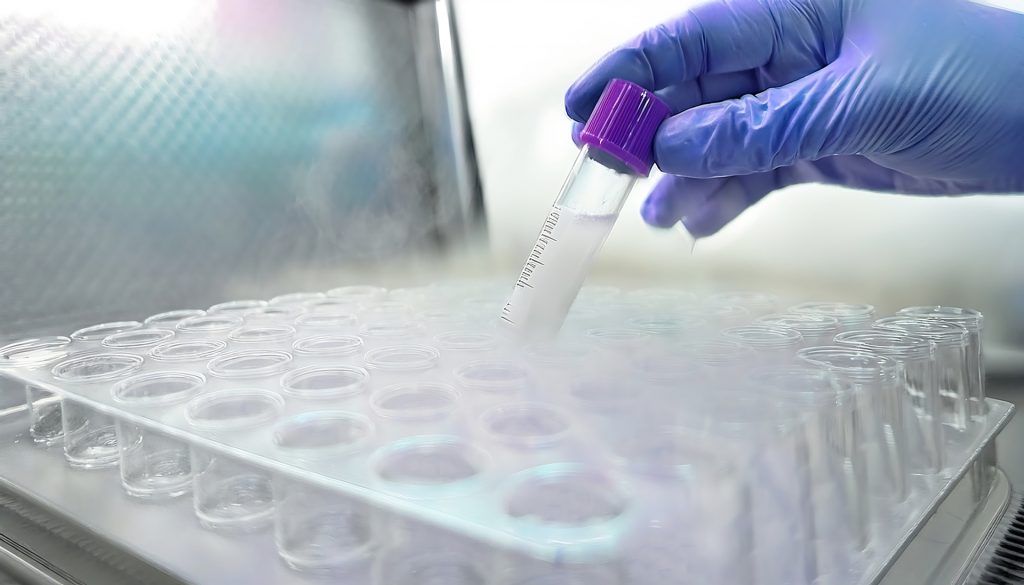
In recent years, advances and widespread use of DNA testing technology have made it easy for individuals to access their own genetic information. This has made it possible to learn about family roots and health risks, but at the same time, there has been an increase in cases where unexpected problems have arisen within the family. In this article, we will take a closer look at the family problems that may be caused by the results of DNA testing, citing specific cases and related research results.
1. The spread of DNA testing and its background
DNA testing is a technology that analyzes an individual’s genetic information to reveal their ancestral origins and genetic health risks. In recent years, advances in technology and falling costs have made it easy for the general public to use. For example, services such as AncestryDNA and 23andMe allow users to get results simply by submitting a sample by mail and are attracting many users.
As the number of people using these services increases, people are increasingly finding out about their own genetic information, but there have also been reports of unexpected discoveries about family relationships as a result.
2. Specific examples of domestic problems caused by DNA testing
A. Redefining parent-child relationships
DNA testing can reveal that parentage is not what it seems. For example, a person thought to be the father may not be the biological father, which can cause confusion and distrust within a family. This situation can have serious consequences for family ties and individual identities.
B. The discovery of a hidden family
DNA testing can sometimes reveal siblings that were previously kept secret – for example, siblings who were adopted, or other family members your parents had in the past – and this can mean relationships within your family need to be reconstructed.
C. Sharing Genetic Health Risks
DNA testing can reveal genetic health risks but sharing that information within families can cause anxiety and stress, especially if it reveals an increased risk of a genetic disease, which may require a response by the entire family.
3. Factors that cause family problems
A. The gap between expectations and reality
Many people expect to learn about their roots or health information through DNA testing, but when the results are unexpected, the gaps can be shocking and confusing.
B. Privacy and Information Sharing Issues
Genetic information is extremely personal and must be handled with care. However, sharing DNA test results within family members can lead to privacy violations and problems with the handling of information.
C. Cultural and social background
Family structures and values vary according to cultural and social background, so how DNA testing results are received within a family can vary greatly depending on each family’s background.
4. How to deal with family problems
A. Pre-examination counselling
Before taking a DNA test, you can prepare yourself for unexpected results by receiving professional counseling. This will help you to be psychologically prepared for the outcome.
B. Open communication within the family
When sharing test results with family members, open and honest communication is important. Respecting each other’s feelings and opinions can help prevent problems from becoming more serious.
C. Get expert help
If you need psychological support, it may be effective to seek the help of a professional such as a counselor or therapist. By taking on a third-party perspective, you can calmly organize the situation.
5. Legal and ethical issues raised by DNA testing
DNA testing can cause problems within families not only in terms of personal relationships, but also in the areas of law and ethics. There are an increasing number of cases where the handling of genetic information causes social and legal problems, and there is a need to create rules and take ethical considerations to deal with this.
A. Legal Recognition of Parent-Child Relationships
If a DNA test reveals a different parent-child relationship than expected, the ramifications can include legal issues, particularly in the following cases:
If the alleged father is not the biological parent
According to the Civil Code, a child born during marriage is presumed to be the husband’s child due to the “presumption of legitimacy.” However, if this presumption is overturned by a DNA test, the question arises as to how to handle the legal parent-child relationship.
There is also an increasing number of cases in which parents seek to terminate their parent-child relationships through court proceedings.
Adoption and the rights of non-natural children
When adopted children discover their biological parents through DNA testing, they may seek to re-establish legal parentage.
Inheritance issues may arise, and some may claim rights to their biological parents’ estates.
Infidelity and DNA testing
DNA testing between couples can sometimes uncover infidelity.
This can lead to issues such as divorce and claims for compensation.
B. Privacy and Protection of Genetic Information
Genetic information obtained through DNA testing is extremely sensitive data that relates to individual privacy. Therefore, if it is not managed appropriately, there is a risk of information leakage or misuse.
Data management for commercial DNA testing companies
Many DNA testing companies anonymize the data they collect and may use it for research or marketing purposes.
There is a possibility that genetic information may be provided to third parties without the user’s knowledge, which is raising concerns from the perspective of privacy protection.
Using DNA data in criminal investigations
In the United States, private DNA databases are increasingly being used in criminal investigations.
Family tree analysis is an increasingly common technique for identifying relatives of criminals and indirectly identifying suspects.
However, this goes beyond the intended use of DNA data and has been pointed out as an invasion of privacy.
Potential discrimination in insurance and employment
If genetic information indicates that you are at higher risk for certain diseases, it could lead to restrictions on your access to health insurance or even discrimination in the hiring process.
Laws are needed to prevent discrimination on the basis of genetic information.
C. Current international legal framework
Laws regarding DNA testing and the handling of genetic information vary from country to country, so an international framework is needed.
America
The Genetic Information Nondiscrimination Act (GINA) prohibits discrimination in health insurance and employment based on genetic information.
Europe
The General Data Protection Regulation (GDPR) strengthens the protection of genetic information and strictly regulates the collection and use of DNA data without an individual’s consent.
Japan
At present, there are few clear legal regulations regarding the handling of genetic information, but medical institutions and companies are gradually establishing voluntary guidelines.
6. Psychological impact on families and coping strategies
The psychological impact that DNA testing results can have on families is significant, and appropriate measures must be taken.
A. Identity Fluctuations
DNA testing results can change previously believed family relationships, causing confusion about identity.
The question, “What is a real family?”
Even if the test results show that there is no blood relationship, it is important to be aware that the family bonds that have been built over many years will not change.
It is necessary to have a perspective that distinguishes between the legal parent-child relationship and the psychological parent-child relationship.
The question “Who am I?”
If DNA testing reveals different roots, it could lead to a change in self-perception.
While knowing one’s roots can deepen one’s self-understanding, it can also involve a sense of loss of identity.
B. The Importance of Family Dialogue
Proper communication between family members is essential to minimizing problems that may arise from DNA testing.
Considerations when sharing results
When informing your family of the results of a DNA test, it is important to remain calm and discuss the matter calmly.
You need to choose your words carefully so as not to damage family relationships.
Use of counseling
If you are having difficulty coming to terms with the results of your DNA test, psychological counselling can help you process your emotions and think more positively.
Time to rebuild family ties
After the results of the test are known, it is recommended that you allow time to reassess your relationships as a family.
It’s an opportunity to remind ourselves that long-standing bonds are more important than genetic ties.
In today’s world, where DNA testing technology has advanced and many people have access to genetic information, its impact is not limited to family matters but is spreading to legal and ethical issues. It is necessary to use DNA testing appropriately while taking into consideration the protection of individual privacy, the establishment of identity, and the maintenance of family ties.
7. DNA testing and changes in international family relations
The development and spread of DNA testing is also affecting international family relationships. In particular, DNA information plays an important role in international adoption, reproductive medicine using sperm and egg donation, immigration issues, and other areas. This has led to a movement to reevaluate the definition of family and social relationships.
A. International Adoption and the Impact of DNA Testing
International adoption is a system in which people adopt children from different countries, but in recent years, DNA testing has brought new challenges to the process.
Searching for biological parents
Increasingly, adopted children are identifying their biological parents through DNA testing.
This can affect the relationship between the adopted child and their adoptive parents.
Illegal adoptions discovered
In some countries, illegal human trafficking can take the form of adoption, and DNA testing can identify cases where people have been separated from their biological parents.
B. Sperm/Egg Donation and DNA Testing
Reproductive medicine using sperm and egg donation is giving rise to new problems due to developments in DNA testing.
Identifying anonymous donors
In many countries, sperm and egg donors have traditionally remained anonymous, but with the development of DNA databases, donors are increasingly being identified.
This could potentially connect the donor with their biological child without their knowledge.
Discovering multiple biological siblings
In some cases, children born to families that received multiple sperm donations have been found to be siblings through DNA testing.
This may result in new family relationships being formed.
C. Immigration Issues and DNA Testing
DNA testing is increasingly being used in immigration policy as a means of proving family relationships.
Family reunification certificate
In some countries, immigrants bringing family members together may be required to take DNA tests to prove parentage.
Fake family members exposed
When applying for immigration, there are cases where people try to enter the country posing as false family members, and DNA testing can uncover this.
8. DNA testing and religious and cultural influences
As the development of DNA testing redefines family, religious and cultural values may be forced to change. In particular, in religions and cultures that place great importance on blood ties, DNA testing may affect beliefs and traditions.
A. Religious influence on family life
In some religions, blood ties are considered an important factor in determining family ties, so if a DNA test denies a blood relationship, the question arises as to how this can be accepted within the framework of the faith.
Islam and parent-child relationships
Under Islamic law, paternal lineage is important, but if a DNA test proves that the father is not the child’s biological parent, that could change the child’s legal status.
Matrilineal Descent in Judaism
In Judaism, a child is considered Jewish if his mother is Jewish, but if a DNA test reveals that the mother is of a different bloodline, the child’s religious identity can be called into question.
The Christian Concept of Family
In Christianity, spiritual family relationships are often emphasized over blood ties, but DNA testing results can affect family ties.
B. Changing Cultural Values
DNA testing is also influencing cultural values and redefining what a family is.
Family traditions and lineage
In cultures that place great importance on traditional lineage, if DNA testing reveals differences in lineage, this can raise questions about the continuation of that family line.
Reassessing our ancestral roots
More and more people are using DNA testing to discover their ancestral roots, sometimes upending previous family histories.
9. The future of DNA testing and its impact on society
DNA testing technology is expected to continue to evolve in the future, and may have an impact not only on families but on society as a whole. New ethical and legal issues are likely to arise, so careful handling is required.
A. Use of genetic information and AI
As genetic analysis using artificial intelligence (AI) advances and DNA information becomes more precisely analyzed, it is believed that predictions of family relationships and health risks will become more accurate.
AI-based genealogy analysis
AI-assisted DNA analysis could potentially make it possible to automatically create complex family trees and unravel family histories.
AI-based health risk prediction
AI will be able to analyze genetic health risks and predict future disease risks with high accuracy.
B. Gene Editing and Family Relationships
Advances in gene editing technologies (such as CRISPR-Cas9) may make it possible to prevent genetic diseases and lead to new family planning options.
Preventing disease through gene editing
If a person’s risk of a genetic disease is identified through DNA testing, gene editing technology may be used to treat the disease in the future.
The ethical issues surrounding designer babies
As gene editing technology becomes more widespread, the issue of “designer babies,” in which children are born with specific genes selected, will emerge.
The development of DNA testing is redefining family relationships, influencing many aspects, including religion, culture, law, and ethics. In order to respond to these changes, society as a whole need to have discussions and create new rules.
10. Social impacts and new challenges brought about by DNA testing
The spread of DNA testing is not just an issue for individuals and families, but also affects society as a whole. As genetic information is increasingly used by public institutions and companies, new ethical and legal issues are emerging. Here we will delve deeper into the societal impacts.
A. Relationship between Employment and Genetic Information
In recent years, some companies have begun to use genetic information to manage the health of their employees. At first glance, this seems like a beneficial way to protect the health of employees, but if used inappropriately, it could lead to “genomic discrimination.”
Rejection of employment due to genetic risk
For example, if a company determines that a person has a certain genetic mutation that puts them at risk of developing a disease in the future, they may choose not to hire that person.
In particular, people with genes that are considered to be at high risk for cardiovascular disease or Alzheimer’s disease may be denied employment due to concerns about reduced work productivity.
Impact on promotion and working environment
Companies may use employees’ genetic information to determine their suitability for certain jobs.
For example, it is possible to evaluate whether a plant is capable of demonstrating leadership based on polymorphisms in the COMT gene, which is involved in stress resistance.
B. Life Insurance and Use of Genetic Information
If DNA testing can identify the risk of developing certain diseases in the future, it could have an impact on applying for life insurance and how premiums are set.
Insurance restrictions for people with high-risk genes
For example, people with BRCA1/BRCA2 gene mutations are at increased risk of breast cancer and ovarian cancer.
There are fears that this could lead to insurance companies raising premiums or refusing to cover people.
Risk of personal information leaks
If DNA testing results are not properly managed, insurance companies may unintentionally obtain genetic information and use it to change policy terms.
To prevent these problems, the United States has enacted the Genetic Information Nondiscrimination Act (GINA), which prohibits discrimination on the basis of genetic information. However, many countries still lack clear regulations, and further legal developments are required.
C. Use of DNA testing in criminal investigations
DNA testing is widely used in criminal investigations and has served as conclusive evidence in many cases. However, the expanded use of DNA information also brings with it ethical challenges.
Problems with Family DNA Investigations
In the United States and the United Kingdom, methods have been introduced to use private DNA databases in criminal investigations to identify people whose DNA matches that of criminal family members.
This could result in investigations targeting not only the criminals themselves but also their relatives, raising concerns about violations of privacy.
Risk of false arrest
Even though DNA testing technology has improved, it is still not 100% accurate in all cases.
Contaminated DNA samples or incorrect identification could lead to innocent people being incriminated.
D. The advent of the personal genome era and its ethical challenges
The widespread use of DNA testing technology has brought about an era in which individuals can easily check their own genetic information. This could have a major impact on individuals’ health management and life plans, but it also raises ethical issues.
Pre-birth genetic selection
Preimplantation genetic testing (PGT) has developed technology that allows for advance examination of the genetic information of fertilized eggs and selection of embryos at risk of certain diseases.
While this is useful for preventing genetic diseases, it has sparked ethical debate as it is seen as “eugenic selection.”
Commercialization of DNA information
Personalized medical care and health management services that utilize genetic information are on the rise.
However, there are risks that commercial companies could monopolise genetic information and that data could be sold to third parties without consumers’ knowledge.
Disclosure of Genetic Information to Children
If it becomes common for parents to use DNA testing to identify their children’s genetic risks, there is a risk that their future possibilities will be limited before they even grow up.
Telling a child “You are at risk for this disease” can rob them of their self-awareness and freedom of choice.
11. Evolution of DNA testing technology and future prospects
DNA testing technology is expected to continue to evolve, enabling even more accurate analysis. Attention is focused on how the following technological innovations will affect society.
A. Single-cell DNA analysis
Currently, DNA analysis examines the entire genetic information, but it is thought that in the future it will be possible to analyze DNA at the single-cell level.
This will make it possible to track changes in individual cells, which could be used to detect and treat cancer early.
B. Nanopore Sequencing Technology
It is expected that the use of nanopore technology will enable real-time gene analysis and rapid diagnosis.
This may bring about an era in which individuals will be able to analyze their own genetic information using smartphones or other small devices.
C. Applications of gene editing technology
If gene editing using CRISPR-Cas9 becomes safer and more effective, it may be possible to proactively correct the risk of genetic diseases identified through DNA testing.
Summary
The widespread use of DNA testing has made it easier to confirm parent-child relationships and understand genetic health risks, but it has also led to increased family confusion and legal and ethical issues. While the use of genetic information in adoption, reproductive medicine, criminal investigations, and the fields of employment and insurance is progressing, concerns have also been raised about privacy protection and the risk of genetic discrimination. In the future, as AI analysis and gene editing technology develop, the development of laws and ethical discussions regarding the appropriate use of genetic information will become increasingly important.