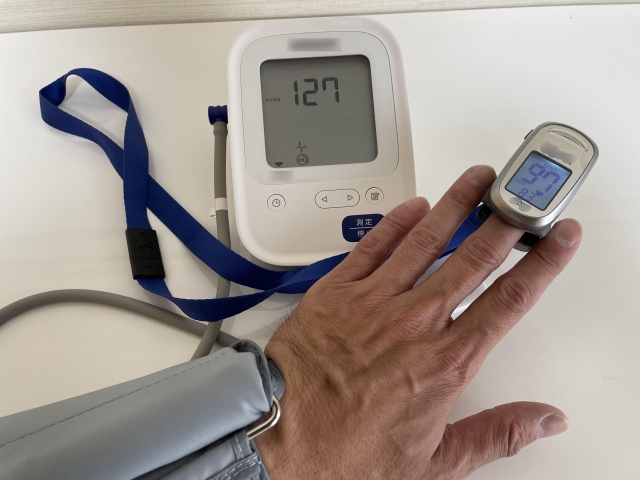
High blood pressure is known to be a major risk factor for serious health problems such as cardiovascular disease and stroke. In recent years, advances in genetic testing have revealed how an individual’s genetic background affects the risk of developing high blood pressure. This article will explain in detail how to assess high blood pressure risk through genetic testing and preventive measures.
High Blood Pressure and Genetic Factors
Hypertension is a multifactorial disease that involves both environmental and genetic factors. Research suggests that genetic factors account for approximately 30-50% of blood pressure variability.
It has been shown that certain gene polymorphisms increase the risk of developing high blood pressure, and by utilizing this genetic information, it is possible to assess individual risks and develop preventive measures.
Genetic testing to assess hypertension risk
A method called polygenic risk score (PRS) is used in genetic testing. This method evaluates the effects of multiple genetic variants comprehensively and quantifies an individual’s disease risk. A study of the Japanese population showed that the higher the PRS, the higher the prevalence of hypertension, and the higher the systolic and diastolic blood pressure.
Such information will provide important clues toward the realization of personalized medicine.
Reviewing lifestyle habits to prevent high blood pressure
Even if you have a genetic risk, you can prevent or delay the onset of high blood pressure by improving your lifestyle. Below are some effective lifestyle changes.
1. Restrict salt intake
High salt intake is one of the main causes of high blood pressure. The Japanese Society of Hypertension recommends limiting salt intake to less than 6g per day.
When eating processed foods or eating out, be mindful of the salt content and try to reduce your intake.
2. Increase your potassium intake
Potassium promotes the excretion of sodium and has the effect of lowering blood pressure. It is abundant in vegetables, fruits, and beans, and actively consuming these foods can help manage blood pressure.
Regular aerobic exercise is said to be effective in lowering blood pressure. It is important to incorporate exercise into your daily life, such as walking or light jogging, within your limits.
Excessive drinking and smoking increase the risk of high blood pressure. Drinking in moderation and quitting smoking can help control your blood pressure.
The outlook for personalized medicine using genetic information
Information obtained through genetic testing can help select preventive measures and treatments based on an individual’s risk profile. For example, people with certain gene polymorphisms may be recommended to take more proactive measures to improve their lifestyle and undergo regular health checks. This personalized medicine approach is expected to make a significant contribution to the early detection and prevention of diseases.
Main genes related to hypertension
Many genes are involved in the development of hypertension, and research has revealed that certain gene polymorphisms increase the risk of hypertension. The most common ones are listed below.
1. AGT (angiotensinogen) gene
The AGT gene involved in the Renin-Angiotensin-Aldosterone (RAA system) and plays an important role in regulating blood pressure. It is believed that people with certain AGT gene mutations have increased production of angiotensinogen, which makes them more susceptible to high blood pressure.
2. ACE (angiotensin-converting enzyme) gene
The ACE gene encodes an enzyme that converts angiotensin I to angiotensin II, which has a strong vasoconstrictive effect. A specific polymorphism in the ACE gene (I/D polymorphism) is thought to cause differences in blood ACE concentrations and affect blood pressure.
3. NOS3 (endothelial nitric oxide synthase) gene
Nitric oxide (NO) has a vasodilatory effect and is involved in regulating blood pressure. It is believed that mutations in the NOS3 gene reduce the amount of NO produced, making blood vessels more likely to constrict, and increasing the risk of hypertension.
4. ADD1 (α-Adinucleotidase 1) Gene
This gene is involved in sodium metabolism, and certain polymorphisms may increase blood pressure by enhancing sodium reabsorption and increasing body fluid volume.
5. CYP11B2 (aldosterone synthase) gene
This gene codes for an enzyme that synthesizes aldosterone in the adrenal glands, and certain genetic mutations can lead to increased aldosterone secretion, which can increase sodium retention and cause high blood pressure.
Latest research on the relationship between high blood pressure and genetics
Recent research has provided more detailed analysis of how genetic factors affect the onset of hypertension. The latest genome-wide association studies (GWAS) have been discovering new gene polymorphisms related to hypertension one after another, and this information is being used to realize personalized medicine.
For example, large-scale epidemiological studies have analyzed the genetic data of hundreds of thousands of people and identified hundreds of genetic variants associated with hypertension. Models are being built to predict an individual’s risk of hypertension based on the combination of these variants.
In addition, genetic research that takes family history into account has shown that children of parents with high blood pressure are also more likely to develop high blood pressure. In particular, the influence of genetic factors is thought to be strong when close relatives have early-onset hypertension (juvenile hypertension).
Personalized hypertension treatment and utilization of genetic information
Individualized treatment using genetic information is attracting attention. Conventional hypertension treatment generally involves uniformly prescribing antihypertensive drugs, but treatment based on genetic testing makes it possible to select the most appropriate drug for each patient.
1. Indications for ACE inhibitors
It is known that the effectiveness of ACE inhibitors varies from person to person depending on the ACE gene polymorphism. People with the ACE gene type I/I are considered to be more effective with ACE inhibitors.
2. The effects of diuretics
People with certain polymorphisms in the ADD1 gene may benefit especially from diuretics (thiazide diuretics) because they have increased sodium reabsorption.
3. Choice of beta-blocker
Beta-blockers have the effect of lowering blood pressure by slowing down the heart rate, but it has been reported that the effects of beta-blockers are stronger in people with certain mutations in the GNB3 gene.
In this way, by selecting drugs based on genetic information, it is becoming increasingly possible to achieve more effective treatment.
Interaction of environmental and genetic factors
Having a genetic risk for hypertension does not necessarily mean you will develop it. Interactions with environmental factors are important, and lifestyle changes can help reduce your risk.
For example, a study comparing twins with the same genetic risk showed that differences in diet and exercise habits can lead to large differences in blood pressure. The group that consumed a high-salt diet tended to have high blood pressure, while the group that engaged in moderate exercise tended to have stable blood pressure.
Stress management is also an important factor. It is known that chronic stress activates the sympathetic nervous system and raises blood pressure. People who are genetically sensitive to stress can help manage their blood pressure by adopting relaxation techniques and meditation.
The relationship between high blood pressure and intestinal bacteria
Recent research has indicated that the intestinal flora may affect the onset of hypertension. Intestinal bacteria produce metabolites involved in blood pressure regulation, and it is believed that an imbalance in this balance increases the risk of hypertension.
In particular, it has been reported that intestinal bacteria that produce short-chain fatty acids (SCFAs) have the effect of lowering blood pressure. Eating a diet rich in dietary fiber can increase the number of these beneficial intestinal bacteria, helping to prevent high blood pressure.
It is also believed that consuming foods and supplements containing probiotics (good bacteria) may have the effect of lowering blood pressure, and further research is anticipated.
A personalized approach for people at risk for hypertension
If genetic testing reveals your risk of hypertension, it is important to know specifically how to improve your daily life. A “personalized approach” based on your individual risk is key. This includes diet, exercise, stress management, and drug therapy choices.
1. Dietary strategies based on gene type
Dietary changes are especially important for people who are genetically at high risk for high blood pressure. Here are some strategies for each type:
Highly sodium sensitive
People with a type that is sensitive to sodium (salt) due to mutations in the AGT gene or CYP11B2 gene are particularly required to limit their salt intake. It is recommended that these people limit their salt intake to less than 5g per day.
Foods to avoid : Pickles, processed foods, instant foods, snacks
Recommended foods : Potassium-rich foods include bananas, spinach, avocados, and beans.
Type in which lipid metabolism is easily affected
Some people have genetic mutations that make it easier for their blood pressure to rise when they consume a lot of saturated fats. In this case, it is effective to reduce the intake of saturated fats in the diet and consciously consume foods containing omega-3 fatty acids.
Foods to avoid : Fried foods, butter, and processed meats.
Recommended foods : Fish (salmon, mackerel), nuts, olive oil
Sugar metabolism is easily affected
People who have high insulin resistance and for whom consuming carbohydrates may lead to high blood pressure can reduce the risk by focusing on a low-carb diet.
Foods to avoid : Refined carbohydrates (white rice, bread, pasta), foods high in sugar
If genetic testing shows you are at risk for high blood pressure, you can reduce your risk by engaging in appropriate exercise.
The effects of aerobic exercise
Aerobic exercise has been scientifically proven to lower blood pressure. It is recommended that you do at least 150 minutes of aerobic exercise per week, such as walking, jogging, or cycling.
The Importance of Strength Training
It is known that increased muscle mass contributes to stabilizing blood sugar levels and lowering blood pressure. By doing strength training two to three times a week, you can improve your metabolism and reduce the risk of high blood pressure.
Yoga and Stretching
Since stress affects high blood pressure, incorporating yoga and stretching can have a relaxing effect. In particular, poses that focus on deep breathing activate the parasympathetic nervous system and help lower blood pressure.
3. The importance of stress management and mental health
Stress is one of the major causes of high blood pressure. It is important to be conscious of stress management, especially for people who are genetically sensitive to stress.
Mindfulness and Meditation
Mindfulness and meditation are some of the techniques that are said to help stabilize blood pressure. Meditating for 10 to 15 minutes a day can help you relax and suppress excessive sympathetic nervous activity.
Improves sleep quality
Lack of sleep can worsen high blood pressure. For people who are genetically predisposed to poor quality sleep, it is important to avoid caffeine intake before bedtime and to be conscious of leading a regular lifestyle.
Tips for getting good quality sleep
Go to bed at the same time every day
Avoid blue light
Improve your sleeping environment (sleep in a dark, quiet place)
4. Selection of drug therapy utilizing genetic information
It is becoming possible to select drugs according to an individual’s genotype. It is now possible to select the most appropriate antihypertensive drug based on genetic information.
People who are suitable for ACE inhibitors
ACE inhibitors (such as captopril and enalapril) have been shown to be effective for people with a type of diabetes caused by ACE gene polymorphisms.
Those who are effective against ARBs (angiotensin II receptor blockers)
It is known that ARBs (losartan, valsartan, etc.) are more effective in people with AGT gene mutations.
People who are suitable for β-blockers
When sympathetic nervous system overactivity is the cause of increased blood pressure, beta-blockers (metoprolol, atenolol, etc.) are considered effective.
5. The future of hypertension and genetic testing
Advances in genetic testing technology have made it possible to assess the risk of hypertension more precisely. It is believed that the use of AI in analysis will make it possible to provide health management that is more optimized for individuals.
In addition, by linking it to smartwatches and wearable devices, it will be possible to monitor fluctuations in blood pressure in real time and combine that with genetic information, enabling even more precise risk management.
In the future, medical care based on genetic information will become an important element of “preventive medicine” and is expected to be applied not only to high blood pressure but also to risk management of other lifestyle-related diseases.
New approaches to preventing hypertension
In recent years, research into the prevention of hypertension using genetic information has progressed, and new approaches have been proposed. In addition to traditional prevention methods, we will explain countermeasures based on the latest scientific knowledge.
1. Personalized Nutrition
“Personal nutrition,” which creates nutritional plans tailored to each individual’s constitution based on the results of genetic testing, is attracting attention.
① Dietary restriction based on genes that affect salt metabolism
People with a genetic type that is highly sensitive to sodium are more susceptible to the effects of salt and tend to have a higher risk of high blood pressure. For such people, the following dietary advice is given:
Low-sodium diet (less than 5g salt per day)
Substitute potassium for salt (eat potassium-rich foods)
Using the umami flavor of kelp and bonito flakes to supplement saltiness
② Caffeine Sensitivity and Blood Pressure Management
The ability to metabolize caffeine varies depending on genes, and people who are sensitive to the effects of caffeine are at higher risk of having elevated blood pressure. For this reason, the following measures are recommended:
People with a genetic variant that metabolizes caffeine slowly should limit themselves to one or two cups per day.
If your blood pressure spikes after consuming caffeine, choose decaf drinks.
Use green tea or herbal tea to relax
③ Relationship between omega-3 fatty acids and blood pressure
Omega-3 fatty acids such as EPA and DHA have the effect of dilating blood vessels and lowering blood pressure. It has been suggested that consuming these ingredients may be particularly effective for people with certain genetic types.
Eat oily fish (salmon, sardines, mackerel) 2-3 times a week
Include flax seeds and chia seeds in your diet
Using Omega-3 Supplements
2. Optimizing the intestinal environment and preventing high blood pressure
Recent research has revealed that the balance of intestinal bacteria is deeply involved in regulating blood pressure. By improving your intestinal environment, it may be possible to reduce the risk of high blood pressure.
① Relationship between short-chain fatty acids and blood pressure
Short-chain fatty acids (SCFAs) produced by intestinal bacteria fermentation have the effect of dilating blood vessels and lowering blood pressure. To increase short-chain fatty acids, it is effective to consume the following foods.
Fermented foods (yogurt, natto, kimchi)
Foods rich in fiber (beans, oats, vegetables)
Prebiotics (bananas, garlic, onions)
② Use of probiotics
Certain lactic acid bacteria (such as Lactobacillus helveticus) have been shown to lower blood pressure. Daily consumption of foods containing probiotics may help prevent high blood pressure.
Eat fermented foods like yogurt, kefir, and miso
Take advantage of probiotic supplements
3. The relationship between high blood pressure and hormones
Hormonal balance also plays a role in regulating blood pressure, with cortisol (the stress hormone) and insulin being particularly influential.
① Stress management and cortisol regulation
Chronic stress stimulates the adrenal glands to secrete cortisol, which causes high blood pressure. Reducing stress can help stabilize blood pressure.
Incorporate deep breathing and meditation into your daily routine
Walking in nature and forest bathing
Make time for hobbies and relaxation
② Insulin resistance and blood pressure
People with a genetically low insulin sensitivity are more likely to experience an increase in blood pressure due to the intake of carbohydrates. For these people, a carbohydrate-restricted diet is recommended.
Reduce your intake of white rice and refined carbohydrates and switch to brown rice and whole grains
Avoid high GI foods (potatoes, white bread, soft drinks)
Eat plenty of dietary fiber to slow down the rise in blood sugar levels
4. Blood Pressure Management Using Wearable Devices
In recent years, the spread of smart watches and wearable devices with blood pressure measurement functions has made it possible to monitor blood pressure in real time. People who are genetically at high risk for high blood pressure can take measures early by using such technology.
① Blood pressure management using a smartwatch
Devices such as the Apple Watch and Fitbit are equipped with heart rate monitors that can estimate fluctuations in blood pressure. Regular data collection can make it easier to detect abnormalities early.
② Health management using AI
Apps that utilize AI are appearing, and there are also an increasing number of services that support blood pressure management in combination with genetic data. Features that provide advice tailored to an individual’s lifestyle and suggest optimal diet and exercise plans are attracting attention.
5. Future possibilities for hypertension prevention and gene therapy
Current treatment for hypertension mainly involves drug therapy and lifestyle changes, but in the future, it may be possible to provide a fundamental cure using gene editing technologies (such as CRISPR-Cas9).
By correcting gene mutations, the risk of hypertension can be fundamentally reduced
Development of treatments that restore vascular function using regenerative medicine technology
Although it has not yet reached clinical application at present, advances in gene therapy may bring about an era in the future when hypertension itself can be prevented genetically.
As described above, hypertension prevention measures that utilize the latest scientific knowledge are developing in many fields. Understanding genetic information and incorporating personalized health management will likely be the key to future hypertension prevention.
New lifestyle strategies for preventing hypertension
Effectively managing your risk for high blood pressure is all about optimizing your overall lifestyle. Here, we look at genetic factors as well as specific strategies you can use to develop more effective habits.
1. Organize your morning routine
Changing your morning routine can help stabilize your blood pressure.
Drink a glass of water : Staying hydrated in the morning helps keep your blood flowing smoothly and your blood pressure stable.
Do some gentle stretching exercises to relax your muscles and improve circulation, helping to prevent a sudden rise in blood pressure.
Exposure to the morning sun : This regulates your body clock, activates the parasympathetic nervous system, and has a relaxing effect.
2. Quality Rest and Recovery
Proper rest and recovery are essential for managing blood pressure.
Limit screen time at night : Avoiding blue light can help stimulate melatonin production and ensure better quality sleep.
Take a short nap : A 15-20 minute nap can help regulate your blood pressure.
3. Use of music therapy
Listening to music can help lower blood pressure. Classical music and natural sounds in particular stimulate the parasympathetic nervous system and have a relaxing effect.
By incorporating these lifestyle changes, even those at genetic risk may be able to achieve healthy blood pressure management.
Summary
Although hypertension is a disease that develops due to the interaction of genetic and environmental factors, genetic testing can be used to more accurately grasp an individual’s risk and take appropriate measures. By optimizing your lifestyle, such as diet, exercise, stress management, and improved sleep, you can prevent and manage hypertension even if you have a genetic risk. In addition, by utilizing the latest technology and incorporating personalized health management using wearable devices and AI, more effective blood pressure control is expected. In the future, research is also progressing on fundamental preventive measures using gene therapy, and the realization of more precise personalized medicine is on the way.