In recent years, advances in genetic testing have made it possible to gain a detailed understanding of an individual’s health condition and the progress of aging. As a result, new approaches that utilize genetic information are attracting attention in the field of anti-aging. In this article, we will take a detailed look at the relationship between genetic testing and anti-aging, specific testing methods, and the scientifically based possibility of rejuvenation. PR TIMES+1PR TIMES+1
What is genetic testing?
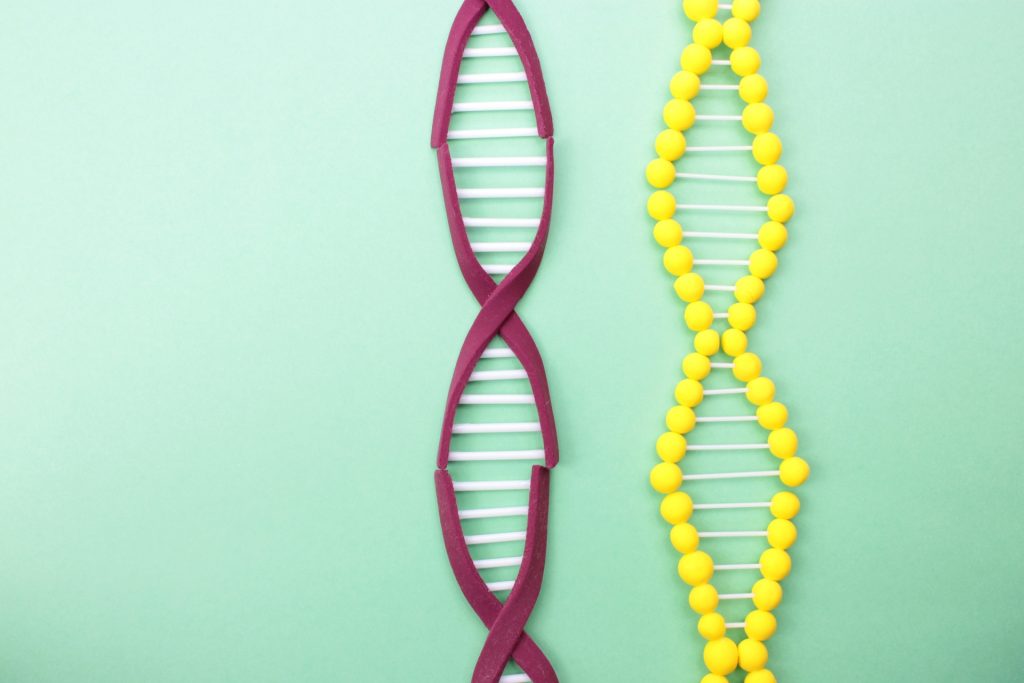
Genetic testing is a technology that analyzes an individual’s DNA to evaluate genetic characteristics and disease risks. This makes it possible to predict future health risks and devise appropriate preventive measures. In the field of anti-aging in particular, it is expected that genetic mutations and expression patterns related to aging can be identified and individualized measures can be taken.
The epigenetic clock and biological age
In aging research, the concept of the Epigenetic Clock has been gaining attention. This is a method to estimate biological age by analyzing DNA methylation patterns. Unlike chronological age (age on the calendar), biological age reflects the actual degree of aging of cells and tissues. This measurement makes it possible to more accurately assess an individual’s aging rate and health condition. doctors-gym.com+4PR TIMES+4PR TIMES+4 wellnesslab-report.jp+3th-clinic.com+3PR TIMES+3
For example, Rhelixa Inc. has developed an epigenetic clock optimized for Japanese people and provides a service to evaluate an individual’s biological age. This technology makes it possible to evaluate the anti-aging effects of lifestyle improvements and specific interventions. doctors-gym.com+4PR TIMES+4PR TIMES+4 PR TIMES
Sirtuin genes and anti-aging
Sirtuin genes are also known as longevity genes and are believed to be deeply involved in aging and lifespan. This gene is believed to maintain genome stability by keeping the number of ribosomal RNA genes constant, thereby extending lifespan. It has been suggested that the sirtuin gene is activated by calorie restriction and certain compounds (e.g. resveratrol), and it is attracting attention as a new target for anti-aging. anti-aging.gr.jp+2National Clinic+2doctors-gym.com+2
Anti-aging strategies using genetic testing
By utilizing genetic testing, it is possible to gain a detailed understanding of an individual’s aging risk and health condition and develop an effective anti-aging strategy. Specific strategies are introduced below.
1. Optimize your lifestyle
Based on the results of genetic testing, it is expected that the aging process can be slowed down by individually optimizing lifestyle habits such as diet, exercise, and sleep. For example, if a person has a genetic mutation involved in the metabolism of certain nutrients or antioxidant capacity, the intake of appropriate supplements and adjustment of dietary content are recommended.
2. Promoting preventive medicine
Genetic testing allows for early identification of future disease risks, allowing appropriate preventive measures to be taken. This is expected to extend healthy lifespan and improve quality of life.
3. Realization of personalized medicine
Medical care based on an individual’s genetic characteristics (personalized medicine) aims to maximize therapeutic effects and minimize side effects. In the field of anti-aging, it will be possible to use the results of genetic testing to provide individualized treatments and preventive measures.
The relationship between epigenetics and aging
Epigenetics refers to a mechanism for controlling gene expression without changing the base sequence of DNA. DNA methylation and histone modification are typical epigenetic changes, which vary with age and environmental factors. Epigenetic changes have been shown to be deeply involved in cellular aging and the onset of disease and are attracting attention as a new target for anti-aging. th-clinic.com +3PR TIMES+3wellnesslab-report.jp+3
For example, an epigenetic clock that estimates biological age by analyzing DNA methylation patterns has been developed, and this technology can be used to evaluate the anti-aging effects of lifestyle changes or specific interventions.
Anti-aging measures using epigenetics
Epigenetic changes accumulate with age and cause abnormalities in gene expression. This is thought to be one of the main causes of aging, and controlling epigenetics may slow the progression of aging. Here, we will introduce specific anti-aging measures that utilize epigenetics.
1. Diet and Nutrition Adjustments
It is known that certain nutrients affect epigenetic changes. In particular, the following nutrients have the ability to regulate epigenetic changes:
Methyl donors (B vitamins, folic acid, methionine) Promote DNA methylation and are involved in regulating gene expression. They are abundant in green and yellow vegetables, beans, eggs, etc.
Polyphenols (resveratrol, catechin, quercetin, etc.) regulate the activity of epigenetic enzymes and have antioxidant and anti-inflammatory effects. They are found in large amounts in red wine, green tea, and berries.
Omega-3 fatty acids (EPA, DHA) may suppress inflammation and slow the aging process through epigenetic regulation. They are abundant in oily fish and flaxseed oil.
By properly consuming these nutrients, it is possible to maintain epigenetic changes in a healthy state and suppress aging.
2. Lifestyle Improvement
Lifestyle modifications also affect epigenetic changes.
Moderate exercise affects DNA methylation and histone modifications, promoting healthy gene expression. Aerobic exercise in particular increases the activity of sirtuin genes, which is effective in preventing aging.
Stress Management: Chronic stress has been shown to induce epigenetic changes and accelerate aging, so it is important to make time for meditation, mindfulness, and hobbies.
Quality sleep Lack of sleep worsens epigenetic changes and accelerates aging. It is important to maintain a regular lifestyle and improve the quality of your sleep.
3. Medicines and supplements that regulate gene expression
In recent years, there has been progress in the development of medicines and supplements that target epigenetics.
NAD+ boosters (nicotinamide mononucleotide (NMN), nicotinamide riboside (NR)) are said to activate the sirtuin gene and prevent cellular aging.
Metformin is known as a diabetes treatment drug, but it is also expected to have the effect of extending lifespan through epigenetic regulation.
Rapamycin may suppress cellular aging, but long-term safety must be confirmed.
Personalized anti-aging using genetic testing
By utilizing the latest genetic testing technology, it is possible to develop optimal anti-aging measures tailored to each individual’s genetic characteristics.
1. Types of Genetic Testing
Anti-aging genetic tests include:
Telomere length test The length of telomeres at the ends of chromosomes is measured to evaluate the degree of cellular aging.
Epigenetic Clock Testing Analyzes DNA methylation patterns to estimate biological age.
Oxidative stress-related gene testing evaluates the ability to process active oxygen and optimizes antioxidant measures.
2. Creating a personalized anti-aging plan
Based on the results of the genetic test, we will develop anti-aging measures that are appropriate for each individual.
If you have genetically low resistance to oxidative stress, consume foods and supplements with high antioxidant properties.
If you have a genetic risk of inflammation, actively consume foods with anti-inflammatory properties (omega-3 fatty acids, polyphenols).
If you have a slow metabolism, restrict your diet and get moderate exercise to activate your metabolism.
The latest research and the future of anti-aging
Anti-aging research is advancing rapidly, and even more effective anti-aging technologies may emerge in the near future.
1. Application of gene editing technology
Research is currently being conducted to directly manipulate genes involved in aging using gene editing techniques such as CRISPR-Cas9. It has been suggested that modifying aging-related genes may slow down the aging process and extend lifespan.
2. Development of stem cell therapy
Regenerative medicine using stem cells is expected to be a means of rejuvenating aged tissues and organs. Advances in iPS cell technology are making rejuvenation treatments using individual cells a reality.
3. Individual optimization using AI and big data
By utilizing AI, technology is being developed that analyzes genetic information and lifestyle data to suggest anti-aging measures that are optimal for each individual.
Genetic testing and anti-aging practices
In order to practice anti-aging using genetic testing, it is important to understand the appropriate procedures and methods. Here, we will explain in detail how to utilize the results of genetic testing to suppress the aging process.
1. How to choose a genetic test
There are many different types of genetic tests, and it is important to choose the appropriate test depending on your purpose. Below, we will introduce the main types of genetic tests related to anti-aging.
A. Aging-related genetic testing
Biological age can be evaluated by examining the expression and mutations of genes related to aging. Representative genes include the following:
FOXO3 (longevity gene): A gene that has been shown to be associated with longevity, and the rate at which aging progresses varies depending on whether or not it is mutated.
KL (Klotho gene): Involved in suppressing aging and extending lifespan, and decreased function increases the risk of age-related diseases.
B. DNA methylation analysis (epigenetic clock)
This technology estimates biological age by analyzing DNA methylation patterns, which makes it possible to evaluate the influence of lifestyle habits and measure the effectiveness of anti-aging measures.
C. Oxidative stress and antioxidant capacity tests
Oxidative stress is one of the major factors in aging. By testing the following genes, you can evaluate your resistance to oxidative stress.
SOD2 (superoxide dismutase): A type of antioxidant enzyme that removes active oxygen. Mutations in SOD2 reduce resistance to oxidative stress.
GPX1 (glutathione peroxidase): An enzyme that prevents oxidative damage to cells and determines antioxidant capacity.
2. Anti-aging strategies using genetic test results
It is important to develop an individually optimized anti-aging strategy based on the results of your genetic testing.
A. Optimizing Nutrition
Genetic testing can reveal differences in metabolic abilities and nutritional needs.
If you have low resistance to oxidative stress, take in antioxidant foods (vitamins C, E, polyphenols)
If your sugar metabolism is poor, limit your sugar intake and eat low GI foods.
If you are at high risk of inflammation, eat foods rich in omega-3 fatty acids (fish, nuts)
B. Choosing the right exercise
Different genes affect the type of exercise that is best for you.
Genetic type with excellent endurance (PPARGC1A, etc.) → Focus on aerobic exercise
Genetic type that makes it easier to gain muscle mass (ACTN3, etc.) → Strengthen strength training
C. Lifestyle Modifications
It is also important to adjust your sleep and stress management strategies based on the results of your genetic test.
Genetic type with low melatonin secretion → Maintain a regular lifestyle and avoid blue light
Genetic type with low stress tolerance → Incorporate meditation and mindfulness
The latest technology and the future of anti-aging
1. Evolution of gene editing technology
Advances in gene editing technology, such as CRISPR-Cas9, are helping to directly modify genes associated with aging. For example, researchers are working to extend cell lifespan by manipulating the TERT gene (a gene that controls telomerase activity).
2. Stem cell therapy and regenerative medicine
Stem cell therapy is a technology that has the potential to rejuvenate aged tissues. Regenerative medicine using iPS cell technology may be applied to rejuvenate aged skin and organs in the future.
3. Advances in personalized medicine through AI
By utilizing AI and big data, technologies are being developed that analyze genetic information and lifestyle data to propose optimal anti-aging strategies for each individual, which is expected to lead to more effective personalized medicine.
Actual anti-aging cases
1. Case of a man in his 40s
Genetic test results: Low resistance to oxidative stress (SOD2 gene mutation)
Solution: Take antioxidant supplements (astaxanthin, resveratrol) and increase green and yellow vegetables
Results: DNA methylation testing after six months reduced biological age by three years
2. Case of a woman in her 50s
Genetic test results: High risk of inflammation (IL6 gene mutation)
Solution: Consciously consume omega-3 fatty acids and avoid processed foods
Results: Chronic joint pain was reduced and inflammatory markers improved in health checkups
3. Case of a woman in her 30s
Genetic test results: Low melatonin secretion (CLOCK gene mutation)
Countermeasures: Avoid using smartphones before going to bed and use melatonin supplements
The result: better quality sleep and improved daytime energy levels
Practical application of genetic testing and anti-aging
Research into anti-aging using genetic testing is progressing, and many medical institutions and companies have begun offering personalized medicine. Here, we will explain in detail how to actually use genetic testing and the challenges facing its practical application.
1. Applying for genetic testing and using the results
Genetic testing is easily available through general clinics and online services.
A. Genetic testing process
Applying for an Inspection
Choose the genetic test that best suits your needs through a clinic or online service.
Sample collection
Saliva and blood samples are collected and sent to a specialist institution.
DNA analysis
The genetic information will be analyzed, and a report of the results will be provided (usually within 2-4 weeks).
Interpreting the results and developing countermeasures
Consult with doctors and experts to review your lifestyle and consider appropriate treatment options.
B. Examples of using genetic test results
If the epigenetic clock test shows a higher biological age, improve your lifestyle and consume nutrients that normalize DNA methylation.
If the FOXO3 gene mutation is not longevity-related, be aware of antioxidant foods and calorie restriction.
If SOD2 gene activity is low, supplement with antioxidant supplements (glutathione, vitamins C and E).
2. The relationship between the latest anti-aging treatments and genes
A. Stem Cell Therapy
Rejuvenation treatment using autologous stem cells
By culturing stem cells and returning them to the body, they can promote the repair of damaged tissue and prevent skin aging and joint deterioration.
Example: Aesthetic medicine that involves injecting stem cells to restore firmness and elasticity to the skin.
B. NAD+ Replacement Therapy
NAD+ (nicotinamide adenine dinucleotide) is attracting attention as a molecule that prevents aging。
Taking **NMN (nicotinamide mononucleotide) ** supplements increase NAD+ levels in the body, promoting energy metabolism and DNA repair.
C. Gene editing technology (CRISPR)
Efforts underway to directly modify genes involved in aging
Example: Research into delaying cellular aging by manipulating the TERT gene and increasing telomerase activity。
3. Genetic testing and ethical and social issues
A. Privacy Protection and Data Management
Genetic information is extremely important data for individuals and requires appropriate management.
Data encryption and secure storage
Prohibition of unauthorized provision to third parties (to prevent genetic discrimination)
B. Risk of misuse of genetic information
Regulations need to be established as this could have an impact on health insurance enrollment and employment.
Prevent unauthorized use of genetic information by companies other than medical institutions and research institutions.
C. Establishing a scientific basis
Progress is being made in demonstrating the anti-aging effects of genetic testing, but many aspects remain conclusive.
Long-term clinical trials and accumulation of evidence are required.
4. Future Prospects and Expectations
A. Development of personalized medicine using AI
A system is currently under development that will integrate genetic information and health data and use AI to suggest optimal anti-aging plans.
B. Generalization of Gene Therapy
The day may come when gene editing can be easily performed at a clinic.
In the future, gene therapy will become commonplace as part of anti-aging.
C. The Evolution of Biotechnology
The development of new anti-aging substances and advances in nanomachine technology to repair damage within the body.
A practical approach to anti-aging using genetic testing
The use of genetic testing is not just a simple assessment of aging risks, but also an important means of taking concrete measures to improve your daily life. Here, we will explain in more detail practical anti-aging approaches based on genetic testing.
1. Adjusting nutritional intake based on genetic test results
A. Improving antioxidant capacity
If a genetic test reveals that you have a mutation in the SOD2 or GPX1 gene and have low resistance to oxidative stress, it is recommended that you actively consume the following nutrients.
Vitamin C (citrus fruits, red peppers)
Vitamin E (nuts, avocado)
Polyphenols (green tea, red wine, blueberries)
Glutathione (broccoli, asparagus)
B. Reducing the risk of glycation (AGEs)
It is known that people with a mutation in the GLO1 gene are more likely to develop aging due to glycation reactions. In that case, the following measures are effective.
Limit your carbohydrate intake (choose low GI foods)
Eat foods that contain carnosine (anti-glycation effect) (chicken, tuna)
Exercise can improve blood sugar control
2. The relationship between sleep and genes
A. CLOCK gene and circadian rhythm
The CLOCK gene is involved in regulating the body clock, and if there is a mutation in this gene, sleep rhythms tend to be disrupted. The following methods can be used to improve this.
Cut down on blue light before going to bed (avoid using smartphones and PCs)
Melatonin supplementation (eating kiwi and cherries)
Establishing regular sleep habits (going to bed and waking up at the same time every day)
B. Sleep and Epigenetics
It has been suggested that lack of sleep causes changes in DNA methylation and accelerates aging, so it is important to ensure that you get enough sleep and improve its quality.
3. Personalized skin care using genetic testing
A. Analysis of skin aging genes
Skin aging is related to MMP1 (collagen decomposition gene) and SOD2 (antioxidant gene), etc. By testing these genes, we can create a skin care strategy that is suitable for each individual.
If MMP1 activity is high, use vitamin C or retinol to promote collagen production.
If SOD2 activity is low, supplement with antioxidant skin care ingredients (vitamin E, polyphenols)
B. Selection of cosmetics using genetic testing
Many cosmetic brands are now working with genetic testing to provide individually optimized skin care products. By selecting the most suitable beauty ingredients based on your own genetic information, more effective anti-aging care is possible.
Summary
By understanding your genetic characteristics and taking measures that match them, you will be able to maintain your youthfulness based on scientific evidence. Genetic testing can identify genetic tendencies for oxidative stress resistance, glucose metabolism, circadian rhythm, and skin aging, enabling individually optimized anti-aging measures. For example, if the antioxidant gene is weak, supplement with vitamins C and E, and if there is a mutation in the CLOCK gene, measures to improve sleep are taken. Furthermore, genetic testing based on genetic information can identify genetic tendencies for oxidative stress resistance, glucose metabolism, circadian rhythm, and skin aging, enabling individually optimized anti-aging measures. For example, if the antioxidant gene is weak, supplement with vitamins C and E, and if there is a mutation in the CLOCK gene, measures to improve sleep are taken. Furthermore, skin care and nutrition management based on genetic information have evolved, and personalized optimization medicine using AI is also developing. We are entering an era where we can maintain our youth in a healthier way with a scientifically based approach. Skin care and nutrition management based on genetic information have evolved, and personalized optimization medicine using AI is also developing. We are entering an era where we can maintain our youth in a healthier way with a scientifically based approach.